OEM vs Aftermarket Blower Motor: Quality and Performance Comparison
Choosing between an OEM (Original Equipment Manufacturer) and an aftermarket blower motor is a decision that directly affects your vehicle’s HVAC performance, cabin comfort, and long-term reliability. This comprehensive comparison explores the technical, practical, and economic differences between OEM and aftermarket blower motors—helping you make an informed selection whether you're a seasoned technician or a DIY enthusiast. If you’re looking for reliable replacement parts and want to understand the trade-offs, this guide provides all the critical insights you need. For an extensive selection of both OEM and approved aftermarket options, visit our Blower Motor | OEM Auto Parts | AutoPartEx.io catalog.
Immediate Answer: OEM vs Aftermarket Blower Motors—What’s the Real Difference?
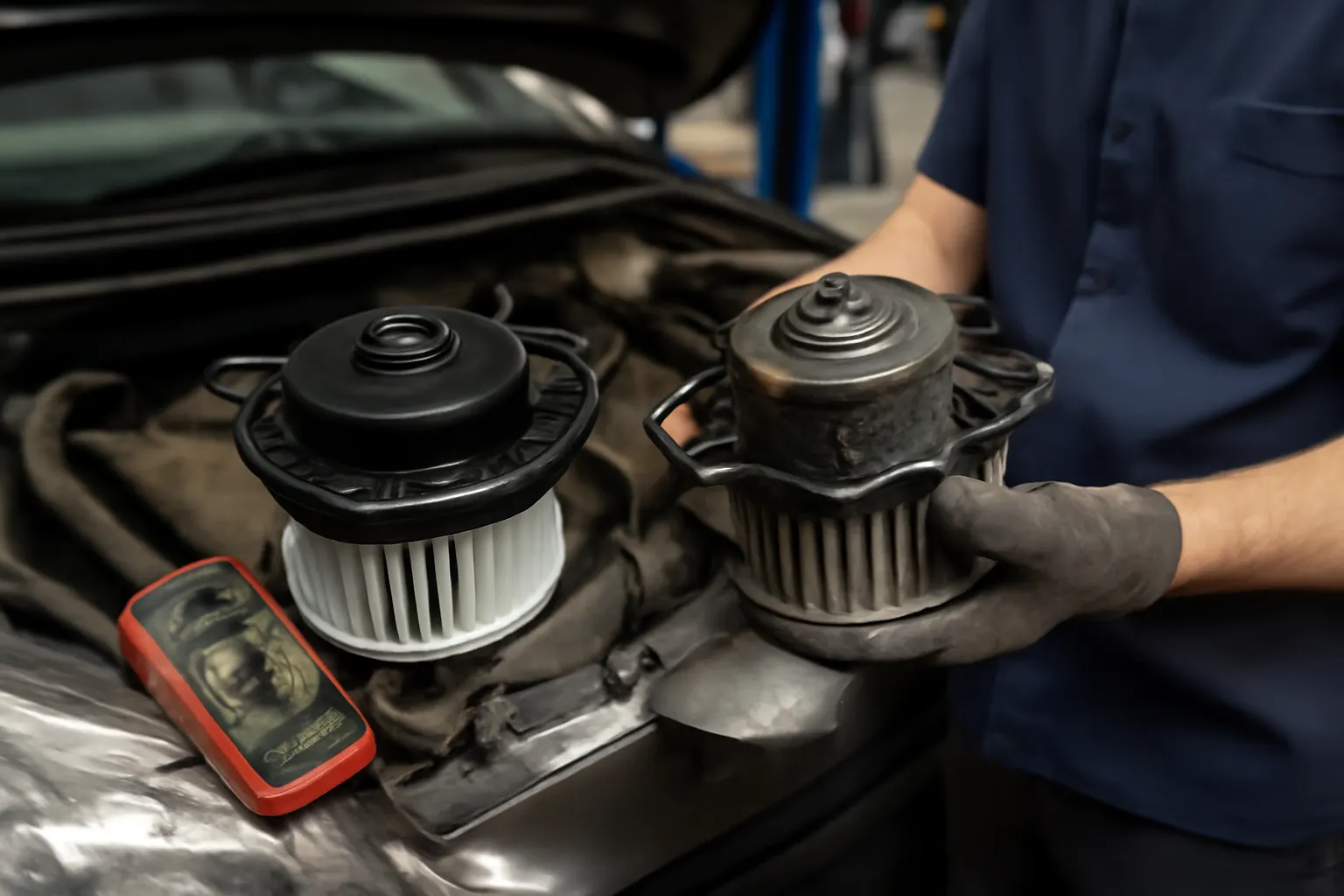
The primary difference between OEM and aftermarket blower motors lies in their design specifications, material quality, performance consistency, and fitment reliability. OEM blower motors are built to the exact standards set by the vehicle manufacturer, ensuring precise fit, optimal airflow, and long-term durability. Aftermarket blower motors, on the other hand, are produced by third-party companies and can vary widely in quality, performance, and compatibility.
- OEM Advantages: Guaranteed fit, factory-specified performance, and high-quality materials.
- Aftermarket Advantages: Lower cost, broader availability, and sometimes enhanced features or updated designs.
However, not all aftermarket blower motors are created equal—some match or even exceed OEM standards, while others may fall short in durability or performance.
The Hidden Problem: Performance and Safety Risks with Poorly Matched Blower Motors
Many vehicle owners and repair professionals assume that any blower motor labeled for their make and model will function identically. However, mismatches in electrical resistance, impeller design, or mounting tolerances can lead to:
- Reduced airflow or noisy operation
- Premature motor failure
- Increased electrical load and potential wiring damage
- Compromised HVAC system efficiency
These issues are not always immediately apparent after installation but can emerge over days or weeks, leading to repeat repairs, customer dissatisfaction, and unexpected costs. The risk is especially pronounced with low-quality aftermarket units that do not meet SAE or manufacturer standards.
Expanding the Problem: Technical and Practical Considerations
1. Material Quality and Engineering Standards
OEM blower motors are constructed using materials and manufacturing processes vetted by the original vehicle manufacturer. According to the U.S. Department of Energy’s Materials Technologies, material selection directly impacts component weight, durability, and heat resistance. OEM units typically feature:
- High-grade copper windings for efficient electrical flow
- Precision-balanced impellers for quiet operation
- Durable bearings and housings to withstand vibration
Aftermarket units can range from premium replacements using similar materials to budget options that may use lower-grade plastics or thinner windings, affecting longevity and noise.
2. Fitment and Compatibility
OEM blower motors are engineered for exact fitment—mounting points, electrical connectors, and airflow characteristics are all matched to the vehicle’s HVAC system. Aftermarket options may use “universal” or multi-fit designs that require adaptation or may not align perfectly, leading to installation challenges or operational inefficiencies.
3. Performance Metrics
Blower motor performance is measured by:
- Airflow rate (CFM—cubic feet per minute)
- Noise level (dB)
- Power consumption (Amps)
- Speed control compatibility (single, dual, or variable speed)
OEM units are tested to meet vehicle-specific performance curves, while aftermarket motors may have broader tolerances or generic specifications.
4. Safety and Compliance
According to the National Highway Traffic Safety Administration (NHTSA), replacement parts must meet minimum safety and performance standards. However, not all aftermarket manufacturers adhere to the same rigorous testing as OEM suppliers, which can result in:
- Electrical short circuits
- Overheating
- Increased fire risk
OEM blower motors are subject to manufacturer recalls and NHTSA oversight, providing an additional layer of protection for consumers.
Solution Path: How to Choose the Right Blower Motor for Your Vehicle
1. Assess Your Priorities
- Reliability: If you want a “fit-and-forget” solution with minimal risk, an OEM blower motor is the safest bet.
- Budget: If cost is a primary concern, a reputable aftermarket blower motor may offer significant savings.
- Performance: For high-demand applications (e.g., extreme climates, commercial vehicles), OEM or premium aftermarket units are recommended.
2. Evaluate Aftermarket Brands
Not all aftermarket blower motors are equal. Look for:
- Brands with ISO or SAE certifications
- Units that match OEM part numbers and specifications
- Positive reviews from professional installers
3. Confirm Fitment
Use your vehicle’s VIN or exact model/year/engine configuration to match the correct blower motor. When in doubt, consult the Blower Motor Replacement: Installation and Safety Guide for step-by-step fitment procedures.
4. Inspect for Quality
When purchasing in person, check:
- Connector type and pin count
- Impeller size and blade count
- Build quality of housing and mounting tabs
5. Consider Installation Complexity
Some aftermarket blower motors may require minor modifications for installation. OEM units usually offer direct, plug-and-play compatibility.
Deeper Technical Analysis: What Sets OEM Blower Motors Apart?
Engineering, Testing, and Material Science
OEM blower motors undergo extensive design validation, including:
- Vibration and thermal cycling tests
- Long-duration operational simulations
- Compatibility checks with the vehicle’s HVAC controls
Materials are chosen for optimal heat resistance and minimal weight, supporting both durability and fuel efficiency as outlined by the DOE’s Fuel Efficiency guidelines.
Compliance with Safety and Performance Standards
OEM suppliers are contractually obligated to meet or exceed SAE standards for automotive electrical components (SAE Standards). This ensures:
- Consistent airflow across all speed settings
- Safe electrical draw
- Minimal electromagnetic interference
Aftermarket manufacturers may voluntarily comply with these standards, but compliance is not always guaranteed.
Recalls and Quality Assurance
OEM blower motors are traceable through manufacturer recalls and NHTSA databases, providing an additional layer of accountability. Aftermarket parts may not be subject to the same recall procedures, complicating quality control.
Practical Comparison: OEM vs Aftermarket Blower Motor Checklist
Before making your purchase, use this checklist to evaluate your options:
| Feature/Consideration | OEM Blower Motor | Aftermarket Blower Motor |
|---|---|---|
| Fitment | Exact, vehicle-specific | May require adaptation |
| Material Quality | High-grade, validated by automaker | Varies (premium to budget) |
| Performance Consistency | Guaranteed to match factory specs | Can vary by brand |
| Noise/Vibration | Minimal (factory-tested) | Varies; some may be noisier |
| Warranty | Usually 1-2 years (OEM) | Ranges from 6 months to lifetime |
| Price | Higher | Lower to moderate |
| Safety/Compliance | Meets NHTSA, SAE, and manufacturer | Varies; check for certifications |
| Recall Support | Yes | Rare |
| Availability | Dealer or authorized retailers | Wide (online, local stores) |
| Installation | Plug-and-play | May require minor modifications |
Installation Considerations: Avoiding Common Pitfalls
1. Preparation
- Disconnect the vehicle battery to prevent electrical shorts.
- Gather all necessary tools (socket set, screwdrivers, trim removal tools).
- Have your replacement motor and any required gaskets or mounting hardware ready.
2. Removal
- Access the blower motor by removing the glove box or under-dash trim as specified in your vehicle’s service manual.
- Disconnect electrical connectors and mounting screws.
- Carefully extract the old blower motor, noting any orientation or mounting differences.
3. Installation
- Compare the new blower motor (OEM or aftermarket) to the original for size, connector type, and mounting points.
- Install the new motor, ensuring all fasteners are tightened to specification.
- Reconnect wiring harnesses securely.
4. Testing
- Reconnect the battery and start the vehicle.
- Test all blower speeds and listen for abnormal noises or vibrations.
- Verify that airflow is consistent and strong at each setting.
For a step-by-step walkthrough and safety tips, refer to our Blower Motor Replacement: Installation and Safety Guide.
Diagnostic Guidance: Identifying Blower Motor Issues
Whether you're replacing a failed unit or upgrading for performance, it’s essential to confirm the root cause of HVAC issues before swapping blower motors. Common symptoms of a failing blower motor include:
- No airflow at any speed setting
- Intermittent or weak airflow
- Unusual noises (squealing, grinding, rattling)
- Burning smell or visible smoke from vents
Diagnostic steps:
- Check the fuse and relay: A blown fuse or faulty relay can mimic blower motor failure.
- Test the resistor or control module: If some speeds work but not others, the resistor or controller may be at fault.
- Inspect wiring and connectors: Loose or corroded connectors can interrupt power to the blower motor.
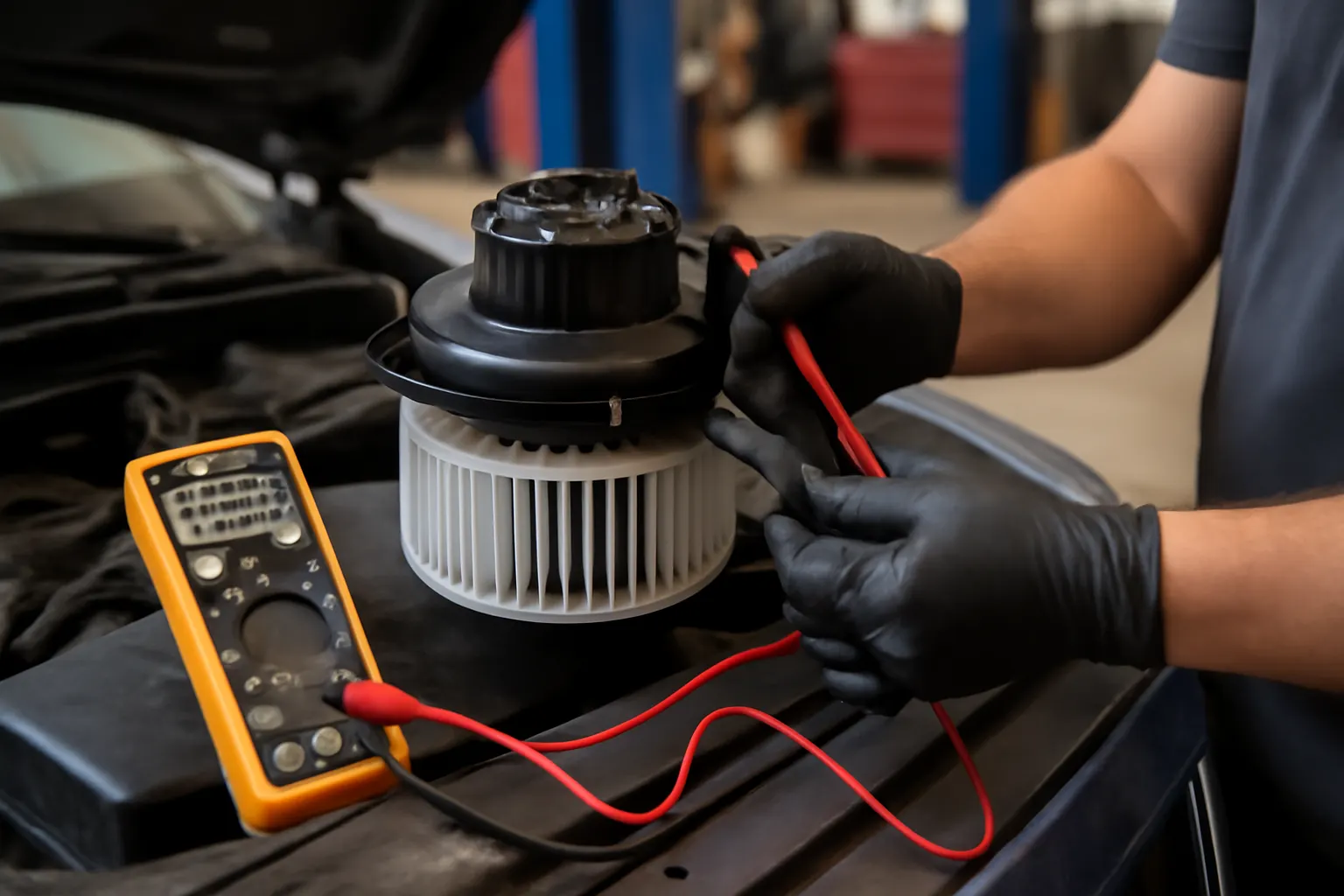
- Direct power test: Apply 12V directly to the blower motor terminals to verify function.
Addressing the true source of the problem prevents unnecessary part replacement and ensures a lasting repair.
Maintenance and Longevity: Extending Blower Motor Life
Regular maintenance can significantly extend the life of both OEM and aftermarket blower motors:
- Cabin Air Filter Replacement: A clogged cabin filter increases blower load and reduces airflow. Replace per manufacturer interval.
- HVAC System Cleaning: Dust and debris buildup can cause impeller imbalance and premature bearing wear.
- Moisture Management: Ensure drain tubes and seals are clear to prevent water intrusion, which can corrode motor components.
- Periodic Inspection: Listen for unusual noises and check for signs of excess vibration or overheating.
For more detailed preventive strategies, see our guide on Preventing Blower Motor Damage: Maintenance and Protection.
Sourcing Tips: Where and How to Buy Quality Blower Motors
OEM Blower Motors
- Purchase from authorized dealerships or trusted online retailers.
- Verify part numbers using OEM catalogs or your vehicle’s VIN.
- Beware of counterfeit “OEM” parts from unverified sources.
Aftermarket Blower Motors
- Choose reputable brands with clear specifications and certifications.
- Compare product details—look for units that match OEM airflow ratings and electrical requirements.
- Check return policies and warranty terms before purchase.
Cost Analysis: Balancing Price and Value
While OEM blower motors typically cost more upfront—sometimes double the price of an aftermarket equivalent—their longer service life and reduced installation risk can result in lower total cost of ownership. Aftermarket motors offer initial savings, but may require earlier replacement or additional labor if fitment issues arise.
Example Scenario
- OEM Blower Motor: $150–$300, 5–10 years service life, minimal installation time.
- Aftermarket Blower Motor: $60–$150, 2–5 years service life (variable), possible extra installation steps.
For fleet vehicles or harsh environments, the reliability of OEM may justify the premium.
Safety Considerations: Protecting Your Vehicle and Passengers
The blower motor is a critical component—not only for comfort but also for safety. Proper HVAC function is essential for:
- Defrosting and defogging windows for clear visibility
- Maintaining cabin air quality
- Preventing electrical hazards from overheating or short circuits
Refer to Blower Motor Safety: Performance and Protection for more on the safety implications of blower motor selection and maintenance.
AutoPartEx Positioning: Your Trusted Source for Quality Blower Motors
At AutoPartEx, we rigorously vet every blower motor in our inventory—OEM or aftermarket—against industry standards for performance, safety, and durability. We provide detailed fitment data and technical support to ensure you get the right part the first time. Whether you’re a professional installer or a DIYer, our Blower Motor | OEM Auto Parts | AutoPartEx.io catalog offers only components that meet or exceed manufacturer and regulatory requirements.
Expert Action: Steps for Optimal Blower Motor Replacement
- Diagnose thoroughly: Confirm blower motor failure with proper testing.
- Select the right part: Prioritize OEM or high-quality aftermarket units with proven track records.
- Verify fitment: Use VIN or detailed vehicle data to match parts.
- Install carefully: Follow best practices and torque specifications.
- Test post-installation: Ensure all speeds and airflow functions operate flawlessly.
- Maintain regularly: Replace the cabin filter and inspect the HVAC system annually.
By following these steps, you ensure long-term comfort, safety, and value from your blower motor investment.