Advertisement
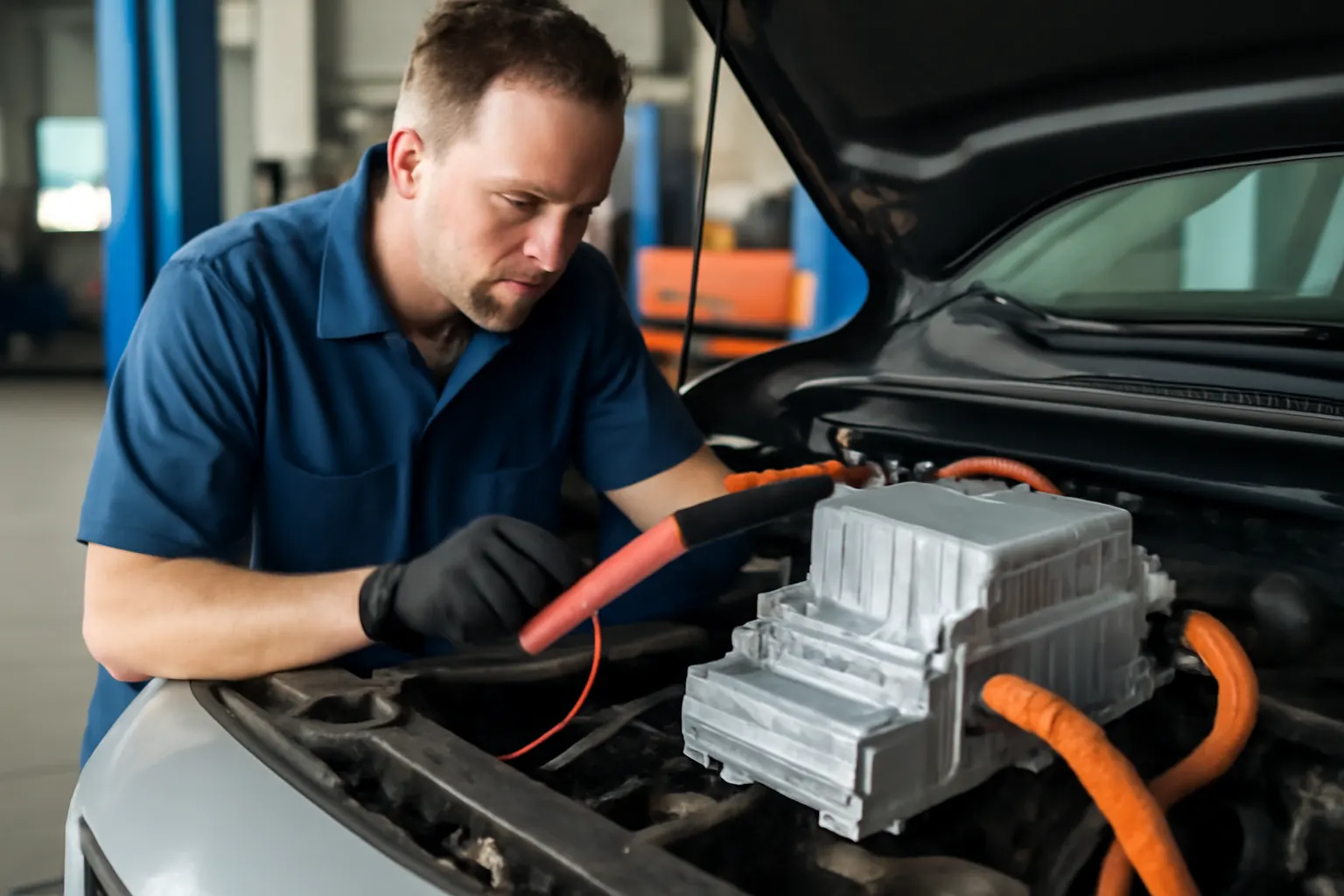
Electric vehicles (EVs) rely on advanced power electronics to deliver reliable, efficient, and safe operation over their lifespan. Among the most crucial, yet often overlooked, components ensuring this reliability is the inverter cooler. Inverter coolers play a central role in safeguarding the inverter—the heart of your EV’s powertrain—by managing the heat generated during high-power operation. Without effective cooling, your EV’s inverter and related electronics face premature wear, reduced efficiency, and even catastrophic failure. For any EV owner or technician focused on maximizing vehicle lifespan and performance, understanding the importance of inverter coolers and maintaining them properly is non-negotiable.
If you’re seeking the right part or want to learn more about the fundamentals, our Inverter Cooler: Essential Cooling for Hybrid and Electric Vehicle Power Electronics category page provides a comprehensive overview and direct access to premium replacement options.
The Immediate Answer: Why Inverter Coolers Are Essential
Inverter coolers are not just another auxiliary component in electric vehicles—they are a frontline defense against thermal stress in your EV’s power electronics. The inverter converts DC battery power into AC to drive the electric motor, a process that generates significant heat, especially during high-load conditions such as rapid acceleration, hill climbing, or sustained highway driving.
Without effective cooling, this heat can cause:
- Thermal degradation of sensitive electronic components
- Reduced inverter efficiency and power output
- Shortened component lifespan
- Potential for sudden inverter failure, stranding the vehicle
A well-functioning inverter cooler maintains optimal operating temperatures, directly contributing to the longevity, efficiency, and safety of your EV. Regular inspection and timely replacement of inverter coolers are thus essential maintenance tasks for any EV owner.
The Hidden Problem: Inverter Overheating Risks
While the inverter cooler quietly does its job, its failure—or even a slight reduction in performance—can have outsized consequences for your vehicle. Many EV drivers are unaware of the warning signs of inverter cooling issues until performance drops or, worse, the vehicle enters a limp mode or shuts down to prevent damage.
Common but often hidden problems include:
- Clogged or leaking coolant passages in the inverter cooler
- Degraded cooling pump performance
- Sensor failures leading to inaccurate temperature regulation
- Coolant contamination or incorrect coolant type usage
These issues can silently escalate. Over time, repeated overheating can break down insulation within power electronics, accelerate solder joint fatigue, and even cause irreversible failure of the inverter’s semiconductor switches. This means a relatively inexpensive cooler or pump issue can lead to a multi-thousand-dollar inverter replacement if ignored.
The Technical Core: How Inverter Coolers Work in EVs
Understanding the technical operation of inverter coolers clarifies why they are so vital to EV health.
Key Functions
- Heat Extraction: The inverter cooler is part of a dedicated cooling loop, often separate from the main engine (if present) or battery cooling systems. It circulates coolant through a heat exchanger attached to the inverter, drawing heat away from sensitive electronics.
- Temperature Regulation: Sensors monitor inverter temperatures, and the vehicle’s control unit adjusts coolant flow rates and, in some designs, fan speeds to keep temperatures within a narrow, safe range.
- Integrated Safety: Many modern EVs will automatically reduce power output or even shut down the inverter if excessive temperatures are detected, prioritizing component safety over driveability.
Typical System Components
- Inverter cooler (heat exchanger)
- Electric coolant pump
- Temperature sensors
- Coolant reservoir and hoses
- Control module
A failure in any of these components can compromise the entire cooling loop, making regular inspection and maintenance critical.
The Problem Expansion: Real-World Impact of Cooling Failures
The consequences of inverter cooling system neglect are not theoretical—they are well documented in service bulletins, recall notices, and real-world breakdowns.
Advertisement
Early Warning Signs
- Reduced acceleration or power output
- Warning lights or error codes related to inverter temperature
- Unexpected vehicle shutdowns, especially after heavy use
- Unusual noises from the coolant pump or inverter area
- Coolant leaks beneath the vehicle
Ignoring these signs can lead to:
- Permanent inverter damage requiring costly replacement
- Reduced overall vehicle efficiency
- Loss of regenerative braking performance
- Potential safety risks if the vehicle loses power in traffic
The National Highway Traffic Safety Administration (NHTSA) tracks equipment failures and recalls, underscoring the safety-critical nature of cooling systems in modern vehicles NHTSA Equipment.
Solution Path: Proactive Maintenance and Diagnostics
To prevent inverter-related failures, a proactive approach to cooling system maintenance is essential.
Routine Inspection Checklist
- Check coolant levels in the inverter cooling reservoir regularly.
- Inspect for leaks at all hose connections and beneath the vehicle.
- Listen for pump noises, which could indicate impending failure.
- Monitor dashboard warnings for any temperature-related alerts.
- Test coolant quality for signs of contamination or breakdown.
- Verify correct coolant type is used per manufacturer specifications.
For a more detailed guide on troubleshooting, refer to Diagnosing Hybrid Cooling System Failures.
When to Replace the Inverter Cooler
- If the cooler is clogged or corroded
- If coolant flow is restricted
- If repeated overheating events have occurred
- If leaks are detected at the cooler or hoses
Timely replacement ensures continued protection for your inverter and avoids compounding damage.
Deeper Dive: Materials and Design Considerations
Modern inverter coolers are engineered using advanced materials to optimize heat transfer, resist corrosion, and minimize weight. According to the Department of Energy’s research on Materials Technologies, lightweight, high-performance materials such as aluminum alloys and composite polymers are favored for their strength, thermal conductivity, and corrosion resistance.
Design Features
- Finned heat exchangers maximize surface area for efficient heat transfer.
- Electrically isolated construction prevents ground loops and stray current corrosion.
- Compact profiles allow integration into tight engine or electronics bays.
- Compatibility with specialized coolants designed for electrical safety and long service intervals.
Selecting a high-quality inverter cooler—whether OEM or premium aftermarket—ensures these design advantages are maintained throughout the vehicle’s service life.
Diagnosing Inverter Cooler Issues: Step-by-Step
Early detection of inverter cooling problems can save you from major repairs. Use this step-by-step diagnostic process:
Inverter Cooler Diagnostic Checklist
- Visual Inspection
- Look for coolant leaks around the inverter, hoses, and reservoir.
- Check for corrosion or scaling on the cooler’s external surfaces.
- Coolant Level and Quality
- Inspect the coolant reservoir for proper fill level and clarity.
- Test coolant with a refractometer or test strips for contamination.
- System Operation
- Listen for unusual noises (grinding, whining) from the coolant pump.
- Feel the inverter cooler after a drive; it should be warm but not excessively hot.
- Temperature Monitoring
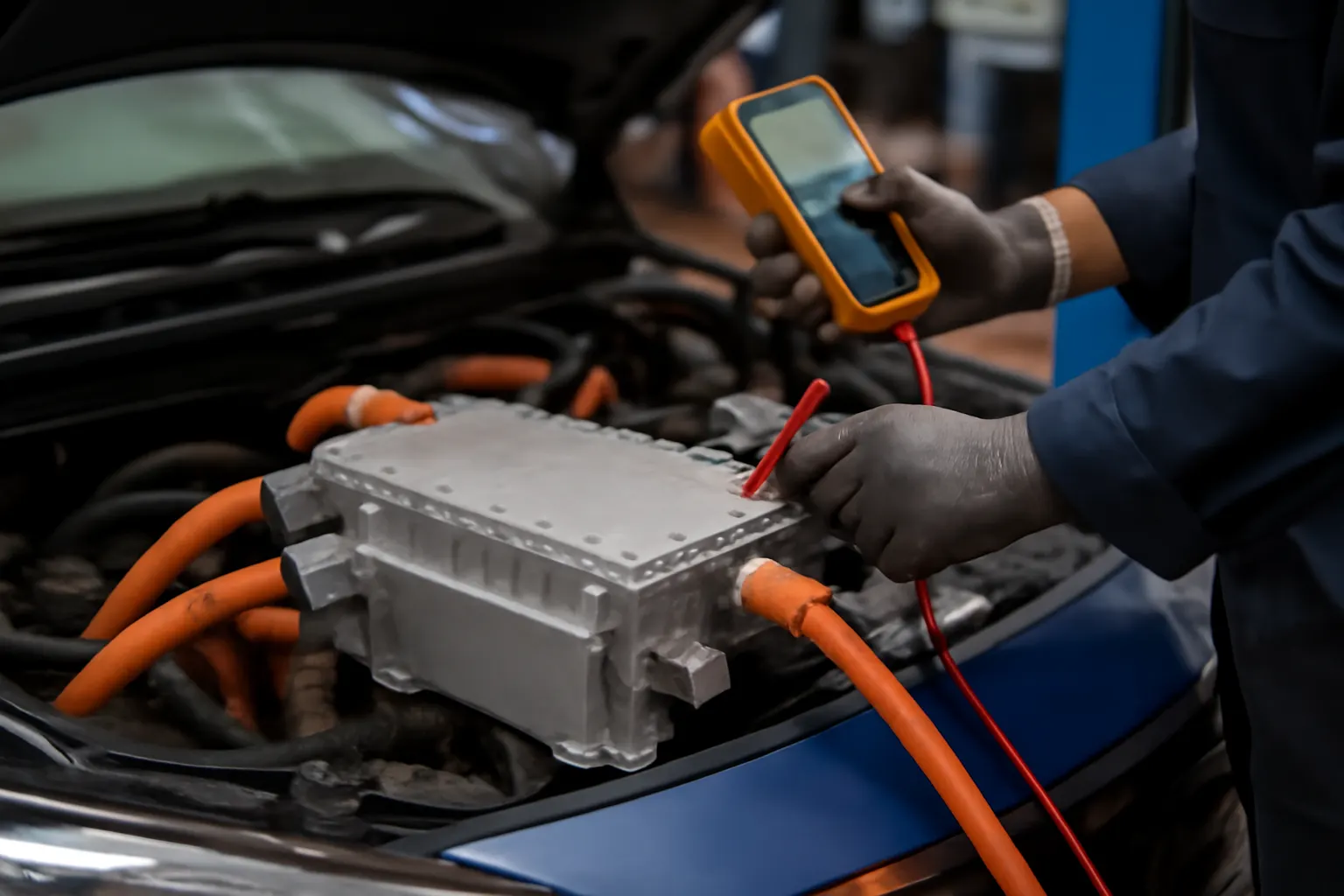
- Use a scan tool to read inverter temperature sensors.
- Compare readings to manufacturer-specified ranges.
- Error Codes
- Retrieve and interpret any diagnostic trouble codes (DTCs) related to the inverter or cooling system.
- Flow Test
- If equipped, measure coolant flow rate through the system.
If any issues are detected, address them immediately to prevent further damage. For a deeper comparison between replacement options, see Comparing OEM vs Aftermarket Inverter Coolers.
Installation Guidance: Replacing Your Inverter Cooler
When replacement is required, following best practices ensures a reliable, leak-free installation.
Replacement Steps Overview
- Disconnect the high-voltage system (following all safety protocols).
- Drain the inverter cooling loop and properly dispose of old coolant.
- Remove hoses and mounting hardware from the old cooler.
- Install the new inverter cooler, ensuring all seals and gaskets are properly seated.
- Reconnect hoses and secure mounts to manufacturer torque specifications.
- Refill with approved coolant and bleed the system of air.
- Reconnect the high-voltage system and test for leaks and proper operation.
Advertisement
Note: Always use gloves and eye protection when working with EV cooling systems, and consult manufacturer-specific service information for torque specs and bleeding procedures.
Maintenance Best Practices for Inverter Coolers
Routine maintenance maximizes the lifespan of your inverter and its cooler:
- Change coolant at recommended intervals (typically every 5 years or 60,000 miles, but check your owner’s manual).
- Inspect the system during every major service, not just during coolant changes.
- Replace hoses and clamps if they show signs of aging or wear.
- Keep the cooling system clean—avoid mixing coolant types, and flush the system if contamination is suspected.
For a comprehensive guide, read How to Maintain Your Hybrid’s Inverter Cooling System.
The Role of Standards and Safety in Inverter Cooling
Inverter cooling systems are subject to stringent engineering standards to ensure vehicle safety and reliability. Organizations such as SAE International publish guidelines for the design, testing, and validation of automotive cooling systems, including those used in EV power electronics SAE Standards.
Key Safety Considerations
- Electrical isolation: Prevents coolant from conducting stray currents, which could damage electronics.
- Pressure ratings: Ensures the system can withstand temperature-driven expansion.
- Material compatibility: Avoids chemical reactions between coolant and cooler materials.
Meeting these standards is critical for OEM and aftermarket manufacturers alike, ensuring that replacement parts deliver the same level of protection and performance as factory-installed components.
Buying Guidance: Choosing the Right Inverter Cooler
When selecting a replacement inverter cooler, consider the following:
What to Look For
- OEM fitment: Ensure compatibility with your vehicle’s make, model, and year.
- Material quality: Look for corrosion-resistant alloys and robust construction.
- Warranty coverage: Choose suppliers offering solid parts warranties.
- Supplier reputation: Buy from trusted sources specializing in EV or hybrid components.
- Coolant compatibility: Confirm the part is rated for your vehicle’s specified coolant.
AutoPartEx offers a curated selection of Inverter Cooler: Essential Cooling for Hybrid and Electric Vehicle Power Electronics to match OEM specifications for a wide range of vehicles, including brands like Acura and AMC.
Common Myths About Inverter Coolers—Debunked
Myth 1: “EVs don’t need cooling since they don’t have engines.” Reality: Power electronics generate substantial heat, often more concentrated than in conventional engines.
Myth 2: “Coolant type doesn’t matter for the inverter loop.” Reality: Using the wrong coolant can corrode the inverter cooler or reduce electrical isolation, risking failure.
Myth 3: “If there’s no warning light, the system is fine.” Reality: Many cooling issues develop gradually and may only trigger warnings after significant damage has occurred.
Being informed about these misconceptions helps you make better decisions for your vehicle’s long-term health.
The AutoPartEx Advantage
AutoPartEx is dedicated to providing EV owners and technicians with the highest-quality inverter coolers and expert support. Our catalog includes OEM and premium aftermarket parts, all backed by rigorous quality standards and technical guidance. With detailed fitment data, robust support resources, and a focus on advanced vehicle systems, we ensure you get the right part the first time.
Our technical content, like this article, is engineered to empower owners, technicians, and fleet managers with actionable knowledge—helping you avoid costly mistakes and maximize your vehicle’s performance and longevity.
Expert Action: Take Control of Your EV’s Longevity
Don’t wait for an overheating event to think about your inverter cooler. Make inverter cooling system checks a regular part of your EV maintenance routine. If you notice any warning signs or are nearing your recommended service interval, inspect or replace your inverter cooler promptly. Use trusted suppliers like AutoPartEx to ensure you receive parts that meet or exceed OEM standards, and always follow best practices for installation and maintenance.
For further reading, explore our Diagnosing Hybrid Cooling System Failures and How to Maintain Your Hybrid’s Inverter Cooling System guides, or browse our Inverter Cooler: Essential Cooling for Hybrid and Electric Vehicle Power Electronics section to find the right part for your EV.
References
Advertisement