Advertisement
When it comes to preserving the longevity and peak performance of your electric vehicle (EV), few components play as vital a role as the inverter cooler. Inverter coolers are not just another part—they are the frontline defense protecting your EV’s power electronics from heat-induced degradation and failure. Without effective cooling, the inverter, which converts and manages high-voltage battery power for the electric motor, can overheat, leading to reduced efficiency, expensive repairs, and even total system failure. This article explores why inverter coolers are essential for the life of your EV, how they work, what can go wrong, and how to ensure your system stays in top shape for years to come.
If you’re new to the world of inverter coolers, or looking to understand their critical role in hybrid and electric vehicle reliability, this comprehensive guide will take you from the basics to advanced maintenance, diagnostics, and sourcing recommendations—ensuring your investment in electrified mobility is protected for the long haul.
The Immediate Answer: Inverter Coolers Are Key to EV Lifespan
At the most practical level, inverter coolers maintain safe operating temperatures for the power electronics in your electric or hybrid vehicle. The inverter is the heart of the EV’s propulsion system, converting DC battery energy to AC power for the motor, and vice versa during regenerative braking. This process generates substantial heat, especially under heavy acceleration, hill climbs, or sustained high-speed driving.
Without a functional inverter cooler, the inverter’s internal components—semiconductors, capacitors, and control boards—are exposed to excessive heat. Elevated temperatures accelerate wear, reduce efficiency, and can trigger sudden shutdowns or permanent damage. In short, the inverter cooler is a mission-critical part for any EV owner who values longevity, performance, and reliability.
The Hidden Problem: Heat Is the Silent Killer of Power Electronics
Most EV drivers are aware of battery health but overlook the vulnerability of power electronics to heat. Unlike batteries, which often have dedicated thermal management, the inverter’s cooling needs are frequently underestimated—until a problem arises. Overheating can be insidious, with degradation happening gradually, manifesting as reduced range, power loss, or intermittent warning lights—often mistaken for battery or motor issues.
Moreover, the inverter’s cooling system is subject to the same wear and tear as any other automotive part: coolant degradation, pump failure, clogged passages, or leaks can all compromise cooling efficiency. The result? A hidden reliability risk that can silently undermine your EV’s lifespan and total cost of ownership.
Technical Deep Dive: How Inverter Coolers Work
Inverter coolers operate as part of a dedicated or shared thermal management circuit. Here’s how the system typically functions:
- Coolant Circulation: A specialized coolant (often ethylene glycol-based) is pumped through the inverter’s heat exchanger, absorbing heat from the power electronics.
- Heat Dissipation: The heated coolant flows to a radiator or secondary heat exchanger, where airflow (from a fan or vehicle movement) removes heat before recirculating.
- Sensors and Control Units: Temperature sensors monitor inverter and coolant temps, regulating pump speed and fan operation to maintain optimal conditions.
- Integration: Some vehicles integrate the inverter cooler with the battery or motor cooling systems, while others use a separate circuit for precise thermal control.
This closed-loop system keeps the inverter at a safe operating temperature, even during peak loads. The design and materials—such as high-conductivity aluminum or advanced composites—are engineered for efficiency and durability (Materials Technologies).
What Can Go Wrong: Common Inverter Cooler Failures
Even the best-designed inverter coolers are subject to failure modes that can jeopardize your EV’s health. Here are the most common issues:
- Coolant Leaks: Hose, radiator, or heat exchanger leaks can cause coolant loss, reducing heat transfer efficiency.
- Pump Failure: Electric coolant pumps can fail due to wear, electrical issues, or debris, halting circulation.
- Clogged Passages: Contaminated coolant or debris can block heat exchanger passages, reducing flow and cooling capacity.
- Sensor Malfunction: Faulty temperature sensors can provide inaccurate readings, leading to improper cooling system response.
- Aging Coolant: Old or contaminated coolant loses heat transfer properties and can corrode internal components.
Advertisement
Each of these issues can lead to inverter overheating, power derating, or even catastrophic inverter failure—resulting in costly repairs or replacements.
Warning Signs: Diagnosing Inverter Cooler Issues
Early detection is critical. Here’s what to watch for if you suspect inverter cooler trouble:
- Dashboard Warnings: Look for inverter, power electronics, or hybrid system temperature warnings.
- Reduced Performance: Sudden loss of power, especially after extended driving or in hot weather.
- Unusual Noises: Whining or grinding from the inverter coolant pump.
- Coolant Loss: Visible drops in coolant level or puddles under the vehicle.
- Overheating: Smell of hot electronics or coolant, or a rise in underhood temperatures.
If you encounter any of these symptoms, consult a technician or refer to specialized guides like Diagnosing Hybrid Cooling System Failures for step-by-step troubleshooting.
The Cost of Neglect: How Overheating Shortens EV Life
The consequences of inverter cooler failure are severe. Persistent overheating accelerates the breakdown of sensitive components inside the inverter:
- Semiconductor Degradation: High temperatures cause silicon-based transistors and diodes to age rapidly, leading to electrical leakage or open circuits.
- Capacitor Failure: Electrolytic capacitors dry out, reducing their ability to smooth voltage and causing erratic inverter behavior.
- PCB Damage: Printed circuit boards can warp or delaminate, breaking solder joints and traces.
The result is not just reduced performance. In many cases, inverter replacement is necessary—a repair that can cost thousands of dollars, often exceeding the price of routine cooler maintenance or timely replacement.
Real-World Scenarios: Inverter Cooler Impact on EV Models
Across the industry, inverter cooler reliability is a hot topic. For example, early-generation hybrids and EVs from brands like Toyota, Nissan, and GM have all experienced inverter cooling-related recalls or service bulletins. In many cases, vehicles with poorly maintained or defective inverter coolers suffered from:
- Frequent power loss incidents
- Limp-home mode activation
- Complete inverter shutdown
Manufacturers have responded by improving cooler designs, specifying higher-quality materials, and recommending more frequent inspections. Still, even modern EVs are not immune—making owner vigilance essential.
Diagnosing and Testing Your Inverter Cooler: A Step-by-Step Checklist
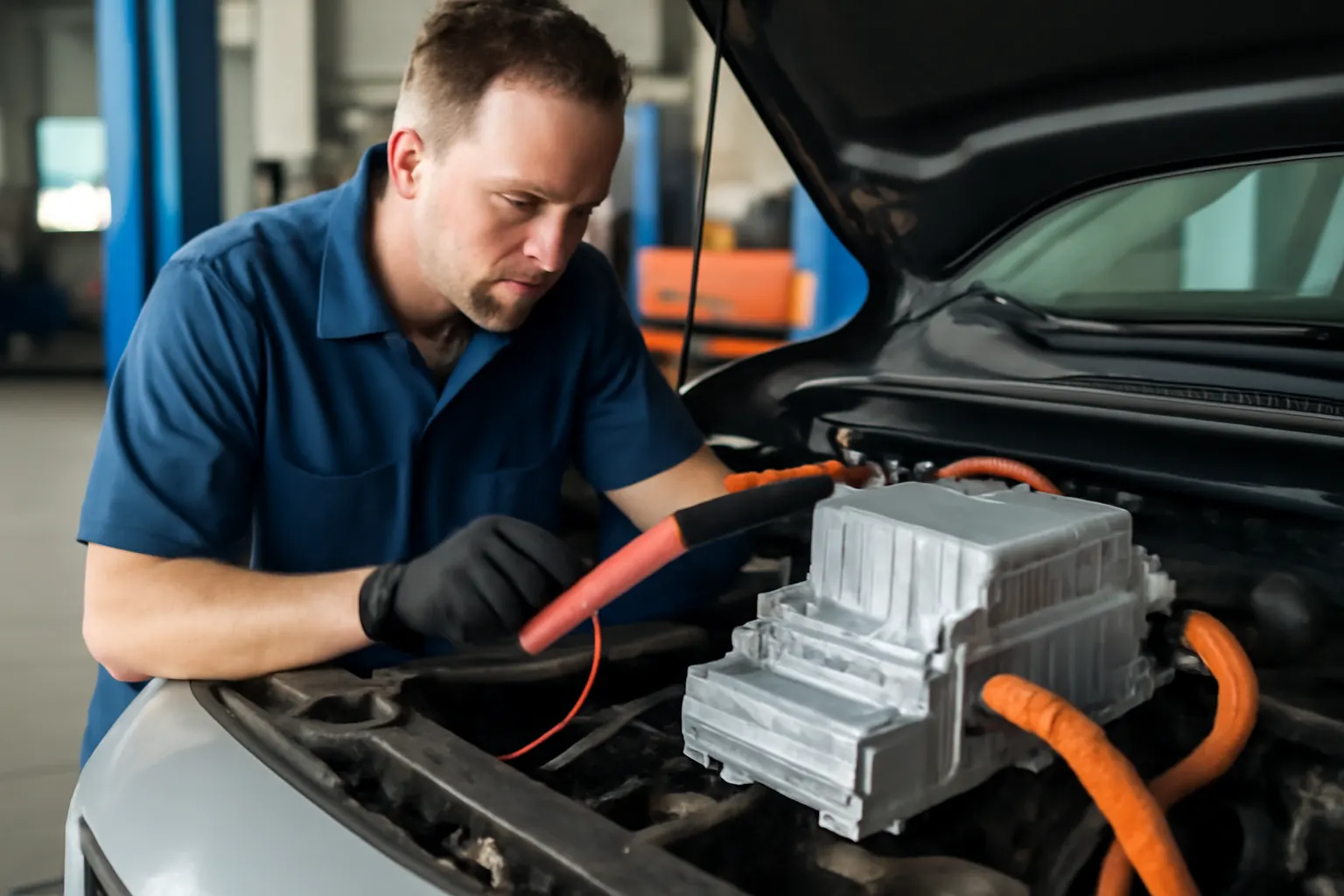
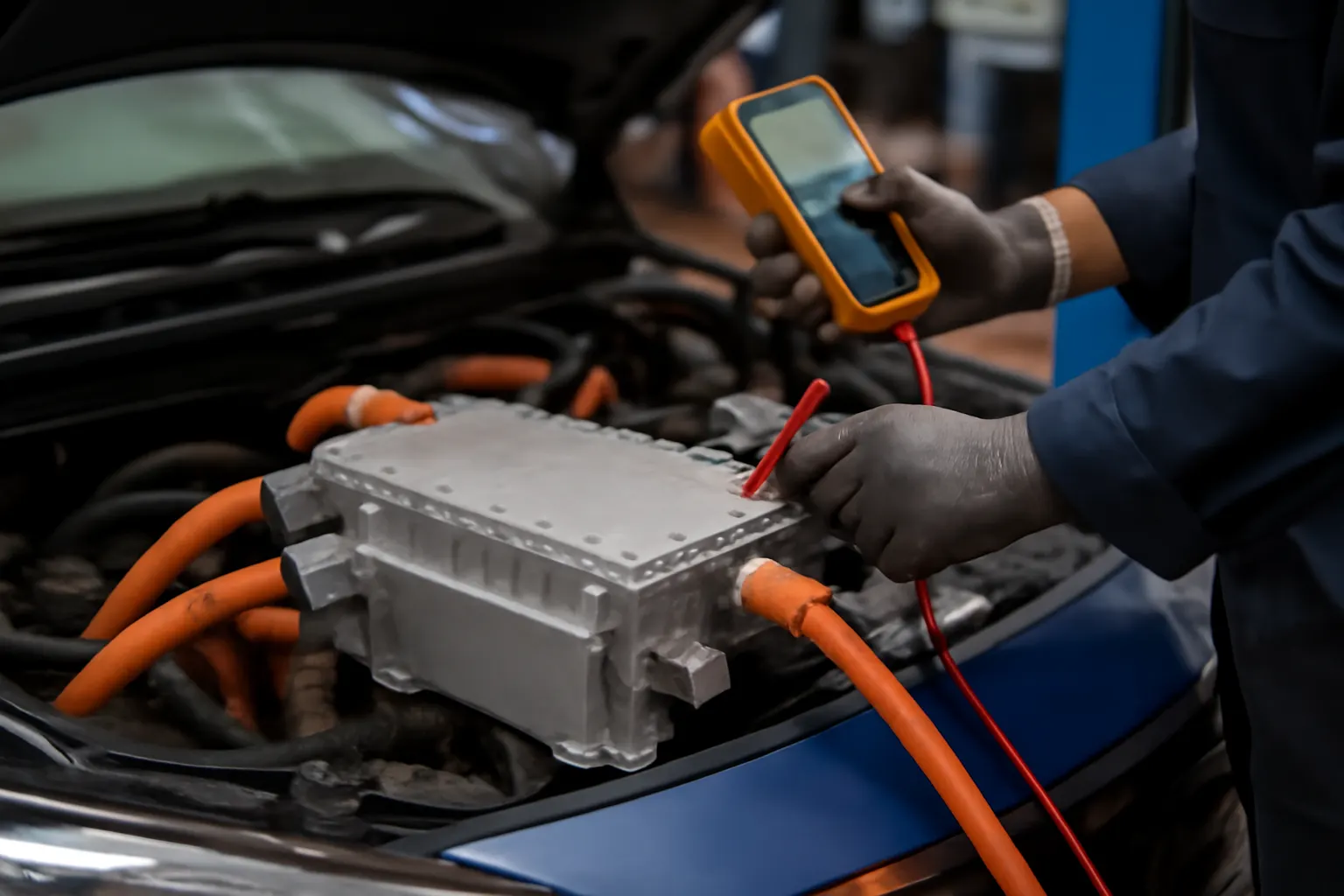
For hands-on owners or technicians, diagnosing inverter cooler health is straightforward with the right process:
Inverter Cooler Diagnostic Checklist
-
Visual Inspection
- Check for leaks, loose clamps, or hose cracks.
- Inspect the heat exchanger for corrosion or physical damage.
-
Coolant Level and Condition
- Verify coolant is at the correct level.
- Assess color and clarity—replace if discolored or contaminated.
-
Pump Operation
- Listen for pump activation when the vehicle is on.
- Use a scan tool to command pump operation and check for diagnostic trouble codes (DTCs).
-
Temperature Monitoring
- Compare inlet and outlet temperatures of the inverter cooler.
- Use a scan tool or infrared thermometer for accuracy.
-
Pressure Testing
- Pressure test the cooling circuit to identify leaks or weak seals.
-
Flow Testing
- Check for adequate coolant flow through the inverter heat exchanger.
If any issues are detected, address them promptly to avoid heat-related inverter damage.
Maintenance Best Practices: Extending the Life of Your Inverter Cooler
Routine maintenance is your best defense against inverter cooler failure. Follow these guidelines for optimal longevity:
- Regular Coolant Replacement: Change inverter coolant at intervals specified by your vehicle manufacturer, typically every 3–5 years or 30,000–50,000 miles.
- System Flushing: Flush the inverter cooling system during coolant changes to remove deposits and contaminants.
- Component Inspection: Check hoses, clamps, the pump, and the heat exchanger for wear or leaks at every service interval.
- Use OEM-Approved Coolant: Always use coolant specified for your make and model to prevent chemical incompatibility.
- Monitor for Updates: Stay informed about manufacturer recalls or technical service bulletins related to inverter cooling.
For detailed maintenance procedures, see How to Maintain Your Hybrid’s Inverter Cooling System.
Sourcing Replacement Inverter Coolers: OEM vs Aftermarket
When it’s time to replace your inverter cooler, the choice between OEM (Original Equipment Manufacturer) and aftermarket options is crucial. Here’s what you need to know:
- OEM Coolers: Offer guaranteed fitment, materials compatibility, and manufacturer-backed reliability. Ideal for maintaining original performance and warranty compliance.
- Aftermarket Coolers: Can provide cost savings and, in some cases, improved materials or performance. However, quality varies—choose reputable brands and confirm fitment for your make/model.
Advertisement
AutoPartEx offers a curated selection of both OEM and high-quality aftermarket inverter coolers. For a detailed comparison, visit Comparing OEM vs Aftermarket Inverter Coolers.
Installation Tips: Getting the Most from Your New Inverter Cooler
Proper installation is essential for inverter cooler performance and longevity. Follow these best practices:
- Pre-Fill Coolant: Fill the new cooler with the correct coolant before installation to prevent air pockets.
- Torque Specifications: Use manufacturer-recommended torque values for all fittings and clamps.
- Air Bleeding: Bleed the cooling system thoroughly to remove trapped air, which can cause hot spots and pump cavitation.
- Check for Leaks: After installation, pressure test the system and recheck coolant levels after the first drive cycle.
If you’re not comfortable with DIY installation, seek a qualified EV technician with experience in high-voltage systems.
Inverter Coolers and Overall Vehicle Efficiency
An efficient inverter cooler not only protects your electronics but also contributes to overall vehicle efficiency. When the inverter operates at optimal temperatures, it can deliver maximum power conversion efficiency, minimizing energy losses and maximizing range. According to the United States Department of Energy, thermal management is a key factor in advancing vehicle technology and achieving superior fuel economy in both hybrids and EVs.
Neglecting inverter cooler maintenance can lead to increased electrical losses, reduced regenerative braking efficiency, and unnecessary strain on the battery—all of which reduce your EV’s real-world range and performance.
Safety Considerations: Protecting People and Property
Inverter cooler failures are not just a matter of performance—they can also pose safety risks. Overheated power electronics may trigger limp-home modes or sudden shutdowns, which can be hazardous in traffic. Severe overheating can, in rare cases, cause electrical fires or damage to adjacent components.
The National Highway Traffic Safety Administration underscores the importance of maintaining all cooling and safety-critical systems for reliable operation. Regular checks and prompt repairs are not just good practice—they’re essential for safe EV ownership.
The Role of Materials and Standards in Inverter Cooler Design
Advances in materials science have led to inverter coolers that are lighter, more efficient, and more corrosion-resistant than ever before. The Department of Energy’s Materials Technologies initiative has driven the adoption of high-conductivity alloys and advanced polymers, improving both performance and durability.
In addition, inverter coolers must meet rigorous automotive engineering standards, such as those set by SAE International, to ensure consistent performance and safety across makes and models. These standards govern everything from pressure ratings to thermal cycling resistance.
Integrating Inverter Cooler Upgrades with Other EV Systems
Upgrading or replacing your inverter cooler is an opportunity to evaluate the health of related systems. Consider inspecting or upgrading:
- The AC Compressor, which may share cooling circuits in some hybrids/EVs.
- The AC Condenser Fan, essential for heat dissipation in radiator-mounted cooler designs.
- The Air Box/Air Cleaner, which can impact overall underhood airflow and cooling efficiency.
Coordinating maintenance or upgrades across these systems ensures your EV’s thermal management is robust and future-proof.
AutoPartEx: Your Partner in EV Longevity
At AutoPartEx, we understand that your EV is a significant investment—and that protecting its power electronics is key to long-term satisfaction. That’s why we offer a full range of inverter coolers, diagnostic tools, and expert resources for every make and model. Whether you drive an Acura, Alfa Romeo, or a classic AMC, our inventory and technical support can help you source, maintain, and upgrade your inverter cooling system with confidence.
Our editorial team is committed to providing the latest technical guidance, from diagnosing cooling failures to choosing between OEM and aftermarket solutions. Explore our related guides, connect with our experts, and keep your EV running cool for years to come.
Conclusion: Don’t Overlook the Inverter Cooler—Your EV’s Lifeline
Inverter coolers are far more than a supporting player in your EV’s complex ecosystem—they are the unsung heroes preserving your vehicle’s performance, efficiency, and safety. By understanding their function, recognizing the signs of trouble, and following best practices for maintenance and replacement, you can avoid costly repairs and maximize your EV’s lifespan.
Don’t wait for a warning light or a power loss to take action. Make inverter cooler health a core part of your EV maintenance routine—and trust AutoPartEx to support you every step of the way.
References
Advertisement