
Inverter Cooler
Inverter Cooler: Essential Guide for Hybrid and EV Owners
Many hybrid and electric vehicle owners overlook the inverter cooler, yet this component is vital for protecting sensitive electronics. Understanding its function, potential issues, and how to address them can prevent costly repairs and downtime. This guide explores what makes inverter coolers unique, how to spot trouble, and what steps to take when maintenance or replacement is needed, all grounded in published consumer and regulatory advice.
Showing 1–8 of 382 products


More Inverter Cooler options
Filtering for Inverter CoolerBrowse nearby inventory for this category without leaving the page. Use search to filter by price, part number, or city.
No Data Available
Please check back soon when more inventory is available for this part.
Inverter Cooler: Essential Guide for Hybrid and EV Owners
Why Inverter Coolers Deserve Your Attention
Hybrid and electric vehicles rely on sophisticated power electronics, and the inverter cooler is often an unsung hero in this system. While most drivers focus on engine oil or battery health, the inverter cooler quietly works to keep the inverter—a critical component that converts DC to AC power—within safe temperature limits. Without proper cooling, the inverter’s performance can degrade, leading to unexpected power limitations or even permanent damage. This makes the inverter cooler a key player in vehicle reliability, especially as hybrids and EVs age or accumulate mileage.
Despite its importance, the inverter cooler rarely appears on routine maintenance checklists. Many owners are unaware of its role until a warning light or reduced performance brings it to their attention. Because inverter coolers are not as visible as radiators or batteries, their maintenance and potential failure can go unnoticed. This oversight can lead to avoidable breakdowns, especially in demanding driving conditions or during heatwaves when cooling systems are under extra strain.
The inverter cooler’s role is not just technical—it’s also financial. A neglected or failing inverter cooler can result in costly repairs, as inverter modules are among the most expensive components to replace in modern hybrids and EVs. By understanding the significance of this part, owners can make informed decisions about inspection, maintenance, and replacement, helping to safeguard both vehicle longevity and their own peace of mind.

Understanding Inverter Cooler Issues in Hybrids and EVs
The inverter cooler’s primary function is to regulate the temperature of the inverter, which manages the flow of electricity between the battery and electric motor. When this system is compromised, the inverter can overheat, causing the vehicle to enter a limp mode or shut down to prevent damage. For many owners, the first sign of trouble is a dashboard warning or a noticeable drop in power, especially during acceleration or sustained highway driving.
Unlike traditional engine cooling systems, inverter coolers are specifically engineered for high-voltage components. They often use dedicated coolant circuits, separate from the main engine radiator. This specialization means that a problem in the inverter cooling system may not affect engine temperature gauges, leading to delayed detection. As a result, inverter cooler issues can develop silently until symptoms become severe.
Common causes of inverter cooler problems include coolant leaks, clogged passages, pump failures, and degraded hoses. Over time, coolant can become contaminated or lose its effectiveness, reducing heat transfer efficiency. In some cases, air pockets introduced during coolant changes can impede flow, further raising inverter temperatures. Each of these issues can be difficult to spot without targeted inspection, making preventive attention crucial.
Hybrid and EV owners may also face challenges due to the limited availability of specialized parts or technicians familiar with these systems. Not all repair shops have experience with inverter cooling, and some may overlook the system entirely during routine service. This can lead to misdiagnosis or incomplete repairs, prolonging the risk of inverter failure. Owners should be proactive in seeking out qualified advice and service.
The consequences of inverter cooler neglect are not limited to performance loss. In severe cases, overheating can cause irreversible damage to the inverter’s electronic components, necessitating costly replacements. Some manufacturers may issue recalls or service bulletins for known issues, but these are not universal. Owners should not assume that the absence of a recall means their system is immune to problems.
Given the complexity and cost associated with inverter repairs, understanding the warning signs and maintenance needs of the inverter cooler is essential. Early detection and intervention can mean the difference between a simple coolant flush and a multi-thousand-dollar inverter replacement. This makes inverter cooler awareness a critical aspect of hybrid and EV ownership, deserving of the same attention as more familiar maintenance items.
Practical Steps for Diagnosing and Addressing Inverter Cooler Problems
The first step in managing inverter cooler health is to familiarize yourself with your vehicle’s specific cooling system layout. Consult your owner’s manual to identify whether your hybrid or EV uses a dedicated inverter cooling circuit and where its components—such as the reservoir, pump, and hoses—are located. This foundational knowledge will help you recognize abnormal conditions and communicate effectively with repair professionals.
Regular visual inspections can catch obvious issues early. Look for signs of coolant leaks around the inverter cooler, reservoir, and hoses. Check the coolant level and color; low levels or discolored fluid may indicate a leak or contamination. While some inverter cooling systems are sealed, others allow for easy inspection and topping off. Always use the coolant type specified by your manufacturer to avoid compatibility problems.
If you notice warning lights related to the hybrid or EV system, do not ignore them. These indicators may signal inverter overheating or reduced cooling performance. Some vehicles display specific codes or messages for inverter cooling faults, while others use generic check engine or hybrid system warnings. Promptly addressing these alerts can prevent escalation and further damage.
For owners experiencing unexplained power loss, limp mode activation, or unusual noises from the inverter area, a more detailed diagnostic is warranted. This may involve using a scan tool to read trouble codes, checking for coolant flow at the reservoir, or listening for pump operation. If you are not comfortable performing these checks, seek a technician with hybrid or EV experience.
When replacement of the inverter cooler or associated components is necessary, compare options carefully. Salvage parts, such as those sourced from reputable recyclers, can offer cost savings but may have unknown wear or compatibility issues. New or remanufactured parts provide greater assurance of performance but may be more expensive. Always request a written estimate and clarify the part’s origin and condition, as recommended by the FTC in its auto repair guidance FTC: Auto Repair Basics.
Ask your repair provider whether they have experience with your vehicle’s make and model, especially for complex hybrid or EV cooling systems. A second opinion can be valuable for expensive repairs or when the recommended service is unclear. Ensure that any completed repair order lists the work performed, parts used, and odometer reading for your records, following FTC advice for transparency and consumer protection.
Preventive maintenance is key to inverter cooler longevity. Follow the manufacturer’s recommended service intervals for coolant replacement and system inspection, adjusting for your driving conditions as outlined in the owner’s manual. If your vehicle operates in extreme temperatures or under heavy load, more frequent checks may be warranted. Compare shop recommendations with your manual and ask for justification if extra services are proposed.
Finally, stay informed about potential recalls or service campaigns affecting your vehicle’s inverter cooling system. Use your VIN to check for open recalls through official sources such as the NHTSA NHTSA: Vehicle Recalls. While not all issues result in recalls, this step ensures you are aware of manufacturer-supported remedies and safety updates. Regular recall checks complement your own maintenance efforts and can offer peace of mind.
What the Evidence and Published Guidance Show
The Federal Trade Commission’s auto repair guidance provides a foundation for all vehicle owners, including those with hybrids and EVs, to approach repairs with confidence and clarity. The FTC recommends obtaining a written repair estimate that specifies the condition to be addressed, the parts needed, and the anticipated labor charges. This advice is especially relevant for inverter cooler repairs, which can involve expensive components and specialized labor. By insisting on a detailed estimate, owners can avoid misunderstandings and ensure that only necessary work is performed FTC: Auto Repair Basics.
The FTC further distinguishes between new, remanufactured, and salvage parts—a distinction that matters when replacing an inverter cooler. Salvage parts, sourced from other vehicles without alteration, may offer savings but come with unknown histories. The FTC advises consumers to ask about the origin and condition of any part being installed, and to get all warranties and guarantees in writing. This guidance does not guarantee fitment or performance for any specific inverter cooler but provides a framework for making informed decisions and protecting your investment FTC: Auto Repair Basics.
NHTSA’s recall and safety defect process is another key resource for hybrid and EV owners. By searching your vehicle’s VIN on the NHTSA website, you can determine if there are any open recalls related to the inverter cooler or associated systems. The NHTSA explains that recalls are issued when a manufacturer or the agency identifies an unreasonable safety risk or failure to meet minimum standards. However, the absence of a recall does not guarantee that your inverter cooler is problem-free, as not all issues result in formal recalls NHTSA: Vehicle Recalls.
The NHTSA also clarifies that recall searches by year, make, and model yield general results, not specific to an individual vehicle. Only a VIN-based search can confirm whether a particular car has an unrepaired recall. This means that even if your model is listed in a recall database, your specific vehicle may not be affected. Owners should use this tool regularly, especially after purchasing a used hybrid or EV, to stay current on safety updates and manufacturer remedies NHTSA: Vehicle Recalls.
Neither the FTC nor NHTSA provide technical specifications or service intervals for inverter coolers. Instead, they emphasize the importance of following manufacturer maintenance schedules and consulting the owner’s manual for vehicle-specific guidance. This underscores the need for owners to seek out credible, model-specific information when planning inverter cooler maintenance or replacement, rather than relying solely on general advice or catalog listings.
Published consumer guidance also highlights the value of comparing shop recommendations with the manufacturer’s schedule and asking for justification when extra services are proposed. This is particularly important for hybrid and EV systems, where unnecessary or premature replacement of inverter coolers can result in avoidable expense. Owners are encouraged to seek second opinions for costly repairs and to verify technician experience with their specific vehicle type FTC: Auto Repair Basics.
In summary, the evidence from regulatory and consumer sources establishes a clear process for inverter cooler maintenance: obtain detailed repair estimates, verify part origin and condition, consult official recall databases, and follow manufacturer schedules. While these sources do not document specific inverter cooler failure rates or technical details for particular models, they provide a robust framework for making informed, evidence-based decisions about inspection, repair, and replacement.
Take Charge of Your Inverter Cooler Health
Don’t wait for warning lights or costly breakdowns to focus on your inverter cooler. Start by reviewing your owner’s manual, inspecting your cooling system, and checking for open recalls. If you suspect an issue, seek out a qualified technician and request a detailed repair estimate. For more guidance on inverter cooler selection, diagnosis, and maintenance, explore our resources on Inverter Cooler, Diagnosing Hybrid Cooling System Failures, and How to Maintain Your Hybrid’s Inverter Cooling System.
References
- NHTSA: Vehicle Recalls
- FTC: Auto Repair Basics
References
- NHTSA: Vehicle Recalls - NHTSA, accessed 2026-11-01
- FTC: Auto Repair Basics - FTC, accessed 2026-11-01
Related Guides & Articles

Diagnosing Hybrid Cooling System Failures
Diagnosing hybrid cooling system failures is essential for maintaining the safety, efficiency, and longevity of modern hybrid and electric vehicles (HEVs & EVs). The inverter cooler—a specialized component that manages the heat generated by power electronics—plays a pivotal role in this process. This guide delivers a comprehensive, step-by-step approach to identifying and resolving cooling issues specific to hybrid and electric vehicle inverter cooling systems.
View Guide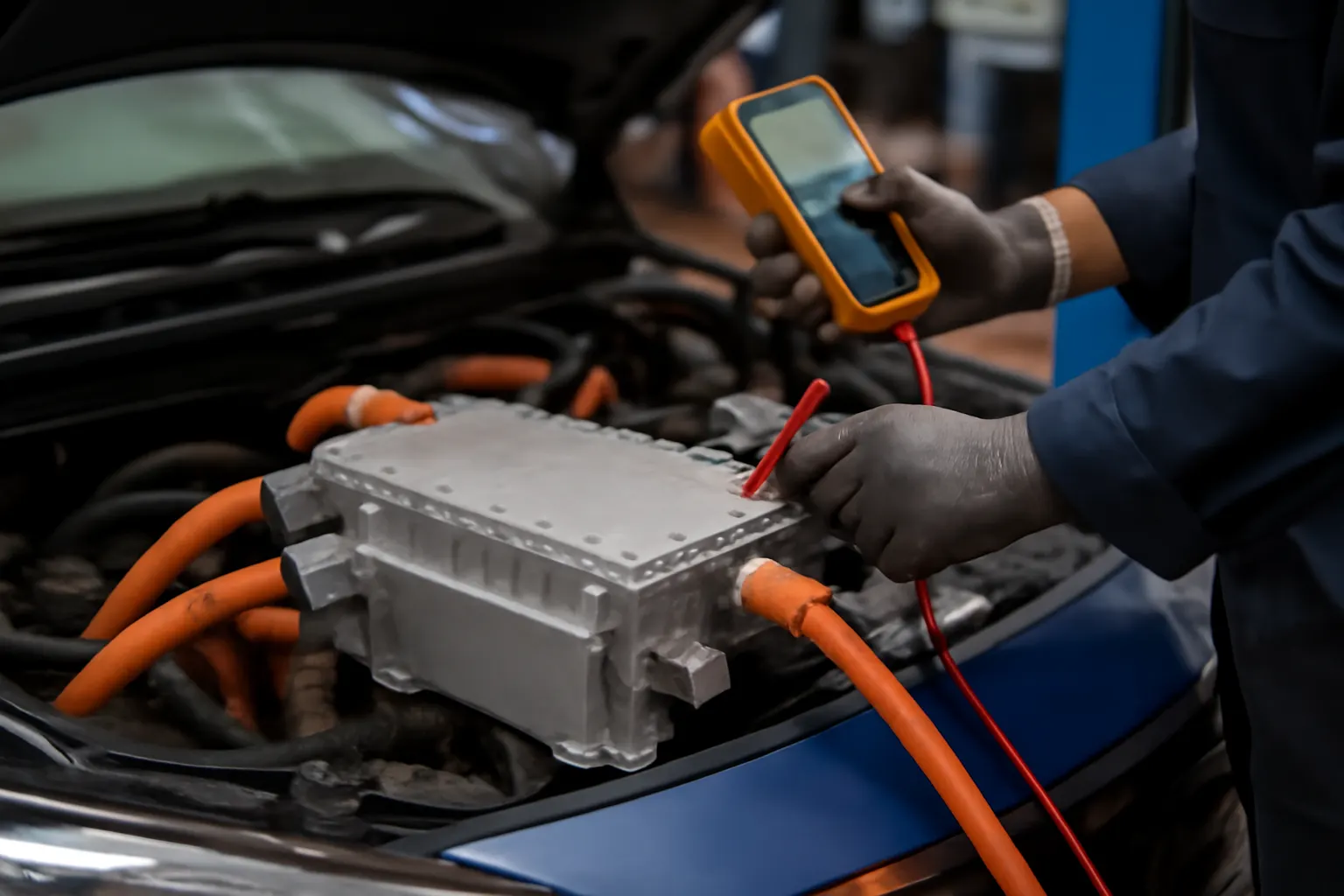
Why Inverter Coolers Matter for EV Longevity
When it comes to preserving the longevity and peak performance of your electric vehicle (EV), few components play as vital a role as the inverter cooler. Inverter coolers are not just another part—they are the frontline defense protecting your EV’s power electronics from heat-induced degradation and failure. Without effective cooling, the inverter, which converts and manages high-voltage battery power for the electric motor, can overheat, leading to reduced efficiency, expensive repairs, and even total system failure.
Read More
Comparing OEM vs Aftermarket Inverter Coolers
Hybrid and electric vehicles (HEVs/EVs) rely on inverter coolers to maintain optimal operating temperatures for their power electronics. When it comes time to replace a failing or worn inverter cooler, vehicle owners and technicians are faced with a crucial decision: choose an Original Equipment Manufacturer (OEM) part, or opt for an aftermarket alternative. This guide delivers a deep technical comparison of OEM and aftermarket inverter coolers, focusing on performance, fitment, reliability, and practical installation considerations.
View Guide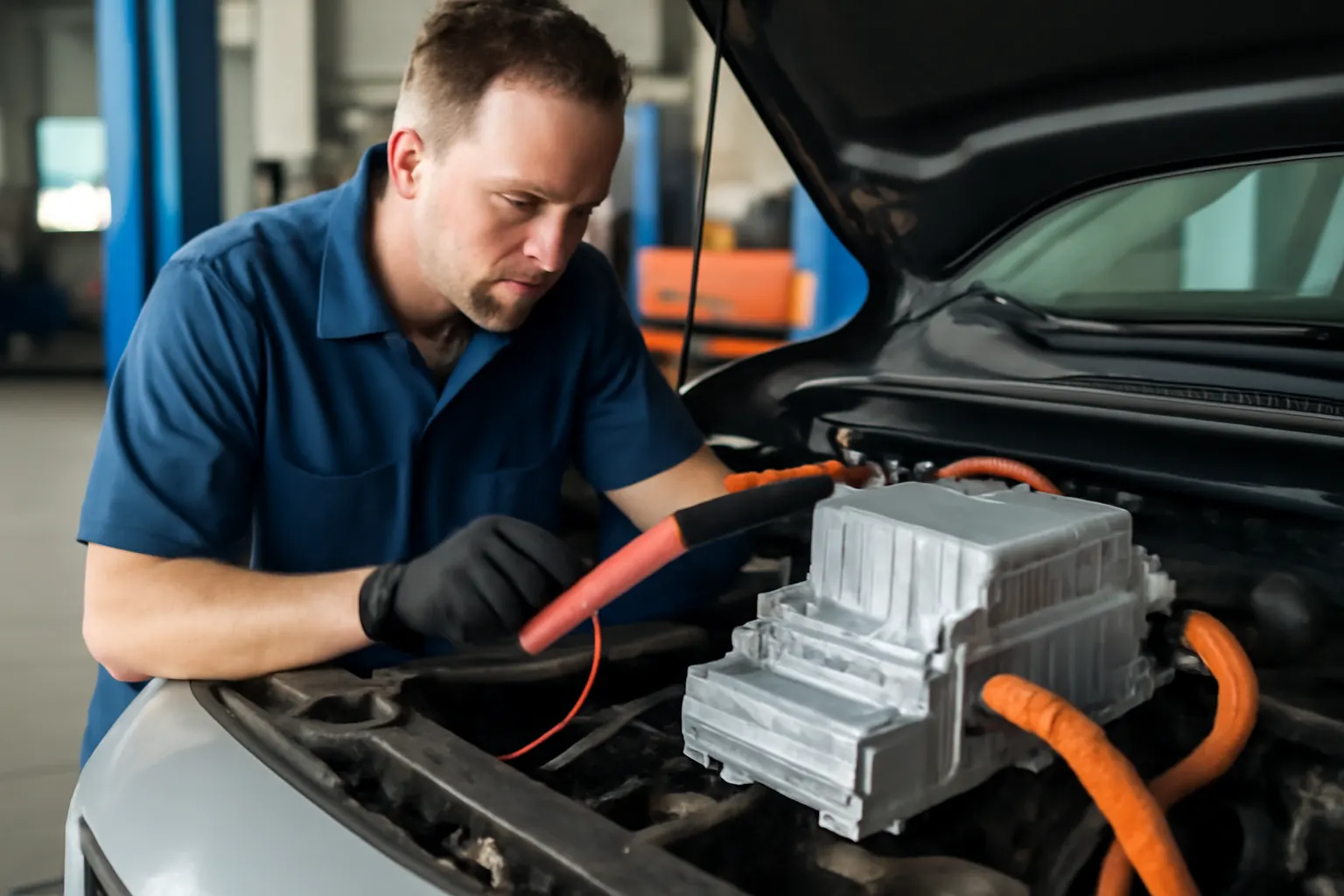
How to Maintain Your Hybrid’s Inverter Cooling System
Hybrid and electric vehicles rely on their inverter cooling systems to keep power electronics running at peak efficiency. To ensure your hybrid’s inverter cooler delivers reliable performance and extends the life of critical components, regular maintenance is essential. This guide provides step-by-step instructions, practical checklists, and technical insights to help you keep your inverter cooling system in top condition—whether you’re a DIYer or a professional technician.
Read More