Advertisement
Hybrid and electric vehicles rely on their inverter cooling systems to keep power electronics running at peak efficiency. To ensure your hybrid’s inverter cooler delivers reliable performance and extends the life of critical components, regular maintenance is essential. This guide provides step-by-step instructions, practical checklists, and technical insights to help you keep your inverter cooling system in top condition—whether you’re a DIYer or a professional technician.
If you’re seeking a deeper understanding of inverter coolers or need to find parts for your specific vehicle, start with our Inverter Cooler: Essential Cooling for Hybrid and Electric Vehicle Power Electronics category page, which covers core concepts and sourcing tips.
Why Inverter Cooler Maintenance Matters
Hybrid vehicles use sophisticated power electronics to manage energy flow between the battery, electric motor, and internal combustion engine. The inverter is at the heart of this system, converting DC battery power to AC for the electric motor and vice versa. High electrical currents generate significant heat, and without proper cooling, inverter temperatures can rise rapidly, causing:
- Loss of efficiency and fuel economy
- Permanent damage to sensitive electronic components
- Safety risks due to electrical or thermal failure
Routine maintenance of the inverter cooling system ensures optimal thermal management, supporting both vehicle safety and long-term reliability. According to the United States Department of Energy, maintaining efficient vehicle systems directly impacts fuel economy and component lifespan.
The Hidden Problem: Overlooked Inverter Cooler Issues
Many hybrid owners focus on engine or battery maintenance but overlook the inverter cooler. Unlike traditional radiators, inverter cooling systems are smaller, use specialized coolants, and often run on independent circuits. This can lead to:
- Gradual coolant degradation, unnoticed until a warning light appears
- Clogging from debris, scale, or corrosion in the cooling loop
- Pump or fan failures that aren’t immediately obvious
- Reduced inverter output or sudden electronic faults
Because inverter coolers operate quietly in the background, their problems often remain hidden until they cause major—and expensive—failures. Recognizing the signs of trouble early is the key to preventing breakdowns.
Understanding Your Hybrid’s Inverter Cooling System
Before diving into maintenance, it’s critical to understand the main components and their roles:
- Inverter Cooler (Radiator): Small, dedicated heat exchanger that dissipates heat from the inverter coolant loop.
- Electric Coolant Pump: Circulates coolant through the inverter and cooler.
- Coolant Reservoir: Stores extra coolant and allows for expansion/contraction.
- Hoses and Clamps: Carry coolant between system components.
- Thermal Sensors: Monitor coolant and component temperatures, sending feedback to the vehicle’s control unit.
- Cooling Fans: May be integrated to boost airflow through the inverter cooler.
Each element must function together for effective cooling. A failure in one part can compromise the entire system, impacting vehicle safety and performance (NHTSA).
Signs Your Inverter Cooling System Needs Attention
Hybrid inverter cooling issues often present subtle symptoms before escalating. Watch for these warning signs:
- Dashboard Warning Lights: Most hybrids have a dedicated inverter or hybrid system warning indicator.
- Reduced Electric Power: Noticeable drop in electric-only driving performance or sudden switch to gasoline mode.
- Unusual Noises: Whining or buzzing from the inverter area may indicate pump or fan trouble.
- Coolant Leaks: Puddles under the vehicle or low reservoir levels.
- Overheating: In extreme cases, the vehicle may enter limp mode or shut down to protect electronics.
Early detection and prompt action can prevent costly inverter or battery repairs.
Step-by-Step Inverter Cooling System Maintenance
Proper maintenance combines regular inspection, fluid replacement, and system cleaning. Here’s a proven step-by-step approach:
Advertisement
1. Gather Tools and Supplies
- Vehicle-specific inverter coolant (consult your owner’s manual)
- Funnel, catch pan, and clean rags
- Screwdrivers and pliers for hose clamps
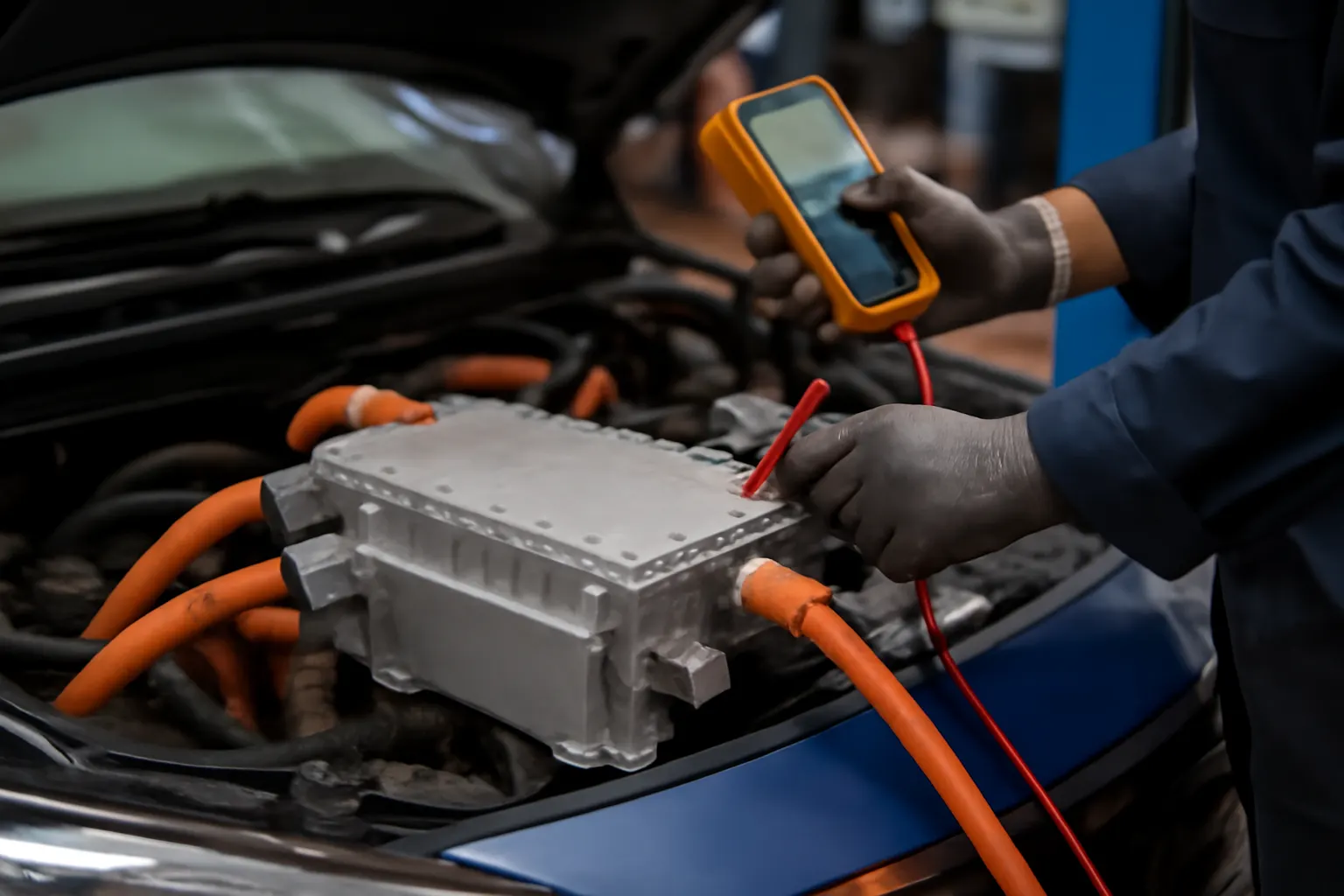
- Multimeter or scan tool (for sensor checks)
- Safety gloves and eyewear
2. Inspect Coolant Level and Condition
- Park on a level surface and let the car cool fully.
- Locate the inverter coolant reservoir (distinct from the engine coolant).
- Check fluid level against “MIN” and “MAX” marks.
- Examine coolant color—cloudiness, rust, or debris indicate contamination.
3. Check for Leaks and Hose Integrity
- Visually inspect all hoses, clamps, and the cooler itself.
- Look for cracks, swelling, or wetness.
- Tighten any loose clamps and replace compromised hoses.
4. Test the Electric Coolant Pump
- With the car in “Ready” mode, listen for the pump running.
- Some vehicles allow you to activate the pump via a scan tool.
- No sound or error codes may indicate a failed pump.
5. Inspect the Inverter Cooler (Radiator)
- Check for bent fins, dirt, or debris blocking airflow.
- Clean gently with compressed air or a soft brush.
- Ensure the cooler is firmly mounted and undamaged.
6. Examine Cooling Fans
- Confirm fans spin freely and activate when the inverter warms up.
- Replace worn or noisy fan motors.
7. Replace Coolant (as specified by manufacturer)
- Drain old coolant into a catch pan.
- Flush the system with distilled water if contamination is suspected.
- Refill with fresh inverter coolant, bleed air from the system, and check for leaks.
Inverter Cooling Maintenance Checklist
Use this checklist at each service interval (typically every 30,000–50,000 miles, but always consult your vehicle manual):
| Task | Frequency | Notes |
|---|---|---|
| Inspect coolant level and color | Every 6 months | Top off or replace if needed |
| Check hoses, clamps, and connections | Every 6 months | Replace if cracked, swollen, or loose |
| Test electric coolant pump operation | Annually | Listen for operation, scan for codes |
| Clean inverter cooler and fans | Annually | Remove debris, straighten bent fins |
| Replace inverter coolant | Every 2–4 years | Use only specified coolant type |
| Inspect sensors and wiring | Annually | Ensure tight, corrosion-free contacts |
Common Inverter Cooling System Failures (and How to Prevent Them)
Understanding failure modes helps you stay ahead of problems:
1. Coolant Degradation
Hybrid inverter coolants are formulated for electrical compatibility and thermal performance. Over time, they can break down, losing effectiveness and risking corrosion or electrical shorts. Always use the manufacturer-specified coolant and replace at recommended intervals.
2. Pump Failure
Electric coolant pumps are subject to wear from constant operation. Early signs include noise, intermittent operation, or warning lights. Prompt replacement is critical to avoid inverter overheating.
3. Blocked or Damaged Cooler
Road debris, insects, or corrosion can block airflow through the inverter cooler. Regular cleaning and inspection prevent overheating and loss of efficiency.
4. Sensor or Fan Malfunction
Faulty sensors can prevent the system from activating fans or warning the driver of overheating. Use a scan tool to check for error codes and replace defective components promptly.
Choosing the Right Inverter Cooler Parts
Not all inverter coolers are created equal. When sourcing replacements or upgrades, consider:
- OEM vs Aftermarket: OEM parts ensure direct fit and compatibility, but high-quality aftermarket options can offer improved performance or cost savings. See our guide on Comparing OEM vs Aftermarket Inverter Coolers for detailed pros and cons.
- Material Quality: Aluminum or copper cores offer better heat dissipation and durability.
- Compatibility: Confirm part numbers and fitment for your specific hybrid make/model.
- Supplier Reputation: Choose parts from trusted sources to ensure reliability and warranty support.
Advertisement
Advanced Diagnostics: When to Seek Professional Help
While many inverter cooling tasks are DIY-friendly, certain scenarios require advanced tools or expertise:
- Persistent Warning Lights: If system resets or basic checks don’t resolve errors, deeper diagnostics with a scan tool are needed.
- Coolant Contamination: Oil or metallic debris in the coolant may indicate inverter or pump internal damage.
- Unusual Electrical Behavior: If your hybrid displays erratic charging, sudden shutdowns, or electrical surges, professional testing is warranted.
Certified hybrid technicians have access to manufacturer diagnostics, special tools, and safety equipment to handle high-voltage systems. Do not attempt repairs beyond your skill level; improper handling can risk injury or component damage.
Inverter Cooler Maintenance and Vehicle Safety
A well-maintained inverter cooling system is not just about performance—it’s a key safety factor. The National Highway Traffic Safety Administration emphasizes the importance of maintaining all vehicle equipment, including cooling systems, to reduce the risk of breakdowns and electrical fires. Hybrid and electric vehicles operate under high voltages; overheating can lead to catastrophic inverter failure or even thermal runaway in extreme cases.
Fitment and Sourcing: Matching Parts to Your Hybrid
Hybrid inverter cooling systems vary by make, model, and year. Accurate fitment ensures your new parts will function as designed:
- Check Your VIN: Use your vehicle identification number to verify part compatibility.
- Consult Manufacturer Guides: Reference OEM diagrams and service manuals for correct part numbers.
- Cross-Reference: Many aftermarket suppliers provide cross-reference tools to match OEM numbers.
- Inspect Before Install: Compare new parts side-by-side with originals for size, connector, and mounting compatibility.
For a comprehensive selection of inverter coolers and related components, visit our Inverter Cooler category page, where you’ll find trusted brands and expert fitment support.
Related Cooling System Maintenance
Your hybrid’s inverter cooler is part of a broader network of thermal management systems. For optimal vehicle longevity, also consider:
- Engine Cooling: Regular radiator and coolant service prevent engine and inverter heat buildup.
- HV Battery Cooling: Some hybrids use separate coolers or air ducts for the battery pack.
- Cabin AC System: A well-functioning AC Compressor and AC Condenser Fan help maintain overall system efficiency, especially in hot climates.
For more on diagnosing complex cooling issues, see our guide on Diagnosing Hybrid Cooling System Failures.
Expert Tips for Long-Term Inverter Cooler Health
- Use Only Specified Coolants: Never mix engine and inverter coolants; they have different electrical and thermal properties.
- Document Service Intervals: Keep records of coolant changes, part replacements, and inspections.
- Monitor for Recalls: Check the NHTSA recall database for inverter cooling system or component recalls affecting your vehicle.
- Stay Ahead of Problems: Address minor leaks, noises, or warning lights immediately—delayed action can multiply repair costs.
AutoPartEx: Your Partner for Hybrid Cooling Solutions
At AutoPartEx, we specialize in sourcing high-quality inverter coolers, pumps, and hybrid-specific cooling components. Our technical team provides fitment verification, installation guidance, and expert support for both DIYers and professional shops. Whether you drive a Toyota Prius, Honda Insight, or a late-model plug-in hybrid, we have the parts and know-how you need to keep your inverter cooling system operating at its best.
Explore our Inverter Cooler collection or contact our team for personalized recommendations.
Conclusion: Protect Your Hybrid Investment
Regular maintenance of your hybrid’s inverter cooling system is one of the most effective ways to safeguard your vehicle’s power electronics, maximize fuel efficiency, and ensure long-term reliability. By following the steps and checklists in this guide, you’ll catch small issues before they become major repairs. Remember to use quality parts, document your work, and consult experts when needed. With proactive care, your hybrid will deliver efficient, trouble-free performance for years to come.
References
Advertisement