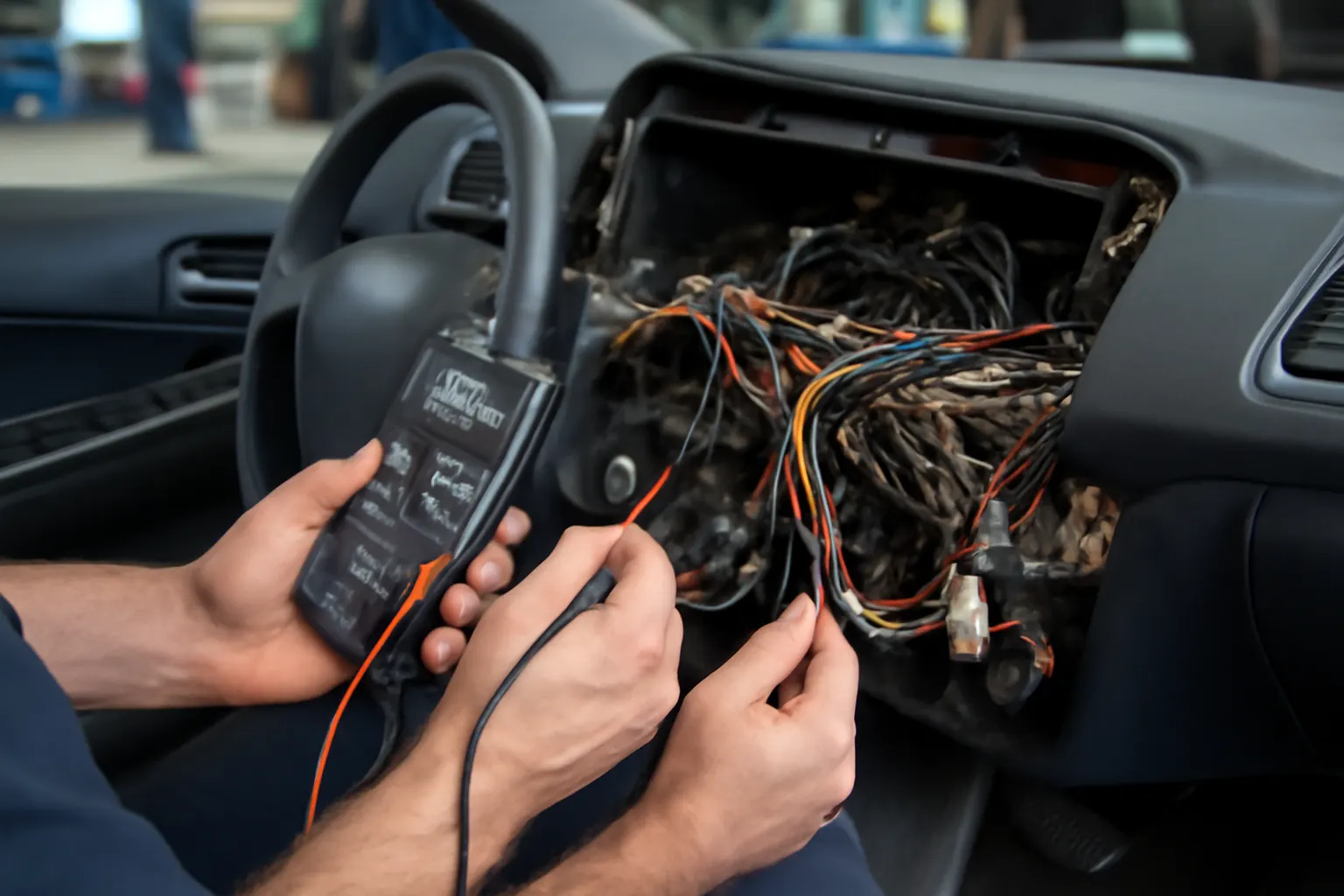
When to Replace Your Wiring Harness (Dash)
The dash wiring harness is the central nervous system of your vehicle’s dashboard, connecting critical electrical systems and safety features. Knowing when to replace your dash wiring harness is essential to avoid costly electrical failures, maintain vehicle safety, and ensure modern electronics perform as designed. This guide from the AutoPartEx Technical Editorial Team will show you the clear warning signs, hidden dangers, and best practices for dash harness replacement—arming you with the expertise to make the right call for your vehicle.
If you need a broader overview of dash harness fitment, diagnostics, or OEM-grade replacements, visit our Wiring Harness (Dash): Diagnostics, Fitment & OEM-Grade Replacements category page for in-depth resources.
Immediate Answer: Key Signs It’s Time to Replace Your Dash Wiring Harness
A failing dash wiring harness can quickly escalate from minor electrical glitches to major safety and drivability issues. Here are the most common and urgent signs you should watch for:
- Intermittent or Non-Functioning Dash Electronics: Flickering gauges, dead instrument clusters, or malfunctioning infotainment systems.
- Persistent Electrical Fault Codes: Recurrent diagnostic trouble codes (DTCs) related to dash or body control modules, even after resetting.
- Burning Smells or Visible Harness Damage: Any sign of melted insulation, exposed wires, or a burning odor from behind the dash.
- Unexplained Battery Drain: Rapid battery discharge or alternator overload not linked to obvious causes.
- Malfunctioning Safety Systems: Airbag, ABS, or other dashboard-integrated safety features failing to operate correctly.
- Repeated Fuse Blows in Dash Circuits: Fuses for dash, HVAC, or accessory systems blowing with no clear cause.
If you experience any of these issues—especially in combination—it’s time to seriously consider dash harness replacement. Ignoring these symptoms can lead to vehicle immobilization, loss of critical safety features, or even electrical fires.
The Hidden Problem: Why Dash Harness Issues Are Often Overlooked
Many vehicle owners and even some technicians underestimate the complexity and vulnerability of the dash wiring harness. Unlike external wiring, the dash harness is concealed behind panels, insulation, and the dashboard itself. This hidden location can mask early warning signs until problems have already escalated.
Common reasons dash harness problems go undetected:
- Intermittent Symptoms: Small breaks or corroded connectors can cause random failures that are hard to replicate during diagnostics.
- Misdiagnosed Components: Faulty sensors, switches, or modules are often replaced before the underlying harness fault is identified.
- Lack of Visual Access: Most of the harness is not visible without significant dash disassembly, making routine inspection difficult.
- Aged or Modified Wiring: Older vehicles or those with aftermarket electronics (remote start, alarms, audio upgrades) are especially prone to hidden harness damage.
Because these issues are not always obvious, a proactive approach to dash harness diagnostics and replacement is essential for long-term reliability and safety.
Expanding the Problem: What Happens When a Dash Harness Fails
A compromised dash wiring harness can have cascading effects on your vehicle’s operation, safety, and even legal compliance. Here’s a deeper look at the downstream risks:
1. Loss of Critical Systems
The dash harness connects systems such as airbags, anti-lock brakes, climate controls, and infotainment. A single broken wire or short can disable multiple features simultaneously, leaving you without vital safety or comfort functions.
2. Safety Hazards
According to the National Highway Traffic Safety Administration, electrical failures are a leading cause of vehicle recalls and safety investigations. A damaged dash harness increases the risk of airbag non-deployment, loss of lighting, or even fire.
3. Diagnostic Headaches
Modern vehicles rely on precise communication between modules via the dash harness. Faulty wiring can trigger a cascade of false error codes, stymieing even experienced technicians and leading to expensive, unnecessary part replacements.
4. Fuel Efficiency and Drivability
The dash harness also routes signals for powertrain management and emissions systems. Unreliable connections can cause poor engine performance, increased emissions, and reduced fuel efficiency, as noted by the U.S. Department of Energy.
5. Resale and Inspection Failures
A vehicle with persistent dash warning lights or malfunctioning safety features may fail safety inspections or lose resale value. Some states require functional warning lights and safety systems for registration renewal.
Technical Explanation: How Dash Harnesses Age and Fail
Understanding the root causes of dash harness failure can help you predict problems before they become critical.
Common Causes of Dash Harness Failure
- Heat Cycles: Constant expansion and contraction behind the dash lead to insulation breakdown and brittle wires.
- Moisture Intrusion: Leaks from the windshield, HVAC system, or cowl can introduce water, leading to corrosion and short circuits.
- Vibration and Chafing: Years of road vibration and movement can wear through harness insulation, exposing wires to shorting.
- Rodent Damage: Mice and other rodents are notorious for chewing on insulated wiring, especially in vehicles parked outdoors or near fields.
- DIY or Aftermarket Modifications: Poorly installed accessories can overload circuits or damage factory wiring integrity.
- Connector Fatigue: Repeated connection and disconnection of dash components can loosen terminals and cause intermittent contact.
Failure Modes
- Open Circuits: Broken wires or loose terminals stop current flow, disabling connected systems.
- Short Circuits: Exposed wires touch each other or grounded metal, blowing fuses or causing fires.
- High Resistance: Corroded connections can cause voltage drops, leading to weak or erratic device operation.
Service Life Expectancy
While dash harnesses are designed to last the vehicle’s lifetime, harsh environments or poor-quality materials can reduce lifespan to 10–15 years, especially in older or high-mileage vehicles. Vehicles exposed to severe heat, humidity, or extensive aftermarket modifications are at higher risk.
Diagnostic Checklist: Is Your Dash Wiring Harness Failing?
Before committing to a full replacement, use this step-by-step checklist to diagnose dash harness health:
| Symptom | Possible Dash Harness Cause | Diagnostic Step |
|---|---|---|
| Flickering or dead dash lights | Broken wire, loose ground, short circuit | Inspect fuses, grounds, harness |
| Intermittent gauge function | Corroded connector, high resistance | Scan for DTCs, test continuity |
| Repeated fuse blows | Shorted wire, insulation failure | Visual inspection, amp draw test |
| No start or immobilizer issues | Open circuit to ignition or security | Check harness continuity |
| Burning smell or melted insulation | Overcurrent, short to ground | Immediate harness inspection |
| Airbag or ABS warning lights | Broken signal or ground wire | Scan for codes, wiggle test wires |
| Unexplained battery drain | Parasitic draw from shorted harness | Parasitic draw test, thermal scan |
If two or more symptoms from the left column are present and linked to the dash harness, replacement is strongly recommended.
What to Expect During Dash Harness Replacement
Replacing a dash wiring harness is a complex, labor-intensive process. Here’s what’s typically involved:
1. Extensive Disassembly
- Dash Removal: The dashboard, lower panels, and center console must be removed for full harness access.
- Airbag and Module Removal: Airbags, HVAC controls, and infotainment modules are disconnected and removed.
- Labeling and Documentation: Each connector and mounting point should be labeled to ensure correct reassembly.
2. Harness Extraction
- Release of Clips and Fasteners: The harness is secured with multiple clips, ties, and fasteners that must be carefully released to avoid damaging surrounding components.
- Routing Through Tight Spaces: The harness often weaves through metal brackets, ducts, and insulation, requiring patience and dexterity.
3. Installation of New Harness
- Fitment Verification: OEM or OEM-grade replacement harnesses are checked for exact length, connector type, and mounting points.
- Plug-and-Play vs. Pinning: Some connectors may require repinning or adaptation if the harness design has changed.
- Securing and Protection: New harness is clipped and routed to avoid sharp edges, heat sources, and moving parts.
4. System Testing
- Pre-Power Checks: All connections are double-checked before reconnecting the battery.
- Functional Testing: Each dash system (gauges, HVAC, infotainment, safety systems) is tested for proper operation.
- Diagnostic Scan: Full OBD-II scan is performed to confirm all modules communicate and no new DTCs are present.
Choosing the Right Replacement Dash Harness
Not all replacement harnesses are created equal. For safety and reliability, always source a harness that meets or exceeds OEM specifications.
Key Sourcing Tips
- OEM vs. Aftermarket: OEM harnesses guarantee fitment and material quality but can be costly. High-quality aftermarket harnesses can provide excellent value if they follow SAE Standards and use correct connectors and wire gauges.
- Vehicle-Specific Fitment: Harnesses are often specific to model year, trim, and even option packages. Use your VIN and compare connector types before purchase.
- Material Quality: Look for harnesses using high-temp, automotive-grade insulation and corrosion-resistant terminals, as recommended by the U.S. Department of Energy.
- Supplier Reputation: Buy from reputable suppliers with clear return and support policies.
For a step-by-step buying and installation walkthrough, see our Complete Dash Harness Replacement Guide.
Preventing Future Dash Harness Failures
Proper maintenance and installation practices can dramatically extend the lifespan of your new dash harness:
Preventive Measures
- Seal Leaks Promptly: Address windshield, cowl, or HVAC leaks to prevent moisture intrusion behind the dash.
- Use Grommets and Looms: Ensure all harness pass-throughs use grommets and that wires are wrapped in protective loom to guard against chafing.
- Avoid Overloading Circuits: Refrain from adding high-power accessories to dash circuits without proper relays and fuses.
- Rodent Deterrents: Use rodent repellent sprays or physical barriers if your vehicle is stored in vulnerable areas.
- Regular Diagnostic Scans: Periodically scan for fault codes and monitor battery drain to catch problems early.
Installation Best Practices
- Follow Torque Specs: Over-tightening ground or module fasteners can crack terminals or strip threads.
- Secure All Clips and Mounts: Loose harnesses are more prone to vibration damage.
- Document Modifications: Keep records of any wiring changes for future troubleshooting.
The Role of Dash Harnesses in Modern Vehicle Safety
Modern vehicles depend on the dash harness for mission-critical safety functions. According to the NHTSA, the integrity of electrical connections is a key factor in airbag deployment, anti-lock brake operation, and compliance with federal safety standards.
Key Safety Systems Relying on Dash Harness Integrity:
- Airbag Control Modules
- ABS/ESC Warning Lights
- Seatbelt Pretensioners
- Crash Data Recorders
- Steering Wheel Controls
A compromised harness can not only disable these systems but also prevent them from alerting the driver to faults—creating a silent safety risk. This is why dash harness replacement is not just a repair, but a critical safety upgrade.
How Dash Harness Condition Affects Fuel Efficiency and Performance
While the dash harness may seem unrelated to performance, it plays a direct role in vehicle efficiency and emissions. The U.S. Department of Energy notes that modern powertrain and emissions controls rely on accurate sensor data routed through the dash harness.
Dash Harness Impact Areas:
- Engine Management: Throttle position, coolant temp, and other critical signals often run through dash harness circuits.
- Transmission Controls: Modern automatics use dash harness wiring for shifter position and module communication.
- Emission Systems: OBD-II diagnostic lines and evaporative emissions controls may be routed through the dash area.
A failing harness can cause erratic engine operation, poor shifting, or failed emissions tests—directly impacting your vehicle’s efficiency and legal compliance.
Cost Factors: What Influences the Price of Dash Harness Replacement?
Dash harness replacement is one of the more labor-intensive electrical repairs. Costs can vary widely based on several factors:
| Factor | How It Affects Cost |
|---|---|
| Vehicle Make/Model | Luxury and imported vehicles often cost more |
| Harness Complexity | More circuits, connectors, or integrated modules |
| OEM vs. Aftermarket | OEM harnesses are pricier but guarantee fit |
| Labor Time | Dash removal/reinstallation can take 6–12 hours |
| Additional Repairs | Damaged connectors, modules, or interior trim |
Typical Cost Range: $400–$1,500+ (parts and labor). DIYers can save on labor, but must be prepared for a multi-day project.
DIY vs. Professional Dash Harness Replacement
While technically skilled DIYers can tackle dash harness replacement, most vehicle owners will benefit from professional installation. Here’s how to decide:
DIY Replacement
Pros:
- Save on labor costs
- Learn more about your vehicle
Cons:
- Requires advanced electrical and mechanical skills
- High risk of damaging interior panels or connectors
- Time-consuming—often a full weekend or more
Professional Replacement
Pros:
- Faster turnaround
- Proper diagnostic tools and techniques
- Warranty on workmanship
Cons:
- Higher upfront cost
If you choose the DIY route, consult our Mastering Dash Electrical Connections guide for best practices on connector handling and pinning.
AutoPartEx: Your Source for Dash Harness Expertise
AutoPartEx is the industry’s trusted resource for OEM-grade and performance wiring harnesses, installation guides, and fitment diagnostics. Our wiring harness main category offers a curated selection of dash, engine, and body harnesses for all major makes and models.
Why choose AutoPartEx?
- Expert-verified fitment: Every harness is cross-referenced by VIN and model year.
- OEM-grade quality: We partner with top-tier suppliers who meet or exceed federal safety and materials standards.
- Comprehensive guides: From diagnosing hidden electrical faults in dash harnesses to complete replacement walkthroughs, we support every step of your repair.
If you’re facing persistent dash electrical issues or planning a harness upgrade, reach out to our technical team for personalized advice and sourcing support.
Expert Action: Don’t Wait for Complete Failure
Ignoring dash wiring harness issues can lead to sudden breakdowns, failed safety inspections, or even electrical fires. If you notice multiple warning signs—especially those involving critical safety or drivability systems—schedule a diagnostic inspection or harness replacement now.
Take these next steps:
- Run the diagnostic checklist above.
- Confirm symptoms with a professional scan tool.
- Source a vehicle-specific, OEM-grade replacement harness.
- Follow best practices for installation and post-repair testing.
For in-depth fitment data, step-by-step replacement guides, and the best selection of dash harnesses, visit our Wiring Harness (Dash): Diagnostics, Fitment & OEM-Grade Replacements page today.