Advertisement
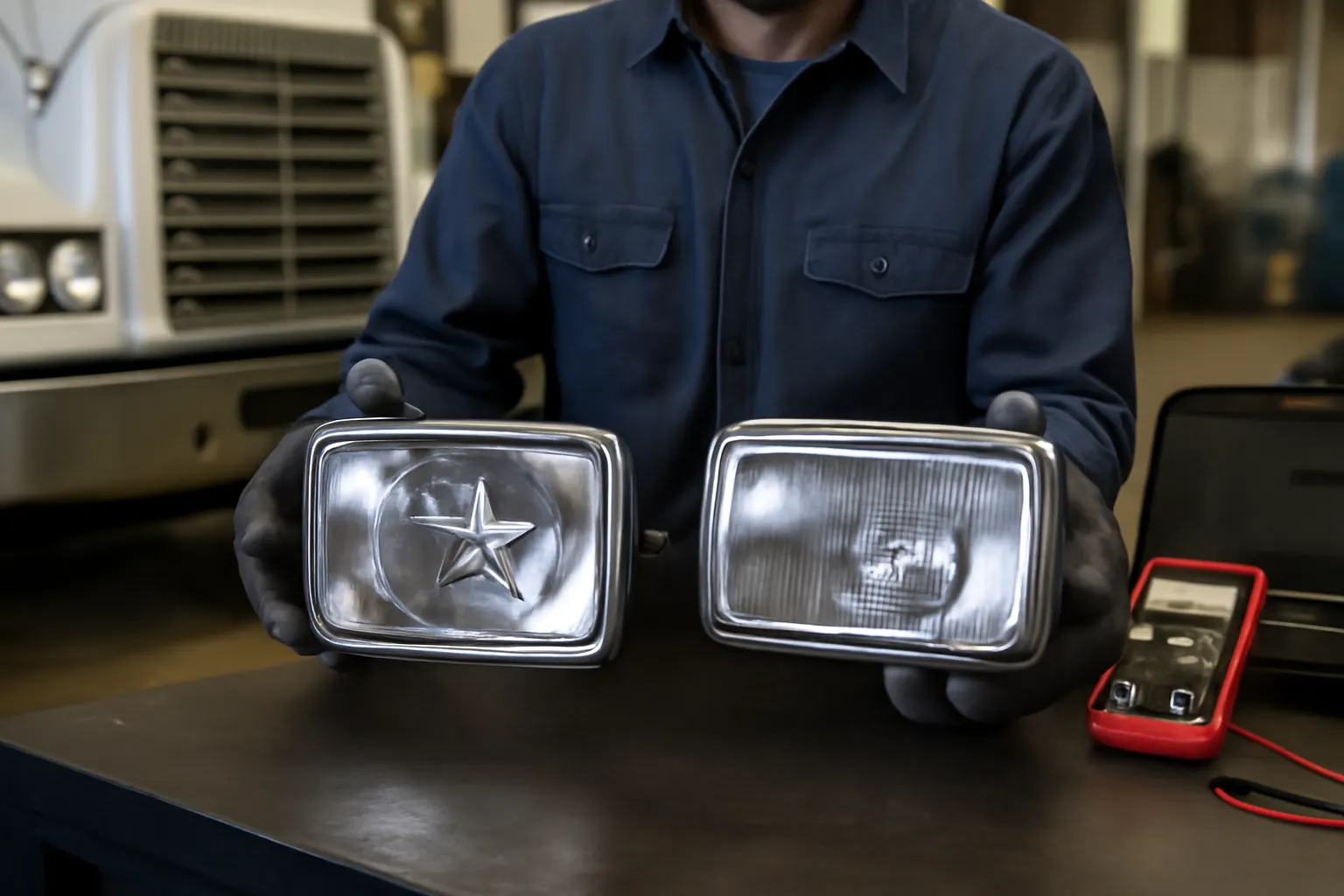
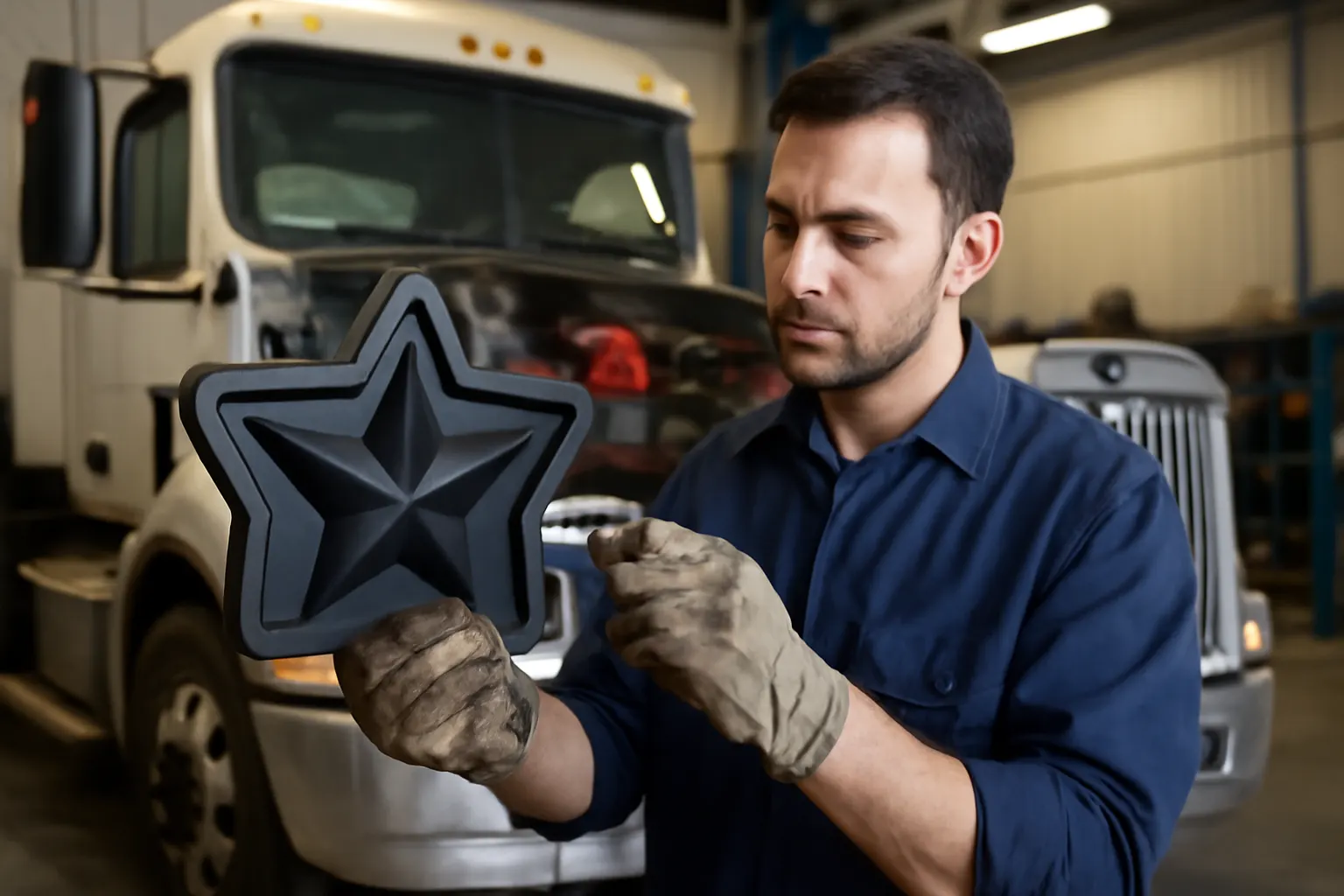
When it comes to maintaining, repairing, or upgrading your Western Star truck, the decision between OEM (Original Equipment Manufacturer) and aftermarket parts is pivotal. OEM parts deliver guaranteed fitment and engineering that matches the truck’s original design, while aftermarket options often promise cost savings and greater availability—but at what price to long-term reliability, safety, and performance? This comprehensive guide from AutoPartEx explores the real-world differences, hidden pitfalls, and technical considerations in choosing between OEM and aftermarket parts for Western Star trucks, giving you the practical knowledge to keep your fleet running at peak efficiency.
For a more detailed breakdown of Western Star truck parts and manufacturer-backed fitment, see our Western Star Truck Parts: OEM Engineering, Reliability, and Fitment | AutoPartEx page.
The Immediate Answer: Which Should You Choose?
For Western Star trucks, OEM parts are the clear choice when reliability, fitment, and safety are non-negotiable. These components are engineered and tested to the original manufacturer’s specifications, ensuring seamless integration with your truck’s systems. Aftermarket parts, while often less expensive and widely available, can vary significantly in quality and may introduce risks related to compatibility, durability, and even regulatory compliance.
However, the optimal choice depends on your operational priorities, vehicle usage, and maintenance budget. For mission-critical applications—long-haul, heavy-duty, or regulatory-sensitive fleets—OEM is almost always recommended. For less critical repairs or older vehicles, high-quality aftermarket parts from reputable suppliers can provide value if sourced and installed carefully.
The Hidden Problem: Unseen Risks with Aftermarket Parts
The aftermarket industry for heavy-duty trucks is vast and varied. While some aftermarket parts are engineered to high standards, others may cut corners on materials, tolerances, or testing. The most common hidden problems include:
- Fitment issues that lead to premature wear or system malfunctions.
- Material inconsistencies that can affect performance or longevity.
- Safety risks due to noncompliance with federal regulations or lack of certification.
- Incompatibility with advanced vehicle systems such as ABS, emissions controls, or telematics.
For Western Star trucks, which often operate under extreme loads and conditions, these risks can translate to costly downtime, compromised safety, or even regulatory violations.
Understanding OEM Parts: Engineering, Testing, and Fitment
What Makes OEM Parts Unique?
OEM parts are designed and manufactured by the same company (or approved suppliers) that built your Western Star truck. This means:
- Guaranteed fitment: Each part matches the original design, ensuring seamless integration.
- Engineering validation: OEM components undergo rigorous durability, safety, and performance testing, often exceeding minimum regulatory requirements.
- Regulatory compliance: OEM parts are certified to meet or exceed all relevant FMVSS (Federal Motor Vehicle Safety Standards) and SAE (Society of Automotive Engineers) standards.
The result is predictable, reliable performance—especially critical for commercial vehicles where failure is not an option.
OEM Parts and Materials Technology
The United States Department of Energy has highlighted the importance of advanced materials in improving vehicle performance and durability [^1]. OEM parts for Western Star trucks are often built with proprietary alloys, coatings, or composites that are not always replicated in aftermarket versions. These materials contribute to:
- Lower weight without sacrificing strength, improving fuel efficiency.
- Enhanced corrosion resistance for longer service life.
- Optimized thermal properties for components exposed to extreme temperatures.
Aftermarket Parts: Value, Variety, and Variability
The Appeal of Aftermarket Parts
Aftermarket parts are produced by third-party manufacturers and are typically less expensive than their OEM counterparts. Benefits include:
- Lower upfront costs—sometimes 30% to 50% less than OEM.
- Wider availability, especially for older or out-of-production models.
- Expanded options for performance upgrades or customization.
The Variability Factor
However, the aftermarket is not monolithic. Quality can range from OEM-equivalent to substandard, depending on the manufacturer’s engineering, materials, and quality control. Unlike OEM parts, which are validated by the vehicle manufacturer, aftermarket parts may not undergo the same level of testing or certification, increasing the risk of fitment or performance issues.
Advertisement
Real-World Performance: Fuel Efficiency, Durability, and Safety
Fuel Efficiency Impacts
The United States Department of Energy emphasizes that even small changes in component weight, material, or design can affect overall fuel efficiency in commercial vehicles [^2]. Incorrectly engineered aftermarket parts—such as aerodynamic panels, drivetrain components, or engine parts—can:
- Increase aerodynamic drag
- Add unnecessary weight
- Impair engine or transmission efficiency
These factors can erode the fuel savings that Western Star trucks are known for, directly impacting your bottom line.
Durability and Longevity
OEM parts are engineered for the long haul, often exceeding the truck’s expected service life. Aftermarket parts may not always match this durability, leading to:
- Shorter replacement intervals
- Higher total cost of ownership due to increased downtime and labor
- Potential for cascading failures if a non-OEM part causes additional wear on adjacent systems
Safety Considerations
Safety is paramount for commercial vehicles. The National Highway Traffic Safety Administration (NHTSA) warns that noncompliant or improperly installed parts can compromise vehicle safety systems [^3]. This includes:
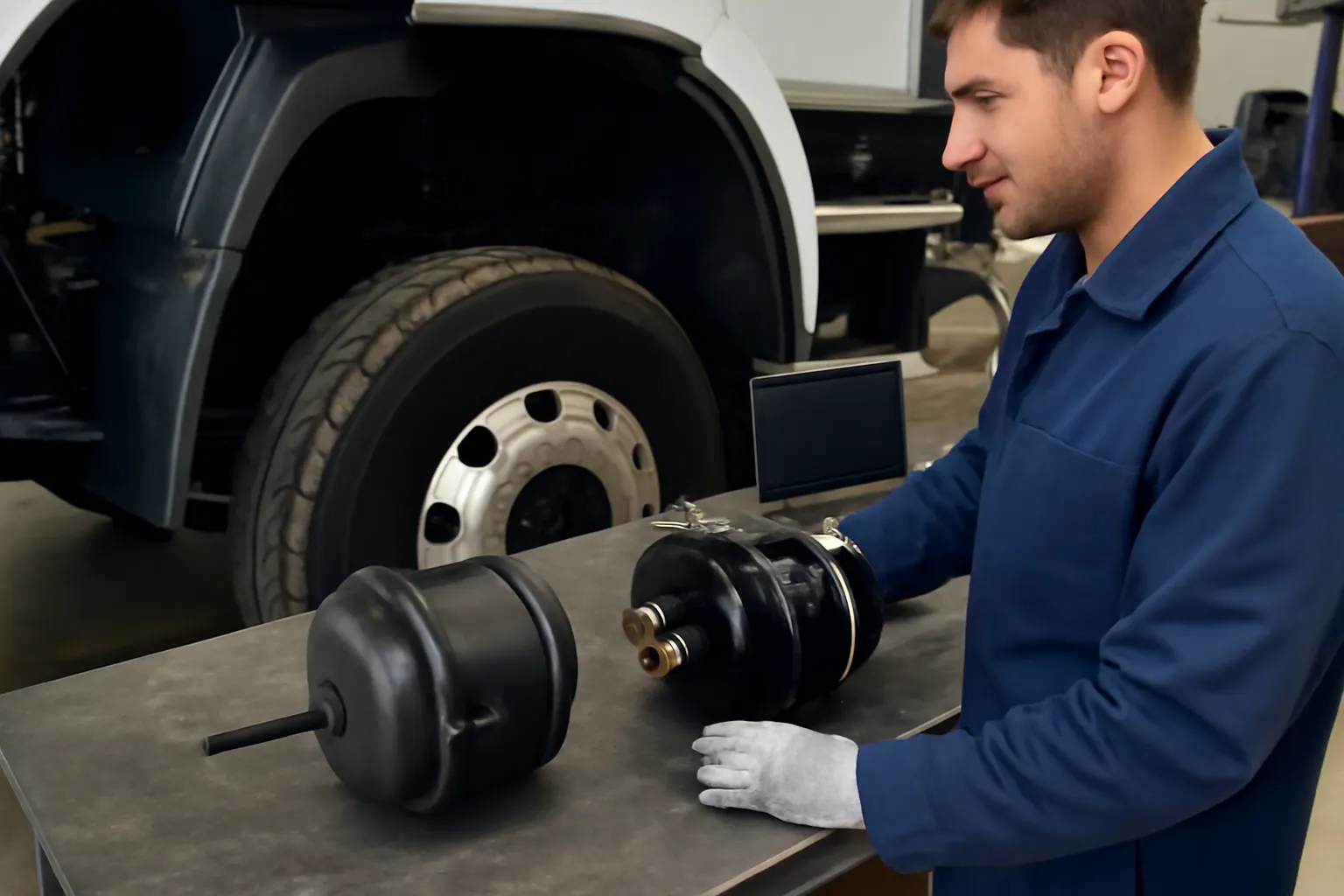
- Braking components
- Steering and suspension parts
- Lighting and visibility equipment
OEM parts are guaranteed to meet all safety regulations, while aftermarket parts may not always be tested or certified to the same standards.
Regulatory Compliance and Certification
FMVSS and SAE Standards
OEM parts are designed to comply with all relevant federal and industry standards, including:
- FMVSS (Federal Motor Vehicle Safety Standards)
- SAE (Society of Automotive Engineers) standards for materials, performance, and installation
Aftermarket parts must also comply with these standards, but enforcement and testing can be inconsistent. Noncompliant parts can lead to failed inspections, citations, or even liability in the event of an accident.
NHTSA Recalls and Safety Notifications
The NHTSA maintains a database of parts recalls, including both OEM and aftermarket components. Using noncompliant or recalled aftermarket parts can expose your fleet to legal and operational risks. Always verify part numbers and check for recall notices before installation.
Fitment and Compatibility: Why It Matters
The Challenge of Precise Fitment
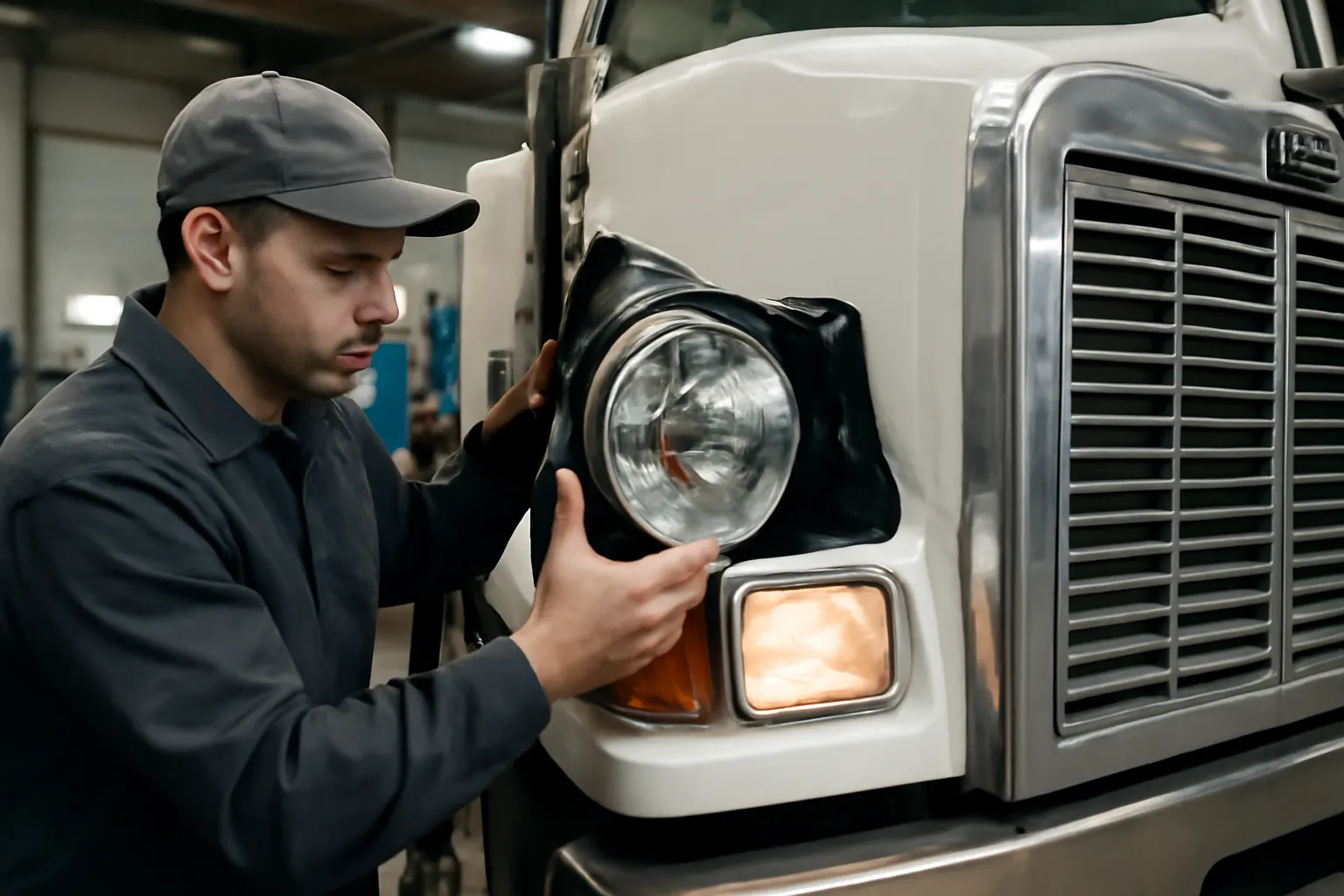
Western Star trucks incorporate complex assemblies and tight engineering tolerances. Even minor deviations in aftermarket part dimensions or mounting points can result in:
- Difficult or impossible installation
- Leaks, vibration, or noise
- Premature wear of mating components
Advanced Systems Integration
Modern Western Star trucks feature advanced systems—ABS, electronic stability control, emissions monitoring, and telematics—that rely on precise sensor and actuator inputs. Aftermarket parts not engineered for these systems can cause:
- Diagnostic trouble codes (DTCs)
- Reduced system functionality
- Warranty disputes or denied claims
For a detailed breakdown of fitment best practices, see the Western Star Parts Fitment & Compatibility Guide.
Cost Analysis: Upfront Savings vs. Total Cost of Ownership
Upfront Cost Comparison
- OEM parts: Higher initial cost, but proven longevity and reliability.
- Aftermarket parts: Lower upfront cost, but potential for increased replacement frequency.
Total Cost of Ownership (TCO)
When evaluating TCO, consider:
- Labor costs for repeat repairs
- Downtime and lost revenue
- Potential for collateral damage to other systems
- Insurance or regulatory penalties for noncompliance
In many cases, the apparent savings of aftermarket parts are quickly offset by increased maintenance and operational risks.
Diagnostic and Sourcing Checklist: Choosing the Right Part
Before purchasing any replacement part for your Western Star truck, use this diagnostic and sourcing checklist:
1. Identify the Part’s Criticality
- Is this a safety or mission-critical component?
- Does it interface with advanced vehicle systems?
2. Verify Part Numbers
- Use the VIN and OEM diagrams to confirm the correct part number.
- Cross-reference with reputable catalogs.
3. Check Certification and Compliance
- Does the part meet FMVSS and SAE standards?
- Is it listed in the NHTSA equipment database?
Advertisement
4. Assess Supplier Reputation
- Purchase from authorized dealers or well-reviewed aftermarket suppliers.
- Avoid parts with unclear provenance or suspiciously low prices.
5. Inspect Packaging and Markings
- Genuine OEM parts should have manufacturer logos, serial numbers, and tamper-evident packaging.
- Be wary of counterfeit parts—see our Counterfeit Western Star Parts: Risks and Red Flags.
6. Confirm Return and Warranty Policies
- OEM parts typically offer robust warranties.
- Aftermarket warranties can vary; read the fine print.
Installation and Maintenance: Best Practices
Installation Tips
- Follow OEM service manuals for torque specs, procedures, and sequences.
- Use proper tools to avoid damaging sensitive components.
- Double-check fitment before final assembly, especially with aftermarket parts.
Maintenance Considerations
- Monitor for early signs of wear after installing aftermarket components.
- Record all part numbers and installation dates for future reference and warranty claims.
- Schedule more frequent inspections if using non-OEM parts in critical systems.
For scheduled service benchmarks, consult the Western Star Service Intervals & Maintenance Checklist.
Case Study: Braking System Replacement
A fleet operator faced a choice between OEM and aftermarket brake pads for a group of Western Star 4900 trucks. The aftermarket pads offered a 40% cost savings per axle set. After installation, however, drivers reported increased stopping distances and uneven wear. Inspections revealed the friction material composition differed from OEM specifications, resulting in premature rotor wear and higher maintenance costs. The operator ultimately reverted to OEM pads, restoring braking performance and reducing downtime.
Lesson: For critical safety systems, the cost of aftermarket parts may be far greater than the initial savings.
Avoiding Counterfeit Parts: A Growing Threat
Counterfeit parts—often disguised as OEM or “premium” aftermarket—pose severe risks to safety and reliability. Warning signs include:
- Misspelled brand names or packaging errors
- Missing serial numbers or certification marks
- Unusually low prices from unauthorized sellers
For a detailed guide on spotting and avoiding fake parts, read Counterfeit Western Star Parts: Risks and Red Flags.
When Aftermarket Makes Sense
While OEM is the gold standard, high-quality aftermarket parts can be appropriate in certain scenarios:
- Non-critical systems (interior trim, mirrors, non-structural body panels)
- Older trucks where OEM parts are no longer available
- Performance upgrades from reputable aftermarket brands
Always verify compatibility and certification, and prioritize parts from established manufacturers with proven track records.
The Role of AutoPartEx: Your Trusted Western Star Parts Partner
AutoPartEx specializes in sourcing both OEM and high-quality aftermarket parts for Western Star trucks. Our catalog is curated for reliability, compliance, and fitment accuracy. We provide:
- VIN-based part lookup to eliminate compatibility guesswork
- Direct access to OEM diagrams and service bulletins
- Expert support for installation and maintenance questions
For a comprehensive selection of genuine and vetted replacement parts, visit our Western Star OEM Parts Category or explore the full Western Star Truck Parts: OEM Engineering, Reliability, and Fitment | AutoPartEx section.
Expert Action: How to Decide for Your Fleet
- Prioritize safety and compliance. Use OEM parts for all critical systems—brakes, steering, suspension, and advanced electronics.
- Research aftermarket sources. Only consider aftermarket parts from suppliers with a documented history of quality and compliance.
- Leverage diagnostic tools. Use VIN-based lookup and cross-reference with OEM diagrams to ensure correct fitment.
- Monitor performance. After installation, track wear rates, diagnostic codes, and driver feedback to catch issues early.
- Partner with a trusted supplier. Work with AutoPartEx to streamline sourcing, ensure regulatory compliance, and minimize downtime.
Conclusion
The choice between OEM and aftermarket parts for Western Star trucks is more than a question of price—it’s a decision that impacts safety, efficiency, and total cost of ownership. OEM parts offer unmatched fitment, reliability, and compliance, making them the default choice for mission-critical repairs and fleet maintenance. High-quality aftermarket parts can provide value in non-critical applications, but require careful vetting and ongoing monitoring. By following the diagnostic and sourcing best practices outlined above, and partnering with a trusted supplier like AutoPartEx, you can ensure your Western Star fleet remains safe, efficient, and road-ready for the long haul.
References
Advertisement