Advertisement
When it comes to keeping your Western Star truck safe, efficient, and reliable, nothing is more critical than using genuine parts. Counterfeit or substandard components threaten not only your investment but also the safety of your vehicle and everyone around it. In this comprehensive guide, you’ll learn how to spot authentic Western Star parts, avoid costly mistakes, and ensure your truck’s performance and longevity. For a complete breakdown of compatible OEM and aftermarket options, see our Western Star OEM & Aftermarket Truck Parts | Fitment, Quality, and Sourcing Guide.
The Immediate Answer: Key Ways to Identify Genuine Western Star Parts
Genuine Western Star parts are designed, tested, and manufactured to meet the highest standards of safety, fitment, and durability. Spotting authentic components requires attention to detail:
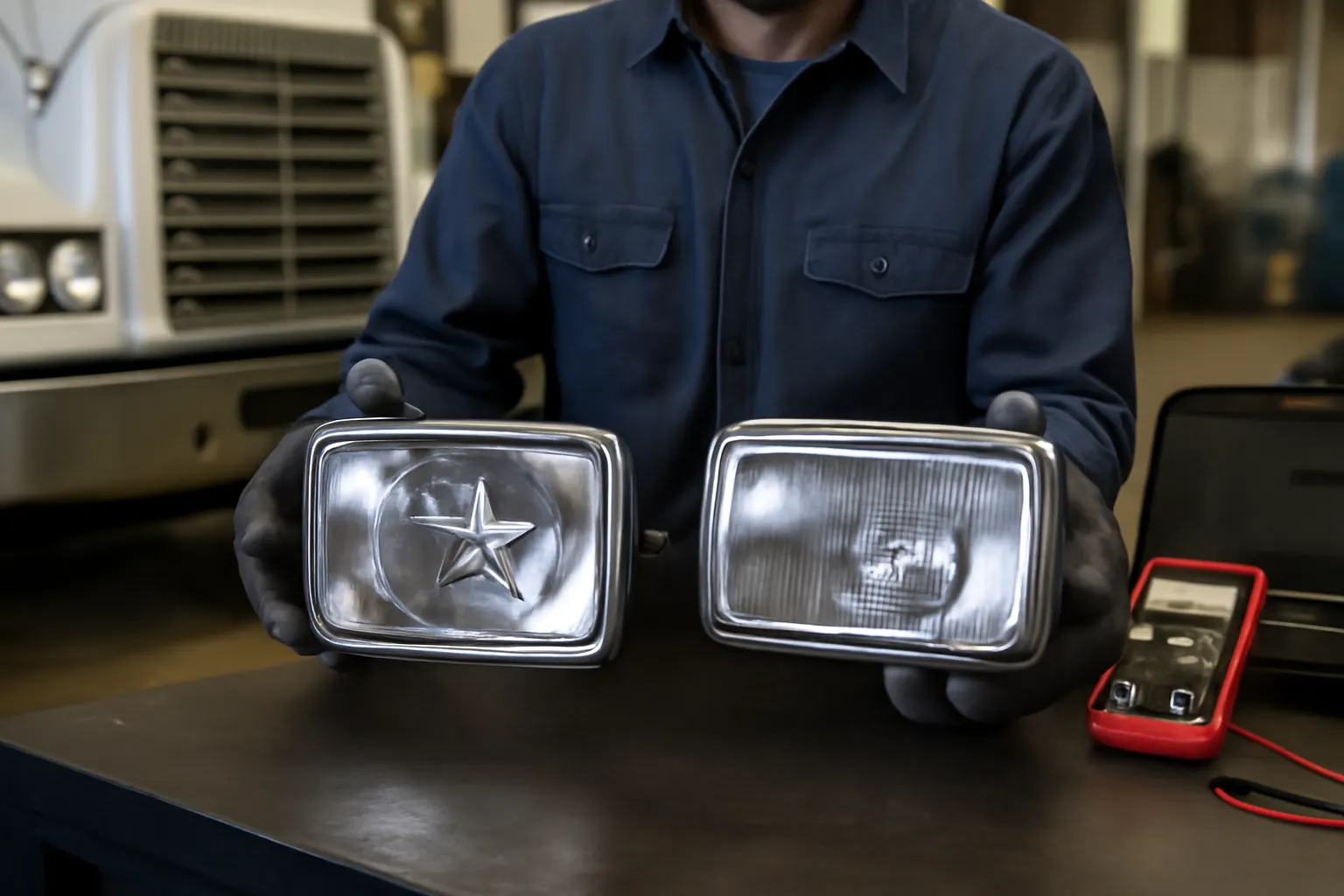
- Look for Western Star branding and part numbers: OEM parts will display clear, consistent logos, serial numbers, and part numbers directly on the component or packaging.
- Check for quality of materials and finish: Genuine parts have precise machining, uniform finishes, and robust materials.
- Purchase only from authorized dealers or trusted sources: Avoid online marketplaces or distributors that cannot verify the part’s origin.
- Request documentation: OEM parts are accompanied by certificates of authenticity, warranty information, and installation instructions.
These steps are crucial for ensuring your truck’s safety and performance. But the challenge runs deeper than just a visual inspection.
The Hidden Problem: The Prevalence and Risks of Counterfeit Parts
Counterfeit and substandard truck parts have flooded the global supply chain, creating a hidden threat to fleet operators and owner-operators alike. The National Highway Traffic Safety Administration (NHTSA) has documented a growing number of safety recalls and incidents linked directly to non-genuine or poorly manufactured parts [^1]. These parts often enter the market disguised as OEM, making them difficult to distinguish without careful scrutiny.
The risks of unknowingly installing counterfeit parts are substantial:
- Compromised safety: Counterfeit braking, steering, and suspension components may fail without warning.
- Reduced efficiency: Subpar parts can degrade fuel economy and overall performance, as noted by the Department of Energy [^2].
- Increased maintenance costs: Premature wear and improper fitment lead to frequent repairs and downtime.
- Potential for legal and insurance complications: Non-genuine parts may void manufacturer recommendations or insurance coverage.
Recognizing the depth of this issue is the first step toward protecting your vehicle and investment.
Why Authenticity Matters: Safety, Performance, and Longevity
Genuine Western Star parts are engineered for precise compatibility with your truck’s systems. They undergo rigorous testing to meet NHTSA and SAE International standards, ensuring they perform as intended under real-world conditions [^3].
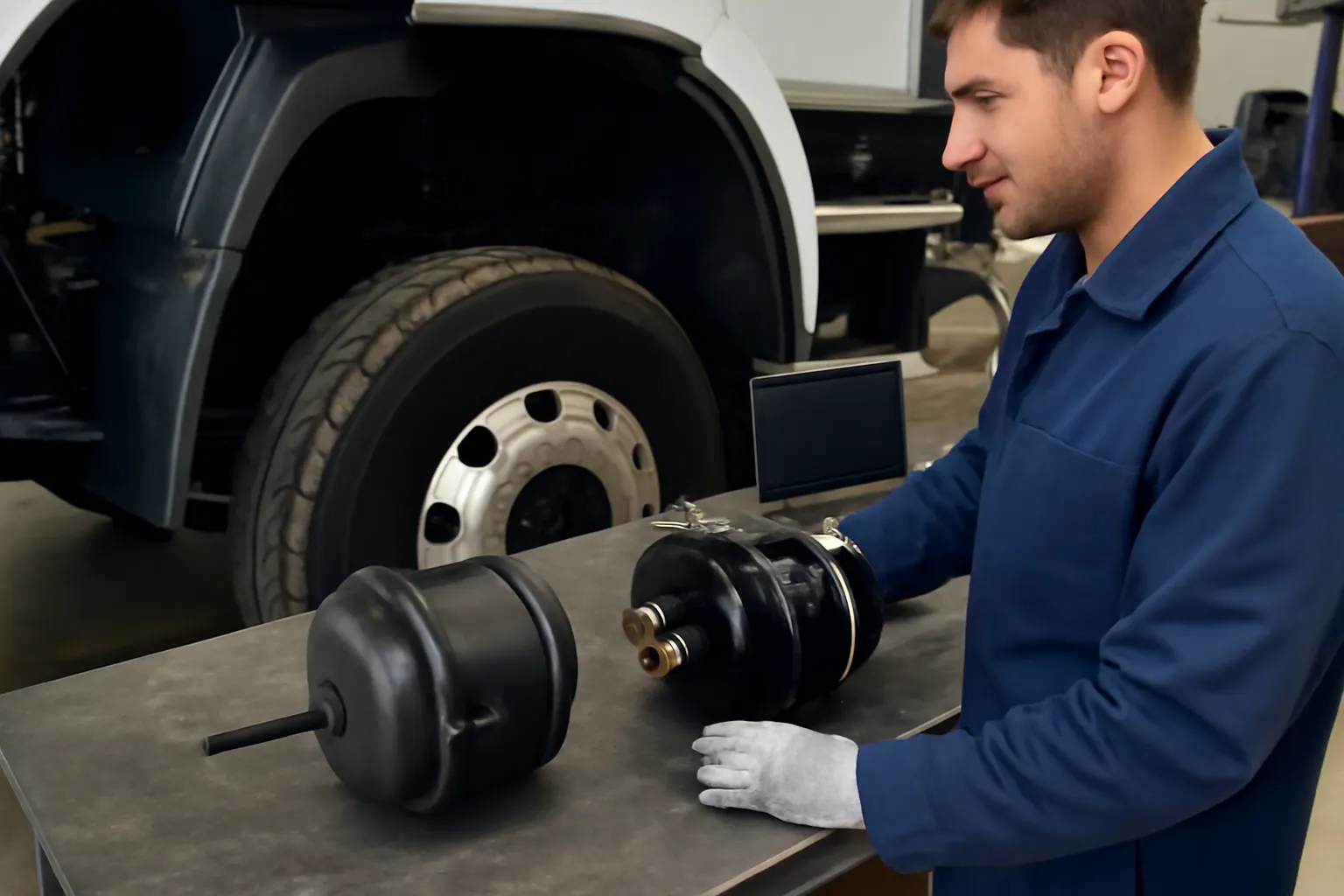
Safety is paramount. OEM parts are designed to withstand the stresses and loads of heavy-duty trucking, minimizing the risk of sudden failure. For example, a counterfeit brake chamber may look similar to an OEM unit, but internal components may lack proper reinforcement, leading to catastrophic failure.
Performance is also at stake. Engine, drivetrain, and electronic parts must communicate and function seamlessly. Non-genuine parts can cause engine misfires, sensor errors, and reduced fuel efficiency—issues confirmed by the Department of Energy’s research on vehicle technology [^2].
Longevity is another key factor. Genuine parts use advanced materials and coatings to resist corrosion, wear, and fatigue, extending the service life of your truck and reducing the total cost of ownership.
Anatomy of a Genuine Western Star Part: What to Look For
Understanding the specific markers of authenticity is essential. Here’s what distinguishes a true OEM Western Star part:
Advertisement
1. Manufacturer Branding and Labels
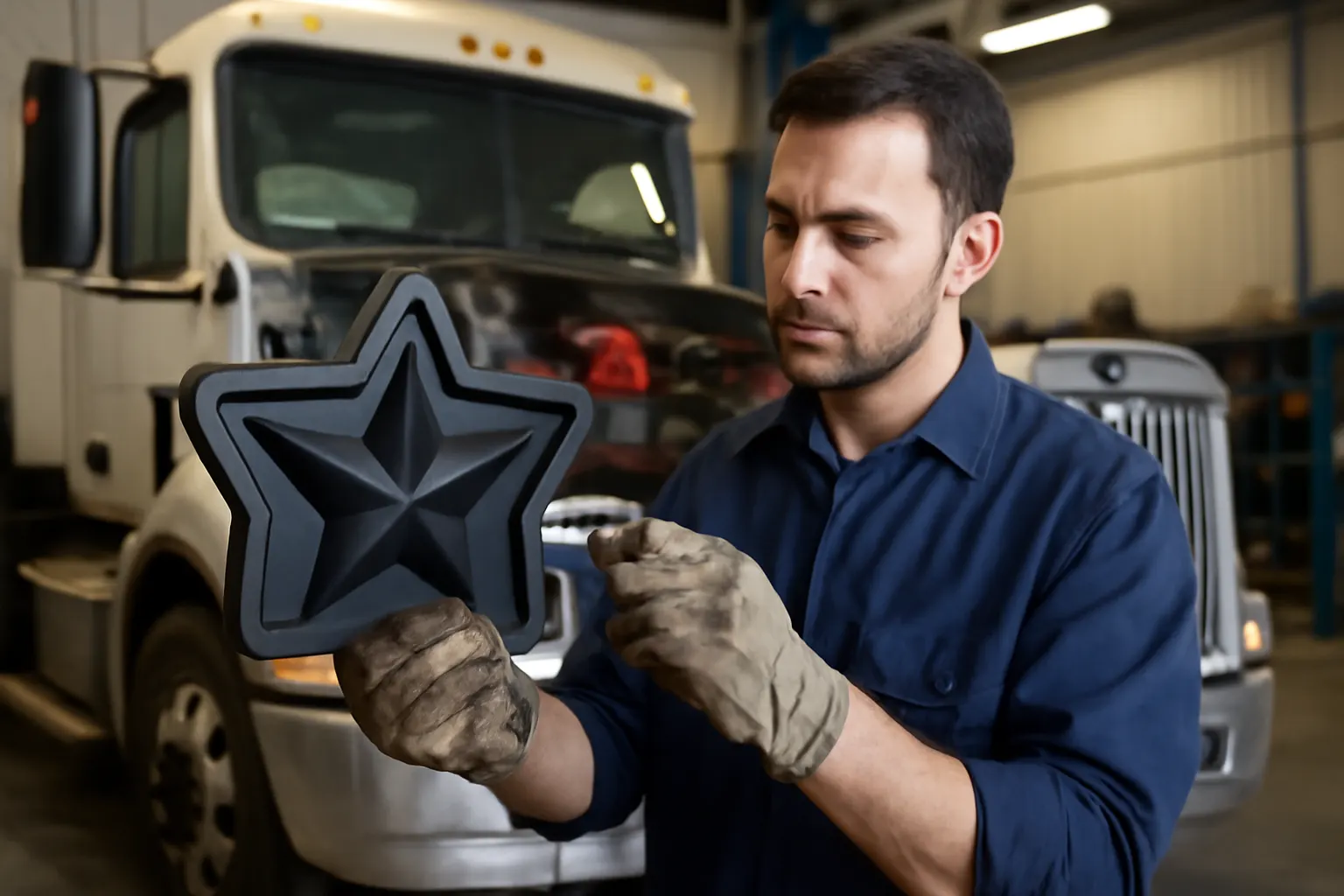
- Western Star Logo: Always present on the part or packaging, using the correct font, color, and placement.
- OEM Part Number: Each part has a unique identifier, often cross-referenced in the Western Star OEM Parts Catalog.
- Country of Origin: Stated clearly, matching known Western Star manufacturing facilities.
2. Packaging Quality
- High-quality printing: No blurry logos or spelling mistakes.
- Sealed packaging: Tamper-evident seals or holograms are common on critical components.
- Inclusion of documentation: Installation guides, warranty cards, and certificates of authenticity.
3. Physical Quality
- Material consistency: Metals and plastics feel robust, with no rough edges or uneven surfaces.
- Precision machining: Bolt holes align perfectly, threads are clean, and surfaces are uniform.
- Weight: Genuine parts often weigh more due to higher-grade materials.
Common Counterfeit Tactics and Red Flags
Counterfeiters have become increasingly sophisticated, but several warning signs can tip off a discerning buyer:
- Suspiciously low prices: If a deal seems too good to be true, it likely is.
- Lack of documentation: No warranty or installation instructions included.
- Generic packaging: Plain boxes or bags without Western Star branding.
- Incorrect or missing part numbers: Numbers that don’t match the official catalog.
- Seller’s reluctance to provide proof of origin: Reputable dealers will always verify authenticity.
Always cross-reference part numbers and details with official resources or the Western Star VIN Decoding & Parts Lookup tool.
Checklist: How to Authenticate a Western Star Part Before Purchase
Use this checklist before purchasing any Western Star component:
| Step | What to Check | Why it Matters |
|---|---|---|
| 1 | Verify official branding and part number | Ensures the part is listed in OEM catalogs |
| 2 | Inspect packaging for quality, seals, and documentation | Confirms the part is factory-sealed and authentic |
| 3 | Assess material quality and weight | Genuine parts use premium materials for safety and durability |
| 4 | Cross-reference with VIN and truck model | Guarantees correct fitment and compatibility |
| 5 | Buy only from authorized dealers or reputable distributors | Reduces risk of counterfeit or gray-market goods |
| 6 | Request and retain receipts, warranty, and installation instructions | Supports future claims and service validation |
Fitment and Compatibility: The Role of VIN Decoding
Proper part fitment is critical to safety and performance. Western Star’s robust VIN (Vehicle Identification Number) system encodes essential information about your truck’s year, model, engine, and configuration. Using the Western Star VIN Decoding & Parts Lookup tool, you can:
- Identify the exact part number required for your specific truck configuration.
- Avoid purchasing incorrect or incompatible components that could compromise safety or cause installation issues.
- Trace the part’s lineage to ensure it matches your truck’s build sheet and OEM specifications.
VIN-based lookup is especially crucial for complex systems such as emissions controls, electronic modules, and drivetrain components, where small variations can make a big difference.
Installation and Maintenance: The Value of OEM Documentation
A genuine Western Star part is only as good as its installation. OEM parts come with detailed instructions, torque specifications, and maintenance guidelines. These documents:
- Ensure correct installation: Preventing premature failure due to improper fitment or torque.
- Provide maintenance intervals and replacement guidelines: See the Western Star Maintenance Intervals & Service Guide for model-specific schedules.
- Help diagnose issues: Troubleshooting steps and diagrams are included in most OEM documentation.
Counterfeit or aftermarket parts often lack these critical resources, increasing the risk of installation errors and future breakdowns.
The Technical Perspective: Materials, Testing, and Compliance
Genuine Western Star parts are engineered to meet or exceed SAE International and NHTSA standards [^3]. This means:
Advertisement
- Advanced materials technology: Use of high-strength alloys, anti-corrosion coatings, and precision plastics for optimal performance and weight savings.
- Rigorous testing: OEM parts are subjected to stress, fatigue, and environmental testing to simulate years of real-world use.
- Compliance with safety regulations: All genuine parts are certified to comply with federal safety requirements, as documented by the NHTSA 1.
Non-genuine parts may cut corners on materials or skip essential testing, leading to unpredictable performance and potential safety hazards.
Sourcing Genuine Parts: Where and How to Buy
The safest way to ensure authenticity is to purchase directly from:
- Authorized Western Star dealerships: These locations have direct access to OEM parts and can verify authenticity.
- Reputable aftermarket distributors: Only choose those with a proven track record and who can provide documentation and support.
- Official online catalogs: Use the Western Star OEM Parts Catalog for up-to-date listings and specifications.
Avoid buying from online marketplaces, auction sites, or third-party vendors who cannot guarantee the part’s origin. Always ask for proof of authenticity and keep all purchase records.
Diagnosing Issues: When to Suspect a Non-Genuine Part
Even with careful sourcing, issues can arise. Common symptoms of counterfeit or subpar parts include:
- Unusual noises or vibrations after installation.
- Premature wear: Parts failing long before the recommended replacement interval.
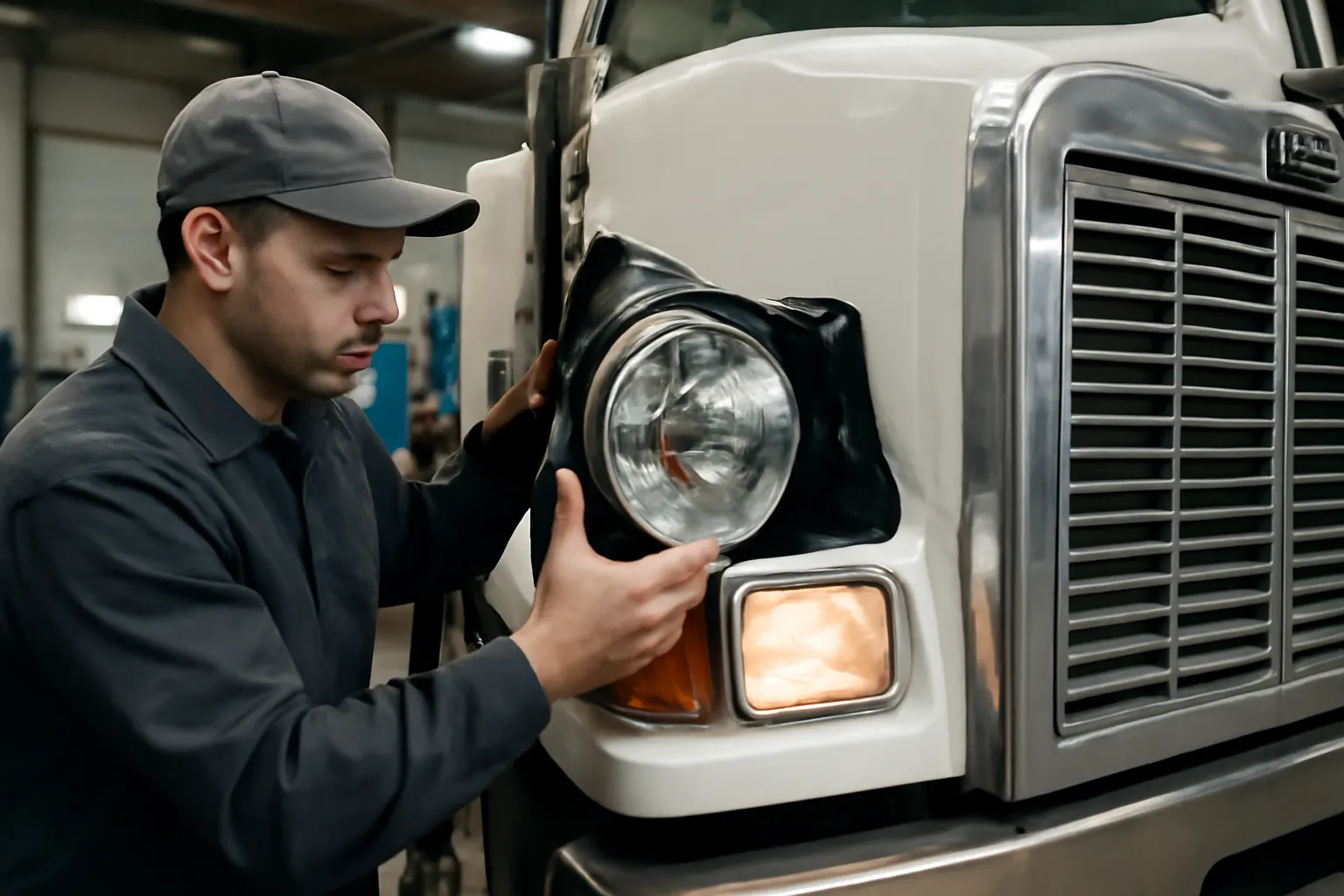
- Fitment issues: Difficulty in aligning or installing the part.
- Warning lights or fault codes: Especially with electronic or emissions-related components.
If you suspect a part is not genuine, compare it with an original component, consult the OEM documentation, and report the issue to your dealer or the NHTSA recall database 2.
The Hidden Cost: Long-Term Risks of Non-Genuine Parts
Short-term savings from aftermarket or counterfeit parts can quickly evaporate due to:
- Increased maintenance and repair costs: Frequent failures require repeated replacements.
- Reduced fuel efficiency: Poorly matched components can degrade performance, as documented by the Department of Energy 3.
- Potential for major breakdowns: Especially with critical systems like brakes, steering, or suspension.
- Resale value impact: Trucks with documented OEM parts and service history retain higher resale value.
The long-term cost of non-genuine parts far outweighs any initial savings.
Staying Ahead: Updates, Recalls, and Safety Bulletins
OEM parts are supported by ongoing manufacturer updates and NHTSA recall notices. Register your truck and parts purchases to receive:
- Safety recalls and technical bulletins: Stay informed of any issues affecting your truck or components.
- Software updates: For electronic modules and control systems.
- Improved parts: Manufacturers continually refine parts for better performance and reliability.
Check the NHTSA recall database regularly and work with your dealer to address any outstanding issues.
AutoPartEx: Your Partner in Genuine Western Star Parts
At AutoPartEx, we understand the importance of fitment, quality, and sourcing when it comes to Western Star trucks. Our platform connects you with verified OEM and top-tier aftermarket parts, backed by expert guidance and comprehensive resources. We provide:
- VIN-based lookup tools for precise fitment.
- Direct access to OEM catalogs and authorized distributors.
- Expert editorial resources on installation, maintenance, and upgrades, including the Western Star 4900 Series: Operator’s Upgrade Guide.
Trust AutoPartEx to help you keep your Western Star on the road—safely and reliably.
Next Steps: Take Action to Protect Your Truck
- Audit your current parts inventory: Replace any suspicious or undocumented components.
- Register for recall and safety updates: Use your VIN to stay informed.
- Purchase only from trusted sources: Leverage AutoPartEx and official Western Star channels.
By following these steps, you’ll ensure your truck’s safety, performance, and value for years to come.
References
- Vehicle Safety and Equipment – National Highway Traffic Safety Administration
- Fuel Efficiency – United States Department of Energy
- SAE Standards – SAE International
- Vehicle, Car Seat, Tire, and Equipment Recalls – National Highway Traffic Safety Administration
Footnotes
Advertisement