Advertisement
Are you looking to maximize the performance, reliability, and longevity of your Western Star 4900 Series truck? This comprehensive Operator’s Upgrade Guide delivers immediate, actionable recommendations for the most effective upgrades, strategic replacement parts, and solutions to common service issues. Whether you’re an owner-operator, fleet manager, or shop technician, this guide details how to enhance your 4900’s capability, safety, and efficiency—backed by authoritative resources and practical field experience.
For a broader look at Western Star fitment, OEM vs. aftermarket options, and sourcing strategies, visit the Western Star OEM & Aftermarket Truck Parts | Fitment, Quality, and Sourcing Guide.
Why Upgrade Your Western Star 4900?
The Western Star 4900 Series is renowned for its rugged construction and adaptability across vocational, highway, and heavy-haul applications. However, even these workhorses can benefit significantly from targeted upgrades and proactive replacement of wear-prone components. The right improvements not only increase uptime and driver satisfaction but also address hidden vulnerabilities that can lead to costly downtime or compliance violations.
Immediate Value: Top Upgrades at a Glance
- Safety Systems: Enhanced lighting, advanced brake components, and improved visibility.
- Fuel Efficiency: Aerodynamic add-ons, lightweight materials, and engine tuning.
- Comfort and Ergonomics: Modernized seating, HVAC upgrades, and sound dampening.
- Diagnostics and Monitoring: Telematics, tire pressure sensors, and advanced gauges.
- Durability: Reinforced suspension, corrosion-resistant hardware, and heavy-duty drivetrain parts.
The Hidden Problem: Aging Components and High-Demand Duty Cycles
Despite their robust design, Western Star 4900 trucks often operate under severe conditions—heavy payloads, variable climates, and long service intervals. Over time, critical systems such as brakes, suspension, and electrical harnesses face accelerated wear. Many operators only address these issues when symptoms arise, leading to unexpected breakdowns or safety risks.
Common Underlying Issues
- Brake Fade and Heat Stress: Standard friction materials may underperform on repeated heavy stops.
- Electrical Gremlins: Aging wiring and connectors, especially in harsh weather, can cause intermittent faults.
- Cabin Wear: High-mileage trucks may suffer from seat fatigue, HVAC inefficiency, or rattling panels.
- Corrosion: Road salt and moisture attack frame rails, fasteners, and underbody components.
- Outdated Safety Equipment: Original lighting and mirrors may not meet current visibility standards.
Understanding the Western Star 4900’s Technical Foundation
The 4900 Series is built on a modular, heavy-duty platform designed for both customization and durability. Key features include:
- Frame: High-tensile steel rails, often double-channel for heavy-haul specs.
- Powertrain: Detroit Diesel, Cummins, or Caterpillar engines, paired with manual or automated transmissions.
- Suspension: Taper-leaf or air-ride, depending on application.
- Cab Options: Set-back or set-forward axle, day cab or sleeper, with multiple trim levels.
This architecture allows for extensive upfit potential but also means component compatibility and fitment are critical when sourcing upgrades or replacements. For VIN-based part matching, see our Western Star VIN Decoding & Parts Lookup guide.
Prioritizing Safety: The First Upgrade Every Operator Should Consider
Safety is paramount, especially for vehicles operating in high-traffic or adverse conditions. The National Highway Traffic Safety Administration (NHTSA) emphasizes the importance of compliant, high-performance safety equipment in all commercial vehicles[^1].
Essential Safety Upgrades
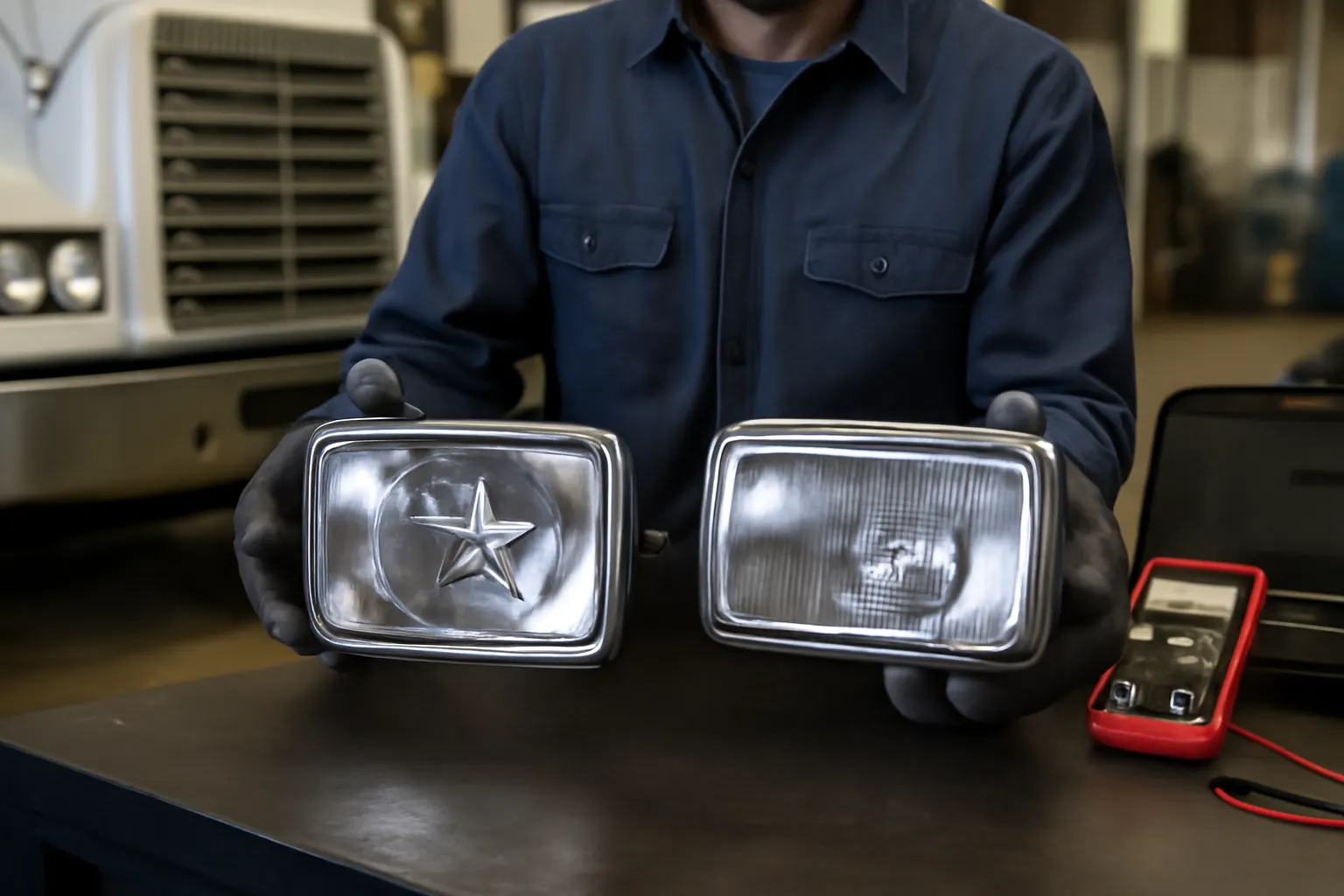
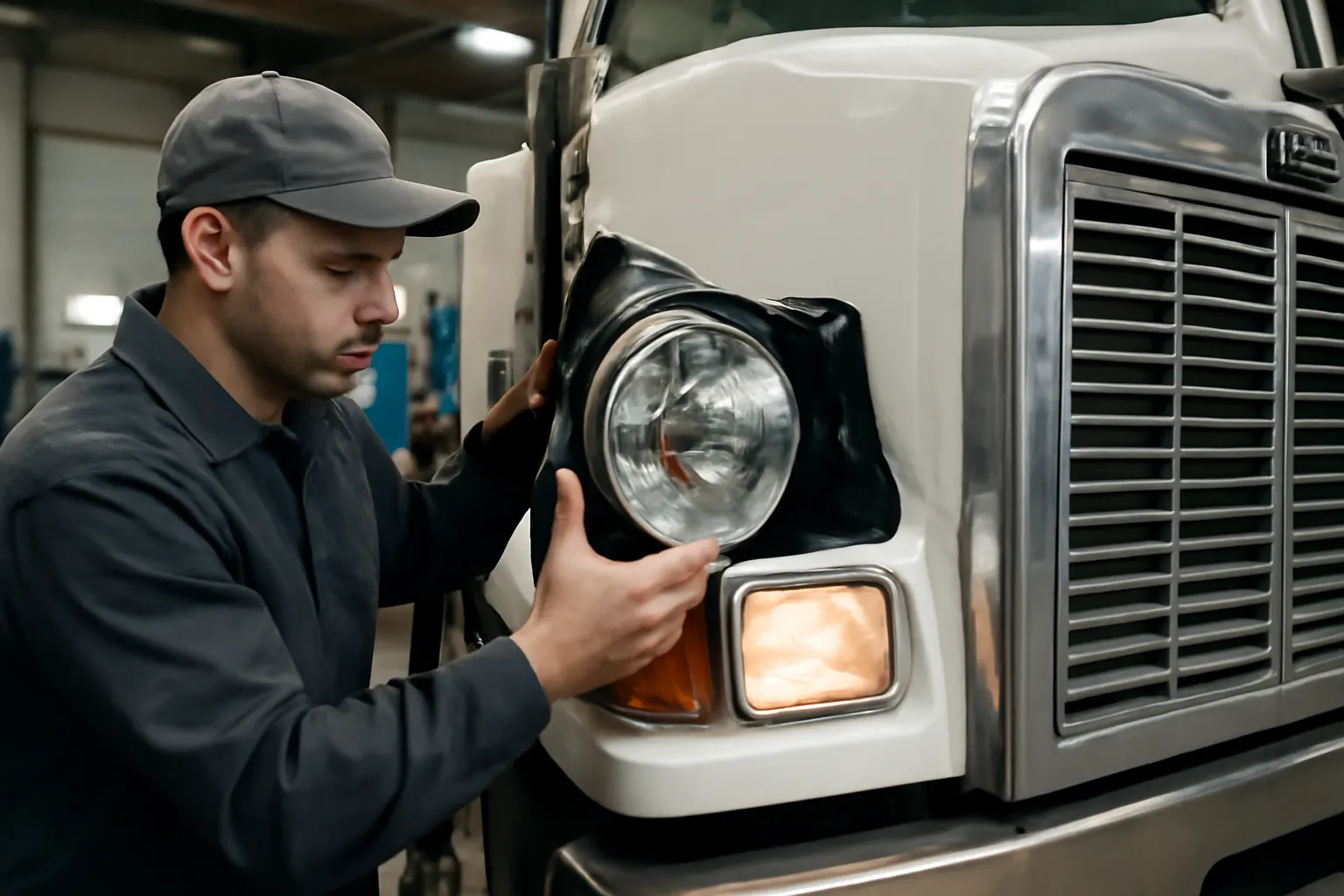
- LED Lighting: Replace halogen headlights, marker lamps, and turn signals with DOT-approved LEDs for improved visibility and longer service life.
- Advanced Brake Linings: Opt for severe-duty friction material, such as those meeting or exceeding SAE J661 standards, to reduce fade and improve stopping distances.
- Mirror and Camera Systems: Add wide-angle mirrors or aftermarket camera kits to eliminate blind spots.
- Reflective Tape and Markings: Ensure all conspicuity tape is up-to-date and meets FMVSS 108 standards.
Safety Upgrade Checklist
| Upgrade Area | Recommendation | Benefit |
|---|---|---|
| Headlights | DOT-approved LED headlamp assemblies | Better night visibility |
| Brake Shoes/Linings | Severe-duty friction (SAE J661+) | Shorter stops, less fade |
| Mirrors | Heated, wide-angle, or camera-assist units | Fewer blind spots |
| Reflective Markings | FMVSS 108 compliant tape | Increased conspicuity |
Advertisement
Fuel Efficiency: Proven Upgrades for Lower Operating Costs
Fuel is one of the largest operating expenses for any 4900 Series owner. According to the U.S. Department of Energy, targeted upgrades can yield measurable improvements in fuel economy, even in heavy-duty trucks[^2].
Fuel-Saving Strategies
- Aerodynamic Add-ons: Install roof fairings, side extenders, and chassis skirts to reduce drag on highway routes.
- Lightweight Components: Replace steel wheels with aluminum, and consider composite body panels where available.
- Low-Rolling-Resistance Tires: Upgrade to SmartWay-verified tires to cut rolling drag.
- Engine Tuning and ECM Updates: Work with authorized service centers to recalibrate engine management for optimal fuel mapping.
Fuel Efficiency Upgrade Table
| Component/Upgrade | Estimated Fuel Savings (%) | Notes |
|---|---|---|
| Roof Fairing | 3-5% | Highway applications |
| Aluminum Wheels | 1-2% | Reduces unsprung mass |
| Low-Rolling Tires | 2-3% | SmartWay-verified models |
| Engine ECM Reflash | 1-4% | Must be OEM or authorized shop |
Comfort and Ergonomics: Retaining Drivers and Reducing Fatigue
Long-haul and vocational operators spend extended hours in the cab. Upgrading driver comfort isn’t just about luxury—it directly impacts productivity and safety.
Targeted Comfort Upgrades
- Air-Ride Seats: Replace worn-out seats with modern, multi-adjustable air-ride units for improved posture and vibration isolation.
- HVAC System Refresh: Upgrade to high-capacity blower motors and replace cabin air filters regularly.
- Acoustic Insulation: Add sound-deadening mats to the firewall, floor, and doors to reduce noise.
- Steering Wheel and Controls: Install ergonomic wheels and relocate controls for easier reach.
Diagnostics and Telematics: Proactive Monitoring for Reduced Downtime
Modern diagnostic tools and telematics systems allow for real-time monitoring of vehicle health, which is especially valuable for older 4900s lacking factory-installed systems.
Recommended Monitoring Upgrades
- OBD-II/HD Diagnostic Ports: Ensure access to SAE J1939 or OBD-II for advanced scan tools.
- Tire Pressure Monitoring Systems (TPMS): Retrofit sensors on all wheels to catch underinflation early.
- Telematics Modules: Add GPS tracking and engine monitoring for fleet oversight and predictive maintenance.
- Upgraded Gauges: Swap original dash clusters for digital or multi-function units displaying vital data.
Durability and Longevity: Reinforcing the 4900 for the Long Haul
The 4900’s ruggedness can be extended further with smart upgrades to chassis, suspension, and underbody components—especially for trucks facing off-road, winter, or corrosive environments.
Heavy-Duty Upgrade Recommendations
- Frame Reinforcement: Add or replace crossmembers and gussets in high-stress areas.
- Suspension Bushings: Upgrade to polyurethane or composite bushings for longer life.
- Corrosion-Resistant Fasteners: Use stainless or zinc-coated hardware during repairs.
- Heavy-Duty Driveshafts and U-Joints: Opt for severe-duty driveline components, especially for high-torque applications.
Common Service Issues: Troubleshooting and Preventive Actions
Even with upgrades, some recurring issues are endemic to high-mileage Western Star 4900s.
Frequent Trouble Spots
- Electrical Faults: Look for corroded connectors in the chassis harness, especially near the battery box and rear frame.
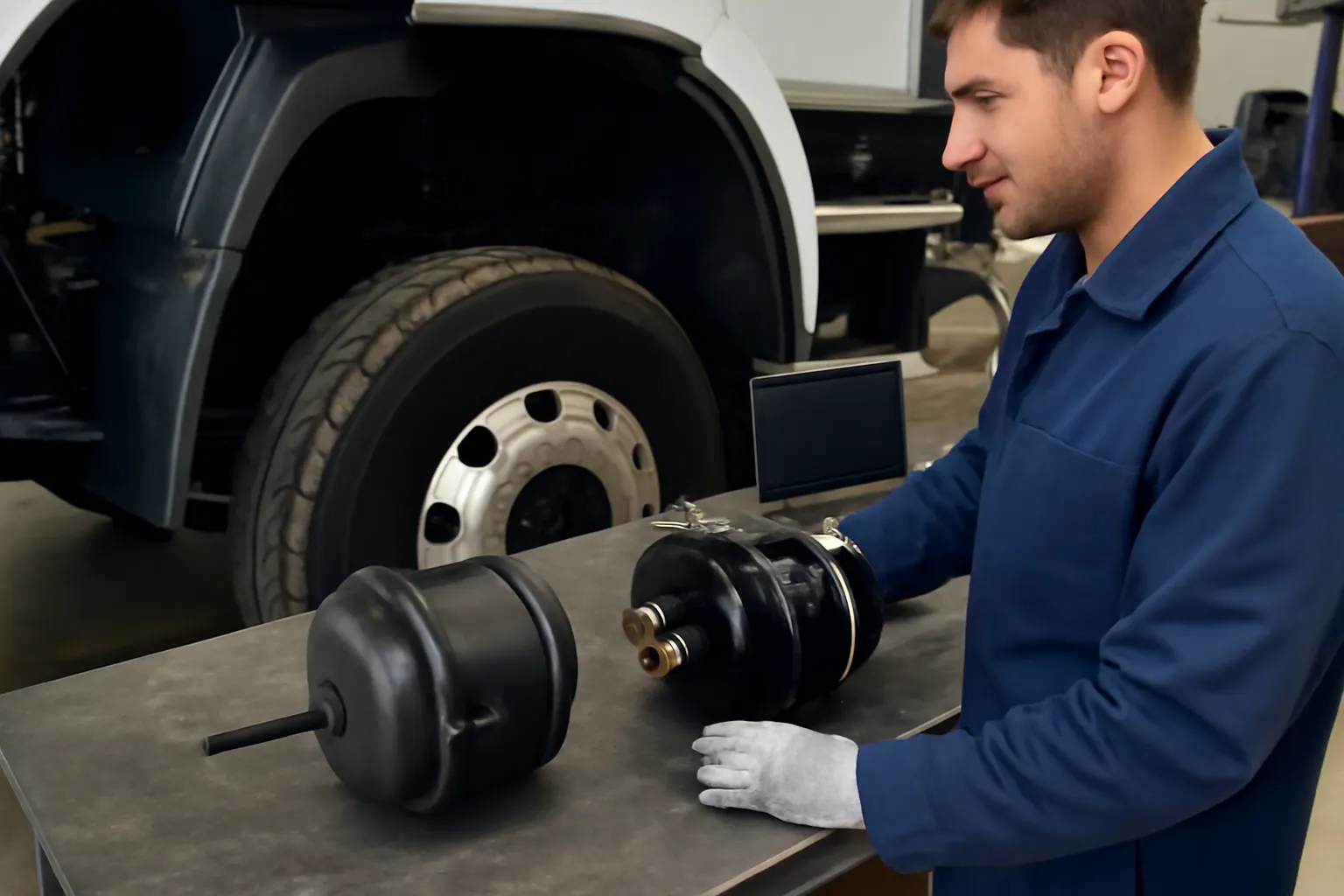
- Brake Air Leaks: Check all air lines and actuators for chafing or dry rot.
- HVAC Failures: Inspect blend door actuators and refrigerant lines for leaks.
- Wheel Seal Leaks: Regularly inspect for oil seepage at hubs, especially on drive axles.
Troubleshooting Checklist
- Scan for active and stored fault codes using a compatible diagnostic tool.
- Perform regular visual inspections of wiring and connectors.
- Pressure-test air brake systems for leaks.
- Check HVAC system pressures and replace filters every 6 months.
- Inspect all wheel ends for play, noise, or fluid leaks.
Advertisement
Sourcing the Right Parts: OEM vs. Aftermarket
Selecting the correct replacement or upgrade parts is crucial—not only for fitment but also for compliance and longevity. The Western Star 4900’s modular build means that VIN-specific part matching is often necessary, especially for suspension, brake, and body components.
Sourcing Strategy
- OEM Parts: Guaranteed fit and compliance but may carry higher cost and longer lead times. Ideal for safety-critical or emission-related systems.
- Aftermarket Parts: Offer competitive pricing and, in many cases, enhanced performance or durability. Always verify certifications (SAE, FMVSS, DOT) and cross-reference part numbers.
- Remanufactured Components: Suitable for major assemblies like transmissions or steering gears, provided the remanufacturer meets industry standards.
For a detailed breakdown of part sourcing, see our Western Star OEM Parts Catalog.
Ensuring Proper Fitment: Avoiding Common Pitfalls
Incorrect part fitment can lead to installation headaches, compromised safety, or even voided warranties. The Western Star 4900’s numerous cab, axle, and chassis variants require precision.
Fitment Verification Steps
- VIN Decoding: Use the full 17-digit VIN to identify exact configuration (axle, cab, engine, and build date).
- Cross-Reference: Match OEM part numbers with supplier catalogs and check for superceded numbers.
- Physical Comparison: When in doubt, compare new and old components side-by-side before installation.
- Consult Manufacturer Resources: Reference official Western Star service manuals and bulletins.
For more on accurate identification, read How to Identify Genuine Western Star Parts.
Installation and Maintenance Best Practices
Upgrading or replacing parts is only half the battle—proper installation and ongoing maintenance are essential for realizing the benefits.
Installation Tips
- Follow Torque Specs: Always use a calibrated torque wrench and reference OEM specifications.
- Use Correct Tools: Specialty pullers, presses, and diagnostic tools prevent damage.
- Document Work: Maintain a detailed log of upgrades and part numbers for future reference.
- Test and Inspect: After installation, test all systems and perform a road check.
Maintenance Schedule
- Brakes: Inspect every 25,000 miles or 6 months.
- Suspension: Check bushings, shocks, and mounts at every oil change.
- Electrical: Clean and tighten connections annually.
- HVAC and Comfort: Service at the start of each season.
For interval recommendations, consult our Western Star Maintenance Intervals & Service Guide.
Materials and Technology: Modernizing the 4900 with Advanced Components
Materials science has advanced significantly, offering new options for weight savings and durability. The U.S. Department of Energy highlights the role of lightweight, high-strength materials in improving both performance and efficiency[^3].
Material Upgrade Opportunities
- Aluminum and Composite Body Panels: Reduce weight and resist corrosion.
- Polyurethane Suspension Bushings: Outlast traditional rubber and resist chemical attack.
- Stainless Steel Hardware: Extends service life in corrosive environments.
- Advanced Brake Rotors: Composite or ceramic-infused rotors dissipate heat more effectively.
Regulatory and Compliance Considerations
All upgrades and replacement parts must comply with NHTSA and SAE standards for safety and performance. Non-compliant components can result in failed inspections or increased liability.
Compliance Checklist
- DOT and SAE Markings: Confirm all lighting, mirrors, and glass are marked accordingly.
- FMVSS Certification: Ensure brake, suspension, and safety equipment meet federal standards.
- Recall Research: Check NHTSA’s recall database for affected components before purchase.
AutoPartEx: Your Partner in Western Star 4900 Upgrades
AutoPartEx specializes in fitment-verified, compliance-focused solutions for Western Star operators nationwide. Our curated catalog and technical resources help you select, source, and install the best upgrades for your 4900 Series. From OEM & Aftermarket Truck Parts to in-depth service guides, we provide the expertise and inventory to keep your rig running at its best.
Expert Action: Take Your 4900 to the Next Level
Ready to upgrade your Western Star 4900? Start by identifying your truck’s configuration using the VIN, then prioritize safety and efficiency upgrades. Source parts from trusted suppliers, using AutoPartEx’s fitment guides and catalogs for guaranteed compatibility. Document all upgrades, follow best installation practices, and schedule preventive maintenance to protect your investment for the long haul.
For further assistance or to browse verified Western Star parts, visit our Western Star OEM & Aftermarket Truck Parts | Fitment, Quality, and Sourcing Guide or contact the AutoPartEx technical team.
References
Advertisement