Advertisement
Counterfeit Western Star parts are a growing threat to the reliability, safety, and long-term value of your truck. Whether you operate a single Western Star or manage an entire fleet, understanding how to spot non-genuine components—and why it matters—is crucial for protecting your investment. In this guide, AutoPartEx explains how to identify counterfeit parts, the real-world consequences of installing them, and how to ensure every component you buy meets OEM standards for engineering, fitment, and reliability.
If you’re searching for genuine Western Star components, always start by reviewing the Western Star Truck Parts: OEM Engineering, Reliability, and Fitment | AutoPartEx category. This ensures you’re sourcing from a trusted supplier and not risking your truck’s performance or safety with substandard substitutes.
Why Counterfeit Western Star Parts Are an Immediate Threat
Counterfeit parts are not just a nuisance—they can directly compromise your Western Star’s performance, fuel efficiency, and safety. Unlike authentic OEM components, counterfeit parts often lack the rigorous testing, engineering precision, and material quality required to meet both manufacturer and regulatory standards. This means that even a single non-genuine part can lead to breakdowns, accidents, or costly downtime.
Immediate risks of counterfeit Western Star parts include:
- Sudden component failure (brakes, steering, suspension, etc.)
- Voided manufacturer fitment and compatibility guarantees
- Increased risk of regulatory non-compliance during inspections
- Shortened service intervals and more frequent repairs
- Reduced resale value due to questionable service history
The Hidden Problem: Counterfeiting in Heavy-Duty Truck Parts
While counterfeit auto parts have plagued the passenger vehicle market for decades, the heavy-duty sector—including Western Star—has become a lucrative target for counterfeiters. High demand for replacement parts, pressure to cut costs, and the complexity of modern trucks make it easier for fake components to enter the supply chain undetected.
Key factors driving the counterfeit problem:
- Online marketplaces with little oversight
- Supply chain disruptions leading to part shortages
- Lack of awareness among buyers and service managers
- Counterfeiters copying packaging, part numbers, and even QR codes
Counterfeiters have become increasingly sophisticated, making it difficult for even experienced technicians to distinguish fakes from genuine OEM parts without a careful inspection or verification process.
How Counterfeit Parts Endanger Safety, Efficiency, and Compliance
Substandard materials, poor manufacturing, and lack of adherence to regulatory standards are hallmarks of counterfeit parts. The consequences are not limited to mechanical issues—there are serious safety and legal implications as well.
Safety Hazards
According to the National Highway Traffic Safety Administration (NHTSA), counterfeit parts such as brake pads, airbags, and steering components have been directly linked to catastrophic failures and accidents. In heavy-duty trucks like Western Star models, such failures can result in major property damage, injuries, or fatalities.
Fuel Efficiency Compromises
The U.S. Department of Energy notes that even small deviations in part tolerances or materials can reduce fuel efficiency. Counterfeit engine or drivetrain components may increase rolling resistance, disrupt fuel-air ratios, or cause premature wear, directly increasing your operating costs.
Regulatory and Inspection Risks
Heavy-duty trucks are subject to strict federal and state inspections. Use of non-compliant or counterfeit parts can result in inspection failures, fines, or forced downtime until the issue is corrected. Regulatory bodies rely on SAE standards to verify part quality and fitment—counterfeits often fall short of these benchmarks.
Red Flags: How to Spot Counterfeit Western Star Parts
Identifying counterfeit parts is not always straightforward, but there are several telltale signs that can help you avoid costly mistakes. Use this checklist whenever you source Western Star components—especially from unfamiliar suppliers.
Advertisement
Counterfeit Parts Red Flag Checklist
| Red Flag | What to Look For | Action to Take |
|---|---|---|
| Suspiciously Low Price | Price is significantly below market average | Verify seller credentials |
| Packaging Discrepancies | Misspellings, low-quality printing, missing Western Star logos | Compare to OEM packaging |
| Inconsistent Part Numbers | Part number doesn't match Western Star catalog or is missing entirely | Cross-reference with OEM |
| Poor Material Quality | Unusual weight, finish, or material feel | Inspect physically |
| Missing Documentation | No certificate of authenticity, warranty card, or installation instructions | Request documentation |
| No Traceable Seller | Seller lacks business address, website, or verifiable contact information | Avoid purchase |
| Unusual Fitment Issues | Part does not align or fit as expected | Return and report |
| Lack of Regulatory Markings | No SAE, DOT, or NHTSA compliance stamps or labels | Reject the part |
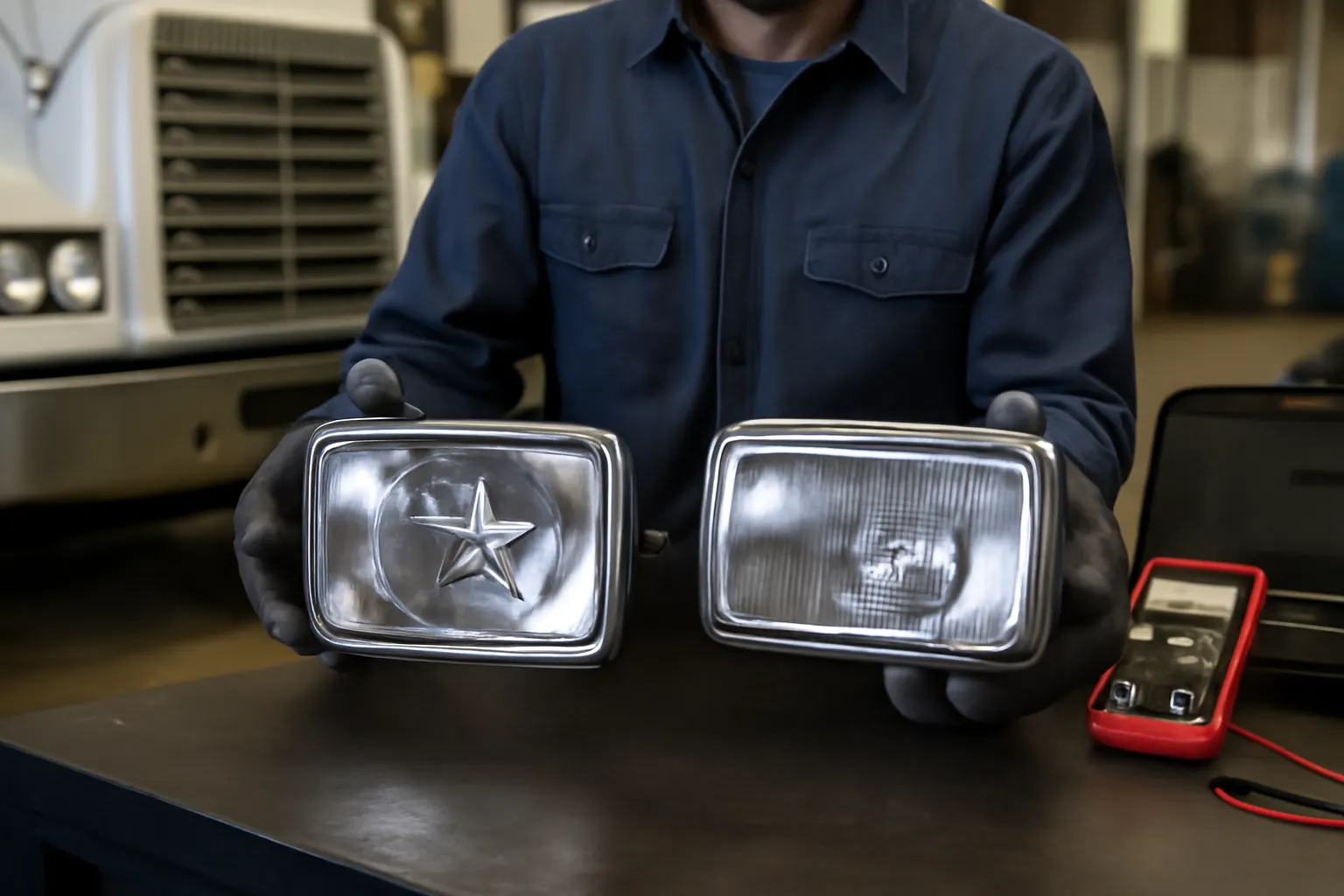
Always compare new parts to known genuine components, and when in doubt, consult the Western Star Parts Fitment & Compatibility Guide for authoritative identification.
Technical Differences: OEM vs. Counterfeit Western Star Parts
OEM Western Star parts are engineered to precise tolerances and tested under stringent conditions. Counterfeit parts, on the other hand, are typically reverse-engineered with cost-cutting substitutions at every step.
Engineering and Materials
- OEM: Uses materials specified by Western Star, often with proprietary alloys or treatments for durability.
- Counterfeit: May use generic or recycled metals, inferior plastics, or subpar rubber compounds, leading to early failure.
Fitment and Compatibility
- OEM: Designed to match exact dimensions, mounting points, and connectors for each Western Star model.
- Counterfeit: Tolerances may be off by millimeters, causing installation issues, leaks, or abnormal wear.
Testing and Certification
- OEM: Meets or exceeds SAE International and NHTSA standards for safety, performance, and reliability.
- Counterfeit: Rarely tested to any recognized standard; certifications may be forged or missing.
Real-World Consequences: Case Studies and Data
The impact of counterfeit parts has been documented across the commercial trucking industry. Here are some illustrative examples:
Brake System Failures
A fleet operator unknowingly installed counterfeit brake pads on several Western Star trucks. Within weeks, increased stopping distances and brake fade were reported. NHTSA inspections revealed the pads contained substandard friction material—posing a severe accident risk and resulting in costly recalls and downtime.
Engine Component Malfunctions
A remanufactured turbocharger sourced from an unverified supplier failed catastrophically within 10,000 miles. Post-failure analysis found that the counterfeit turbo used inferior bearings and lacked proper heat treatment. The resulting engine damage exceeded $15,000 in repairs and voided the OEM warranty.
Lighting and Electrical Issues
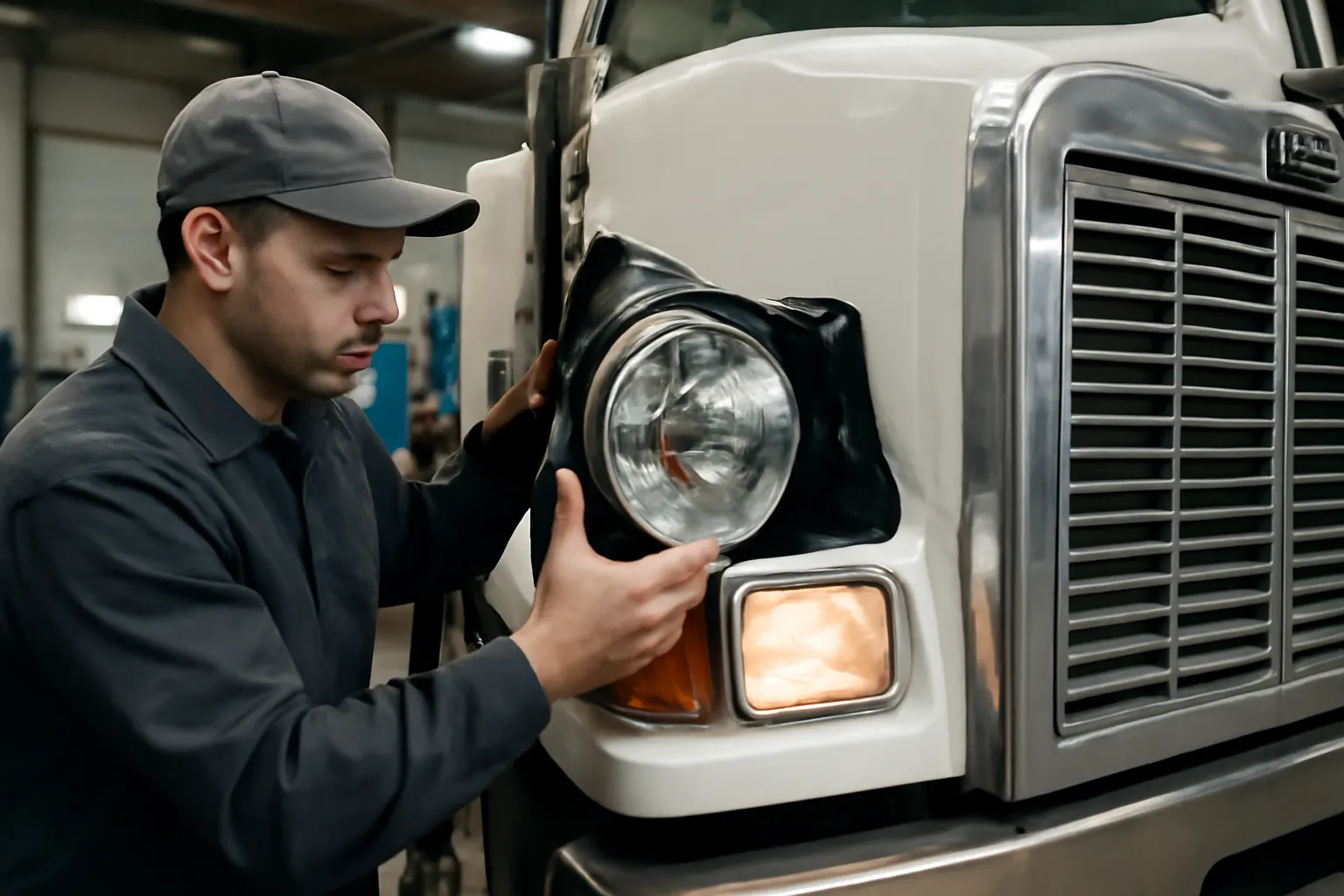
Counterfeit headlamp assemblies lacking DOT compliance caused persistent electrical faults and failed to meet brightness standards. During a routine roadside inspection, the truck was cited for non-compliance and forced out of service until genuine parts were installed.
How to Authenticate Western Star Parts Before Purchase
Avoiding counterfeit parts requires a systematic approach to sourcing and verification. Here’s how to ensure you’re getting genuine Western Star components every time:
1. Source from Authorized Dealers
Always purchase from Western Star-authorized dealers or reputable distributors with a clear track record. Check the supplier’s credentials, business address, and customer reviews.
2. Use OEM Part Numbers
Cross-reference the part number with official Western Star catalogs or the Western Star OEM Parts Category. If the number doesn’t match or is missing, be suspicious.
3. Inspect Packaging and Documentation
Genuine Western Star parts come with high-quality packaging, clear labeling, and documentation such as certificates of authenticity, warranty cards, and installation guides. Counterfeits often cut corners here.
4. Verify Regulatory Compliance
Look for SAE, DOT, and NHTSA markings on critical safety components. Lack of these labels is a strong indicator of a counterfeit.
5. Request Proof of Purchase and Warranty
Legitimate suppliers provide sales invoices and honor OEM warranties. Counterfeiters typically offer limited or no after-sales support.
Installation and Fitment: What to Watch for in the Shop
Even with the best sourcing practices, some counterfeits slip through. Technicians and fleet managers should remain vigilant during installation and maintenance.
Advertisement
Signs of Counterfeit Parts During Installation
- Fitment Issues: Holes, tabs, or connectors don’t align with the mounting points on your Western Star truck.
- Unusual Resistance: Excessive force required to seat or secure the part.
- Abnormal Noises or Vibrations: New part causes unexpected operational changes after installation.
- Premature Wear: Excessive dust, leaks, or visible wear after a short service interval.
If you encounter any of these issues, remove the part immediately and consult the Western Star Service Intervals & Maintenance Checklist to ensure no secondary damage has occurred.
Maintenance and Inspection: Preventing Counterfeit Part Failures
Proactive inspection and maintenance are your best defenses against the consequences of counterfeit parts. Incorporate the following practices into your fleet management or service routine:
Maintenance Tips for Counterfeit Part Prevention
- Regular Visual Inspections: Check for abnormal wear, corrosion, or damage during scheduled maintenance.
- Track Part Origins: Maintain records of where and when each part was purchased and installed.
- Monitor Performance Data: Sudden changes in fuel efficiency, braking response, or electrical behavior may signal counterfeit component issues.
- Schedule Frequent Audits: Periodically review inventory and supplier lists to ensure ongoing compliance with OEM sourcing.
Buying Guide: Sourcing Genuine Western Star Parts
The best way to avoid counterfeit risks is to establish a trusted parts procurement process:
Steps to a Secure Parts Supply Chain
- Centralize Purchasing: Limit the number of authorized suppliers and require documentation for every order.
- Train Staff: Educate technicians, drivers, and procurement teams on the risks and red flags of counterfeit parts.
- Leverage Digital Tools: Use online catalogs and fitment guides from trusted sources like AutoPartEx to verify part compatibility.
- Audit Suppliers: Regularly review supplier performance, return rates, and customer feedback.
- Stay Informed: Keep up with manufacturer bulletins and NHTSA recall notices related to counterfeit parts (NHTSA Recall Database).
The Role of Industry Standards and Regulatory Agencies
OEM Western Star parts are designed to meet or exceed industry standards such as those set by SAE International and enforced by NHTSA. Counterfeit parts, by their nature, bypass these safeguards.
Why Standards Matter
- SAE Standards: Define minimum requirements for materials, performance, and safety in critical truck systems.
- NHTSA Regulations: Mandate compliance for all safety-related components, with severe penalties for violations.
- DOE Guidelines: Emphasize fuel efficiency and emissions compliance, both compromised by counterfeit parts.
By adhering to these standards, OEM parts ensure your Western Star truck operates at peak performance, safety, and efficiency.
What to Do If You Suspect a Counterfeit Part
If you discover—or suspect—a counterfeit part on your Western Star truck, take immediate action to protect your vehicle, your business, and your drivers:
- Remove the Suspect Part: Replace it with a verified OEM component as soon as possible.
- Report the Incident: Notify your supplier and relevant authorities (e.g., NHTSA, Western Star dealer).
- Document Everything: Save invoices, photos, and correspondence related to the purchase and installation.
- Inspect for Damage: Check for secondary issues caused by the counterfeit part—refer to the Western Star Service Intervals & Maintenance Checklist for comprehensive inspection points.
- Review Procurement Processes: Identify how the counterfeit part entered your supply chain and implement corrective measures.
Expert Action: Partnering With AutoPartEx for Genuine Western Star Parts
Counterfeit parts pose a serious threat to the reliability, safety, and value of your Western Star truck. By staying vigilant, following best practices in sourcing and inspection, and partnering with trusted suppliers, you can keep your fleet running smoothly and avoid the costly consequences of non-genuine components.
AutoPartEx is committed to helping you identify, source, and maintain only genuine Western Star parts. Our Western Star Truck Parts: OEM Engineering, Reliability, and Fitment | AutoPartEx category connects you directly to verified OEM and high-quality aftermarket options, with robust fitment tools and expert support. For side-by-side evaluations of OEM vs. aftermarket components, see our OEM vs Aftermarket: Western Star Parts Comparison.
Don’t leave your Western Star’s performance to chance—choose AutoPartEx for parts you can trust, every time.
References
Advertisement