Advertisement
Common Transfer Case Failures and What to Watch For
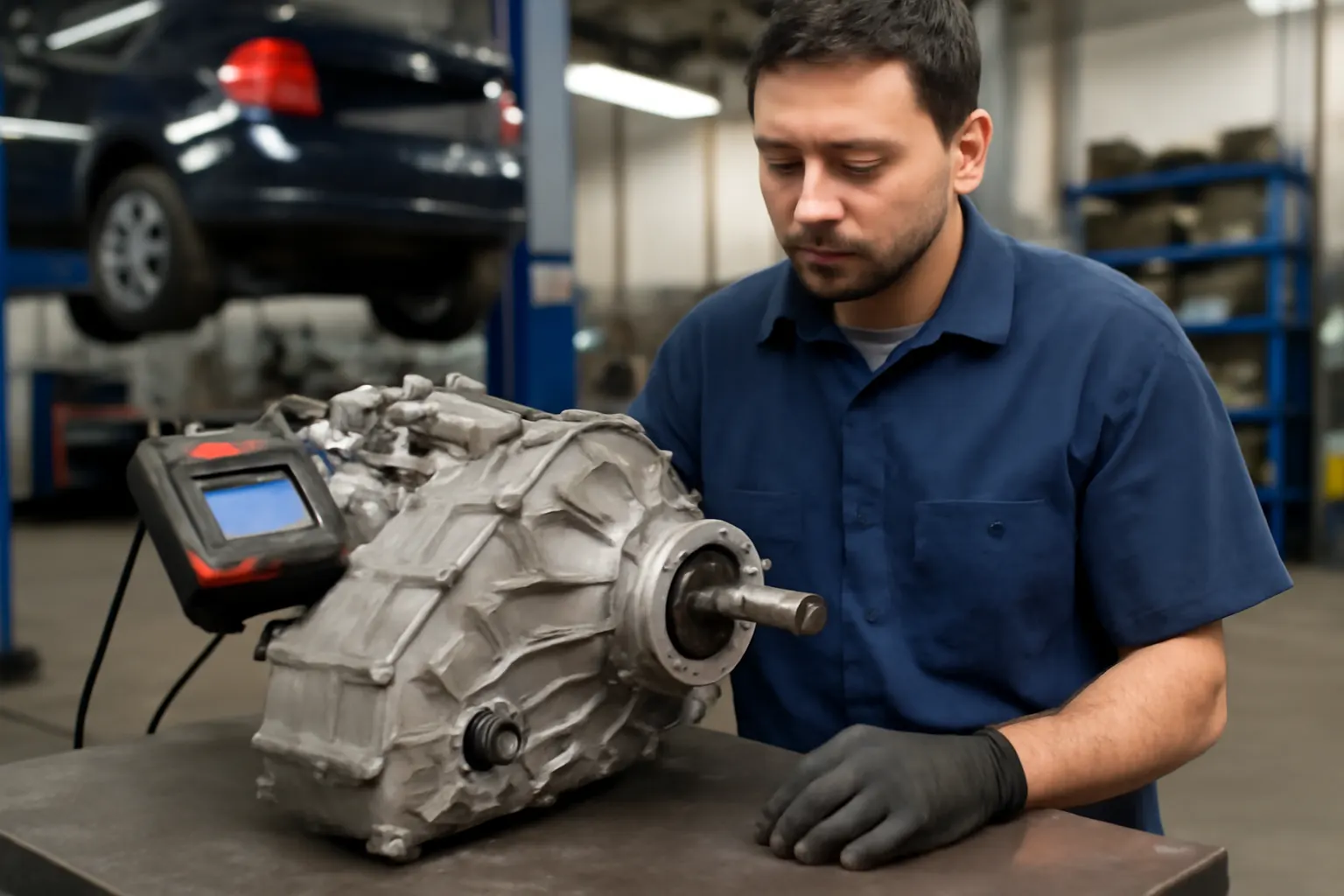
Transfer cases are the backbone of four-wheel drive (4WD) and all-wheel drive (AWD) systems, ensuring that torque is distributed to the front and rear axles as needed. When a transfer case fails, drivability, fuel efficiency, and even vehicle safety can be compromised. This comprehensive guide breaks down the most common transfer case failures, how to recognize them, and what steps you can take to prevent or address these issues before they lead to more extensive drivetrain damage. Whether you’re a DIY enthusiast, a professional technician, or a fleet manager, understanding transfer case core problems is essential for vehicle longevity and safety.
If you’re looking for OEM-grade transfer case cores or remanufacturing solutions, check out our Transfer Case Core: OEM-Grade Cores & Remanufacturing Solutions | AutoPartEx for a complete selection and expert support.
Immediate Answers: Recognizing Transfer Case Failure
Transfer case problems rarely announce themselves with a single, dramatic symptom. Instead, they often develop subtly, with early warning signs that are easy to overlook. Here are the top indicators your transfer case may be failing:
- Grinding, humming, or clunking noises from beneath the vehicle, especially during acceleration or deceleration.
- Difficulty shifting into or out of 4WD or AWD modes.
- Fluid leaks around the transfer case housing.
- Unexpected disengagement of 4WD/AWD, or the inability to engage these modes.
- Vibration or shuddering felt through the drivetrain.
- Warning lights such as “Service 4WD” or “Check 4WD System” on the dashboard.
Catching these signs early can help prevent catastrophic failure, expensive repairs, or unsafe driving conditions.
The Hidden Problem: Core Damage and Its Far-Reaching Effects
While obvious symptoms are concerning, the most damaging transfer case failures often involve hidden core damage. This type of damage is not always visible from the outside and may only become apparent during a teardown or core inspection. Hidden core damage can include:
- Worn or chipped gears
- Damaged synchronizers
- Cracked or warped housings
- Contaminated or degraded bearings and seals
These issues don’t just compromise the transfer case itself—they can also lead to collateral damage in the transmission, driveshafts, axles, and even the engine due to improper torque distribution. If you plan to return or remanufacture a transfer case core, hidden damage can affect its value and suitability for rebuilding.
For a deep dive into proper inspection techniques, see our guide on How to Inspect and Grade a Transfer Case Core.
Deeper Technical Explanation: Why Transfer Cases Fail
1. Lubrication Loss and Fluid Contamination
Transfer cases rely on specialized lubricants to minimize friction and dissipate heat. Over time, seals can degrade, leading to fluid leaks. Running a transfer case with low or contaminated fluid causes internal gears, bearings, and chains to overheat and wear prematurely.
Root causes:
- Worn output/input shaft seals
- Cracked housing or gaskets
- Using incorrect fluid type or skipping fluid changes
2. Chain and Gear Wear
Most modern transfer cases use a chain to transfer power to the front and rear outputs. Over time, the chain can stretch or the gears can wear, leading to slack, noise, and even gear skipping.
Symptoms:
- Rattling or grinding noises
- Intermittent 4WD engagement
- Metal shavings in transfer case fluid
3. Shift Motor and Actuator Failure
Electronic shift motors or vacuum actuators are used to engage or disengage 4WD/AWD modes. These components can fail due to electrical faults, worn brushes, or corrosion.
Advertisement
Symptoms:
- 4WD/AWD won’t engage or disengage
- Warning lights on the dash
- Clicking or no sound when attempting to shift modes
4. Output Shaft and Bearing Failure
Bearings support the rotating shafts inside the transfer case. If bearings fail, shafts can wobble, leading to misalignment, gear damage, and ultimately, catastrophic internal failure.
Symptoms:
- Driveline vibrations
- Whining or grinding noises at speed
- Visible play in output shafts
5. Case and Housing Cracks
Physical impacts, overloading, or manufacturing defects can cause the transfer case housing to crack. Even small cracks can lead to fluid loss and rapid internal wear.
Symptoms:
- Visible cracks or seepage
- Sudden fluid loss
- Inability to maintain fluid level
Solution Path: Diagnosing and Addressing Transfer Case Issues
Step 1: Listen and Observe
- Noise analysis: Note when noises occur—under load, during coast, or only in 4WD/AWD.
- Dashboard messages: Document any warning lights or codes.
Step 2: Visual Inspection
- Check for leaks: Inspect around the transfer case for fresh or old fluid.
- Inspect wiring and connectors: Look for corrosion, broken wires, or loose connectors.
Step 3: Operational Testing
- Engage/disengage 4WD/AWD: Test shifting in both directions, ideally on flat ground.
- Check for binding: Turn the vehicle in tight circles to detect driveline wind-up or binding.
Step 4: Fluid Check
- Fluid level and condition: Remove the fill plug and examine the fluid. Look for metal debris, milky coloration (water contamination), or burnt odor.
Step 5: Deeper Mechanical Inspection
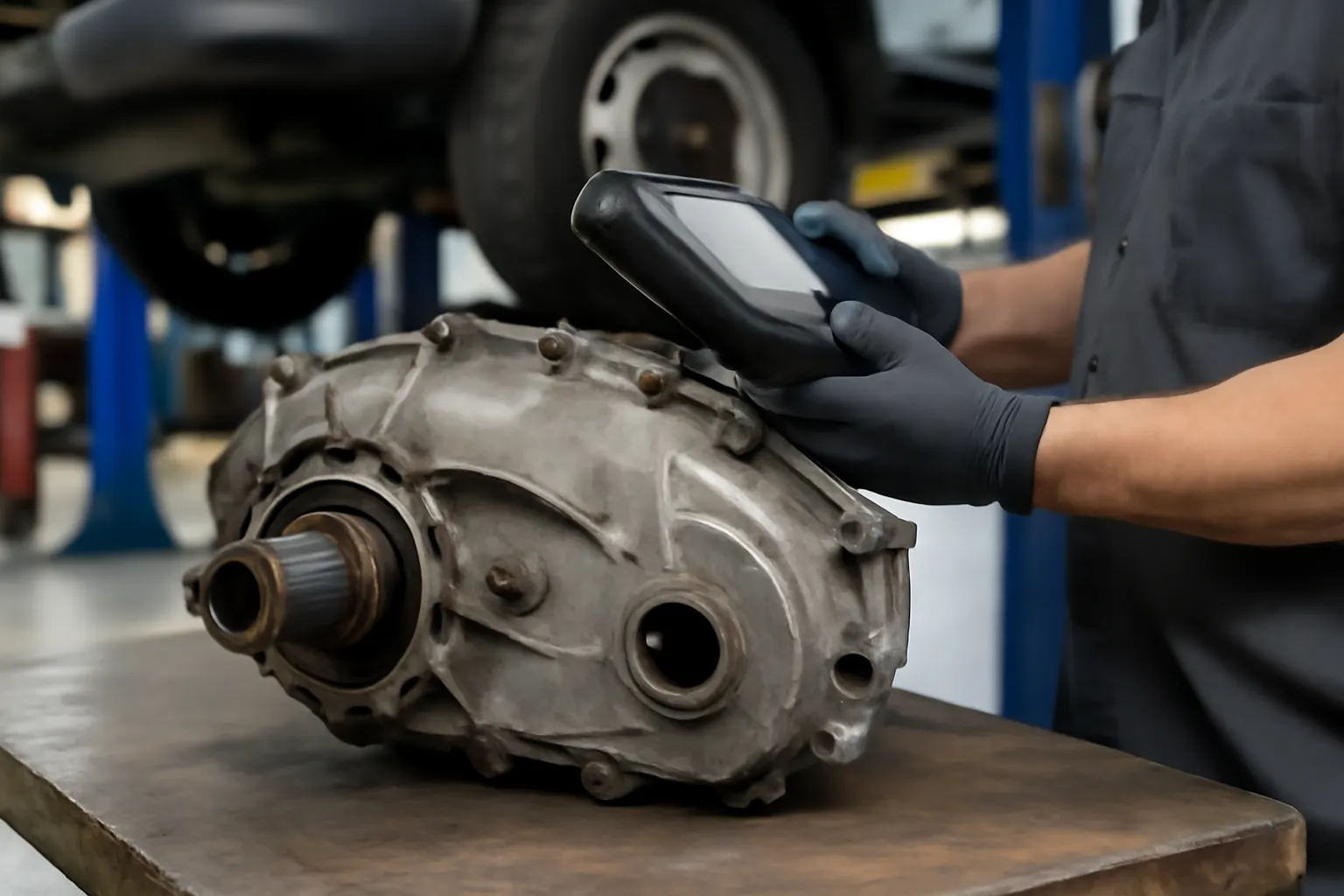
If initial checks indicate a problem, the transfer case may need to be removed and opened for internal inspection. At this stage, look for:
- Worn gears
- Stretched or damaged chains
- Broken synchronizers
- Damaged bearings or races
Checklist: Common Transfer Case Failure Points
Use this checklist during inspection or diagnosis:
| Failure Point | What to Look For | Typical Symptoms |
|---|---|---|
| Fluid Leaks | Wetness, drips, pooling fluid | Low fluid, grinding noises |
| Chain/Gear Wear | Metal shavings in fluid, visible wear | Rattling, skipping engagement |
| Shift Motor/Actuator | No movement, stuck in gear, error codes | 4WD/AWD won’t engage/disengage |
| Output Shaft Bearings | Play in shaft, blueing/discoloration | Vibration, whining noises |
| Housing Cracks | Visible cracks, fluid seepage | Loss of fluid, sudden failure |
| Synchronizer Damage | Chipped teeth, rough shifting | Hard to shift, gear grinding |
| Electrical Connections | Corrosion, broken wires | Intermittent or no engagement |
Impact on Performance, Fuel Efficiency, and Safety
A failing transfer case affects more than just the ability to shift into 4WD/AWD. It can:
- Reduce fuel efficiency: Drag from internal wear or improper engagement increases rolling resistance (DOE Fuel Efficiency).
- Compromise safety: Loss of torque distribution can cause unpredictable handling, especially in adverse conditions (NHTSA Vehicle Safety and Equipment).
- Accelerate wear elsewhere: Driveshafts, axles, and even the transmission can suffer due to improper torque management.
Ignoring transfer case problems can lead to breakdowns in critical situations, especially for vehicles used in off-road, fleet, or emergency applications.
The Role of Materials and Manufacturing Quality
Transfer case durability depends heavily on the quality of the materials and manufacturing standards used. Advances in lightweight, high-strength alloys and precision casting have improved modern transfer cases’ ability to handle higher torque loads without excessive weight (DOE Materials Technologies). However, even with robust materials, manufacturing defects, improper assembly, or design flaws can still lead to premature failure.
Advertisement
When sourcing replacement parts or remanufactured units, always verify that components meet or exceed OEM specifications and relevant industry standards.
Preventing Transfer Case Failures: Maintenance and Best Practices
Regular maintenance is the best defense against transfer case failure. Key practices include:
- Scheduled fluid changes: Follow the vehicle manufacturer’s interval for transfer case fluid replacement. Dirty or old fluid accelerates wear.
- Inspect seals and gaskets: Replace at the first sign of leakage.
- Check for software updates: Some electronic shift systems require firmware updates for optimal operation.
- Avoid abuse: Minimize high-load situations such as aggressive off-roading or towing beyond rated capacity.
- Monitor for recalls: Stay informed about manufacturer recalls or technical service bulletins that may affect your transfer case (NHTSA Recalls).
Sourcing Quality Transfer Case Cores and Parts
When a transfer case requires replacement or remanufacturing, sourcing a quality core is critical. Not all used or remanufactured units are equal—hidden core damage can render a core unsuitable for rebuilding or void its value.
Key sourcing tips:
- Buy from reputable suppliers: Ensure the source tests and grades their cores.
- Request inspection reports: Ask for documentation on the core’s condition.
- Match by part number and model: Ensure exact fitment for your vehicle.
- Understand core return requirements: Review policies to avoid deductions for hidden or excessive damage.
Explore our Transfer Case Parts Category for a full range of new, remanufactured, and core exchange options.
What to Do If You Suspect Transfer Case Failure
If you notice symptoms or suspect transfer case issues:
- Stop driving if you hear loud grinding, lose 4WD/AWD functionality, or see rapid fluid loss. Continuing to drive can cause secondary damage.
- Document symptoms (noises, warning lights, when they occur).
- Check fluid level as soon as safely possible.
- Schedule a detailed inspection with a qualified technician or use our How to Inspect and Grade a Transfer Case Core for a step-by-step guide.
- Prepare for core return if replacing the unit. See our Transfer Case Core Return: Best Practices for tips on maximizing your core refund.
When to Choose Remanufactured vs. New Transfer Cases
Remanufactured transfer cases offer a cost-effective, environmentally responsible alternative to new units—provided the core is rebuildable and all wear items are replaced to OEM standards. Consider remanufactured options if:
- Your original unit has suffered non-catastrophic internal wear.
- You want to minimize cost without sacrificing reliability.
- The remanufacturer uses high-quality components and follows industry standards.
For a full discussion, see Remanufactured Drivetrain Parts: Are They Right for You?.
AutoPartEx: Your Partner for Transfer Case Solutions
At AutoPartEx, we specialize in providing OEM-grade transfer case cores, remanufactured units, and expert technical support. Our rigorous inspection and grading process ensures you receive reliable components that meet or exceed industry standards. Whether you’re sourcing for a single vehicle or managing a fleet, our team can help you solve transfer case challenges with confidence.
Explore our Transfer Case Core: OEM-Grade Cores & Remanufacturing Solutions | AutoPartEx to find the right part for your application and benefit from our technical expertise.
Expert Action: Next Steps for Technicians and Fleet Managers
- Implement a regular inspection schedule for vehicles with 4WD/AWD, focusing on fluid condition, engagement function, and noise analysis.
- Train staff on recognizing early signs of transfer case failure and proper fluid service procedures.
- Maintain detailed service records to identify patterns and prevent recurring issues.
- Partner with trusted suppliers like AutoPartEx for quality cores and remanufactured units.
- Stay current with industry standards and manufacturer technical bulletins for the latest best practices.
References
Advertisement