
Transfer Case Core
Understanding and Selecting a Transfer Case Core
Most vehicle owners rarely think about the transfer case core until drivetrain repairs arise. Yet, understanding the role and condition of this component can make a major difference in cost, reliability, and the success of a remanufactured or rebuilt drivetrain. This guide explores what to know before buying, inspecting, or returning a transfer case core, with practical steps and evidence-based advice for informed decisions.


More Transfer Case Core options
Filtering for Transfer Case CoreBrowse nearby inventory for this category without leaving the page. Use search to filter by price, part number, or city.
No Data Available
Please check back soon when more inventory is available for this part.
Understanding and Selecting a Transfer Case Core
Why Transfer Case Cores Deserve More Attention
When planning a drivetrain repair or upgrade, many vehicle owners overlook the importance of the transfer case core. While it’s easy to focus on more visible components like the transmission or differential, the transfer case core is crucial for distributing power in four-wheel and all-wheel drive systems. A poor-quality or mismatched core can compromise the performance of the entire drivetrain, leading to costly rework or failure. Recognizing this often-overlooked factor can help prevent unnecessary headaches and expenses down the road.
Transfer case cores are not just another part to swap out during repairs; their condition, compatibility, and history directly affect the outcome of any remanufacturing or replacement process. Unlike standard off-the-shelf components, each core may have a unique wear pattern, prior damage, or internal issues that aren’t immediately visible. This means that simply sourcing a core based on a catalog listing or visual inspection may not be enough to guarantee a successful repair.
Many buyers assume that any transfer case core labeled for their vehicle will suffice, but differences in internal design, previous use, and even subtle model-year changes can result in significant fitment or reliability issues. This is why it’s essential to look beyond surface-level compatibility and dig deeper into the specifics of transfer case core selection and evaluation. By doing so, you can avoid common pitfalls and ensure your drivetrain repair is built on a solid foundation.

The Real Risks of Overlooking Transfer Case Core Condition
The transfer case core is the heart of any four-wheel or all-wheel drive system, responsible for splitting torque between the front and rear axles. If the core is worn, damaged, or incompatible, it can lead to a cascade of drivetrain problems. Symptoms may include unusual noises, difficulty shifting, leaks, or even total loss of power to one set of wheels. These issues are not always immediately apparent, especially if the core has been superficially cleaned or painted before sale.
One of the most common mistakes made during drivetrain repairs is assuming that all transfer case cores of a given model are functionally identical. In reality, even minor differences in internal components, gear ratios, or electronic controls can cause major headaches. For example, a core from a vehicle with a different axle ratio or electronic control module may not work properly in your application, potentially triggering warning lights or causing drivability issues.
Another overlooked risk is the presence of hidden internal damage. Transfer case cores are often sourced from salvage vehicles, and their true condition may be unknown. Internal wear, chipped gears, or damaged bearings might not be visible until the core is disassembled. Installing a core with these issues can result in premature failure, additional labor costs, and the frustration of having to repeat the repair process.
The financial implications of choosing the wrong transfer case core can be significant. Not only can an incompatible or damaged core lead to repeat repairs, but it can also void warranties on remanufactured parts or related components. Some shops may refuse to honor warranty claims if the failure is traced back to an unsuitable core, leaving the owner to cover the full cost of replacement and labor.
Vehicle safety is another critical concern. A malfunctioning transfer case can affect traction, handling, and overall drivability, especially in adverse conditions. In worst-case scenarios, a sudden loss of power to one axle can increase the risk of accidents. This is particularly true for vehicles that rely on the transfer case for advanced traction control or stability systems.
Finally, regulatory and recall considerations should not be ignored. While transfer case cores themselves are rarely subject to recalls, the systems they support may be. It’s important to verify that your vehicle does not have any outstanding drivetrain-related recalls before proceeding with repairs. The National Highway Traffic Safety Administration (NHTSA) provides VIN-based lookup tools to check for open recalls, ensuring that safety issues are addressed before investing in a core replacement NHTSA: Vehicle Recalls.
How to Evaluate, Select, and Return a Transfer Case Core
The first step in a successful transfer case core replacement is thorough evaluation. Begin by identifying the exact make, model, year, and drivetrain configuration of your vehicle. Record your VIN and consult both the owner’s manual and reputable parts catalogs for precise part numbers. This information is essential for avoiding costly compatibility errors and ensuring that the core you select matches your vehicle’s requirements.
Next, inspect the transfer case core for signs of damage, excessive wear, or missing components. Look for cracks, stripped threads, corrosion, or evidence of fluid leaks. If possible, request detailed photographs or a video walkthrough from the seller before purchase. Many reputable sellers provide grading reports or inspection sheets that document the core’s condition, which can help you compare options and avoid surprises upon delivery. For more on inspection techniques, see How to Inspect and Grade a Transfer Case Core.
When sourcing a core, consider the differences between new, remanufactured, and salvage parts. According to the Federal Trade Commission (FTC), salvage parts are removed from another vehicle without alteration, while remanufactured parts are rebuilt to meet specific standards FTC: Auto Repair Basics. Salvage cores may be more affordable but carry greater risk of hidden defects. Remanufactured units often come with better documentation and, in some cases, limited warranties. Weigh these factors based on your budget, technical skill, and the intended use of the vehicle.
If you are returning a transfer case core as part of a remanufacturing exchange, follow the seller’s core return guidelines closely. Clean the exterior, drain all fluids, and remove any attached sensors or brackets unless instructed otherwise. Package the core securely to prevent shipping damage, and include all required documentation. For a step-by-step guide, see Transfer Case Core Return: Best Practices.
For complex or high-value repairs, the FTC recommends obtaining a written repair estimate that details the condition to be repaired, the parts needed, and anticipated labor charges FTC: Auto Repair Basics. Consider seeking a second opinion from a shop experienced with your vehicle’s make and model, especially if the diagnosis or recommended parts seem unclear. This can help you avoid unnecessary repairs and ensure that you are investing in the right solution.
During installation, verify that all mounting points, input/output shafts, and electrical connectors match your vehicle’s specifications. Test fit the core before final assembly to catch any alignment or compatibility issues early. If you encounter differences, do not force components to fit—contact the seller or a qualified technician for guidance. For more on common pitfalls and what to watch for, refer to Common Transfer Case Failures and What to Watch For.
After installation, monitor for signs of abnormal noise, vibration, or fluid leaks during initial operation. Check fluid levels and ensure that all drivetrain functions operate as expected. If issues arise, document them thoroughly and contact your installer or parts supplier promptly. Keeping detailed records of the installation and any troubleshooting steps can streamline warranty claims or future repairs.
Finally, consider whether a remanufactured drivetrain component is the best choice for your situation. Remanufactured parts can offer a balance of cost savings and reliability, but it’s important to understand the source and quality of the core used in the process. For a deeper dive into the pros and cons of remanufactured drivetrain parts, see Remanufactured Drivetrain Parts: Are They Right for You?.
What the Evidence Says About Transfer Case Core Selection and Repair
The National Highway Traffic Safety Administration (NHTSA) provides a comprehensive overview of how vehicle recalls and defect investigations are managed in the United States. According to NHTSA, owners can use their vehicle identification number (VIN) to check for open recalls affecting their specific vehicle, including drivetrain components NHTSA: Vehicle Recalls. This resource does not confirm that a particular transfer case core is defective or recalled, but it does allow owners to verify whether their vehicle is subject to safety-related repair campaigns. This step is crucial before investing in a core replacement, as unresolved recalls may impact the safety and legality of the repair.
NHTSA’s recall process involves several stages, beginning with consumer complaints and progressing through investigations and, if warranted, manufacturer-initiated recalls. While transfer case cores themselves are rarely the direct subject of recalls, related systems—such as electronic controls or drivetrain assemblies—may be. Owners are advised to check recall status regularly, as new VINs are added over time and recall coverage can change. This evidence highlights the importance of proactive research and record-keeping when planning drivetrain repairs NHTSA: Vehicle Recalls.
The Federal Trade Commission (FTC) offers general guidance on auto repairs, emphasizing the need for written estimates, clear documentation, and careful comparison of new, remanufactured, and salvage parts FTC: Auto Repair Basics. The FTC distinguishes salvage parts as components removed from another vehicle without alteration, which is the case for most transfer case cores. This means that buyers must be diligent in inspecting and verifying the condition of salvage cores, as there is no guarantee of uniform quality or performance.
FTC guidance also stresses the importance of understanding the terms of any repair or part purchase, as there is no standard warranty on repairs or parts. Buyers should request written documentation of any warranty coverage and clarify what is included before finalizing a purchase. This is particularly relevant for transfer case cores, which may be sold as-is or with limited guarantees. The FTC’s advice supports the practice of obtaining detailed inspection reports and written agreements to protect the buyer’s interests FTC: Auto Repair Basics.
Neither NHTSA nor the FTC provides specific technical specifications or failure statistics for transfer case cores by make, model, or year. As a result, buyers must rely on direct inspection, seller documentation, and independent research to assess the suitability of a given core. Comparing multiple sources and seeking expert opinions can help fill this gap, reducing the risk of purchasing a core with hidden defects or compatibility issues.
The absence of standardized grading or certification for transfer case cores underscores the need for buyer vigilance. While some sellers may offer graded or inspected cores with detailed reports, others may provide only minimal information. Buyers should request as much detail as possible, including photographs, inspection results, and return policies, to make an informed decision. For more on inspection and grading, see How to Inspect and Grade a Transfer Case Core.
Finally, the evidence from both NHTSA and FTC sources makes clear that successful transfer case core replacement depends on a combination of proactive research, careful inspection, and clear communication with sellers and installers. While regulatory agencies provide valuable resources and consumer protections, the ultimate responsibility for selecting and verifying a suitable core rests with the buyer. Following best practices and using available tools can minimize risk and maximize the reliability of your drivetrain repair.
Take the Next Step Toward a Reliable Drivetrain Repair
Ready to move forward with your transfer case core selection or return? Start by gathering your vehicle’s VIN, reviewing inspection and grading guides, and checking for any open recalls. Compare multiple sources, request detailed documentation, and don’t hesitate to seek expert advice if you’re unsure. By taking these steps, you can ensure that your drivetrain repair is built on a solid foundation—saving time, money, and frustration in the long run. For more resources and step-by-step guides, explore our Transfer Case Core section and related articles.
References
- NHTSA: Vehicle Recalls
- FTC: Auto Repair Basics
References
- NHTSA: Vehicle Recalls - NHTSA, accessed 2026-11-01
- FTC: Auto Repair Basics - FTC, accessed 2026-11-01
Related Guides & Articles

How to Inspect and Grade a Transfer Case Core
The essential process for inspecting and grading a transfer case core is as follows: Visual Inspection: Assess the exterior for cracks, damage, or excessive corrosion. Component Verification: Ensure all major components (case, gears, shafts) are present and not visibly broken. Internal Examination: Open the case to inspect for internal wear, scoring, or broken parts. Grading: Use a standardized grading scale (A/B/C or OEM-specific) based on completeness, condition, and rebuildability. Documentation: Record findings with photos and detailed notes.
View Guide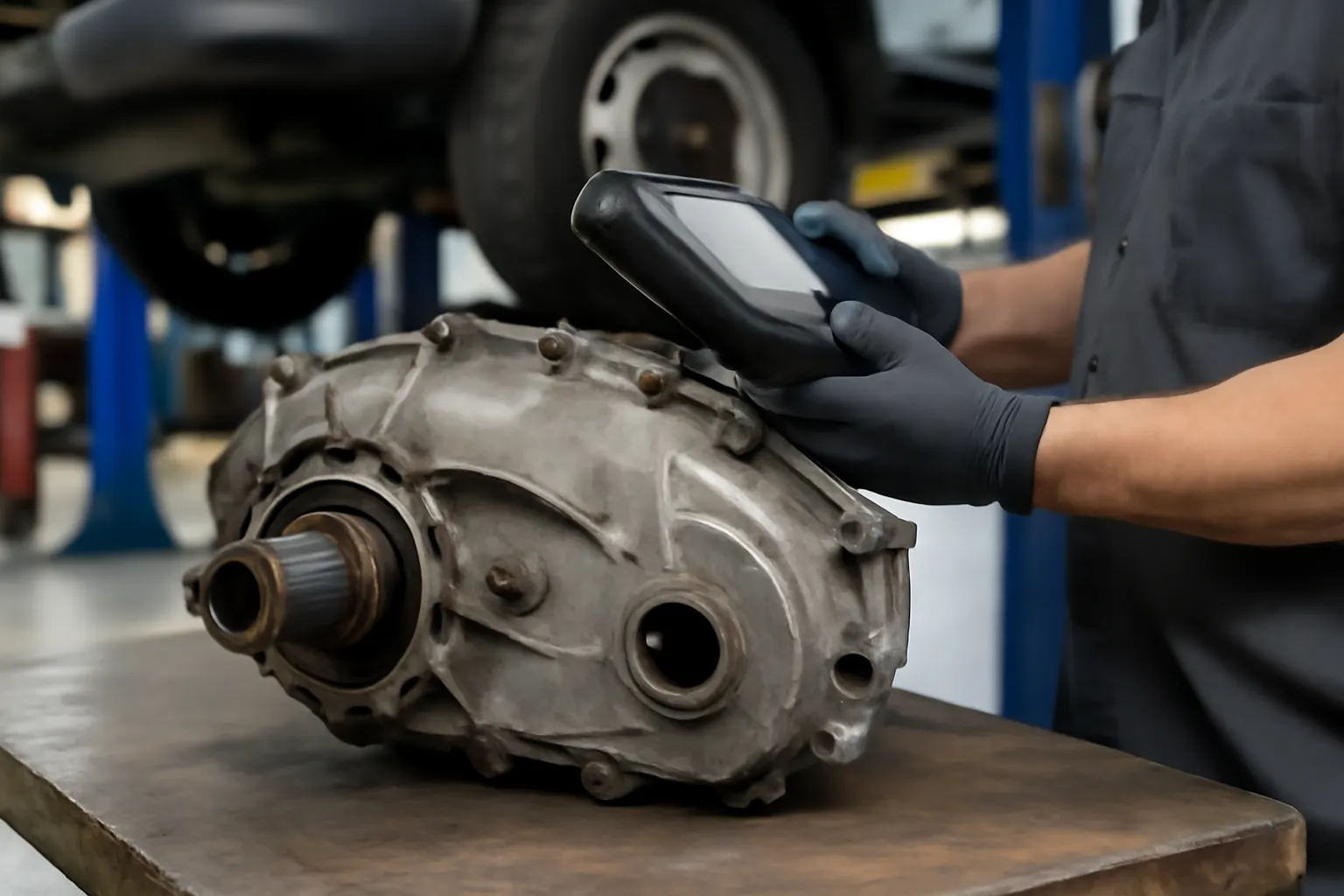
Common Transfer Case Failures and What to Watch For
Transfer cases are the backbone of four-wheel drive (4WD) and all-wheel drive (AWD) systems, ensuring that torque is distributed to the front and rear axles as needed. When a transfer case fails, drivability, fuel efficiency, and even vehicle safety can be compromised. This comprehensive guide breaks down the most common transfer case failures, how to recognize them, and what steps you can take to prevent or address these issues before they lead to more extensive drivetrain damage.
Read More
Transfer Case Core Return: Best Practices
Returning your old transfer case core correctly is essential for receiving full core credit and ensuring a smooth remanufacturing process. This detailed guide from AutoPartEx covers everything you need to know—from proper preparation and packaging, to the technical standards and common pitfalls that can lead to deductions or rejected cores. Whether you're a professional installer, a DIY enthusiast, or a parts manager, these best practices will help you maximize your return value and support the sustainable cycle of drivetrain remanufacturing.
View Guide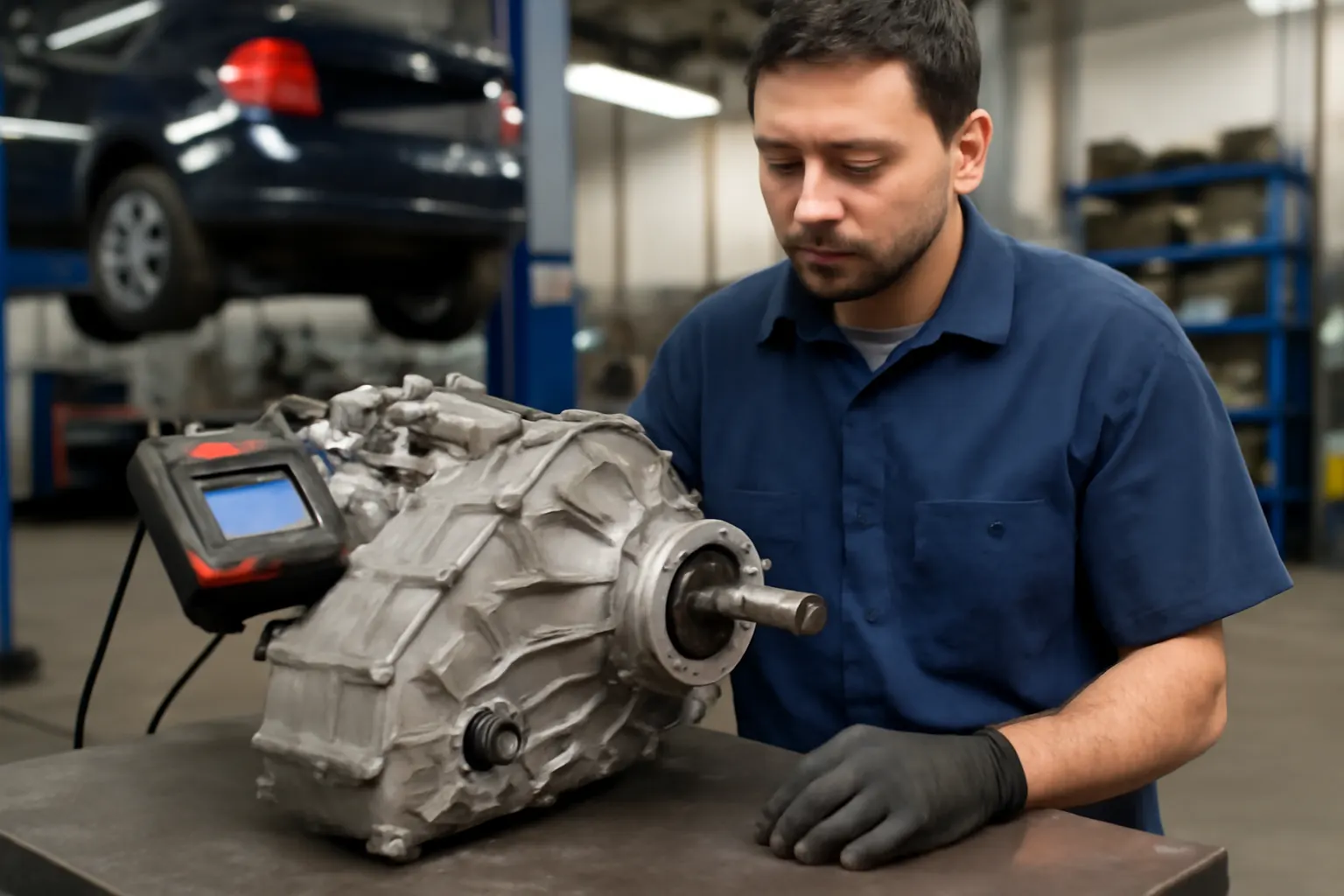
Remanufactured Drivetrain Parts: Are They Right for You?
Remanufactured drivetrain parts—including transfer cases and their cores—offer a cost-effective, sustainable, and performance-based alternative to brand-new OEM components. For most vehicle owners, especially those facing drivetrain failures or looking to extend the life of their vehicle, choosing remanufactured parts can deliver OEM-grade reliability at a fraction of the cost. But are remanufactured drivetrain parts the right fit for your needs, your vehicle, and your driving habits?
Read More