Advertisement
Remanufactured drivetrain parts—including transfer cases and their cores—offer a cost-effective, sustainable, and performance-based alternative to brand-new OEM components. For most vehicle owners, especially those facing drivetrain failures or looking to extend the life of their vehicle, choosing remanufactured parts can deliver OEM-grade reliability at a fraction of the cost. But are remanufactured drivetrain parts the right fit for your needs, your vehicle, and your driving habits?
This comprehensive guide explores the remanufacturing process, quality standards, technical considerations, and practical steps for selecting remanufactured drivetrain components. We’ll focus especially on transfer cases and their cores, referencing the Transfer Case Core: OEM-Grade Cores & Remanufacturing Solutions | AutoPartEx category for deeper insights and sourcing options.
Immediate Answer: Why Choose Remanufactured Drivetrain Parts?
Remanufactured drivetrain parts, when sourced from reputable suppliers and rebuilt to strict standards, can match or even exceed the performance of new parts. The remanufacturing process involves complete disassembly, cleaning, inspection, replacement of worn or outdated components, and reassembly to meet or exceed OEM specifications. This makes remanufactured transfer cases and related drivetrain cores a practical choice for:
- Cost savings: Typically 30–50% less expensive than new parts.
- Sustainability: Reduces waste and resource consumption by reusing viable components.
- Availability: Can solve supply chain delays or discontinued part issues.
- OEM-grade reliability: When remanufactured to proper standards, durability and fitment are comparable to new.
For drivers facing a failing transfer case or other drivetrain issues, remanufactured parts are often the fastest path back to reliable operation—without compromising safety or performance.
Hidden Problem: Not All Remanufactured Parts Are Created Equal
While remanufactured parts offer many benefits, the term “remanufactured” is not universally regulated. Quality can vary dramatically depending on the supplier, the processes used, and adherence to industry standards. Some products labeled as “rebuilt” or “refurbished” may not meet the rigorous requirements necessary for critical drivetrain components.
Key hidden issues include:
- Inconsistent quality control: Not all remanufacturers follow SAE or OEM standards.
- Unknown core history: The original part’s usage, damage, or prior repairs can affect remanufacturing outcomes.
- Component selection: Use of lower-quality or mismatched replacement parts can compromise performance.
- Limited warranty or support: Some remanufactured parts lack robust post-sale service or documentation.
Understanding these hidden pitfalls is essential before committing to a remanufactured drivetrain component, especially for mission-critical systems like transfer cases.
Digging Deeper: How Drivetrain Remanufacturing Works
What Is Remanufacturing?
Remanufacturing is a comprehensive process that restores used parts (“cores”) to like-new or better-than-new condition. It is distinct from simple repair or refurbishment. In the context of drivetrain components, remanufacturing typically involves:
- Complete disassembly and cleaning: Every component is removed, inspected, and cleaned using industrial-grade processes.
- Precision inspection: Parts are measured and tested for wear, cracks, or fatigue using specialized tools and often non-destructive testing.
- Replacement of wear items: Bearings, seals, gaskets, bushings, and other consumables are replaced with new, often improved, materials.
- Upgrading or reengineering: Where known design weaknesses exist, remanufacturers may use upgraded parts or improved assembly methods.
- Reassembly and testing: The unit is reassembled to OEM (or better) tolerances and tested on a dynamometer or equivalent test bench.
Transfer Case Core: The Heart of Drivetrain Remanufacturing
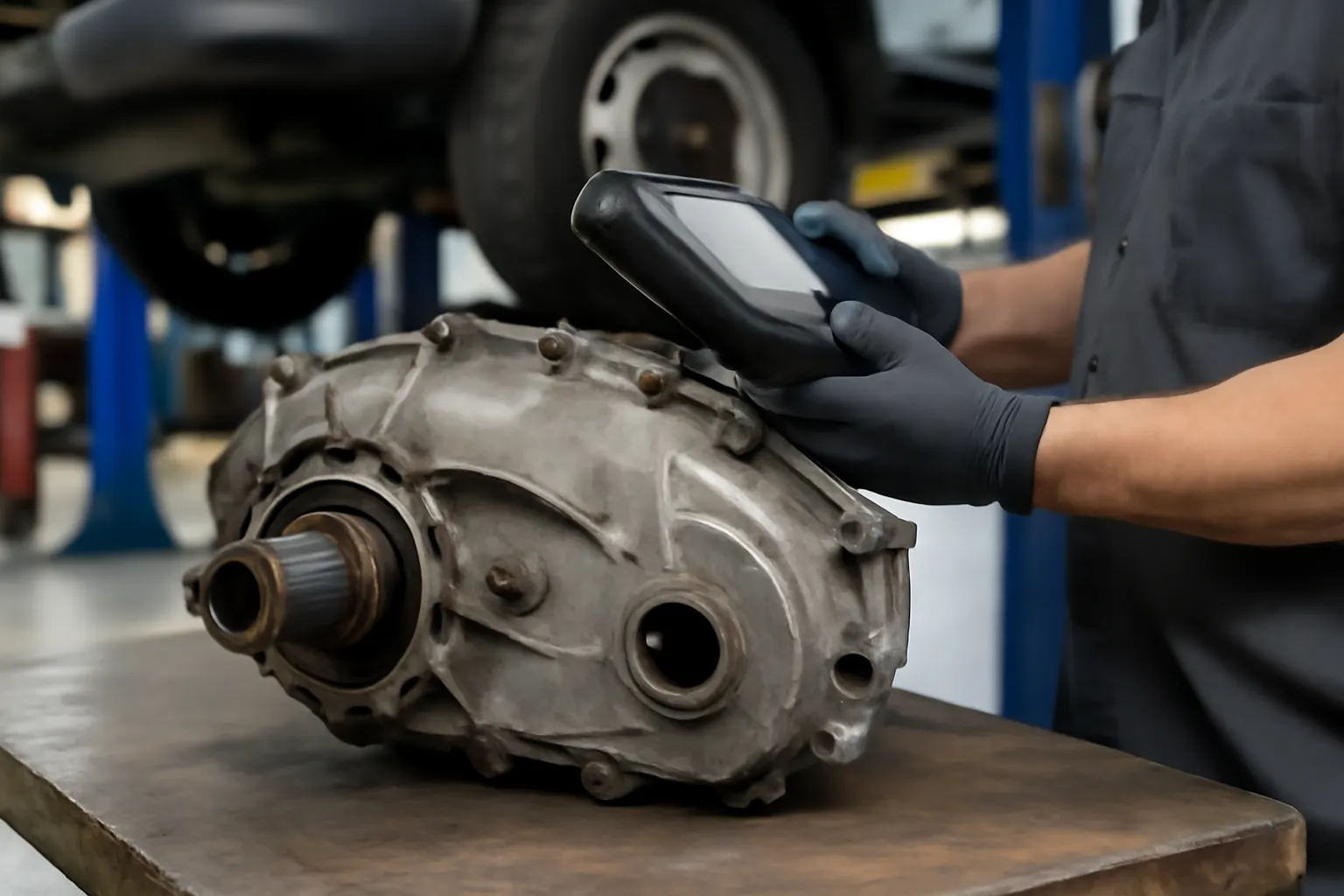
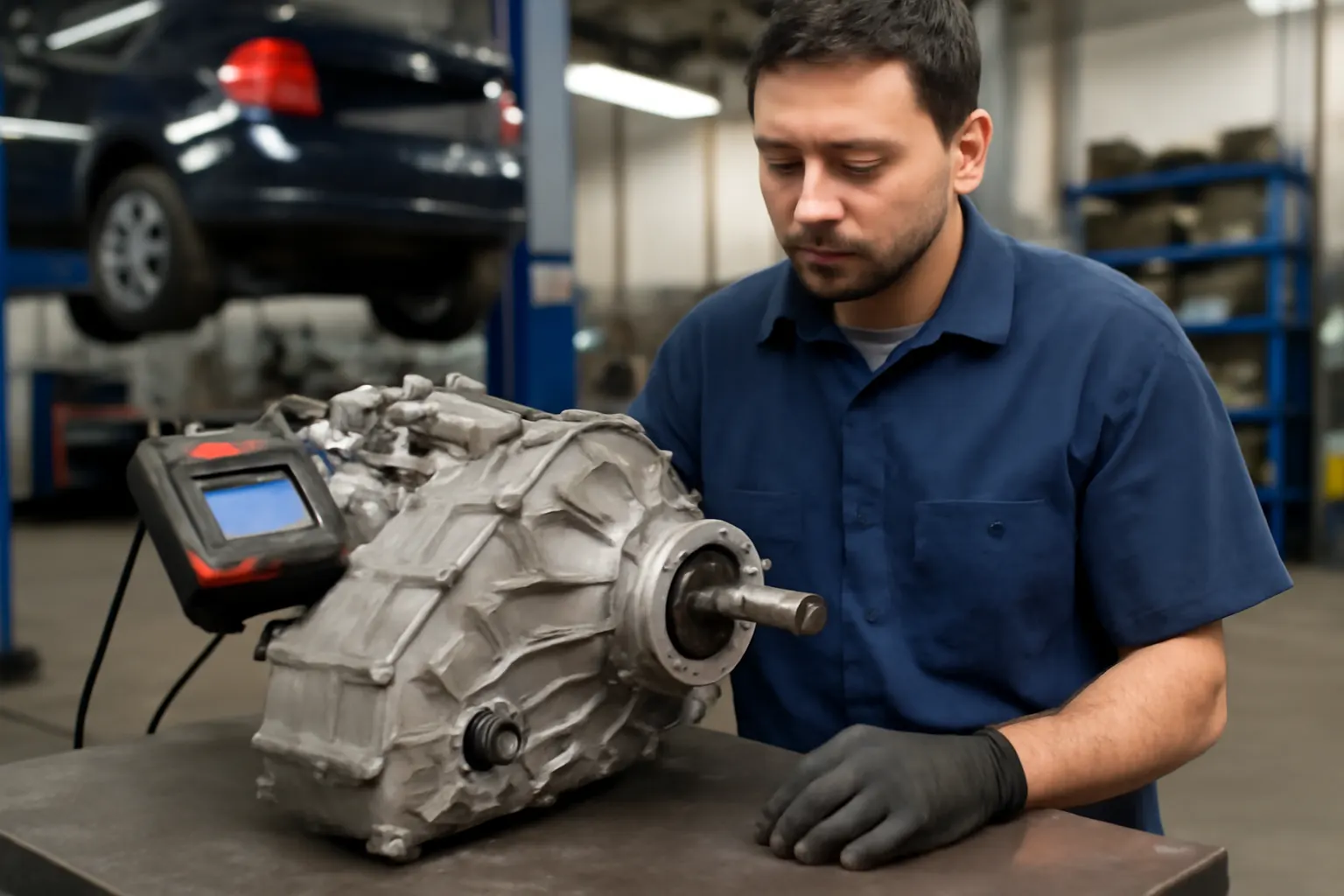
A transfer case core is the used, original part returned for remanufacturing. Transfer cases are complex, containing gears, chains, clutches, and electronic controls. The core’s condition directly affects the quality of the remanufactured unit. Suppliers like AutoPartEx apply strict core grading and inspection protocols—see the How to Inspect and Grade a Transfer Case Core guide for details.
Technical Standards: What Makes a Remanufactured Part Reliable?
To ensure safety and performance, remanufactured drivetrain parts should adhere to recognized industry standards. The Society of Automotive Engineers (SAE) provides guidelines for remanufacturing processes, materials, and testing (SAE Standards). Key benchmarks include:
Advertisement
- Dimensional accuracy: Machined surfaces must meet OEM tolerances.
- Material properties: Replacement components must match or exceed original material specs—see Materials Technologies.
- Performance validation: Units are tested for leak-free operation, load handling, and noise/vibration/harshness (NVH).
- Safety compliance: Remanufactured parts must not compromise vehicle safety systems (Vehicle Safety and Equipment).
Ask your supplier for documentation or certifications demonstrating adherence to these standards.
Transfer Case Remanufacturing: Step-by-Step Process
A closer look at the remanufacturing process for transfer cases reveals its technical rigor:
-
Core Receipt and Initial Inspection
- Cores are visually inspected for external damage, cracks, and completeness.
- Non-repairable units (e.g., with severe case damage) are rejected.
-
Disassembly and Cleaning
- All components are separated and cleaned using aqueous or solvent-based systems.
- Old lubricant, debris, and corrosion are fully removed.
-
Component Inspection and Grading
- Gears, shafts, chains, and internal components are measured for wear.
- Any out-of-spec or damaged parts are replaced.
-
Replacement and Upgrading
- All bearings, seals, gaskets, and friction materials are replaced with new.
- Known weak points (e.g., problematic shift forks or output shafts) are upgraded.
-
Reassembly
- Precision assembly with calibrated torque tools and verified clearances.
-
Testing
- Each transfer case is tested for function, leaks, and NVH.
- Electronic controls (if present) are verified.
-
Final Quality Control
- Serial numbers, batch tracking, and documentation are completed for traceability.
Diagnosing Drivetrain Issues: When Is Remanufacturing the Best Option?
Recognizing when to opt for a remanufactured drivetrain component can save you time, money, and frustration. Common symptoms indicating a failing transfer case or related drivetrain part include:
- Unusual noises (grinding, whining, clunking) during acceleration or deceleration
- Difficulty engaging/disengaging 4WD or AWD modes
- Fluid leaks beneath the transfer case
- Vibration or shuddering at speed
- Warning lights or error codes related to drivetrain
For a more detailed breakdown of common failures, see Common Transfer Case Failures and What to Watch For.
If your diagnosis points to internal mechanical failure or extensive wear, a remanufactured unit is often preferable to a used or repaired part, as it ensures all wear items and potential failure points have been addressed.
Remanufactured vs. New vs. Used: Pros and Cons
| Feature | Remanufactured | New OEM | Used/Salvage |
|---|---|---|---|
| Cost | Lower | Highest | Lowest |
| Availability | Good | Variable | Variable |
| Warranty | Often 1–3 years | Full OEM warranty | Typically none |
| Performance | OEM-equivalent or better | OEM standard | Variable/unknown |
| Environmental Impact | Lower (reuse) | Higher (new production) | Lower, but unknown wear |
| Fitment | OEM-matching | OEM-matching | May require adaptation |
Remanufactured parts strike a balance between cost, reliability, and sustainability—particularly for vehicles with high mileage, out-of-warranty status, or discontinued OEM support.
Sourcing Remanufactured Drivetrain Parts: What to Look For
Not all remanufactured parts are equal. Use this checklist when evaluating suppliers and parts:
Remanufactured Drivetrain Parts Sourcing Checklist
- Supplier Reputation: Choose established suppliers with documented history and customer reviews.
- Core Grading: Ensure cores are inspected and graded per industry best practices (How to Inspect and Grade a Transfer Case Core).
- Parts Traceability: Look for serial numbers and batch records for tracking.
- Testing Documentation: Ask for test results—especially for leak, load, and NVH.
- Warranty: Confirm warranty terms and support.
- Fitment Verification: Cross-check part numbers and vehicle compatibility using VIN or manufacturer guides.
- Upgrades Included: Where applicable, ask if known OEM weaknesses are addressed in the remanufacturing process.
- Environmental Practices: Prefer suppliers who use environmentally responsible cleaning and disposal methods.
Installation Guidance: Best Practices for Remanufactured Transfer Cases
Proper installation is critical to the long-term success of any remanufactured drivetrain component. Follow these best practices:
- Pre-Installation Inspection: Verify part numbers, inspect for shipping damage, and confirm supplied documentation.
- Preparation: Clean mounting surfaces, replace associated seals/gaskets, and flush old fluid from the system.
- Torque Specifications: Use OEM torque specs for all fasteners.
- Fluid Type: Fill with manufacturer-recommended transfer case fluid.
- Control Module Reset: For electronic transfer cases, clear any stored codes and perform required relearns.
- Post-Install Testing: Road test for noise, vibration, and proper function in all drive modes.
Advertisement
For a deeper dive into installation practices and return policies, review Transfer Case Core Return: Best Practices.
Maintenance After Installation: Maximizing Longevity
A remanufactured drivetrain part—especially a transfer case—relies on proper maintenance for optimal lifespan. Key maintenance steps include:
- Regular Fluid Changes: Adhere to manufacturer-recommended intervals and use the correct fluid type.
- Monitor for Leaks: Inspect seals and mating surfaces during oil changes.
- Check for Unusual Noises: Early detection of abnormal sounds can prevent further damage.
- Engage All Drive Modes: Cycle through 2WD/4WD/AWD modes periodically to keep internals lubricated.
- Monitor Warning Lights: Address any drivetrain-related warning lights promptly.
Proactive maintenance can extend the life of your remanufactured transfer case well beyond the warranty period.
Environmental and Economic Benefits: The Bigger Picture
Remanufacturing isn’t just about saving money—it’s part of a broader push toward resource efficiency and sustainability in the automotive industry. According to the United States Department of Energy’s Fuel Efficiency and Materials Technologies initiatives, remanufacturing:
- Reduces raw material consumption and energy use compared to new part production.
- Diverts significant tonnage of automotive components from landfills.
- Supports a circular economy by keeping valuable materials in use.
For fleet operators, commercial users, and environmentally conscious consumers, choosing remanufactured drivetrain parts aligns with both economic and ecological goals.
Fitment and Compatibility: Avoiding Costly Mistakes
One of the most common pitfalls in drivetrain repair is incorrect part selection. Transfer cases and their cores can vary not just by make and model, but by year, transmission type, and even specific drivetrain configuration. To ensure proper fitment:
- Use VIN-Based Lookup: Many suppliers, including AutoPartEx, offer VIN-based compatibility checks.
- Cross-Reference Part Numbers: Always verify part numbers against OEM catalogs.
- Consult Category Pages: Explore the Transfer Case Parts Category and Transfer Case Core: OEM-Grade Cores & Remanufacturing Solutions | AutoPartEx for detailed applications.
- Ask for Technical Support: When in doubt, contact the supplier with your vehicle details.
Incorrect fitment can cause installation delays, additional costs, or even vehicle damage—so invest the time to confirm compatibility before ordering.
Safety and Regulatory Considerations
Vehicle safety is paramount, especially for drivetrain components that affect traction, power delivery, and stability. The National Highway Traffic Safety Administration (NHTSA) requires that all replacement parts—including remanufactured ones—do not compromise the original safety performance of the vehicle.
- Remanufactured parts must not interfere with ABS, traction control, or stability systems.
- Suppliers should disclose any recalls or known issues affecting specific models (NHTSA Recalls).
- Installers must follow all torque and assembly procedures to maintain safety compliance.
Always confirm that remanufactured drivetrain parts are sourced from suppliers who document compliance with applicable safety standards.
The AutoPartEx Advantage: Sourcing with Confidence
At AutoPartEx, we specialize in OEM-grade remanufactured drivetrain components—including transfer cases, differentials, and related cores. Our rigorous sourcing, grading, and testing protocols ensure every unit meets or exceeds OEM standards for fit, function, and durability.
- Comprehensive Core Grading: Every transfer case core is inspected and graded for rebuildability.
- Transparent Documentation: Serial numbers, batch records, and detailed test reports are available for every unit.
- Expert Support: Our technical team can assist with VIN-based lookups, installation guidance, and troubleshooting.
- Sustainability Commitment: We prioritize environmentally responsible remanufacturing practices.
Explore our Transfer Case Core: OEM-Grade Cores & Remanufacturing Solutions | AutoPartEx category or contact our technical team for application-specific recommendations.
Making the Decision: Is Remanufactured Right for You?
Remanufactured drivetrain parts are a compelling solution for many vehicle owners, repair shops, and fleets. If you value cost savings, sustainability, and OEM-level performance—and are willing to invest in proper sourcing and installation—remanufactured transfer cases and cores are likely the right choice.
Before you buy, consider:
- The reputation and documentation of your supplier
- The specific remanufacturing processes used
- Fitment and compatibility with your vehicle
- Post-sale support and warranty coverage
- Your own comfort with installation or your shop’s expertise
By following the guidance above and consulting trusted resources like AutoPartEx, you can confidently restore your vehicle’s drivetrain performance and reliability—often at a fraction of the cost of new OEM parts.
References
Advertisement