Advertisement
When your vehicle’s drivetrain demands a replacement transfer case, you’ll face a critical decision: should you opt for a remanufactured transfer case or take your chances with a used core? The answer can impact your vehicle’s performance, reliability, safety, and long-term costs. In this comprehensive guide, AutoPartEx experts break down the real-world differences between remanufactured and used transfer case cores, revealing the hidden pitfalls and the technical details that matter most to drivers, fleet operators, and DIY enthusiasts. For more on transfer case core solutions, see our Transfer Case Core Replacement & Remanufacturing hub.
Immediate Answer: Remanufactured vs. Used Transfer Cases at a Glance
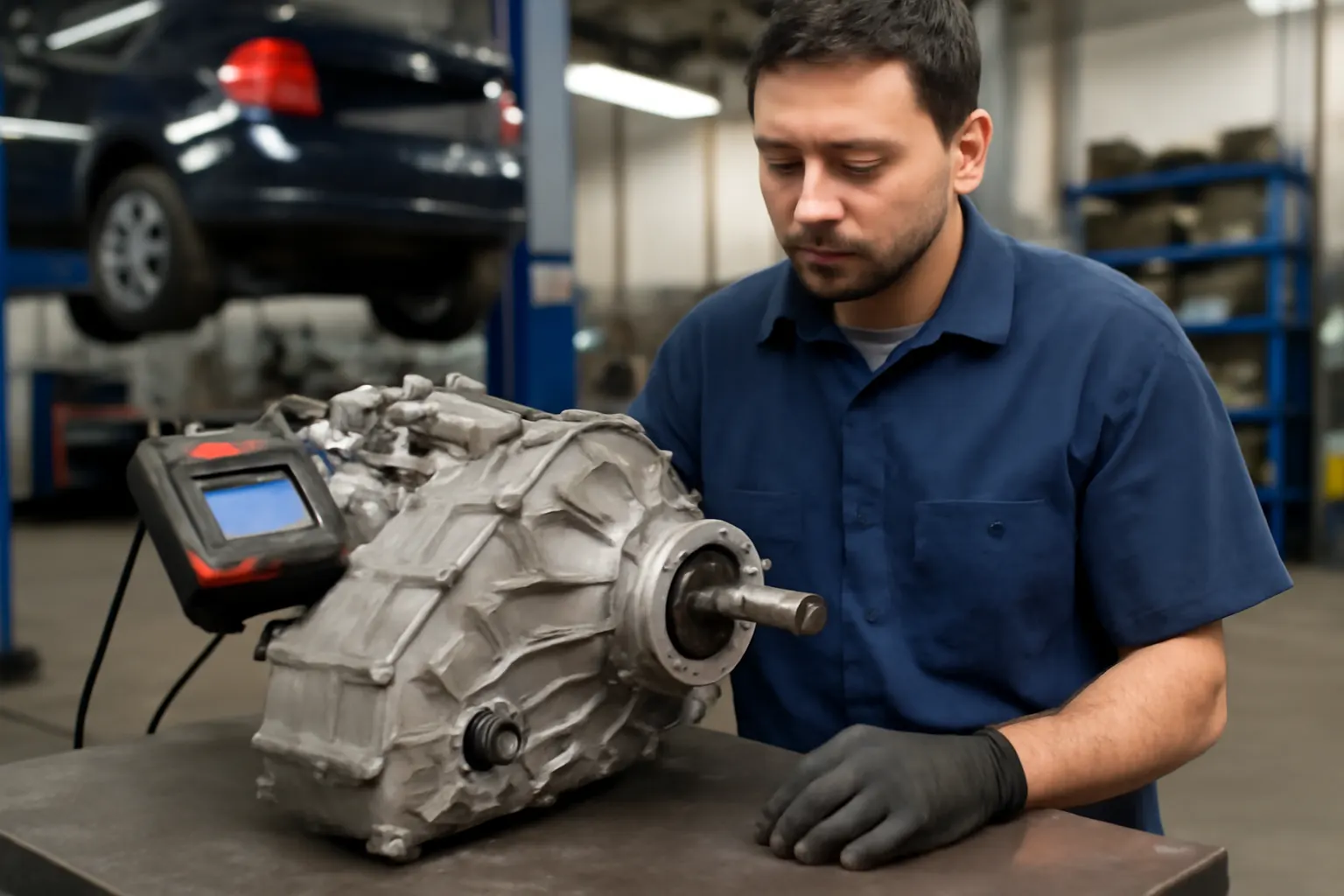
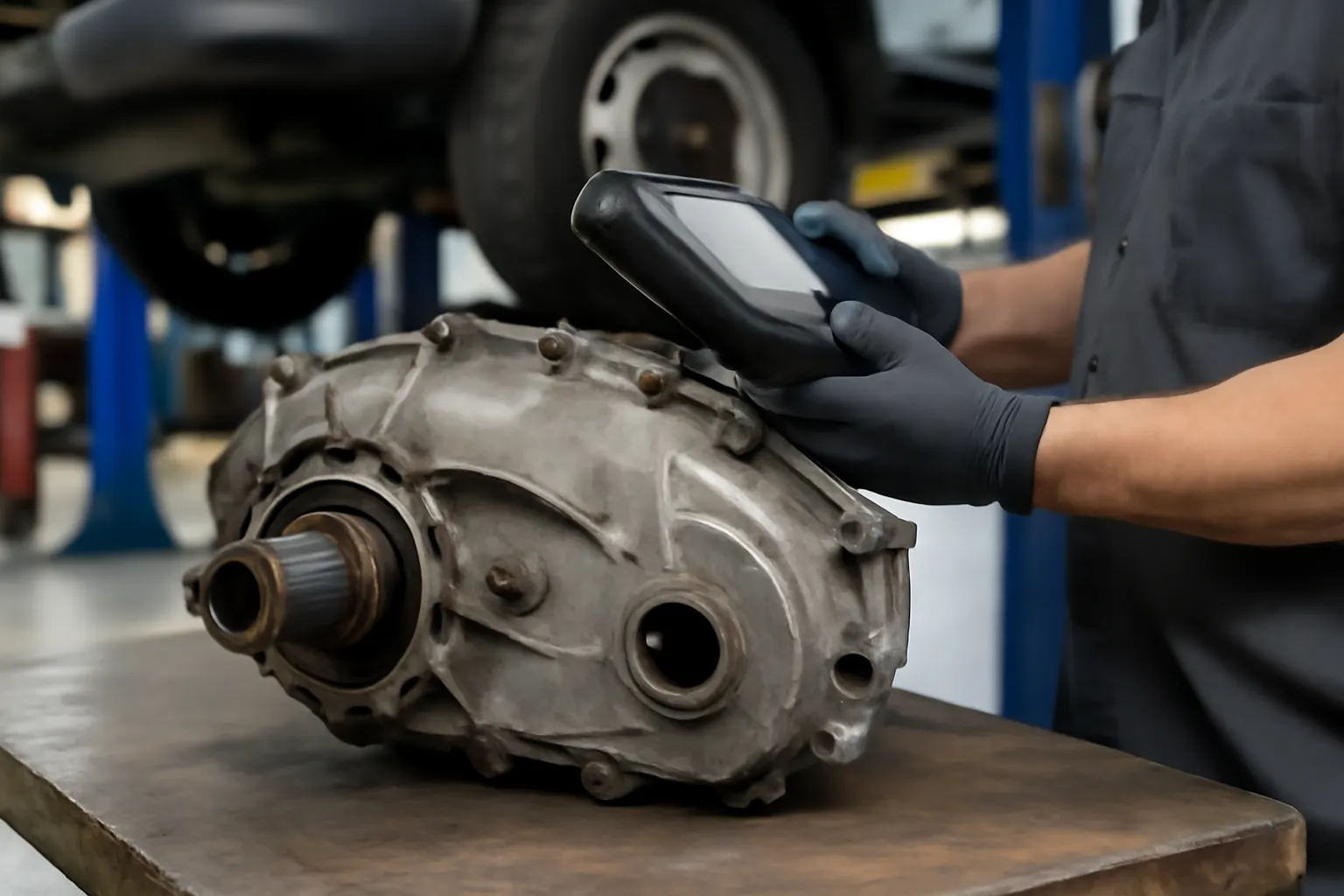
Remanufactured transfer cases are disassembled, thoroughly cleaned, inspected, and rebuilt with new or reconditioned components. They are tested to meet or exceed original equipment manufacturer (OEM) performance standards. Used transfer cases are removed from donor vehicles and typically sold as-is, with no guarantee of internal condition or remaining lifespan.
Key differences:
- Reliability: Remanufactured units are far more consistent and dependable.
- Performance: Remanufactured transfer cases restore factory performance, while used units may have unknown wear.
- Safety: Remanufactured cores are tested; used units are not.
- Cost: Used units are cheaper up front, but may cost more in the long run due to hidden issues.
The Hidden Problem: Risks of Used Transfer Case Cores
On the surface, buying a used transfer case seems like a budget-friendly fix. But the risks are substantial and often overlooked:
- Unknown History: Used units may have hidden damage from poor maintenance, off-road abuse, or previous drivetrain failures.
- Wear and Tear: Internal gears, bearings, and seals may be near end-of-life—even if the exterior looks fine.
- Inconsistent Fit: Used cases may have minor casting variations, outdated hardware, or mismatched sensors.
- Lack of Testing: There’s no standardized functional test for used units before resale.
These hidden issues can lead to premature failure, drivetrain noise, leaks, or even safety hazards on the road.
Why Transfer Case Condition Matters for Performance and Safety
The transfer case is a critical drivetrain component, distributing power between the front and rear axles in 4WD and AWD vehicles. Its condition directly affects:
- Traction and Stability: Faulty transfer cases can cause wheel slippage or loss of control, especially in adverse conditions.
- Fuel Efficiency: Internal friction from worn components reduces efficiency (see Fuel Efficiency, DOE).
- Component Longevity: A failing transfer case can damage driveshafts, differentials, and transmission.
- Safety Systems: Modern vehicles rely on the transfer case for traction control, ABS, and stability systems (see Vehicle Safety and Equipment, NHTSA).
A compromised transfer case core doesn’t just affect drivetrain operation—it can undermine the safety and reliability of your entire vehicle.
Technical Deep Dive: What Is a Remanufactured Transfer Case?
A remanufactured transfer case is not simply a repaired or refurbished unit. The remanufacturing process is rigorous and standardized:
- Complete Disassembly: The core is stripped to its bare housing.
- Cleaning: All parts are cleaned using industrial-grade solvents and ultrasonic cleaners.
- Inspection: Every component (gears, bearings, shafts, chain, seals) is measured and tested for wear.
- Replacement: Worn or out-of-spec parts are replaced with new or precision-reconditioned components.
- Upgrades: Known OEM design flaws are addressed with updated parts or improved materials (see Materials Technologies, DOE).
- Reassembly: The unit is rebuilt to OEM specs, using calibrated torque settings and new gaskets/seals.
- Testing: Each transfer case is bench-tested for leaks, noise, shifting, and torque transfer.
This process ensures that every remanufactured unit delivers like-new performance and reliability.
Advertisement
What You Get with a Used Transfer Case
A used transfer case is simply removed from a salvage vehicle and sold as-is. Here’s what you can expect:
- Unknown Mileage: You rarely know how many miles are on the unit.
- No Internal Inspection: There’s no teardown or replacement of internal components.
- No New Seals or Bearings: Most used units retain original seals, risking leaks.
- Possible Contamination: Old fluid and debris are often left inside.
- No Testing: There’s no guarantee the unit works until it’s installed.
While some used units may function well, the lack of inspection or testing means you’re gambling on its remaining lifespan.
Comparing Remanufactured and Used Transfer Cases: Feature Checklist
| Feature | Remanufactured Transfer Case | Used Transfer Case |
|---|---|---|
| Internal Inspection | Yes | No |
| New Seals & Bearings | Yes | Rarely |
| Component Replacement | Yes (worn/failed parts) | No |
| Upgrades/Improvements | Yes (where available) | No |
| Cleaned Internally | Yes | No |
| Bench Tested | Yes | No |
| Warranty Coverage | Yes (varies by supplier) | Often limited/none |
| Price | Higher upfront | Lower upfront |
| Installation Risk | Low | High |
| Expected Lifespan | Like new | Unknown |
Diagnosing Transfer Case Core Condition: Signs and Symptoms
Before deciding on a replacement option, it’s crucial to confirm that your transfer case is the source of your drivetrain issues. Common symptoms include:
- Grinding or Whining Noises: Indicate worn gears or bearings.
- Fluid Leaks: Suggest failed seals or cracks in the housing.
- Difficulty Shifting: Trouble engaging 4WD/AWD modes can signal internal damage.
- Vibration or Jerking: May result from chain stretch or gear misalignment.
- Warning Lights: Modern vehicles may trigger a “Service 4WD” or traction control light.
For a detailed diagnostic walkthrough, see our guide: How to Diagnose Transfer Case Failure.
Installation Considerations: Remanufactured vs. Used
The installation process for transfer cases is labor-intensive and requires careful attention to detail. Here’s how the replacement type affects your install:
- Remanufactured Units: Arrive clean, prepped, and ready for installation. New seals reduce the risk of leaks. Bench testing means you can trust the unit will function out of the box.
- Used Units: May require additional cleaning, resealing, or even minor repairs before installation. The risk of discovering problems after installation is high, leading to wasted labor and downtime.
Tip: Always replace transfer case fluid and check driveshaft yokes and U-joints during installation, regardless of core type.
Maintenance and Longevity: What to Expect
Proper maintenance is essential for maximizing the lifespan of any transfer case, but starting with a remanufactured unit gives you a significant advantage.
Remanufactured Transfer Case:
- Expect longevity comparable to a new OEM unit, provided regular fluid changes and inspections are performed.
- Reduced risk of unexpected leaks or failures due to new seals and bearings.
- Upgraded components may offer longer life than the original design.
Used Transfer Case:
- Lifespan is unpredictable; failure can occur at any time.
- Old seals and bearings are more likely to leak or seize.
- Contaminants left inside can accelerate internal wear.
Maintenance Checklist:
- Change transfer case fluid at manufacturer-recommended intervals.
- Inspect for leaks and check fluid level regularly.
- Listen for unusual noises during operation.
- Periodically check driveshaft and U-joint condition.
Cost Analysis: Upfront Savings vs. Long-Term Value
The initial price difference between remanufactured and used transfer cases can be substantial—used units may cost 30–50% less. However, the true cost of ownership includes:
- Labor: Installing a transfer case is a major job. If a used unit fails prematurely, you’ll pay for labor twice.
- Downtime: Vehicle out of service means lost time, especially for commercial or fleet vehicles.
- Future Repairs: Internal damage from a failed used unit can affect other drivetrain components.
Advertisement
In most cases, a remanufactured transfer case delivers better long-term value and peace of mind.
Sourcing the Right Transfer Case Core
Choosing the correct transfer case for your vehicle involves more than just matching the make and model. Consider these key factors:
- Model and Year Compatibility: Even small differences in sensors, connectors, or gear ratios can cause fitment issues.
- VIN Verification: Use your VIN to confirm the exact transfer case model.
- Supplier Reputation: Buy from trusted sources with clear remanufacturing processes and testing standards.
- Warranty Terms: Review warranty coverage and installation requirements.
- Return Policy: Especially important for core returns—see our Transfer Case Core Return: Step-by-Step Process.
When in doubt, consult with a drivetrain specialist or your trusted mechanic.
The Role of Materials and Modern Manufacturing Standards
Remanufactured transfer cases often benefit from advances in materials technology and manufacturing standards:
- Stronger Alloys: Upgraded gears and shafts may use improved alloys for better wear resistance (see Materials Technologies, DOE).
- Better Seals and Gaskets: Modern elastomers resist heat, pressure, and chemical breakdown.
- Precision Machining: CNC machining ensures tighter tolerances and smoother operation.
- Quality Control: Remanufacturers often use SAE and OEM standards for testing and assembly (see SAE Standards, SAE International).
These improvements are rarely found in used transfer cases, which are built to the standards of their original manufacturing date.
Safety, Recalls, and Regulatory Compliance
Transfer case failures can lead to loss of vehicle control or drivetrain lockup. Remanufactured units are typically built and tested to meet or exceed current safety standards, reducing the risk of catastrophic failure. Used units, especially from unknown sources, may be subject to unresolved recalls or may not comply with modern safety requirements.
For safety-critical parts, always verify that your replacement unit (remanufactured or used) is not subject to active recalls. You can check recall status through the NHTSA Equipment and NHTSA Recalls databases.
When Is a Used Transfer Case Appropriate?
There are scenarios where a used transfer case may be a reasonable choice:
- Short-Term Solution: If you plan to sell or scrap the vehicle soon.
- Rare or Obsolete Models: If remanufactured units are unavailable.
- Budget Constraints: When immediate cost is the overriding concern.
However, weigh these benefits against the risks of failure, additional labor, and potential impact on vehicle safety and reliability.
Expert Solution Path: Making the Right Choice for Your Vehicle
Step 1: Diagnose the Issue
- Confirm that the transfer case is the root cause of your drivetrain problem.
- Use guides like How to Diagnose Transfer Case Failure for a systematic approach.
Step 2: Evaluate Your Needs
- Consider vehicle usage, expected lifespan, and long-term reliability.
- For daily drivers, work trucks, and family vehicles, prioritize remanufactured units.
Step 3: Source the Correct Unit
- Match the transfer case to your vehicle’s exact specifications.
- Use trusted suppliers who offer clear remanufacturing details and warranty coverage.
Step 4: Plan for Installation
- Schedule professional installation or follow OEM procedures if DIY.
- Replace fluid, inspect related drivetrain components, and test operation before returning the vehicle to service.
Step 5: Maintain for Longevity
- Follow a strict maintenance schedule and monitor for early warning signs.
- Address minor issues promptly to avoid major failures.
AutoPartEx: Your Partner in Transfer Case Core Solutions
At AutoPartEx, we understand that drivetrain reliability is non-negotiable. Our extensive Transfer Case Core Replacement & Remanufacturing inventory features rigorously remanufactured units engineered for performance, safety, and long service life. Backed by technical expertise and a commitment to quality, we help you avoid the pitfalls of used cores and get your vehicle back on the road with confidence.
For more insights on transfer case health, see Top 5 Signs Your Transfer Case Core Needs Attention.
References
Advertisement