Top 5 Jack Assembly Failures and How to Prevent Them
Jack assemblies are the unsung heroes of vehicle maintenance, providing the essential lifting power required for everything from tire changes to undercarriage repairs. However, jack failure is more common—and more dangerous—than many drivers realize. Knowing the top five jack assembly failures and how to prevent them can mean the difference between a routine roadside fix and a catastrophic accident. This comprehensive guide delivers immediate answers, exposes hidden risks, provides technical insights, and outlines actionable steps to ensure your jack assembly remains a reliable lifting solution.
If you're interested in the broader context of jack assemblies and their importance across all vehicle types, explore our Jack Assembly: The Essential Lifting Solution for Every Vehicle resource for foundational knowledge and product options.
The Immediate Answer: Top 5 Jack Assembly Failures
Let's cut straight to the core: The five most frequent jack assembly failures are:
- Hydraulic Fluid Leaks (Hydraulic Jacks)
- Mechanical Wear and Gear Failure
- Base or Saddle Deformation
- Improper Locking Mechanism Engagement
- Corrosion and Rusting of Load-Bearing Components
Each of these failures can lead to sudden jack collapse, vehicle instability, or inability to lift the vehicle safely. Understanding these issues is the first step; preventing them is the ultimate goal.
The Hidden Problem: Why Jack Assembly Failures Are Overlooked
Many drivers and even some technicians underestimate the critical role jack assemblies play in vehicle safety. Unlike more visible parts such as AC Compressors or air boxes, jacks are often relegated to the trunk, forgotten until an emergency arises. This lack of routine inspection and maintenance is a key reason failures go unnoticed—until it's too late.
Compounding the problem, not all jack assemblies are created equal. Variations in materials, design, and manufacturing quality directly impact reliability. Some failures stem from user error, but many are the result of hidden weaknesses that only become apparent under load.
Expanding the Problem: Detailed Failure Analysis
1. Hydraulic Fluid Leaks
Hydraulic jacks rely on sealed systems to generate lifting force. Any breach or degradation in seals, hoses, or fluid reservoirs leads to a loss of pressure, rendering the jack ineffective or causing sudden collapse under load.
Common Causes:
- Aged or degraded seals
- Micro-cracks in hydraulic lines
- Contaminated or incorrect hydraulic fluid
2. Mechanical Wear and Gear Failure
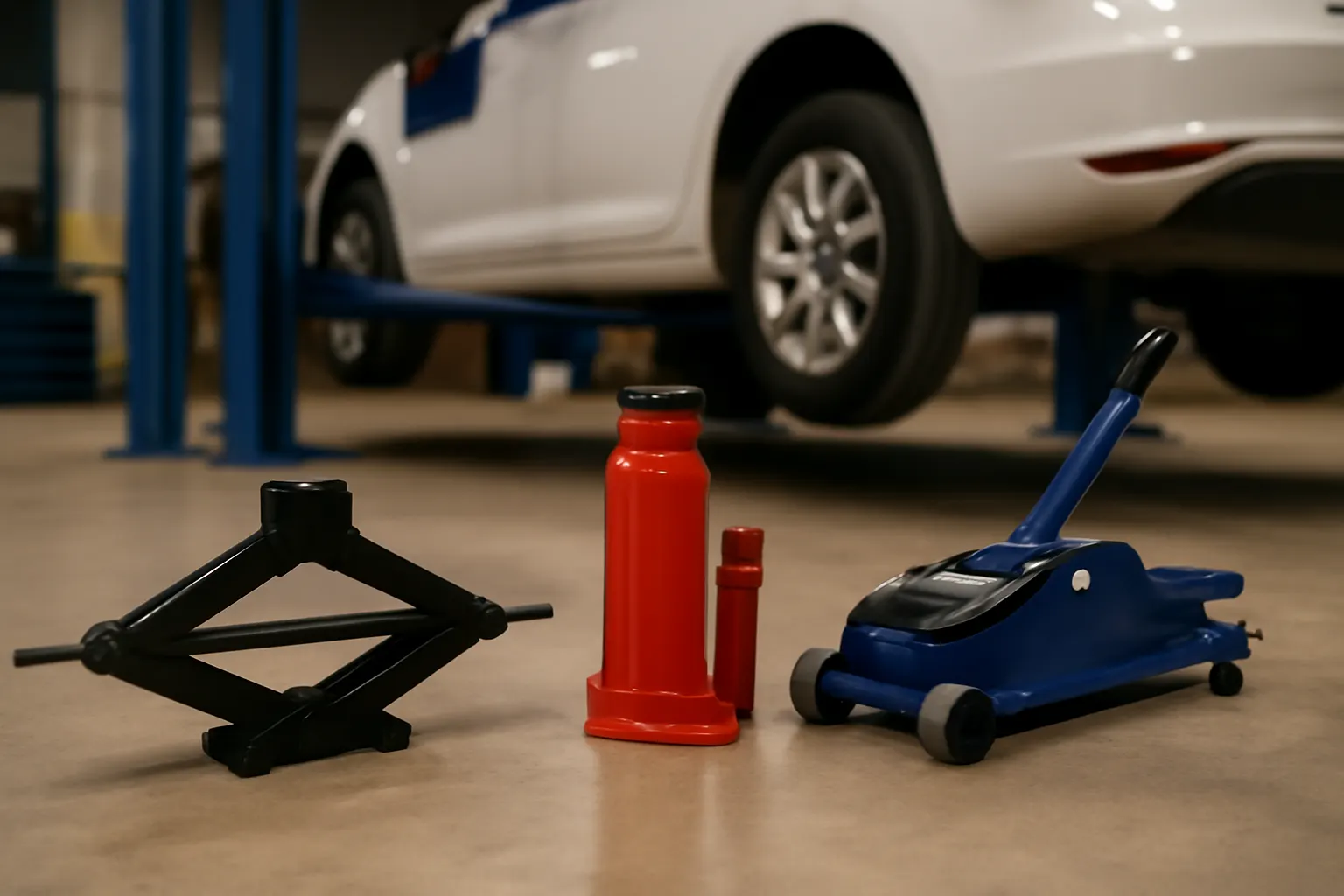
Mechanical jacks (scissor, bottle, or screw types) depend on gear teeth and threaded rods. Over time, repeated use, inadequate lubrication, or overloading can strip gears or seize threads, especially on lower-quality units.
Common Causes:
- Exceeding rated capacity
- Lack of lubrication
- Poor manufacturing tolerances
3. Base or Saddle Deformation
The jack’s base and saddle distribute load across the ground and the vehicle’s lift point. Deformation here can cause instability, tilting, or outright collapse.
Common Causes:
- Use on uneven or soft surfaces
- Manufacturing defects
- Overloading beyond rated capacity
4. Improper Locking Mechanism Engagement
Many jacks incorporate safety locks or pins. If these fail to engage—or are bypassed—there’s nothing to prevent sudden lowering.
Common Causes:
- User error (failing to engage lock)
- Damaged or worn locking components
- Misalignment due to deformation
5. Corrosion and Rusting of Load-Bearing Components
Moisture, road salt, and age lead to rust, especially in steel jacks. Corroded parts lose structural integrity, often failing without warning.
Common Causes:
- Inadequate storage (exposed to moisture)
- Lack of protective coatings
- Failure to inspect and maintain
Technical Deep Dive: How Jack Assemblies Work—and Fail
To prevent failure, it’s crucial to understand jack assembly construction and operation.
Hydraulic Jacks
Hydraulic jacks use incompressible fluid in a sealed chamber. Pressing the pump handle increases pressure, moving a piston and lifting the load. Key vulnerabilities include:
- Seals and O-rings: Deteriorate with age or incompatible fluids.
- Reservoirs: Can develop leaks from impact or corrosion.
- Relief Valves: May stick or fail, preventing safe lowering.
Mechanical Jacks
Mechanical jacks use leverage, gears, and threaded rods to convert manual force into lifting power. Key vulnerabilities:
- Gear Teeth: Prone to stripping if overloaded.
- Threads: Can seize from lack of lubrication or corrosion.
- Pins and Locks: Critical for holding load; must be free of wear and debris.
Materials Science and Failure Modes
According to the United States Department of Energy's Materials Technologies research, lightweight, high-strength materials improve performance but may introduce new failure modes, such as aluminum fatigue or composite cracking. Steel jacks resist deformation but are susceptible to rust without proper coatings.
The Solution Path: Preventing Jack Assembly Failures
Proactive inspection, maintenance, and correct usage are the pillars of jack assembly reliability. Here’s how to address each failure mode:
1. Preventing Hydraulic Fluid Leaks
- Inspect Seals and Hoses: Check for visible cracks or leaks before each use.
- Use Correct Fluid: Only fill with manufacturer-recommended hydraulic oil.
- Store Upright: Prevents internal leakage and air entrapment.
2. Minimizing Mechanical Wear
- Lubricate Threads and Gears: Apply light grease to all moving parts at regular intervals.
- Avoid Overloading: Never exceed the stated capacity—double-check vehicle weight.
- Replace Worn Components: If gears or threads show damage, replace immediately.
3. Protecting Against Deformation
- Use on Stable Surfaces: Always lift on flat, hard ground. Carry a steel or wood plate for emergencies.
- Inspect for Warping: Look for bent bases or saddles—replace if damaged.
- Respect Load Ratings: Choose a jack rated at least 25% above your vehicle’s curb weight.
4. Ensuring Proper Lock Engagement
- Double-Check Locks: Always confirm locks or pins are fully engaged before lifting.
- Clean Locking Mechanisms: Remove debris and lubricate as needed.
- Test Before Use: With no load, cycle the lock to ensure smooth operation.
5. Preventing Corrosion
- Store Indoors: Keep jacks dry; avoid trunk storage if the area is prone to leaks.
- Apply Protective Coatings: Use rust inhibitors or paint on exposed metal.
- Inspect Regularly: Check for rust, especially after winter or wet conditions.
Essential Jack Assembly Inspection Checklist
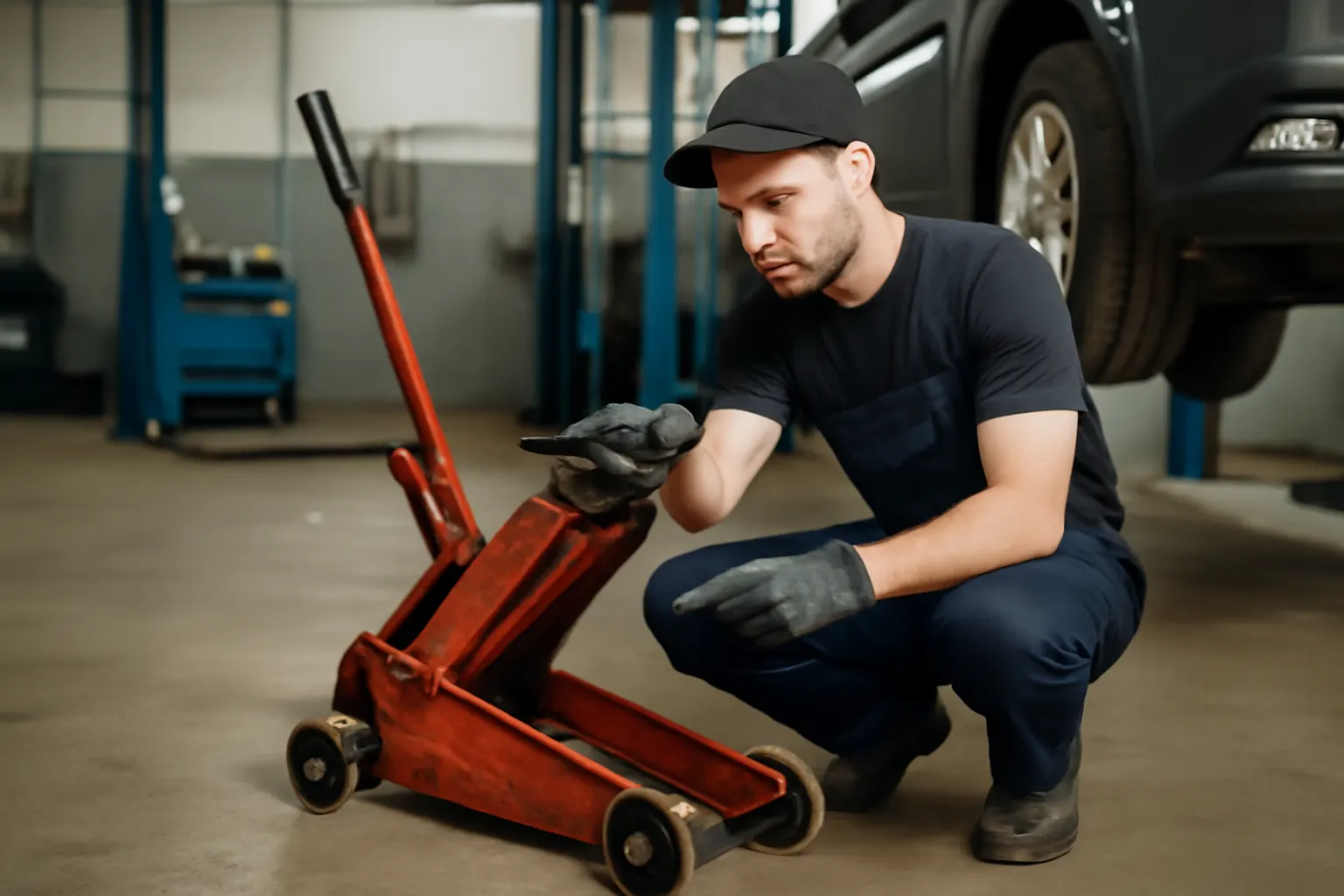
Before every use—and at least quarterly for jacks stored in your vehicle—follow this detailed checklist:
| Inspection Area | What to Look For | Action Required |
|---|---|---|
| Hydraulic Fluid | Leaks, low level, contamination | Top up/replace fluid |
| Seals & Hoses | Cracks, swelling, leaks | Replace if damaged |
| Gears & Threads | Wear, rust, debris, lack of grease | Clean/lubricate/replace |
| Base & Saddle | Warping, cracks, rust | Replace if deformed |
| Locking Mechanism | Smooth engagement, wear, debris | Clean/lubricate/replace |
| Corrosion | Rust on any load-bearing surface | Treat/replace as needed |
| Labels & Ratings | Legible capacity and instructions | Replace if missing |
Diagnosing Jack Assembly Problems in the Field
Even with diligent maintenance, issues can arise. Recognizing the warning signs can prevent accidents:
- Jack fails to lift or loses height under load: Suspect hydraulic leak or worn seals.
- Handle is unusually stiff or won’t turn: Mechanical binding or lack of lubrication.
- Jack rocks or shifts under vehicle: Base deformation or unstable surface.
- Unusual noises (grinding, popping): Gear or thread damage.
- Visible rust or corrosion: Compromised structural integrity.
If any of these symptoms appear, stop using the jack immediately and follow the replacement or repair procedure.
Sourcing Reliable Jack Assemblies: What to Look For
Not all jacks are equal. When sourcing a replacement or upgrade, consider:
- Certification: Look for compliance with SAE Standards and relevant safety regulations.
- Materials: High-strength steel or reinforced composites offer the best durability; avoid thin-gauge or poorly welded products.
- Load Rating: Always select a jack with a capacity greater than your heaviest vehicle.
- Manufacturer Reputation: Choose established brands with strong safety records and clear documentation.
- Replacement Part Availability: Ensure spare parts (seals, handles, pins) are readily available.
For more on selecting the right jack, see Choosing the Right Jack for Your Vehicle.
Installation and Safe Use: Best Practices
Proper installation and operation are as vital as the jack itself. Follow these steps every time:
- Park on Level Ground: Engage the parking brake and chock wheels.
- Locate Manufacturer-Approved Lift Points: Refer to your vehicle manual.
- Position the Jack Correctly: Ensure full contact with the lift point and ground.
- Engage Locking Mechanisms: Double-check before lifting.
- Lift Gradually: Watch for any instability or movement.
- Never Work Under a Vehicle Supported Only by a Jack: Always use jack stands rated for your vehicle’s weight.
For a complete walkthrough, see How to Safely Use a Jack Assembly.
Maintenance: Extending the Life of Your Jack Assembly
Routine maintenance is the best defense against failure. Key tasks include:
- Quarterly Inspection: Use the checklist above.
- Annual Fluid Change (Hydraulic Jacks): Replace old fluid to prevent contamination.
- Rust Prevention: Wipe down after exposure to moisture and apply protective coatings.
- Lubrication: Apply grease to mechanical parts every six months or after heavy use.
- Storage: Keep in dry, temperate environments; avoid direct contact with road salt or chemicals.
Detailed maintenance procedures are covered in our Jack Assembly Maintenance and Inspection guide.
When to Replace: Recognizing End-of-Life
No jack assembly lasts forever. Recognize these clear signs that replacement is necessary:
- Persistent leaks or inability to hold pressure (hydraulic)
- Stripped gears, seized threads, or bent handles (mechanical)
- Deformed base or saddle
- Severe rust or pitting on any load-bearing surface
- Missing or unreadable safety labels
Attempting to repair severely compromised jacks is not recommended; always err on the side of safety and replace with a certified unit.
AutoPartEx Expert Action: Your Safety, Our Priority
At AutoPartEx, we understand that your safety depends on reliable lifting equipment. We offer only jack assemblies that meet or exceed NHTSA safety standards and SAE engineering requirements. Our curated selection covers all vehicle classes—from compact cars to heavy-duty trucks—and includes detailed fitment information, replacement parts, and expert support.
Whether you’re performing routine maintenance or emergency roadside repairs, trust AutoPartEx for:
- Verified part compatibility
- Technical support and installation guidance
- Direct access to manufacturer specifications and standards
Explore our full range of jack assemblies and accessories to ensure you’re equipped for any situation.
Related Resources
- Jack Assembly: The Essential Lifting Solution for Every Vehicle
- Choosing the Right Jack for Your Vehicle
- Jack Assembly Maintenance and Inspection
- How to Safely Use a Jack Assembly