Top 5 Jack Assembly Failures and How to Prevent Them
Jack assemblies are the unsung heroes in the world of automotive maintenance, providing the crucial lifting power needed for tire changes, underbody inspections, and countless repair tasks. However, even the most robust jack can fail—sometimes with dangerous or costly results. Understanding the most common jack assembly failures, their root causes, and how to prevent them is essential for every vehicle owner, technician, and fleet operator. In this comprehensive AutoPartEx guide, we break down the top five jack assembly failures and deliver actionable, expert-backed strategies for keeping your lifting equipment safe and reliable. If you're looking for a deeper dive into jack assemblies, visit our Jack Assembly: The Essential Lifting Solution for Every Vehicle category page for more in-depth resources.
The Immediate Answer: What Are the Top 5 Jack Assembly Failures?
The five most common jack assembly failures, as reported by automotive safety agencies and industry experts, are:
- Hydraulic Fluid Leaks and Seal Failures
- Mechanical Deformation or Bending of Structural Components
- Stripped or Damaged Lifting Threads/Screws
- Release Valve Malfunctions
- Base Instability and Foundation Failures
Each of these failures can lead to unsafe lifting conditions, personal injury, or damage to your vehicle. Recognizing the signs and causes of these problems is the first step toward prevention.
The Hidden Problem: Why Jack Failures Are More Common Than You Think
Many vehicle owners and even professional technicians underestimate the risks associated with jack assembly failures. According to the National Highway Traffic Safety Administration (NHTSA), improper equipment use and undetected part defects are leading contributors to repair-related injuries and accidents NHTSA Equipment. Jack assemblies are often neglected until the moment of need, leading to a false sense of security and overlooked warning signs.
Hidden dangers include:
- Gradual material fatigue that goes unnoticed until a catastrophic failure.
- Improper storage causing corrosion or seal degradation.
- Lack of routine inspection, allowing minor issues to escalate.
The reality is, jack assemblies are subjected to intense mechanical loads, rapid temperature changes, and frequent handling, all of which accelerate wear and increase the likelihood of failure if not properly maintained.
Deeper Technical Insight: How and Why Jack Assemblies Fail
To understand how to prevent jack assembly failures, it's crucial to know the underlying technical causes. Each of the top five failures stems from a combination of material limitations, user error, and design constraints. Here’s a closer look at the engineering behind these issues:
1. Hydraulic Fluid Leaks and Seal Failures
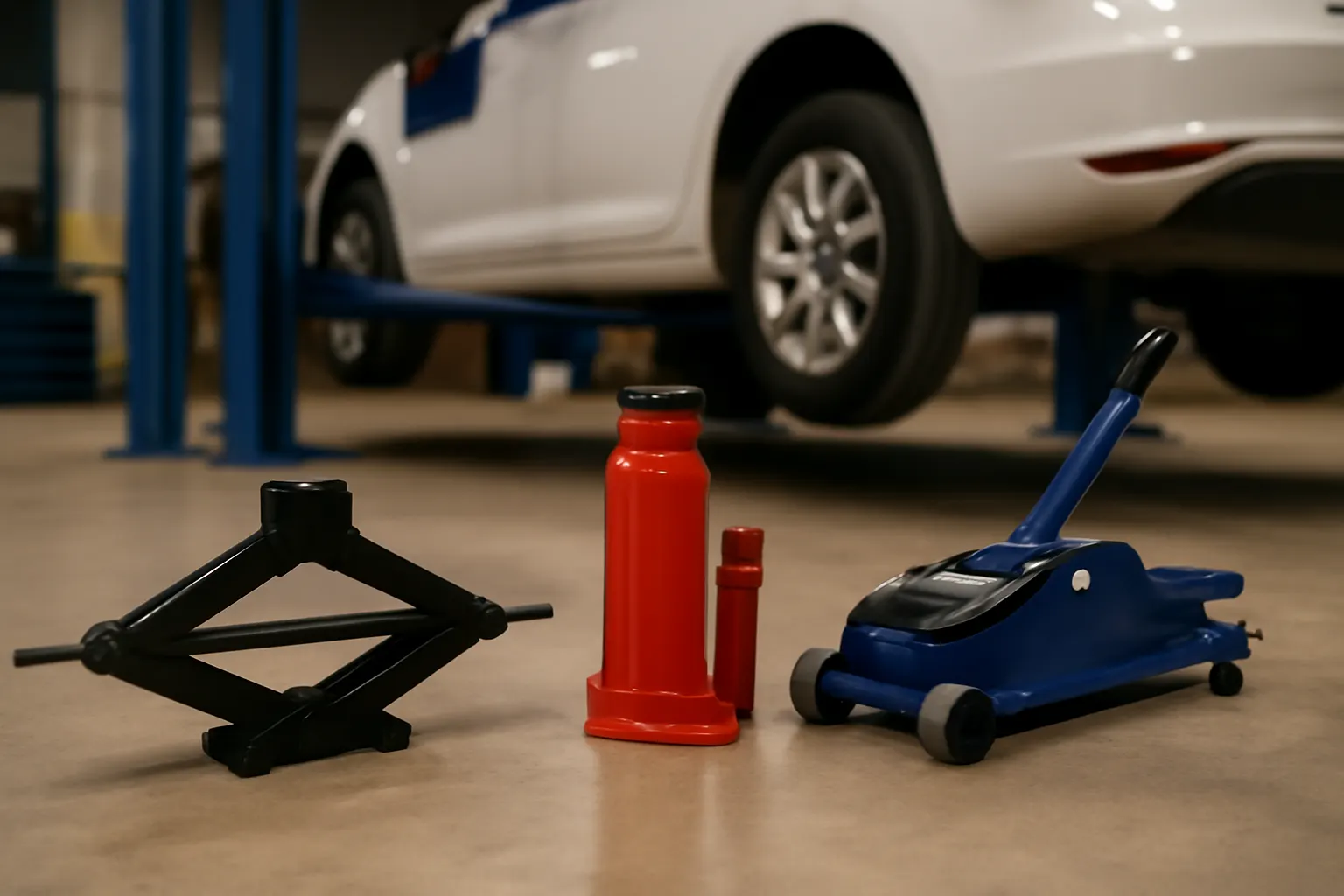
Hydraulic jacks rely on pressurized fluid to lift heavy loads. Over time, seals can degrade due to exposure to contaminants, temperature fluctuations, and natural wear. Once a seal is compromised, hydraulic fluid can leak, reducing lifting power or causing sudden failure.
Key causes:
- Aging or low-quality rubber seals
- Contaminated or incorrect hydraulic fluid
- Overextension or overloading of the jack
2. Mechanical Deformation or Bending
Jack assemblies are designed to distribute loads evenly. However, if a jack is used on an uneven surface or subjected to loads beyond its rated capacity, structural components can bend, warp, or crack. Material selection and manufacturing quality play a significant role here—lighter, cheaper materials may not withstand repeated heavy use DOE Materials Technologies.
3. Stripped or Damaged Lifting Threads/Screws
Scissor jacks and other mechanical jacks use threaded rods to convert rotational force into lifting motion. Threads can become stripped due to cross-threading, over-tightening, or poor lubrication. Once threads are damaged, the jack may fail to lift or, worse, collapse under load.
4. Release Valve Malfunctions
The release valve controls the descent of the jack. If the valve becomes stuck, clogged, or fails to seat properly, the jack may lower too quickly or be unable to lower at all. This can result in sudden vehicle drops or the inability to safely remove the jack.
5. Base Instability and Foundation Failures
A jack’s base must provide stable support. Rust, deformation, or use on soft/uneven ground can compromise stability, leading to tipping or sinking. This is particularly hazardous during roadside repairs or in emergency situations.
Recognizing the Warning Signs: Early Detection Checklist
Prevention starts with early detection. Use the following checklist before each use to spot potential jack assembly failures:
| Inspection Area | What to Look For | Action Needed |
|---|---|---|
| Hydraulic Fluid (if applicable) | Pooled fluid, low reservoir, sticky movement | Refill or repair seals |
| Structural Frame | Bends, cracks, visible rust | Replace or repair jack |
| Lifting Mechanism (threads) | Resistance, grinding, stripped threads | Lubricate or replace parts |
| Release Valve | Sticking, uncontrolled descent, leaks | Clean or service valve |
| Base Plate/Feet | Rust, warping, instability | Repair or use on solid base |
| Labels and Load Ratings | Missing, illegible, or incorrect information | Replace labels, verify specs |
Performing this inspection before every use is critical. For more detailed maintenance guidance, see our Jack Assembly Maintenance and Inspection guide.
Failure #1: Hydraulic Fluid Leaks and Seal Failures
The Problem
Hydraulic jacks depend on a closed system to generate the pressure needed for lifting. When seals fail, hydraulic fluid leaks out, causing the jack to lose lifting capacity or collapse unexpectedly.
Technical Expansion
Seals are typically made from rubber or synthetic polymers, vulnerable to heat, UV exposure, and chemical contamination. Over time, these materials harden, shrink, or crack. Using the wrong hydraulic fluid can also degrade seals or cause internal corrosion.
Prevention and Troubleshooting
- Routine Inspection: Check for fluid leaks around the ram, pump, and reservoir.
- Seal Replacement: Replace seals at the first sign of wear or leakage.
- Fluid Quality: Use only manufacturer-recommended hydraulic fluid.
- Proper Storage: Store jacks indoors, away from direct sunlight and extreme temperatures.
If a hydraulic jack loses pressure or leaks fluid, do not attempt to use it until the issue is resolved. Rebuilding or replacing the seal kit is often a cost-effective fix.
Failure #2: Mechanical Deformation or Bending
The Problem
Bent or warped jack frames are a red flag for imminent failure. Deformation indicates the jack has been overloaded or used incorrectly.
Technical Expansion
Automotive jacks are engineered with specific material strengths. Using a jack rated for passenger cars on a heavier SUV or truck can exceed its yield strength, causing permanent deformation. Corrosion from moisture or road salt further weakens structural integrity DOE Materials Technologies.
Prevention and Troubleshooting
- Respect Load Ratings: Never exceed the rated lifting capacity.
- Use on Level Surfaces: Always position the jack on a flat, solid surface.
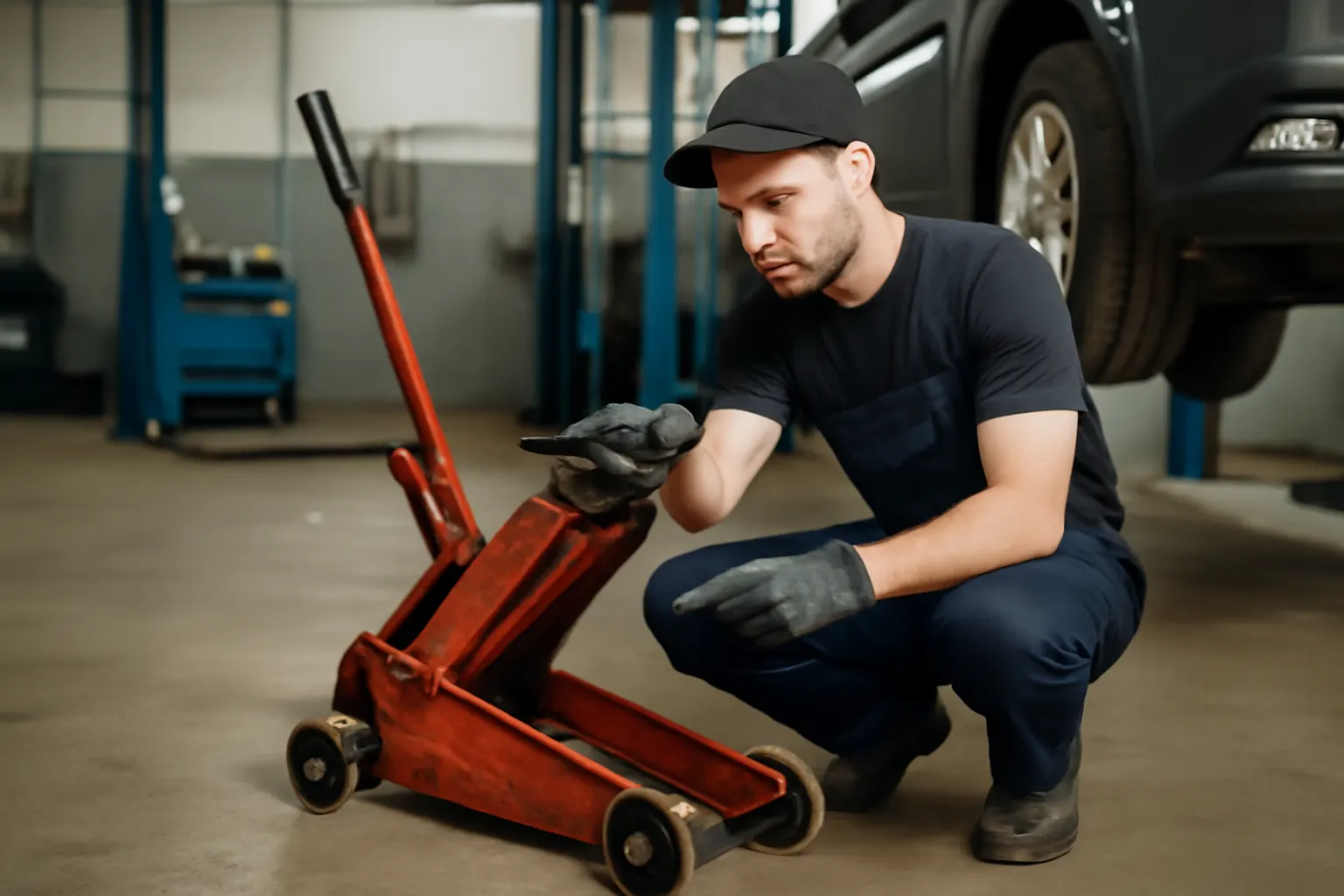
- Inspect After Use: Look for new bends, cracks, or misalignment after each lift.
- Avoid Rust: Clean and dry the jack after exposure to moisture; apply rust inhibitors as needed.
A deformed jack should be retired immediately. Continuing to use a compromised unit is unsafe and can result in sudden collapse.
Failure #3: Stripped or Damaged Lifting Threads/Screws
The Problem
Scissor jacks and some bottle jacks use threads to lift. Damaged threads can cause the jack to seize or slip, risking uncontrolled descent.
Technical Expansion
Thread damage often results from cross-threading during assembly, using the wrong tools, or lack of lubrication. Over-tightening can also deform threads, especially in lower-quality alloys.
Prevention and Troubleshooting
- Proper Lubrication: Apply high-quality grease to threads regularly.
- Correct Tools: Use the manufacturer-supplied handle or wrench.
- Gentle Operation: Avoid forcing the mechanism if resistance is felt.
- Thread Inspection: Check for visible wear, flattening, or metal shavings.
If threads are stripped or binding, disassemble and inspect for damage. Severely worn threads usually require replacement of the threaded rod or the entire jack.
Failure #4: Release Valve Malfunctions
The Problem
A malfunctioning release valve can cause a jack to drop suddenly or refuse to lower, both of which are dangerous during vehicle maintenance.
Technical Expansion
Release valves may become clogged with debris, corroded, or misaligned due to rough handling. In hydraulic jacks, contaminated fluid is a common culprit.
Prevention and Troubleshooting
- Cleanliness: Keep the jack clean and free of dirt and debris.
- Fluid Changes: Replace hydraulic fluid at recommended intervals.
- Gentle Use: Do not overtighten the valve; follow manufacturer torque specs.
- Valve Inspection: Test the valve’s operation before lifting a vehicle.
If the valve is stuck or leaking, service or replace it immediately to restore safe operation.
Failure #5: Base Instability and Foundation Failures
The Problem
An unstable base can cause the jack to tip or sink, particularly on soft ground or uneven pavement—a leading cause of roadside accidents.
Technical Expansion
Jack bases are designed for maximum contact with flat, hard surfaces. Rust, deformation, or undersized bases increase the risk of instability. Using a jack directly on gravel, dirt, or inclined surfaces amplifies the danger.
Prevention and Troubleshooting
- Always Use on Solid Ground: Carry a steel or heavy-duty plastic jack pad for emergencies.
- Base Inspection: Check for rust, cracks, or distortion before each use.
- Aftermarket Accessories: Consider wide-foot adapters for improved stability.
- Never Use on a Slope: Reposition the vehicle or jack as needed for safety.
Replace any jack with a damaged or unstable base. Never attempt to stabilize a jack with makeshift materials.
Solution Path: How to Prevent Jack Assembly Failures
A proactive approach to jack assembly care will dramatically reduce the risk of failure. Here’s a step-by-step prevention plan:
1. Purchase Quality Equipment
- Select jacks from reputable manufacturers with certifications or compliance to industry standards (such as those from SAE International).
- Match the jack’s rated capacity to your vehicle’s weight and intended use.
2. Routine Inspection and Maintenance
- Inspect jacks before every use, following the checklist above.
- Perform annual maintenance, including lubrication and seal inspection.
- Replace worn or damaged parts immediately.
3. Correct Usage Techniques
- Always use the jack on a level, stable surface.
- Never exceed the load rating.
- Use jack stands for added safety.
- Follow the manufacturer’s instructions for operation and storage.
4. Safe Storage Practices
- Store jacks in a dry, temperature-controlled environment.
- Avoid leaving jacks under load or in vehicles exposed to the elements for extended periods.
For a detailed guide to safe jack operation, see How to Safely Use a Jack Assembly.
Expert Action: What to Do When a Jack Assembly Fails
If you encounter any of the above failures, take these immediate steps:
- Cease Use: Stop using the jack immediately to prevent injury or vehicle damage.
- Assess the Situation: If the vehicle is supported, add jack stands or other supports before attempting repairs.
- Diagnose the Issue: Refer to the inspection checklist to pinpoint the failure.
- Repair or Replace: If the jack can be serviced (e.g., seal replacement, lubrication), do so according to manufacturer guidelines. If structural components are damaged, replace the entire jack.
- Report Defects: If a jack fails unexpectedly or appears to have a manufacturing defect, report it to the retailer or manufacturer. Check for recalls at NHTSA Recalls.
Sourcing the Right Jack Assembly: Buying Guide
Choosing the right jack assembly is essential for both safety and efficiency. Here’s what to consider:
- Vehicle Weight: Always select a jack rated for at least 25% more than your vehicle’s curb weight.
- Lift Height and Range: Ensure the jack can reach all necessary lift points on your vehicle.
- Material Quality: Look for corrosion-resistant finishes and high-strength steel or aluminum construction.
- Ease of Use: Consider handle length, pump speed, and portability.
- Safety Features: Prioritize models with wide bases, safety valves, and clear labeling.
For help selecting the right jack for your needs, read our Choosing the Right Jack for Your Vehicle guide.
Maintenance Best Practices: Keeping Your Jack Assembly Reliable
Routine maintenance is the key to a long-lasting, safe jack assembly. Follow these best practices:
- Monthly Cleaning: Wipe down the jack after each use to remove dirt and debris.
- Annual Service: Change hydraulic fluid, replace seals, and check for rust or corrosion.
- Lubricate Moving Parts: Apply grease to threads, hinges, and pivots.
- Storage: Keep the jack in a dry, protected location, and release pressure before storage.
Refer to our detailed Jack Assembly Maintenance and Inspection resource for step-by-step instructions.
The AutoPartEx Advantage: Trusted Guidance and Quality Parts
At AutoPartEx, we understand the critical role jack assemblies play in vehicle maintenance and safety. Our curated selection of jack assemblies meets or exceeds industry standards, ensuring you have reliable lifting solutions for every application. Our technical editorial team provides expert-backed resources, diagnostics, and maintenance guides to keep your equipment—and your vehicle—operating at peak performance.
Whether you’re a DIY enthusiast or a professional technician, trust AutoPartEx for the parts, knowledge, and support you need to prevent jack assembly failures and keep your garage running smoothly.