Choosing the Right Jack for Your Vehicle
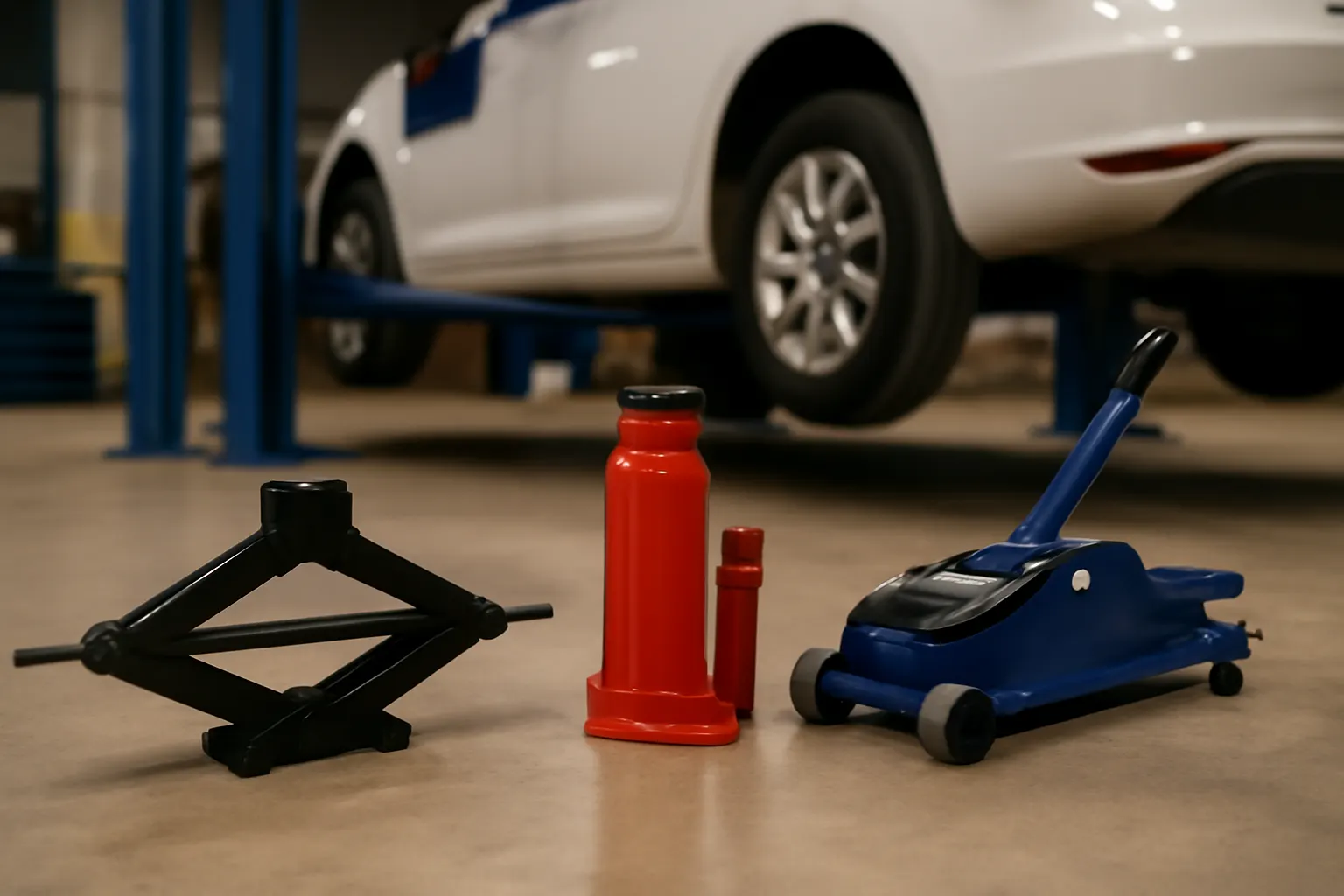
When it comes to safely lifting your vehicle for repairs, tire changes, or maintenance, selecting the right jack is a critical decision. The three most common types—scissor, bottle, and hydraulic floor jacks—each serve specific purposes and vehicle types. This guide will clarify the differences between these jack assemblies, outline their advantages and drawbacks, and help you make the most informed purchase for your car or truck.
If you’re seeking a comprehensive overview of lifting solutions, start with our Jack Assembly: The Essential Lifting Solution for Every Vehicle resource, which covers foundational knowledge every vehicle owner should have about jack assemblies.
Quick Answer: Which Jack Is Right for You?
- Scissor jacks are compact, lightweight, and typically included with most passenger vehicles for emergency tire changes.
- Bottle jacks offer higher lifting capacities in a portable form, making them ideal for trucks, SUVs, and heavier vehicles.
- Hydraulic floor jacks provide the easiest lifting action, the most stability, and are preferred for frequent use in garages or workshops.
Key factors to consider include your vehicle’s weight, ground clearance, typical usage scenarios, and your storage or transport needs.
The Hidden Problem: Mismatched Jack Assemblies and Vehicle Safety
Many drivers use the wrong jack for their vehicle type, leading to unsafe lifting, potential jack failure, or even personal injury. According to the National Highway Traffic Safety Administration, improper use or selection of vehicle jacks is a significant contributor to roadside accidents and injuries during emergency tire changes or DIY repairs.
The real danger is that not all jacks are universal—using a jack with insufficient capacity or one that’s unstable on your vehicle’s frame can result in catastrophic failure. Even with a sturdy jack, incorrect placement or use can compromise safety. Understanding the technical differences and correct applications of each jack assembly is essential for every vehicle owner.
Expanding the Problem: Why Jack Selection Matters More Than Ever
Modern Vehicles, Diverse Needs
Vehicle design has evolved considerably over the past two decades. Advances in materials technologies have led to lighter, more complex chassis and underbody structures. These changes affect where and how a jack can be safely positioned. Additionally, the rise of SUVs, crossovers, and trucks with higher curb weights and varying ground clearances means that a “one-size-fits-all” jack approach is increasingly risky.
Safety, Efficiency, and Equipment Compliance
The NHTSA emphasizes that vehicle safety equipment—including jacks—must meet strict standards for load capacity, stability, and reliability. Using a jack assembly that doesn’t match your vehicle’s specifications can void equipment compliance, put you at risk of injury, and even damage your vehicle’s body or suspension components.
The Cost of Getting It Wrong
A failed jack can lead to:
-
Personal injury from a sudden drop or collapse.
-
Damage to the vehicle’s undercarriage, body, or suspension.
-
Delays and complications during roadside emergencies.
-
Increased risk of improper repairs.
With the stakes this high, choosing the right jack isn’t just a matter of convenience—it’s a core aspect of safe vehicle ownership.
Understanding Jack Types: Scissor, Bottle, and Hydraulic Floor Jacks
Scissor Jacks
Overview:
Scissor jacks are the most commonly supplied jacks in vehicle tool kits. They use a mechanical screw mechanism to raise and lower a lifting arm, forming a diamond or “scissor” shape.
Pros:
- Lightweight and compact—easy to store in your trunk.
- Simple mechanical design—no hydraulic fluids to leak or maintain.
- Suitable for emergency tire changes on passenger vehicles.
Cons:
- Limited lifting capacity (typically 1–1.5 tons).
- Slower to operate due to manual cranking.
- Lower stability on uneven or soft ground.
Best For:
Small to midsize cars with moderate ground clearance, where portability and emergency use are the primary concerns.
Bottle Jacks
Overview:
Bottle jacks use hydraulic pressure to lift vehicles. Their vertical, cylindrical shape resembles a bottle—hence the name.
Pros:
- High lifting capacity (2–20 tons or more).
- Compact for the power they provide.
- Effective for vehicles with higher ground clearance (trucks, SUVs, vans).
Cons:
- May not fit under vehicles with low ground clearance.
- Less stable than floor jacks due to smaller base.
- Can require more maintenance (hydraulic fluid).
Best For:
Trucks, SUVs, vans, and commercial vehicles—especially when portability and high lifting power are needed.
Hydraulic Floor Jacks
Overview:
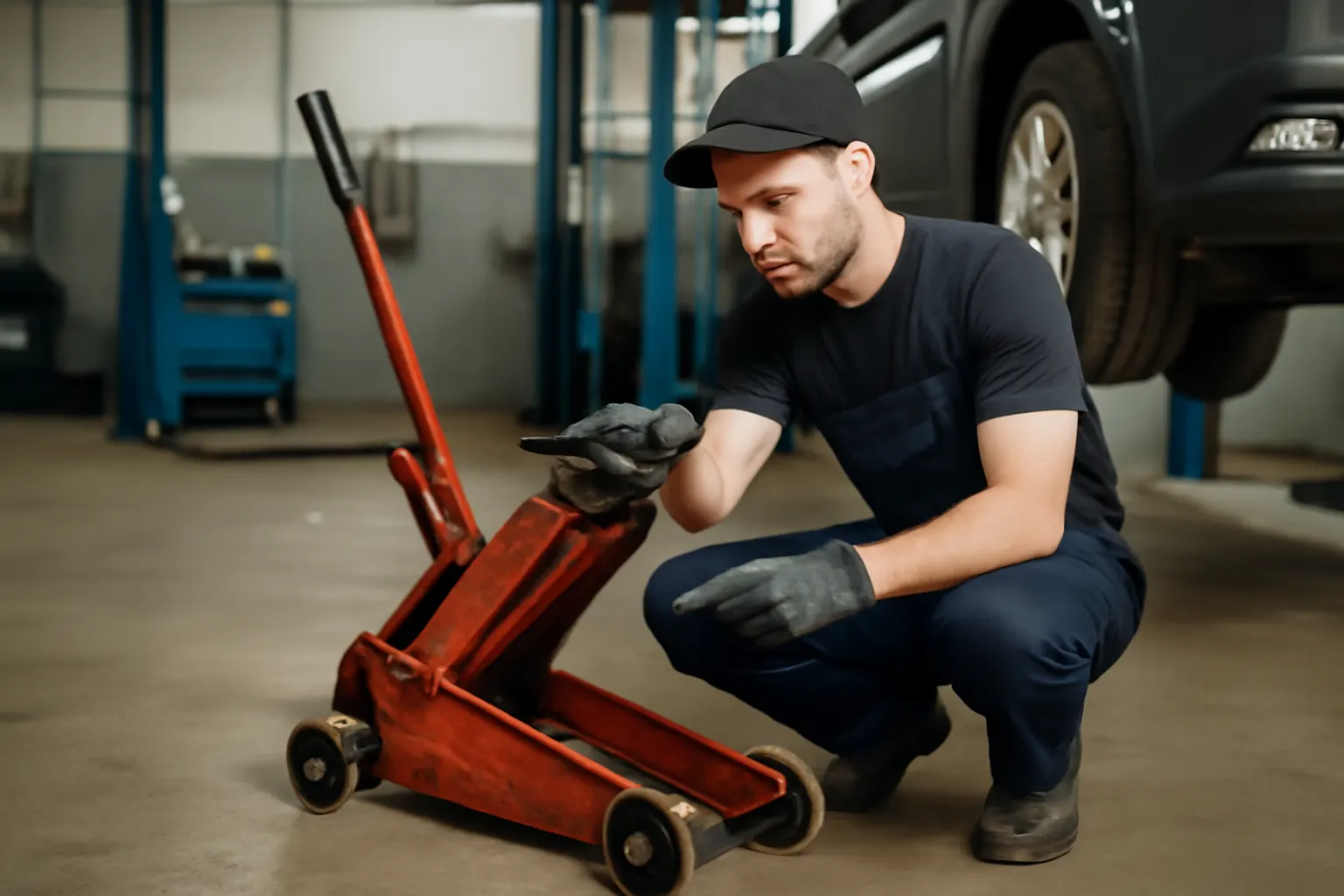
Hydraulic floor jacks are larger, wheeled jacks designed for garage or shop use. They use hydraulic cylinders to lift vehicles with minimal effort.
Pros:
- Fast, easy lifting with a long handle.
- Wide base and wheels provide excellent stability.
- Suitable for a wide range of vehicles, including low-clearance sports cars.
Cons:
- Bulky and heavy—less portable.
- More expensive than scissor or bottle jacks.
- Requires flat, hard surfaces for safe operation.
Best For:
Home mechanics, professionals, and anyone performing frequent repairs or maintenance in a fixed location.
Key Factors to Consider When Choosing a Jack
Selecting the right jack involves more than just matching the weight rating. Here’s what every vehicle owner should evaluate:
1. Vehicle Weight and Capacity
Always choose a jack rated for at least 75–100% of your vehicle’s curb weight. For safety, the jack’s capacity should exceed the weight of the part of the vehicle you’ll be lifting.
Example:
A sedan weighing 3,200 lbs (1.6 tons) can be safely lifted with a 2-ton jack. An SUV weighing 5,000 lbs (2.5 tons) should use a 3-ton or higher jack.
2. Ground Clearance
Measure the lowest point you’ll need to access (usually the designated jacking point). Scissor and floor jacks are generally better for low-clearance vehicles, while bottle jacks suit higher vehicles.
3. Intended Use
- Emergency roadside use: Prioritize portability and simplicity (scissor or small bottle jack).
- Garage/maintenance work: Opt for a hydraulic floor jack for speed and stability.
4. Storage and Transport
Consider where you’ll keep the jack. Trunk space is limited, so a compact jack is preferable for on-the-go use. For home garages, size is less of a concern.
5. Safety Features
Look for jacks with wide bases, anti-slip pads, safety valves, and clear labels for capacity and use.
Jack Selection Checklist
Before purchasing, run through this checklist to ensure your jack meets all requirements:
| Criteria | Scissor Jack | Bottle Jack | Hydraulic Floor Jack |
|---|---|---|---|
| Lifting Capacity | 1–1.5 tons | 2–20+ tons | 1.5–4 tons (common) |
| Minimum Height | 3–5" | 6–8" | 3–4" |
| Maximum Height | 15–18" | 12–20"+ | 14–20"+ |
| Portability | High | Medium | Low |
| Stability | Medium | Medium | High |
| Maintenance Needs | Low | Medium | Medium |
| Best For | Emergencies | Trucks/SUVs | Garage/Shop |
Diagnosing Your Jack Needs: Vehicle and Use Case
Passenger Cars
- Typical Jack: Scissor jack or low-profile hydraulic floor jack.
- Key Considerations: Ground clearance, trunk storage space, and weight rating.
Trucks and SUVs
- Typical Jack: Bottle jack or high-capacity hydraulic floor jack.
- Key Considerations: High ground clearance, heavier curb weight, and stability on uneven ground.
Performance and Sports Cars
- Typical Jack: Low-profile hydraulic floor jack.
- Key Considerations: Extremely low ground clearance, need for precise placement, and protection of sensitive underbody components.
Commercial and Fleet Vehicles
- Typical Jack: Heavy-duty bottle or floor jack rated for high capacity.
- Key Considerations: Frequent use, higher weight, and robust construction.
Installation and Safe Use: Step-by-Step Guidance
Proper installation and use of your jack assembly are as important as choosing the right type. Follow these essential steps for safe lifting:
- Park on a Level Surface: Never attempt to jack a vehicle on a slope or unstable ground.
- Engage the Parking Brake: Prevents vehicle movement.
- Chock the Wheels: Block the wheels opposite to the lift point to further prevent rolling.
- Locate the Jack Points: Use the manufacturer’s recommended lift points—refer to your vehicle’s manual.
- Position the Jack: Center the jack saddle or lifting point securely under the vehicle’s jack point.
- Lift Smoothly: Raise the vehicle slowly, watching for any shifting or instability.
- Use Jack Stands: Never rely solely on a jack for support—always place jack stands under the vehicle for safety.
- Lower Carefully: After work is complete, slowly lower the vehicle and remove the jack.
For a more detailed safety guide, see our How to Safely Use a Jack Assembly.
Maintenance and Inspection: Keeping Your Jack Safe and Reliable
Even the best jack requires regular inspection and maintenance to ensure safe operation. Here’s how to keep your jack assembly in top condition:
Scissor Jacks
- Inspect for Bent Arms or Stripped Threads: Replace if damaged.
- Lubricate the Screw Mechanism: Use light machine oil for smooth operation.
- Check for Rust or Corrosion: Clean and treat as needed.
Bottle and Hydraulic Floor Jacks
- Check Hydraulic Fluid Levels: Low fluid can cause poor lifting performance.
- Inspect for Leaks: Replace seals or gaskets if hydraulic fluid is visible.
- Test Lifting Action: Jack should raise and lower smoothly without skipping or sudden drops.
- Clean Moving Parts: Prevent dirt or debris from fouling the mechanism.
A thorough guide is available in our Jack Assembly Maintenance and Inspection article.
Common Jack Assembly Failures and Prevention
Understanding typical failures can help you avoid them. Watch for:
- Hydraulic Fluid Leaks: Can cause sudden loss of lifting power.
- Bent or Deformed Components: Usually from overloading or improper use.
- Slipping or Sinking: Often due to unstable ground or a worn base.
- Thread or Gear Wear: In scissor jacks, leads to failure under load.
For more on this, see Top 5 Jack Assembly Failures and How to Prevent Them.
Materials and Construction: Why Quality Matters
Jacks are subjected to intense forces. According to the U.S. Department of Energy, modern automotive components—jacks included—are often made from advanced steels, alloys, and composites to balance strength, weight, and corrosion resistance.
Look for:
- High-tensile steel or alloy construction for durability.
- Welded seams and reinforced load points.
- Quality control markings or certifications (SAE, NHTSA compliance).
Quality materials and construction ensure your jack will perform safely and reliably, especially under repeated or heavy use.
Buying Guidance: What to Look for in a Jack Assembly
When shopping for a new jack, consider the following:
- Certification: Look for compliance with SAE or NHTSA standards.
- Warranty: A good warranty reflects manufacturer confidence in their product.
- User Reviews: Real-world experience can reveal strengths and weaknesses not obvious from specs.
- Replacement Parts Availability: Some jacks allow for replacement handles, pads, or seals.
Always purchase from reputable suppliers or manufacturers, and avoid unbranded or suspiciously cheap products.
Sourcing the Right Jack: Where to Buy
Reputable sources for jack assemblies include automotive parts stores, online retailers specializing in jack assembly, and manufacturer-authorized distributors. Avoid used or unverified jacks unless you can fully inspect their condition.
For specific vehicle needs, check with your manufacturer’s parts list—see our manufacturer pages such as Acura for model-specific recommendations.
The AutoPartEx Advantage
At AutoPartEx, we provide not only a broad selection of jack assemblies tailored to your vehicle’s needs, but also the technical resources to ensure you make a safe, informed purchase. Our guides, such as Jack Assembly: The Essential Lifting Solution for Every Vehicle, empower you to maintain your vehicle with confidence.
Our expert-vetted product listings, compatibility tools, and comprehensive safety guides make us the trusted source for both DIYers and professionals. When it comes to lifting your vehicle, don’t compromise—choose the right jack, and rely on AutoPartEx for advice, parts, and support.
Expert Action: Steps to Take Now
- Assess Your Vehicle: Know your vehicle’s weight, ground clearance, and recommended jacking points.
- Review Your Usage Needs: Decide if you need a portable emergency jack, a heavy-duty garage jack, or both.
- Consult Technical Resources: Use our guides and manufacturer fitment tools to select a compatible jack.
- Inspect Your Current Jack: Ensure it is in good working order, or replace it if you find wear or damage.
- Purchase from a Trusted Source: Prioritize safety, certification, and support—choose AutoPartEx for your next jack assembly.
Don’t wait for a roadside emergency to discover your jack is inadequate or unsafe. With the right information and equipment, you’ll be ready for any situation—whether in your driveway or on the open road.