Choosing the Right Jack for Your Vehicle
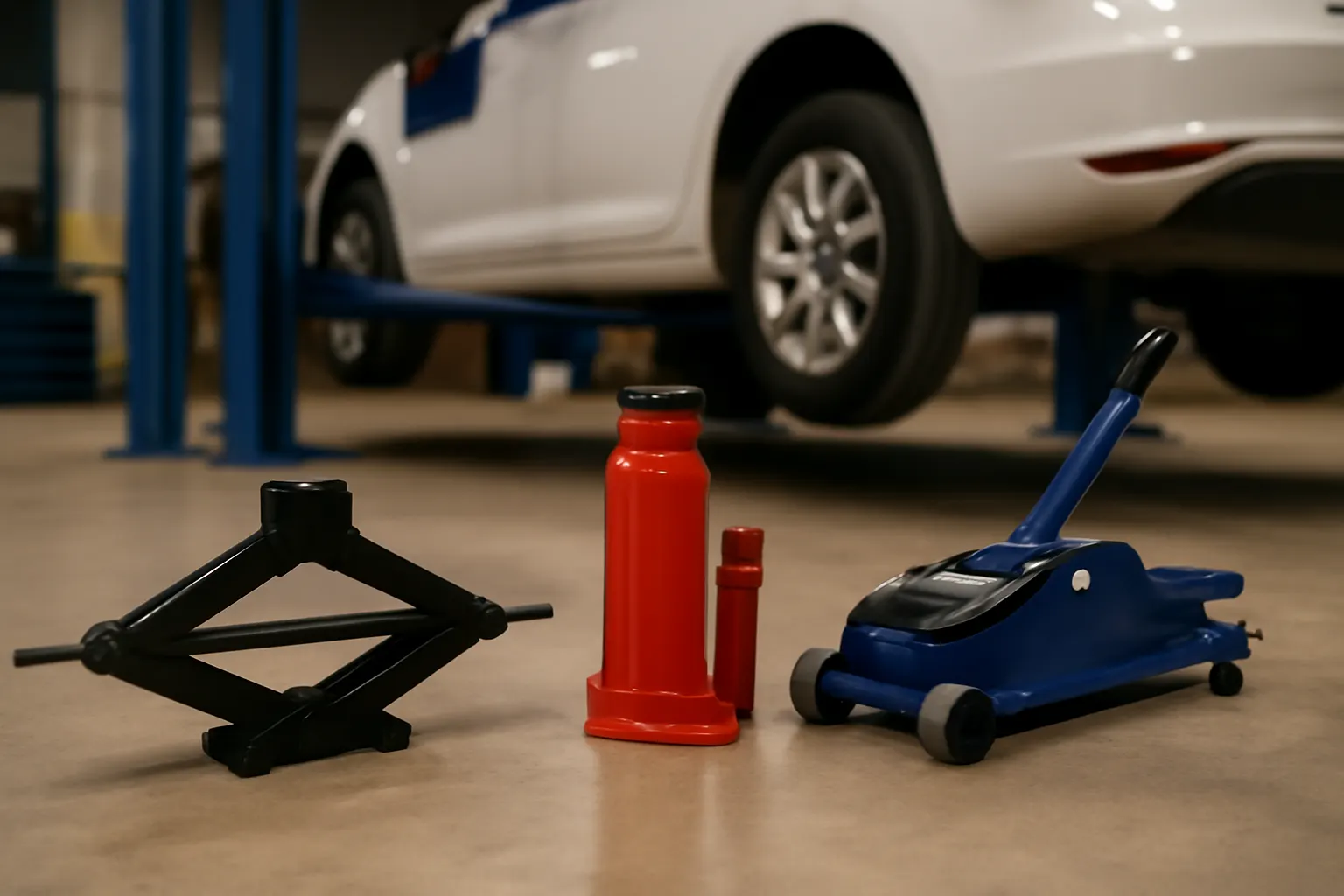
Selecting the right jack is a critical safety and maintenance decision for every vehicle owner. Whether you drive a compact sedan, a full-size pickup, or a specialized commercial vehicle, your jack assembly is the foundation of safe lifting for tire changes, brake repairs, and inspections. The three most common types—scissor, bottle, and hydraulic floor jacks—each offer unique advantages and limitations. This guide breaks down the technical differences, safety considerations, and practical fitment factors to help you make the most informed choice for your car or truck.
If you’re looking to understand the broader category, see our Jack Assembly: The Essential Lifting Solution for Every Vehicle page for a complete overview of jack assemblies, their function, and their integration with different automotive systems.
Immediate Answer: Which Jack Should You Choose?
- Scissor Jacks: Lightweight, compact, and typically included as OEM equipment in most cars. Best for emergency roadside tire changes.
- Bottle Jacks: Portable, high lifting capacity, suitable for trucks and SUVs with higher ground clearance.
- Hydraulic Floor Jacks: Offer the fastest and most stable lifting for regular maintenance but are heavier and less portable.
Your choice depends on your vehicle’s weight, ground clearance, and how you intend to use the jack (emergency vs. garage maintenance). Always consult your owner’s manual for jack points and minimum lifting capacity before making a purchase.
The Hidden Problem: One Size Does Not Fit All
Many vehicle owners rely on the jack supplied with their car, assuming it’s universally safe and effective. However, using the wrong type of jack—or a jack with insufficient capacity—can lead to dangerous instability, equipment failure, or vehicle damage. Modern vehicles vary widely in weight, chassis height, and underbody structure, directly affecting jack compatibility and safety.
The National Highway Traffic Safety Administration (NHTSA) stresses that improper equipment selection or usage is a leading cause of roadside injuries and vehicle damage during tire changes and repairs. Understanding the technical specifications and safety standards of jacks is not just a matter of convenience—it is a matter of personal and vehicle safety NHTSA Equipment.
Expanding the Problem: Vehicle Design and Jack Compatibility
Weight and Material Technologies
Today’s vehicles are engineered with a complex mix of materials—high-strength steel, aluminum, and composites—to balance fuel efficiency and structural integrity Materials Technologies. These advances have changed the way vehicles are lifted and supported. For example, some modern sedans have reinforced jack points designed only for specific jack types, while trucks and SUVs may require higher-capacity lifting devices due to their increased mass and ground clearance.
Chassis and Jacking Points
The location and design of jacking points are not standardized across all models. Some vehicles have plastic underbody shields or unconventional frame rails that can be damaged by the wrong jack. Using a universal jack without proper fitment knowledge can compromise the vehicle’s structure or cause the jack to slip.
Safety Standards
Automotive jacks are subject to strict engineering and safety standards, including those established by SAE International SAE Standards and NHTSA. These standards dictate minimum load capacities, stability requirements, and labeling, but real-world compatibility still depends on matching the jack’s specifications to your vehicle’s requirements.
Scissor Jacks: Lightweight and Portable, but Limited
How Scissor Jacks Work
Scissor jacks use a simple mechanical screw mechanism to lift vehicles. Turning the screw with a handle causes the arms to extend, raising the lifting pad. They are usually made from pressed steel and are compact enough to fit in most trunk tool kits.
Where Scissor Jacks Excel
- OEM Standard: Most passenger cars include a scissor jack as standard equipment.
- Portability: Weighing just a few pounds, they are easy to store and transport.
- Emergency Use: Ideal for quick tire changes on the roadside.
Limitations of Scissor Jacks
- Capacity: Generally limited to 1–1.5 tons, making them unsuitable for heavier vehicles like trucks or SUVs.
- Stability: Narrow base and limited lifting range can make them unstable on uneven ground.
- Speed: Manual operation is slower and more physically demanding compared to hydraulic options.
Bottle Jacks: High Capacity in a Compact Form
How Bottle Jacks Work
Bottle jacks use hydraulic force to lift vehicles. A hand pump moves hydraulic fluid into a cylinder, pushing a piston upward. The “bottle” shape allows for a high lifting capacity relative to the jack’s footprint.
Advantages of Bottle Jacks
- Lifting Power: Typically rated from 2 to 20 tons, suitable for large SUVs, trucks, and vans.
- Vertical Lift: Can raise vehicles with high ground clearance quickly.
- Durability: Fewer moving parts and robust steel construction mean longer service life.
Drawbacks of Bottle Jacks
- Minimum Height: May not fit under vehicles with low ground clearance.
- Stability: Small base can be unstable on soft or sloped surfaces.
- Precision: Less control over lowering speed compared to floor jacks.
Hydraulic Floor Jacks: The Professional’s Choice
How Hydraulic Floor Jacks Work
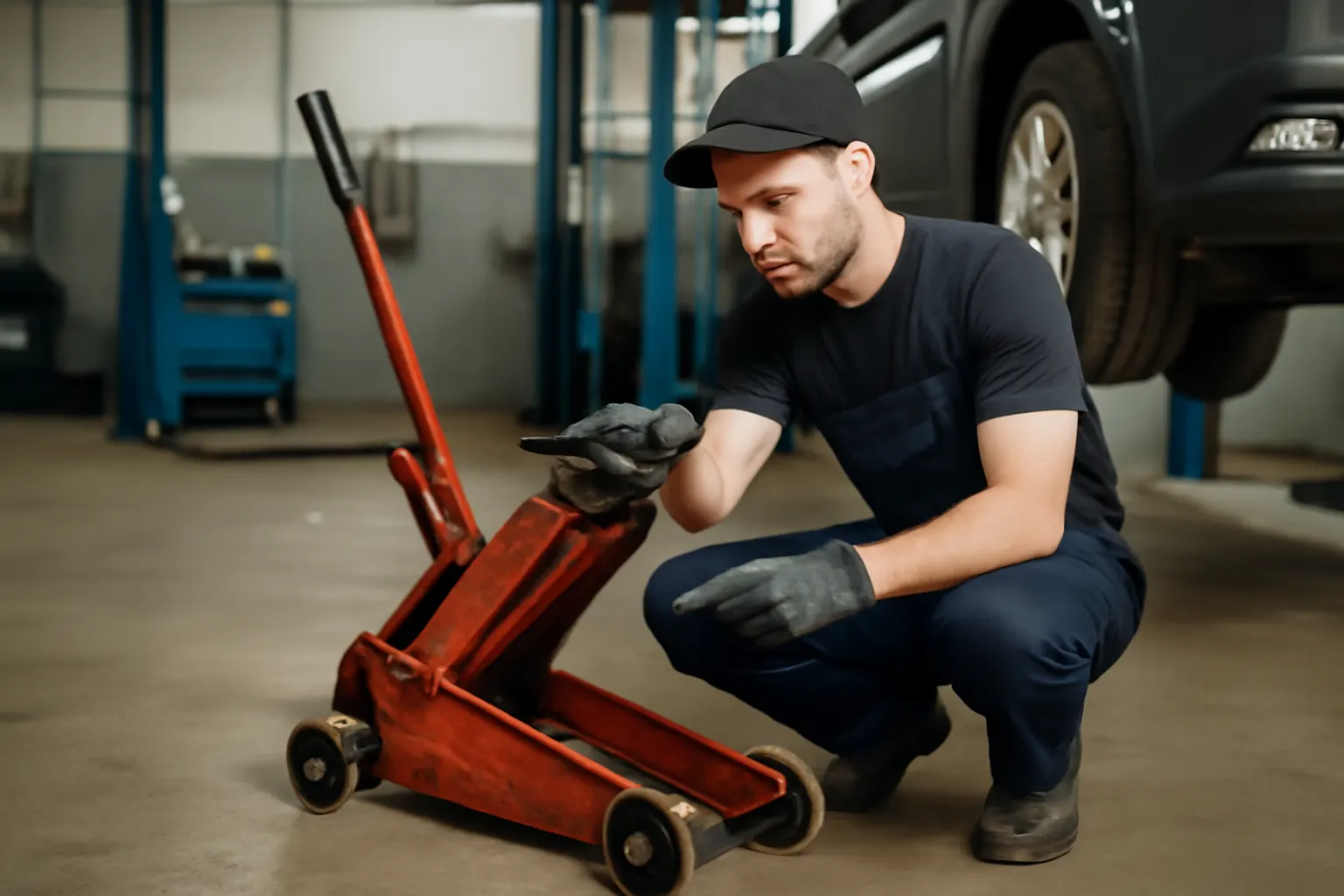
Hydraulic floor jacks use a long handle to actuate a hydraulic pump, lifting a wide, flat saddle mounted on wheels. Their low-profile design and extended reach make them the preferred choice in garages and workshops.
Key Benefits
- Stability: Wide base and wheels provide excellent stability and maneuverability.
- Speed: Can lift vehicles quickly with minimal effort.
- Versatility: Available in low-profile designs for sports cars and high-lift models for trucks.
Considerations
- Weight and Size: Heavy and bulky, not suited for carrying in a vehicle for emergencies.
- Cost: Typically more expensive than scissor or bottle jacks.
- Maintenance: Hydraulic systems require periodic inspection for leaks and fluid replacement.
Critical Factors When Choosing a Jack
1. Vehicle Weight and Jack Capacity
Always select a jack rated for at least 75% of your vehicle’s gross weight. For example, if your SUV weighs 4,000 lbs, a 2-ton (4,000 lbs) jack is the absolute minimum, but a 3-ton jack offers a safer margin.
2. Minimum and Maximum Lifting Height
Match the jack’s minimum height to your vehicle’s ground clearance, and ensure the maximum height is sufficient to raise the wheel off the ground. Low-profile vehicles may require a jack with a minimum height of less than 4 inches.
3. Jacking Points and Saddle Design
Check your owner’s manual for approved jacking points. The saddle (lifting pad) should fit securely under these points without damaging pinch welds or underbody panels.
4. Portability and Storage
If you need a jack for roadside emergencies, prioritize weight and compactness. For home garage use, stability and ease of use are more important.
Jack Selection Checklist
Before purchasing or using a jack, run through this essential checklist:
| Factor | Scissor Jack | Bottle Jack | Hydraulic Floor Jack |
|---|---|---|---|
| Minimum Capacity (tons) | 1–1.5 | 2–20 | 2–4 |
| Minimum Height (inches) | 3–4.5 | 7–9 | 3–4 |
| Maximum Height (inches) | 15–17 | 14–20+ | 18–24+ |
| Portability | High | Moderate | Low |
| Stability | Moderate | Moderate | High |
| Best For | Cars | Trucks/SUVs | All vehicles (garage use) |
| OEM Inclusion | Common | Rare | Rare |
| Maintenance Required | Low | Moderate | Moderate |
Pro Tip: Never use a jack to support a vehicle during repairs—always use properly rated jack stands for safety.
Safety Standards and Regulatory Requirements
Automotive jacks in the United States are regulated by NHTSA and must comply with federal safety standards regarding load capacity, construction, and labeling NHTSA Equipment. Look for:
- Capacity Labeling: The jack’s maximum weight rating should be clearly marked.
- Operating Instructions: Must be included and easy to understand.
- Warning Labels: Indicate proper and improper usage, including safe jacking points.
Additionally, SAE standards govern the design and testing of jacks for stability, overload protection, and durability SAE Standards.
Maintenance and Inspection: Keeping Your Jack Safe
A jack is only as reliable as its condition. Regular inspection and maintenance are essential for safety and longevity.
Scissor Jack Maintenance
- Lubricate the screw mechanism with light oil to prevent rust and ensure smooth operation.
- Inspect for bent arms or stripped threads before each use.
Bottle and Hydraulic Jack Maintenance
- Check hydraulic fluid levels and top off as needed.
- Inspect for leaks around seals and pistons.
- Test the release valve for smooth operation.
For a detailed guide, see Jack Assembly Maintenance and Inspection.
Diagnosing Jack Fitment Issues
If your jack doesn’t fit or feels unstable, stop and assess before proceeding:
- Ground Clearance: If the jack won’t fit under your vehicle, measure actual clearance and compare with the jack’s minimum height.
- Jack Point Compatibility: Ensure the saddle matches the shape and location of your vehicle’s jack points.
- Stability: On soft or sloped surfaces, use a solid base plate or reposition the vehicle to level ground.
If you experience repeated issues, your vehicle may require a specialized jack or adapter. Consult your owner’s manual or a professional for guidance.
Installation and Safe Operation
Basic Steps for Safe Jack Use
- Park on Level Ground: Engage the parking brake and chock wheels.
- Locate Jack Points: Refer to your owner’s manual for reinforced lifting locations.
- Position the Jack: Align the saddle with the jack point, ensuring full contact.
- Lift Smoothly: Raise the vehicle until the tire is clear of the ground.
- Install Jack Stands: Lower the vehicle onto stands before performing repairs.
- Lower Carefully: After work is complete, remove stands and lower the vehicle slowly.
For a full safety walkthrough, visit How to Safely Use a Jack Assembly.
Common Jack Assembly Failures and How to Prevent Them
Jack failures are rare with proper use, but they do occur. The most common causes include:
- Overloading: Exceeding the jack’s rated capacity.
- Improper Placement: Not aligning with the correct jack point.
- Neglected Maintenance: Allowing rust, leaks, or mechanical wear to go unchecked.
For prevention tips and troubleshooting, see our article on Top 5 Jack Assembly Failures and How to Prevent Them.
Sourcing the Right Jack for Your Vehicle
When shopping for a jack:
- Verify compatibility with your vehicle’s weight and jacking points.
- Choose reputable brands that comply with NHTSA and SAE standards.
- Consider your use case: Emergency use (scissor or compact bottle jack) vs. regular maintenance (hydraulic floor jack).
- Read reviews and consult automotive forums for feedback on durability and ease of use.
AutoPartEx offers a curated selection of jack assemblies and accessories, each tested for fitment and compliance with federal safety standards. Browse our Jack Assembly: The Essential Lifting Solution for Every Vehicle category to find the perfect match for your make and model.
The AutoPartEx Advantage
At AutoPartEx, we understand that your safety and your vehicle’s performance depend on quality equipment. Our expert team vets every jack assembly for durability, compatibility, and compliance with the latest safety regulations. We provide detailed fitment data, technical specifications, and real-world usage tips so you can lift with confidence.
Need advice on fitment or installation? Reach out to our technical support team for personalized guidance, or explore our online resources for step-by-step tutorials and maintenance checklists.
Expert Action: Next Steps for Vehicle Owners
- Assess your vehicle’s weight, ground clearance, and lifting needs.
- Compare scissor, bottle, and hydraulic floor jacks using our checklist.
- Consult your owner’s manual for jack point locations and capacity requirements.
- Inspect your current jack for wear and compliance with safety labels.
- Upgrade to a jack that meets or exceeds your vehicle’s specifications, especially if you’ve changed tire size, added accessories, or drive in demanding conditions.
Remember, the right jack is more than a convenience—it’s a critical safety tool. Choose wisely, maintain regularly, and never compromise on safety.