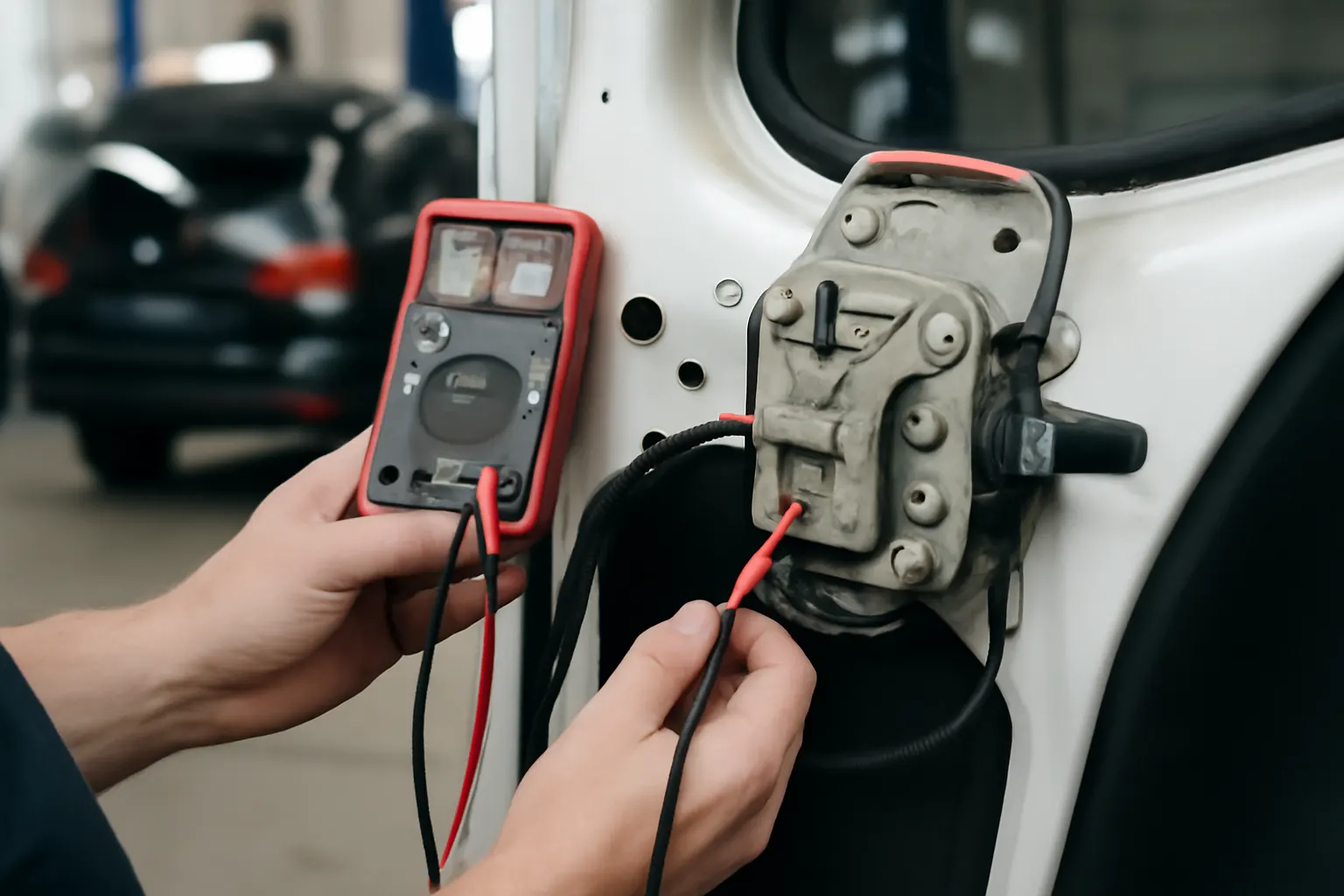

The Role of Latches in Vehicle Security Systems
Modern vehicle security is a sophisticated interplay of mechanical precision and advanced electronics, with the humble latch at its core. Back door latches are not just passive hardware—they serve as a crucial barrier against theft, unauthorized entry, and cargo loss. Today’s back door latch systems integrate seamlessly with electronic security modules, alarm triggers, and vehicle access protocols, making them vital to both safety and peace of mind. In this detailed guide, we’ll explore exactly how latches function within vehicle security systems, the hidden vulnerabilities that can undermine them, and how to ensure your vehicle’s rear entry points remain secure and reliable.
If you’re seeking foundational knowledge about latch engineering or want to browse replacement parts, see our Back Door Latch Systems: Security, Safety, and Precision Engineering category for expert guidance and sourcing.
Latches: The First Line of Defense in Vehicle Security
A vehicle’s security system is only as strong as its weakest link, and for rear cargo areas, the back door latch is often the primary physical barrier. When properly designed and maintained, latches prevent unauthorized access, deter theft, and protect valuable cargo and personal belongings. In most modern vehicles, the back door latch is more than a simple mechanical catch—it’s a highly engineered component that interacts with central locking, alarm triggers, and sometimes even telematics systems.
What Makes a Security-Grade Latch?
Security-grade latches are distinguished by:
- Robust construction: Hardened steel or reinforced composite materials resist forced entry.
- Tamper-resistant design: Concealed fasteners, shielded release mechanisms, and anti-pry features.
- Precision fitment: Tight tolerances reduce the risk of latch play or misalignment, which can otherwise be exploited.
- Integration with electronics: Switches or sensors that communicate latch status to the vehicle’s security system.
These features are not just about theft prevention; they also play a role in crashworthiness and occupant safety, as mandated by regulatory bodies like the National Highway Traffic Safety Administration (NHTSA).
The Hidden Problem: Latch Vulnerabilities Threaten Overall Vehicle Security
While electronic immobilizers and alarms get most of the attention, the physical latch remains a prime target for thieves and a potential weak spot in the security chain. Over time, latches can develop play, wear, or corrosion, diminishing their ability to resist forced entry. Worse, if a latch fails to signal its status accurately to the vehicle’s electronic security controller, the alarm system may not trigger even when the door is breached.
Symptoms of Latch-Related Security Weakness
- Unexpected alarm triggers: False positives if latch sensors malfunction.
- Failure to arm/disarm: If the security system cannot confirm the latch is closed, it may refuse to arm.
- Physical bypass: Older or worn latches can sometimes be manipulated open from outside, even if “locked.”
- Water intrusion or corrosion: Compromised seals can lead to internal rust, weakening latch integrity (see How to Prevent Water Leaks in Your Cargo Area).
Ignoring latch health undermines even the most advanced security system. Many thefts are opportunistic, exploiting exactly these overlooked weaknesses.
How Back Door Latches Integrate with Modern Security Systems
Today’s vehicle security systems rely on a network of sensors and actuators, with the back door latch playing a pivotal role. Integration typically involves:
- Position sensors: Reed switches or hall effect sensors within the latch assembly confirm open/closed status.
- Central locking: Actuators within the latch engage or release the locking pawl in response to remote or keyless signals.
- Alarm triggers: If the latch is opened while the system is armed, it immediately triggers the alarm circuit.
- Diagnostic feedback: Faulty latch signals generate diagnostic trouble codes (DTCs), aiding in rapid troubleshooting.
Electronic Latch Integration: A Closer Look
| Latch Feature | Security System Role | Typical Failure Mode |
|---|---|---|
| Position sensor | Confirms door status for arming | False open/closed signals |
| Lock actuator | Engages/disengages lock | Stuck or weak actuator |
| Tamper detection switch | Triggers alarm if latch is manipulated | Switch failure, missed alarms |
| CAN bus communication | Reports to body control module | Data line faults, signal loss |
This integration is governed by both manufacturer-specific protocols and industry standards such as those outlined by SAE International.
Engineering Security: Latch Design and Material Science
High-security latches are the product of advanced materials engineering and rigorous testing. The U.S. Department of Energy’s Materials Technologies initiative has pushed manufacturers to use lightweight, high-strength alloys and composites, balancing security with fuel efficiency and weight reduction.
Key Design Elements
- Hardened steel locking pawls: Resist cutting, prying, and impact.
- Multi-stage locking: Dual or triple detent positions prevent accidental or forced opening.
- Shielded release cables: Prevent access via slim jims or wire tools.
- Weather-sealed housings: Keep out moisture and debris, preserving long-term function.
Testing protocols, often referencing SAE Standards, require latches to withstand thousands of open/close cycles, extreme temperatures, and direct attack simulations.
The Impact of Latch Reliability on Safety and Recalls
A faulty latch is more than an inconvenience—it’s a safety hazard. According to the NHTSA, latch failures can lead to unintentional door opening during a crash, increasing the risk of occupant ejection or cargo loss. This is why latch recalls are taken seriously and tracked via the NHTSA Recalls Database.
Common Reasons for Latch-Related Recalls
- Defective locking mechanisms: May allow doors to open while driving.
- Sensor failures: Prevent proper security system arming.
- Material fatigue or corrosion: Reduces latch holding strength.
- Improper assembly: Leads to misalignment and unreliable operation.
Before purchasing a replacement latch, always check for active recalls affecting your vehicle model.
Diagnosing Latch and Security System Issues
Early detection of latch issues can prevent both security breaches and costly repairs. Here’s a structured approach to diagnosing rear door latch problems:
Latch Security Diagnostic Checklist
-
Physical Inspection
- Check for visible rust, wear, or misalignment.
- Inspect weather seals for water intrusion signs.
- Test manual latch operation for smoothness.
-
Electronic Function Test
- Confirm that the lock/unlock actuator responds to remote/key commands.
- Listen for actuator motor noise—weak or absent sound may indicate failure.
- Check for dashboard warnings or error messages.
-
Alarm System Test
- Arm the security system and attempt to open the back door.
- Verify alarm triggers as expected.
- If the alarm does not trigger, test the latch’s sensor circuit.
-
Scan for Diagnostics Codes
- Use an OBD-II scanner to check for body control module DTCs related to door/latch circuits.
For a deeper dive into diagnosing rear door locking issues, consult our step-by-step guide: Diagnosing Rear Door Locking Issues.
Upgrading to Power-Operated and Smart Latches
Many older vehicles rely on purely mechanical latches, which lack integration with modern security systems. Upgrading to power-operated or smart latches can dramatically improve both convenience and security.
Benefits of Power-Operated Latches
- Remote locking/unlocking: Integrates with key fobs or smartphone apps.
- Automatic relocking: If a door is left ajar or unlocked, the system can re-engage the latch.
- Enhanced alarm integration: Power latches often include advanced tamper sensors.
Upgrade Considerations
- Wiring and control module compatibility: Retrofitting may require running new harnesses and adding relays or modules.
- Physical fitment: Some vehicles require adapter plates or custom brackets.
- Programming: Certain upgrades require reprogramming the body control module (BCM).
For a comprehensive breakdown of retrofit options and installation tips, see Upgrading to Power-Operated Rear Door Latches.
Maintenance: Keeping Latches Secure and Functional
Regular maintenance extends latch lifespan and ensures reliable security integration.
Latch Maintenance Best Practices
- Lubrication: Use a silicone-based or OEM-approved lubricant on latch mechanisms every 6-12 months.
- Corrosion inspection: Especially in areas with road salt or high humidity, check for rust.
- Sensor cleaning: Carefully clean latch sensors and connectors to prevent false signals.
- Seal inspection: Replace worn weather seals to prevent water ingress.
Neglecting maintenance can lead to sticky latches, false alarms, or outright failures.
Sourcing Replacement Latches: What to Look For
When purchasing a replacement latch, quality and compatibility are paramount. Here’s what to consider:
Sourcing Checklist
- OEM vs. Aftermarket: OEM latches ensure perfect fit and correct sensor integration. Premium aftermarket options may offer enhanced materials or features.
- Vehicle compatibility: Match by year, make, model, and trim level. Some latches differ between hatchback, sedan, and SUV variants.
- Recall status: Avoid sourcing latches from recalled production runs—verify part numbers against the NHTSA Recalls Database.
- Warranty and support: Choose suppliers offering robust return policies and technical support.
AutoPartEx provides a curated selection of security-grade latches and expert fitment support. Browse our Back Door Latch Systems: Security, Safety, and Precision Engineering category to ensure the right match for your vehicle.
Installation Guidance: Ensuring Proper Fitment and Security
Installation errors can compromise both security and function. Whether you’re a DIYer or a professional, follow these steps for optimal results:
Step-by-Step Installation Overview
- Disconnect battery: Prevents accidental airbag deployment or electrical shorts.
- Remove trim panels: Use plastic tools to avoid marring interior surfaces.
- Unbolt and remove old latch: Retain all hardware; inspect for damage or wear.
- Install new latch: Align precisely; torque bolts to manufacturer specs.
- Reconnect electrical connectors: Ensure all sensor/actuator plugs are fully seated.
- Test operation: Manually and electronically actuate latch before reassembling trim.
- Check security integration: Arm the alarm and confirm all triggers function as intended.
If you encounter unexpected fitment or electronic issues, consult your vehicle’s service manual or reach out to an AutoPartEx fitment specialist.
The Role of Latches in Crashworthiness and Occupant Safety
Beyond theft prevention, back door latches are critical for occupant safety. In a collision, a robust latch prevents doors from flying open, reducing the risk of ejection and maintaining the structural integrity of the passenger compartment. Regulatory standards overseen by the NHTSA and developed in conjunction with SAE International set minimum performance benchmarks for latch strength and reliability.
What Safety Testing Involves
- Static and dynamic load tests: Simulate crash forces to ensure latches remain engaged.
- Cycle durability: Thousands of open/close cycles to mimic real-world use.
- Corrosion resistance: Exposure to salt spray and humidity chambers.
Vehicles failing these tests are subject to recalls and must be remedied to protect occupants and comply with federal law.
Electronic Security: How Latch Data Flows Through the Vehicle
In modern vehicles, latch status is communicated via the Controller Area Network (CAN) bus to the body control module (BCM) and security system. This architecture allows for:
- Real-time monitoring: The system knows instantly if a door is opened, even slightly.
- Smart locking: Some vehicles prevent locking if any latch is not fully closed.
- Event logging: Security systems can record which latch was opened and when, aiding in theft investigations.
Troubleshooting Electronic Integration
- Intermittent faults: May indicate damaged wiring or corroded connectors at the latch.
- Non-responsive latches: Often trace back to BCM programming or blown fuses.
- False alarms: Dirty or misaligned latch sensors can send erroneous signals.
A scan tool capable of reading body module codes is invaluable for diagnosing these issues.
Advanced Security: Anti-Tamper and Smart Latch Innovations
The latest generation of latches incorporates anti-tamper features and smart electronics:
- Vibration or shock sensors: Detect attempted forced entry.
- Encrypted communication: Prevents “replay attacks” where thieves mimic keyless entry signals.
- Self-locking mechanisms: Automatically relock if tampering is detected.
These innovations are increasingly standard on premium vehicles and are filtering down to mainstream models as costs decrease.
When to Replace: Recognizing End-of-Life for Latches
Even the best-engineered latch has a finite lifespan. Replace your back door latch if you notice:
- Inconsistent locking or unlocking
- Physical damage or visible corrosion
- Frequent false alarms
- Difficulty closing or opening the door
- Diagnostic codes related to latch circuits
Delaying replacement puts both your cargo and your vehicle at risk. If in doubt, consult a trusted technician or reach out to AutoPartEx for part identification support.
AutoPartEx: Your Partner in Security-Grade Latch Solutions
At AutoPartEx, we understand that a vehicle’s security system is only as effective as its hardware. That’s why we offer only rigorously tested, security-grade latches that meet or exceed OEM specifications. Our technical team is ready to assist with fitment, sourcing, and installation guidance, ensuring your upgrade or repair is a lasting investment in safety and peace of mind.
For further reading, explore our specialized content on Back Door Latch Systems: Security, Safety, and Precision Engineering, or browse related guides such as Diagnosing Rear Door Locking Issues and Upgrading to Power-Operated Rear Door Latches.
References
- Vehicle Safety and Equipment – National Highway Traffic Safety Administration
- Vehicle, Car Seat, Tire, and Equipment Recalls – National Highway Traffic Safety Administration
- Materials Technologies – United States Department of Energy
- SAE Standards – SAE International
- Fuel Efficiency – United States Department of Energy