How to Prevent Water Leaks in Your Cargo Area
Water leaks in your vehicle’s cargo area can quickly lead to a host of issues—ranging from soaked interiors and persistent odors to dangerous mold growth and accelerated corrosion. The back door latch assembly, often overlooked, plays a pivotal role in weatherproofing your cargo area. In this comprehensive guide, the AutoPartEx Technical Editorial Team explains how your back door latch system interacts with seals and body structure, why leaks occur, and what practical steps you can take to prevent water ingress and protect your vehicle’s integrity.
If you’re looking for detailed specs, OE fitment, or replacement options for your vehicle’s back door latch, visit our Back Door Latch Systems: Security, Safety, and Precision Engineering category page.
Why Cargo Area Water Leaks Are a Critical Concern
Water intrusion in the cargo area isn’t just a minor inconvenience. Persistent leaks can undermine your vehicle’s structural integrity, degrade interior materials, and even compromise load security. Over time, repeated water exposure accelerates corrosion, shortens component lifespan, and can impact the function of electronic systems housed at the rear of modern vehicles.
In SUVs, hatchbacks, and vans, the cargo area is especially vulnerable due to frequent door operation, large panel gaps, and complex latch mechanisms. Identifying and rectifying leaks is essential for maintaining vehicle safety and value.
The Hidden Link: Back Door Latch and Weatherproofing
While weatherstripping and seals are the most visible barriers against water, the back door latch is a critical but less obvious player. The latch ensures consistent door closure pressure, aligning the door against its seals. If the latch is worn, misaligned, or damaged, even new weatherstripping may fail to keep water out.
A robust back door latch system maintains the necessary compression on perimeter seals, preventing water from seeping in during rain, car washes, or while driving through puddles. Conversely, a compromised latch can cause uneven pressure, gaps, and ultimately, leaks.
Understanding the Back Door Latch Assembly
To prevent water leaks effectively, it’s important to understand the basic components of a back door latch system:
- Primary Latch Mechanism: Engages with the striker on the body to hold the door closed.
- Secondary Safety Catch: Provides backup in case the primary latch fails.
- Striker Plate: Mounted on the body, it receives the latch and helps align the door.
- Weatherstripping/Seals: Surrounds the door perimeter, compressed by the latch to form a water-tight barrier.
- Adjustment Hardware: Allows fine-tuning of latch and striker alignment.
When all these elements work in harmony, the cargo area stays dry even in adverse weather.
Common Causes of Cargo Area Water Leaks
Understanding why water leaks occur is the first step in effective prevention. The most frequent causes include:
- Worn or Damaged Weatherstripping: Age, UV exposure, and repeated compression can cause seals to lose elasticity or develop cracks.
- Misaligned Back Door Latch or Striker: Even slight misalignment prevents full seal compression, creating entry points for water.
- Corroded or Loose Fasteners: Rusted or loosened latch/striker bolts can shift the assembly, reducing sealing effectiveness.
- Deformed Door Structure: Previous collisions or improper repairs may deform the door or body, misaligning the latch and seals.
- Clogged Drain Channels: Debris buildup around the door perimeter can trap water, causing it to pool and eventually leak inside.
- Sealant Failure: Factory or aftermarket sealant around seams may degrade, especially near the latch area.
Diagnosing Cargo Area Water Leaks: Step-by-Step Checklist
Early detection of water leaks can save you from costly repairs down the line. Use this diagnostic checklist to pinpoint the source:
-
Visual Inspection:
- Examine weatherstripping for cracks, gaps, or flattening.
- Check for rust or corrosion on the latch and striker.
- Look for signs of water trails, stains, or mold inside the cargo area.
-
Water Test:
- Close all doors and use a hose to spray water around the perimeter of the back door, focusing on the latch area.
- Check inside for fresh moisture or leaks.
-
Paper Test:
- Place a strip of paper between the door and the seal, then close the door. If the paper pulls out easily, the latch may not be compressing the seal sufficiently.
-
Check Door Alignment:
- Observe the door's fit within the body opening. Uneven gaps or a door that sits proud/flush may indicate misalignment.
-
Inspect Drain Channels:
- Ensure all drain holes and channels near the cargo area are clear of debris.
-
Feel for Drafts:
- On a windy day, feel around the door perimeter for air infiltration—a sign of incomplete sealing.
By following this checklist, you can isolate the leak source and determine if the latch, seals, or door alignment are at fault.
The Role of Materials and Engineering Standards
Modern vehicle back door latches and weatherstripping are engineered to meet stringent standards for durability, safety, and environmental resistance. According to SAE International standards, latch assemblies must withstand repeated use, exposure to temperature extremes, and corrosive environments without loss of function or sealing pressure. The United States Department of Energy highlights the importance of advanced materials—such as high-strength steel, composites, and elastomers—in achieving these goals 12.
OEMs design latch and seal interfaces to account for body flex, thermal expansion, and vibration. However, aftermarket parts or poor-quality replacements may not meet these specifications, increasing the risk of leaks.
Preventive Maintenance for Back Door Latch and Seals
Routine maintenance is your best defense against water leaks. Here’s how to keep your back door latch and seals in optimal condition:
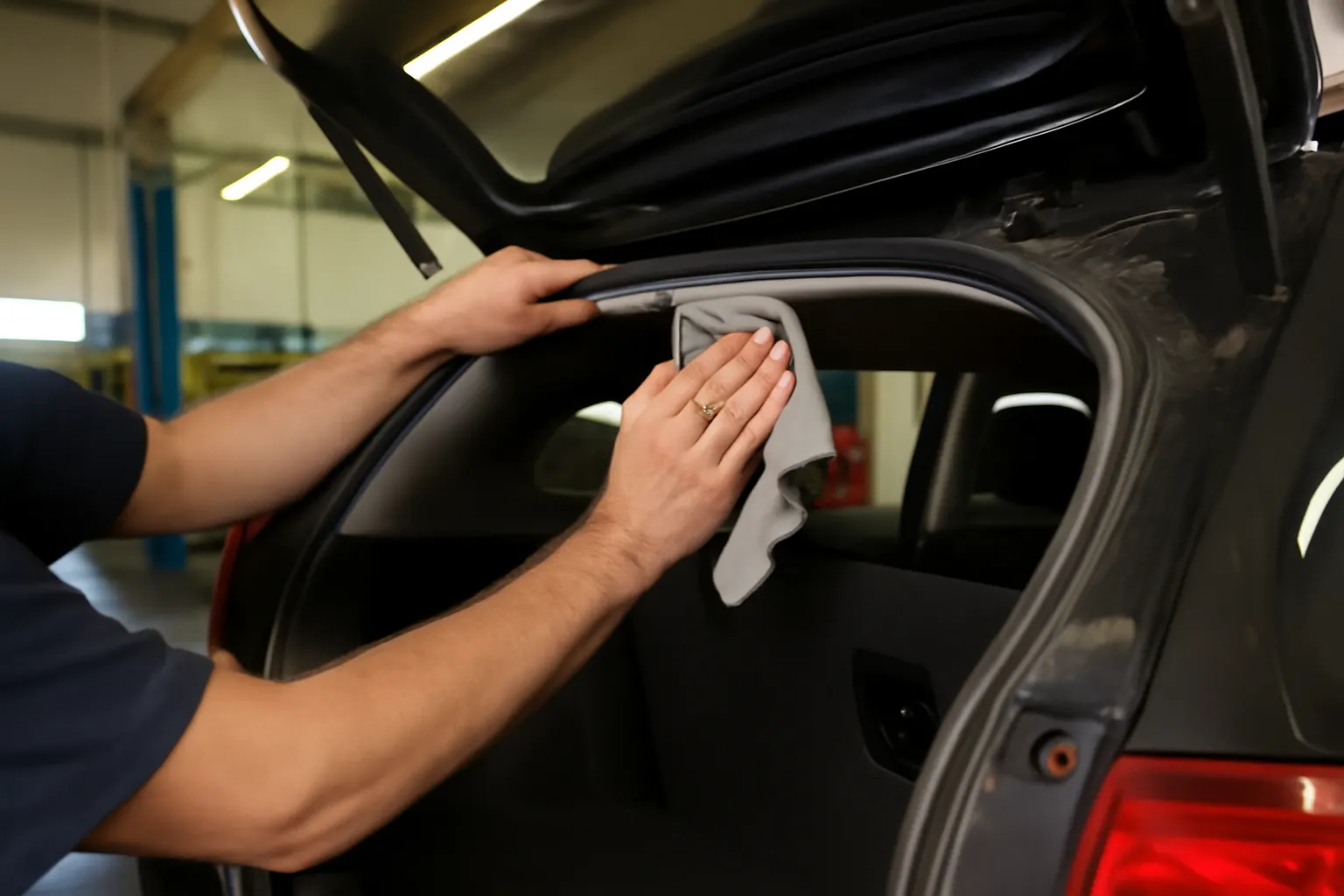
- Clean Seals Regularly: Use a mild soap solution and a soft cloth to wipe down weatherstripping, removing dirt and preventing abrasion.
- Lubricate Latch Mechanisms: Apply a silicone-based lubricant to the latch and striker to prevent sticking and corrosion.
- Inspect for Damage: Check seals and latch components for signs of wear or deformation during every oil change or car wash.
- Treat Seals: Apply a rubber conditioner to weatherstripping every six months to maintain flexibility and water resistance.
- Tighten Fasteners: Periodically check and tighten latch and striker bolts to prevent shifting due to vibration.
Proactive care can extend the life of your latch assembly and seals, maintaining a watertight cargo area.
Repairing and Replacing Faulty Latch or Seals
If you discover a leak traced to a faulty latch or degraded seal, timely repair or replacement is essential. Here’s a practical approach:
Latch Adjustment and Replacement
- Adjust the Striker: Loosen the striker bolts and reposition it to ensure the door closes flush and compresses the seal evenly. Tighten bolts to factory torque specs.
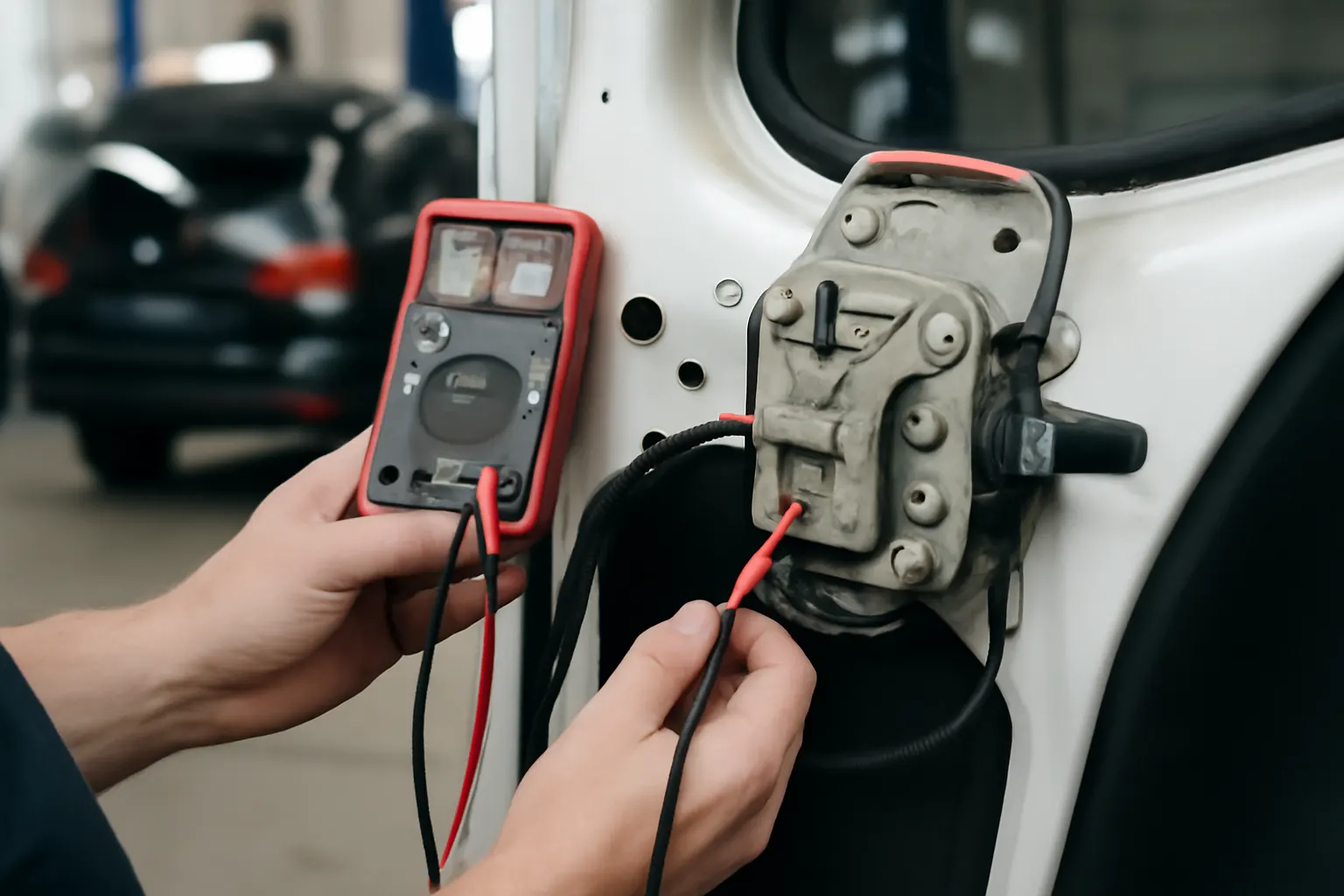
- Replace Worn Latch: Remove the interior trim panel to access the latch. Disconnect any electrical connectors (for power latches) and unbolt the assembly. Install the new latch, ensuring correct alignment.
- Test Operation: Confirm that the door closes securely and the seals compress fully. Repeat the water and paper tests.
Weatherstripping Replacement
- Remove Old Seals: Carefully peel away old weatherstripping, cleaning the surface of any adhesive residue.
- Install New Seals: Align and press new weatherstripping into place, ensuring no gaps or twists. For best results, use OE or high-quality aftermarket seals.
- Seal Joints: Apply weatherproof adhesive or sealant at joint areas, especially near corners and the latch zone.
Always refer to your vehicle’s service manual or Back Door Latch Systems: Security, Safety, and Precision Engineering for model-specific guidance.
Choosing the Right Replacement Parts
Not all latches and seals are created equal. When sourcing replacements:
- Prioritize OE or OE-Equivalent Parts: These meet the vehicle manufacturer’s specifications for fit and material quality.
- Check Compatibility: Match the part number or application details (year, make, model, body style).
- Review Safety Standards: Ensure that latch assemblies meet or exceed SAE and NHTSA safety requirements 3.
- Consider Aftermarket Upgrades: Some aftermarket latches offer enhanced corrosion resistance or improved ergonomics, but always verify weatherproofing claims.
Avoid generic or poorly fitting components, as these can exacerbate leaks and compromise cargo security.
Upgrades and Modifications: Enhanced Weatherproofing
For vehicles used in harsh environments or for those seeking extra protection, consider these upgrades:
- Double-Lip Seals: These provide additional sealing surfaces for improved water resistance.
- Anti-Corrosion Coatings: Latch assemblies with advanced coatings resist rust and maintain sealing pressure longer.
- Power-Operated Latches: Some modern latches offer self-tightening features, ensuring consistent seal compression (see Upgrading to Power-Operated Rear Door Latches).
- Aftermarket Weatherproof Kits: These may include supplementary seals, drain channel extensions, and enhanced adhesives.
Before modifying, confirm that upgrades are compatible with your vehicle’s door geometry and latch system.
The Impact of Water Leaks on Cargo Area Safety and Vehicle Value
Unchecked water leaks can have far-reaching consequences beyond mere inconvenience:
- Corrosion: Persistent moisture accelerates rust on latch mechanisms, strikers, and body seams.
- Electrical Damage: Many vehicles house wiring harnesses, sensors, or control modules in the cargo area. Water ingress can cause short circuits or intermittent faults.
- Mold and Odors: Damp carpets and insulation create a breeding ground for mold, leading to health risks and unpleasant smells.
- Reduced Resale Value: Evidence of water damage is a red flag for used car buyers and can lower your vehicle’s market value.
Addressing leaks promptly preserves both safety and investment.
Recalls and Safety Bulletins: Staying Informed
Automotive manufacturers occasionally issue recalls or technical service bulletins (TSBs) for latch or seal defects that can cause leaks. It’s important to check for active recalls affecting your vehicle, as repairs may be covered at no cost.
- Visit the National Highway Traffic Safety Administration (NHTSA) recalls database and enter your VIN.
- Watch for TSBs related to back door latch adjustments, seal improvements, or corrosion countermeasures.
- If you discover a recall, follow up promptly—unresolved issues may affect safety and insurance coverage.
When to Seek Professional Help
Some water leaks are straightforward to diagnose and repair, but others may require specialized tools or expertise. Consider professional assistance if:
- The cargo door or body is visibly deformed or misaligned.
- Electrical issues or warning lights are present after water exposure.
- Previous DIY repairs have failed to resolve the leak.
- You need advanced alignment procedures or electronic latch calibration.
A qualified technician can perform leak tests, structural repairs, and ensure compliance with manufacturer standards.
Preventing Future Leaks: Long-Term Strategies
Preventing water leaks is not a one-time fix, but an ongoing process. Adopt these long-term habits:
- Regular Inspections: Check seals and latch alignment seasonally, especially after impacts or severe weather.
- Prompt Repairs: Address small leaks or damaged seals immediately, before they worsen.
- Keep Records: Document maintenance, repairs, and any parts replaced—useful for warranty and resale.
- Educate Drivers: If your vehicle is used by multiple drivers, ensure everyone knows to close the cargo door firmly and report any issues.
- Store Smart: Avoid parking under trees or in areas where debris can accumulate around the cargo door.
These strategies help maintain a dry, secure cargo area year after year.
AutoPartEx: Your Partner in Back Door Latch Solutions
At AutoPartEx, we understand that your vehicle’s cargo area is vital for daily life and business. Our technical experts curate only high-quality back door latch systems, weatherstripping, and related components—engineered for OE fit and long-term durability. Whether you’re replacing a worn latch, upgrading to enhanced weatherproofing, or need diagnostic support, our Back Door Latch Systems: Security, Safety, and Precision Engineering resource hub has you covered.
Explore our in-depth guides, including Diagnosing Rear Door Locking Issues and The Role of Latches in Vehicle Security Systems, for even more expert advice.
References
- Fuel Efficiency – United States Department of Energy
- Vehicle Safety and Equipment – National Highway Traffic Safety Administration
- Vehicle, Car Seat, Tire, and Equipment Recalls – National Highway Traffic Safety Administration