The Role of Latches in Vehicle Security Systems
Back door latches are more than just mechanical closures—they are a critical component of modern vehicle security systems. They work in concert with electronic sensors and alarm modules to ensure that your vehicle’s cargo area, rear doors, and hatchbacks are protected against unauthorized access. Understanding how these latches integrate with advanced security and alarm systems helps owners, technicians, and fleet managers maintain safety, security, and peace of mind. Whether you’re evaluating your vehicle’s security or diagnosing a rear door locking issue, a solid grasp of latch technology is essential.
For a deeper dive into the engineering and precision behind these systems, see our Back Door Latch Systems: Security, Safety, and Precision Engineering category page.
The Immediate Answer: Latches as the First Line of Defense
At their core, back door latches physically secure the rear access points of vehicles. In modern cars, SUVs, vans, and trucks, these latches are integrated with electronic locking mechanisms and alarm triggers. When the vehicle’s security system is armed, the latch’s position sensor communicates directly with the alarm module. If the latch is tampered with or forced open, the alarm is immediately triggered, deterring theft and alerting the owner.
This seamless integration is not just about keeping the door closed—it’s about ensuring that any unauthorized attempt to access the cargo or rear compartment is detected and reported in real time. The sophistication of this system means that a compromised latch can undermine the entire security framework of the vehicle.
The Hidden Problem: Vulnerabilities in Latch-Based Security
While latches are foundational to vehicle security, they can also be a point of vulnerability. Older or worn latches may not engage properly, or their position sensors may fail, resulting in false alarms or, worse, undetected breaches. As thieves become more adept at bypassing basic mechanical locks, the importance of robust latch integration with electronic security grows.
Furthermore, not all back door latches are created equal. Variations in materials, electronic sensor design, and installation quality can lead to differences in security performance across vehicles and even within the same model lineup. A single malfunctioning latch can render the most advanced alarm system ineffective, highlighting the need for regular inspection, maintenance, and, when necessary, professional replacement.
Deeper Technical Explanation: How Latches Integrate With Security Systems
Modern vehicle security systems use a combination of mechanical and electronic components to protect rear entry points. Here’s how the integration works in detail:
- Mechanical Engagement: The latch physically secures the rear door or hatch. When closed, it locks into a striker mounted on the vehicle’s body.
- Electronic Actuation: Power door lock actuators, often controlled by key fobs or central locking systems, engage or disengage the latch electronically.
- Position Sensors: Integrated sensors monitor the latch’s status (open, closed, or ajar) and relay this information to the vehicle’s Body Control Module (BCM).
- Alarm Integration: When the security system is armed, any unauthorized movement of the latch or door triggers the alarm, immobilizer, or both.
This integration is governed by industry standards and safety regulations to ensure reliability and tamper resistance. The National Highway Traffic Safety Administration (NHTSA) sets minimum standards for latch strength, operation, and sensor reliability, while organizations like SAE International provide detailed engineering guidelines for latch and lock system testing and integration.
Security System Layers: Beyond the Latch
While the latch is the physical interface, a vehicle’s security system comprises multiple layers:
- Perimeter Protection: Sensors on all doors, including the rear, monitor for unauthorized entry.
- Interior Monitoring: Motion sensors inside the vehicle detect movement when the system is armed.
- Tilt and Glass Break Sensors: Detect attempts to tow the vehicle or break windows.
- Immobilizer Systems: Prevent engine start if unauthorized access is detected.
The back door latch is a key node in this network. If it fails to report its status accurately, the entire system’s effectiveness is compromised. That’s why manufacturers invest heavily in latch design, materials, and sensor integration.
Latch Types and Their Impact on Security
Not all back door latches are identical. The main types include:
- Manual Latches: Operated by hand, common in older vehicles. Vulnerable to forced entry if not paired with robust locks.
- Power Latches: Electrically actuated, often integrated with central locking and alarm systems.
- Deadbolt Latches: Feature an additional locking pin for enhanced security, common in commercial and high-security vehicles.
- Multipoint Latches: Secure the door at multiple points, increasing resistance to prying or forced entry.
Each type offers different levels of security and integration potential. Power and deadbolt latches, in particular, are designed to work seamlessly with electronic security systems, providing both mechanical strength and real-time monitoring.
Common Latch-Related Security Issues
Back door latch issues can lead to a range of security vulnerabilities:
- Latch Not Fully Engaging: May result in the door being closed but not locked, allowing easy access.
- Sensor Malfunction: A faulty position sensor can cause false alarms or fail to trigger the alarm during a break-in.
- Actuator Failure: Prevents the latch from locking or unlocking electronically, undermining the convenience and security of central locking.
- Physical Wear or Damage: Corrosion, dirt, or impact damage can weaken the latch, making it easier to force open.
Diagnosing these issues promptly is essential to maintain the integrity of the vehicle’s security system. For step-by-step troubleshooting, see our Diagnosing Rear Door Locking Issues guide.
Checklist: Assessing the Security of Your Back Door Latch
Regular inspection and testing are vital. Use this checklist to evaluate the condition and security performance of your back door latch:
- Physical Inspection: Check for visible signs of wear, corrosion, or damage.
- Manual Operation: Ensure the latch engages and disengages smoothly by hand.
- Electronic Functionality: Test remote locking/unlocking and listen for actuator operation.
- Alarm Response: Arm the vehicle and attempt to open the rear door—confirm that the alarm triggers.
- Sensor Status: Verify that the dashboard correctly displays “door open” or “door ajar” warnings.
- Striker Alignment: Inspect the striker plate for alignment and secure mounting.
- Weather Sealing: Check that seals around the latch prevent water or dust ingress, which can affect latch performance.
- Recalls and Service Bulletins: Research any manufacturer recalls related to latch or lock systems for your vehicle model.
Address any issues immediately to prevent security failures or false alarms.
Installation and Replacement: Best Practices for Security
Proper installation is crucial for latch performance and integration with security systems. Here’s what to keep in mind:
Selecting the Right Latch
- Compatibility: Ensure the replacement latch matches your vehicle’s make, model, and year.
- OEM vs. Aftermarket: OEM (Original Equipment Manufacturer) latches offer guaranteed fit and compliance with manufacturer security standards, while aftermarket options may vary in quality.
- Sensor Integration: Confirm that the latch includes or supports the necessary position sensors for your alarm system.
Installation Steps
- Disconnect the Battery: Prevent accidental alarm triggers or electrical shorts.
- Remove Interior Panels: Access the latch mechanism without damaging trim.
- Unbolt and Disconnect Old Latch: Carefully disconnect electrical connectors and linkage rods.
- Install New Latch: Align with the striker, connect wiring, and secure with bolts.
- Test Operation: Before reassembling panels, verify manual and electronic function, and ensure alarm triggers as expected.
Improper installation can result in misaligned latches, unreliable sensors, or even damage to the alarm wiring—compromising security.
Maintenance: Keeping Your Latch Secure and Responsive
Routine maintenance extends the life of your back door latch and ensures ongoing security:
- Lubrication: Use a silicone-based lubricant on moving parts to prevent sticking and corrosion.
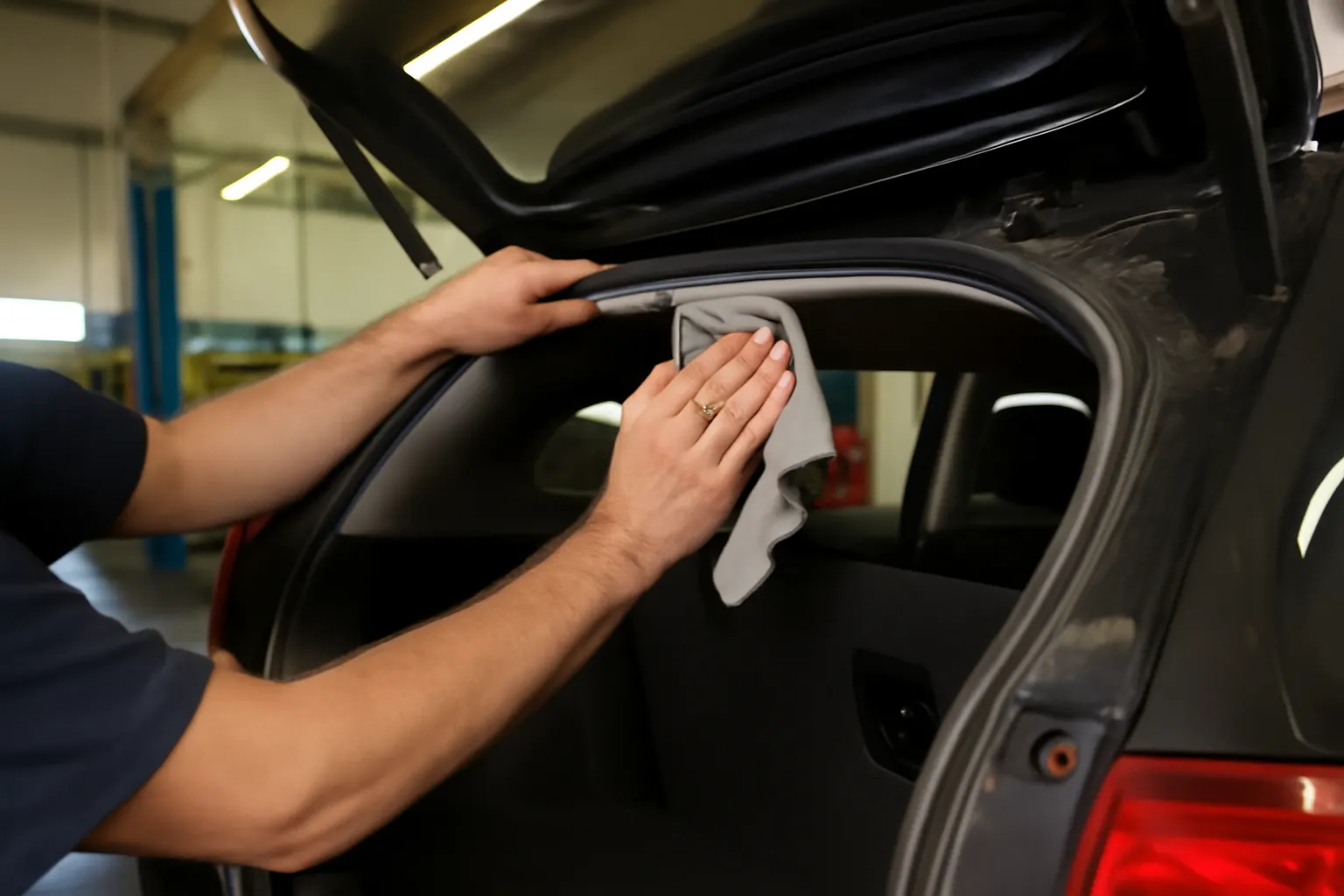
- Cleaning: Remove dirt, debris, and moisture from the latch area to avoid sensor interference.
- Sensor Check: Regularly test the position sensor and replace it if warning lights or alarm malfunctions occur.
- Weatherproofing: Inspect seals and gaskets to prevent water ingress, which can damage both mechanical and electronic components.
Scheduled maintenance is especially important in regions with harsh weather or for vehicles that see heavy cargo use. For tips on preventing related issues, see How to Prevent Water Leaks in Your Cargo Area.
Diagnosing Latch and Security System Faults
When security issues arise, systematic diagnosis is key:
- Symptom Identification: Is the alarm failing to trigger, or are you getting false alarms?
- Visual Inspection: Look for physical damage or disconnected wiring at the latch.
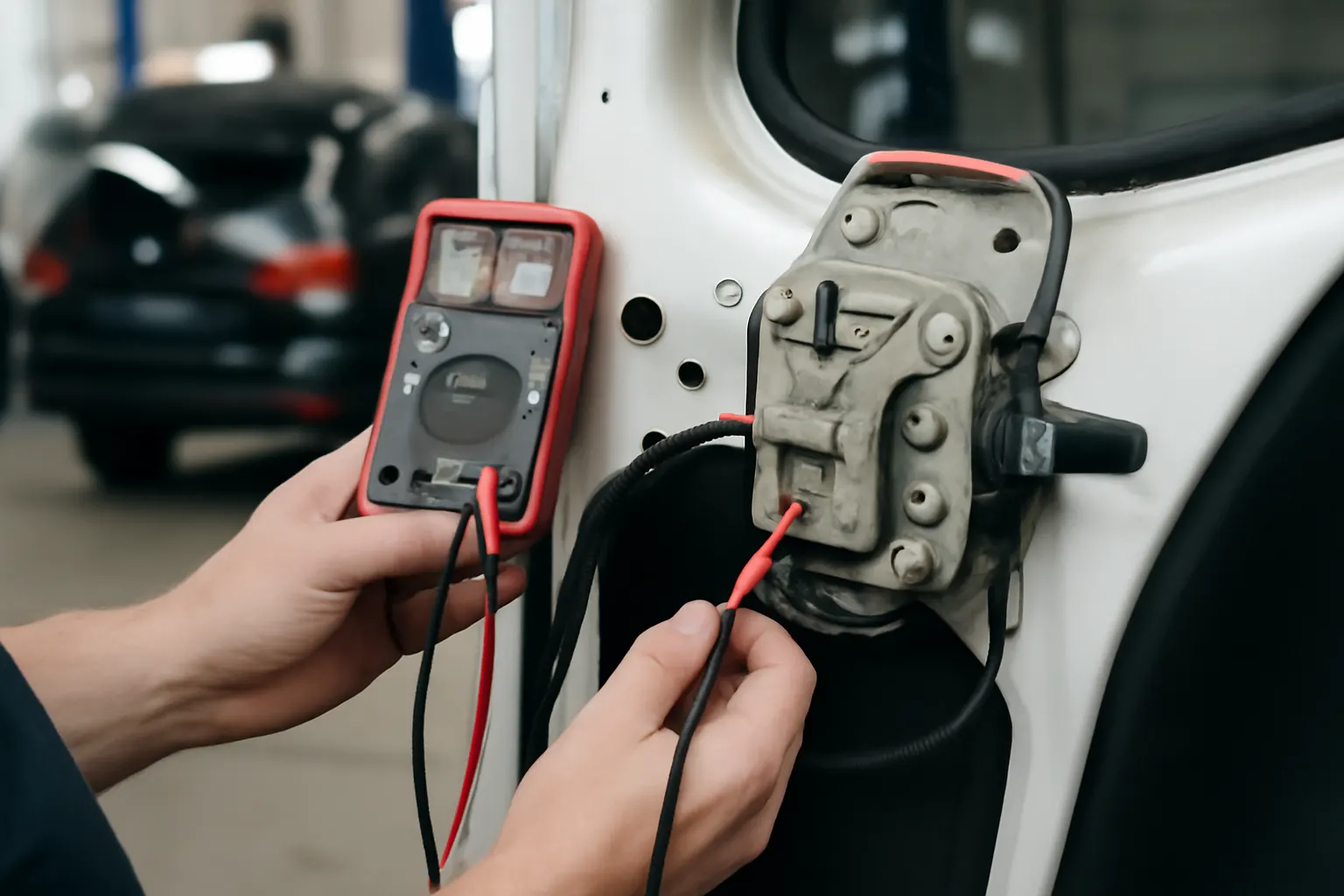
- Electrical Testing: Use a multimeter to check for voltage at the actuator and sensor connections.
- Scan Tool Diagnostics: Advanced vehicles may store fault codes related to door latch or security system components.
- Component Isolation: Disconnect the suspect latch to see if the issue resolves, indicating a faulty part.
If the diagnosis points to a faulty latch or sensor, replacement is usually the best course. Always use parts that meet or exceed SAE and NHTSA standards for safety and security.
Buying Guidance: Choosing a Secure Back Door Latch
Security-focused buyers should consider the following when sourcing a new latch:
- Material Quality: Look for latches made from hardened steel or high-strength composites for resistance to tampering and wear.
- Sensor Reliability: Ensure integrated sensors are rated for automotive use and are compatible with your vehicle’s BCM.
- Brand Reputation: Choose reputable brands or OEM suppliers with a track record of compliance with NHTSA safety standards.
- Warranty and Support: Opt for parts with a solid warranty and technical support, especially for fleet and commercial vehicles.
Consult manufacturer specifications and check for relevant recalls or service bulletins before purchasing. The NHTSA maintains an up-to-date database of Vehicle, Car Seat, Tire, and Equipment Recalls that can be invaluable for buyers.
Upgrading: Enhancing Security With Modern Latch Systems
If your vehicle uses an older manual or single-point latch, upgrading to a modern power-operated or multipoint system can dramatically improve security. Benefits include:
- Central Locking Integration: Lock all doors, including the rear, with a single button or remote.
- Improved Alarm Sensitivity: More accurate monitoring of latch status reduces false alarms and missed break-ins.
- Enhanced Physical Security: Multipoint and deadbolt latches resist prying and forced entry attempts.
- Smart Features: Some aftermarket systems offer smartphone integration, allowing remote monitoring and control.
For guidance on this process, see our Upgrading to Power-Operated Rear Door Latches editorial.
Regulatory and Industry Standards: Ensuring Safety and Compliance
Back door latches and their integration with security systems are subject to rigorous testing and regulation:
- NHTSA Standards: Mandate minimum strength, tamper resistance, and sensor accuracy for all latch systems used in vehicles sold in the U.S. (Vehicle Safety and Equipment).
- SAE International Standards: Provide detailed testing protocols for latch durability, corrosion resistance, and electronic integration (SAE Standards).
- Manufacturer Recalls: Periodically, manufacturers issue recalls for latch systems that fail to meet safety or security benchmarks.
When sourcing or servicing latches, always confirm compliance with these standards to avoid liability, insurance issues, or compromised vehicle safety.
The AutoPartEx Advantage: Precision, Security, and Expertise
At AutoPartEx, we recognize that the security of your vehicle starts with the integrity of its latch systems. Our curated selection of OEM and high-quality aftermarket back door latches ensures you get components that meet or exceed industry standards for safety and security. Our technical guides, diagnostic resources, and expert support empower vehicle owners and technicians to make informed decisions—whether you’re addressing a specific issue or upgrading your security system.
Explore our full range of Back Door Latch Systems: Security, Safety, and Precision Engineering to find the right fit for your vehicle, backed by technical expertise and a commitment to safety.
References
- Vehicle Safety and Equipment — National Highway Traffic Safety Administration
- Vehicle, Car Seat, Tire, and Equipment Recalls — National Highway Traffic Safety Administration
- SAE Standards — SAE International