Advertisement
Tesla Maintenance Costs: What Owners Need to Know
Tesla vehicles are celebrated for their cutting-edge electric powertrains and minimal routine maintenance compared to traditional combustion-engine vehicles. But what do Tesla owners really pay in the long run? This comprehensive guide breaks down typical Tesla maintenance intervals, the most common repairs, expected costs, and proven cost-saving strategies. Whether you own a Model S, Model 3, Model X, or Model Y, understanding the unique aspects of Tesla maintenance is essential for protecting your investment and ensuring long-term reliability.
If you’re seeking genuine or replacement parts for your Tesla, be sure to reference the Tesla OEM & Replacement Parts: Heritage, Fitment, and Technical Guidance | AutoPartEx page for the most up-to-date fitment and technical information.
Immediate Answer: What Does Tesla Maintenance Really Cost?
Tesla maintenance costs are generally lower than those for gasoline vehicles, mainly due to fewer moving parts and the absence of oil changes, spark plugs, and exhaust systems. However, certain components—like tires, brakes (especially on performance models), and the high-voltage battery system—require specialized attention and can result in higher-than-expected costs if not maintained properly.
Typical annual maintenance costs for a Tesla range from $300 to $700, depending on the model, mileage, and driving style. This figure covers basic service items such as tire rotations, cabin air filter replacements, brake fluid checks, and inspections. Major repairs or out-of-warranty battery replacements can add thousands to that total, so proactive care and sourcing parts wisely is crucial.
The Hidden Problem: What Most Owners Overlook
While Teslas require less frequent servicing, neglecting scheduled maintenance or using improper parts can lead to expensive failures. Many owners underestimate the importance of routine inspections, especially for wear items like suspension components, tires, and cooling systems unique to electric vehicles. Additionally, the rapid evolution of Tesla software and hardware means that not all aftermarket or third-party parts meet original equipment standards, potentially compromising safety and vehicle performance.
Expanding the Problem: Unique Challenges in Tesla Maintenance
Tesla’s simplified drivetrain is only part of the maintenance story. The brand’s extensive use of lightweight materials, advanced electronics, and proprietary diagnostic systems introduces new complexities:
- Battery and High-Voltage Systems: While designed for longevity, Tesla batteries and associated electronics require careful monitoring. Issues such as coolant leaks, high-voltage cable wear, or software calibration faults can be costly if not addressed early.
- Braking Systems: Regenerative braking reduces pad and rotor wear, but brake fluid absorbs moisture over time, and corrosion can occur if neglected. Performance models with larger brakes may need more frequent attention.
- Tire Wear: The instant torque of electric motors accelerates tire wear, especially on dual-motor and performance variants. Incorrect tire selection or rotation intervals can lead to premature replacement and compromised handling.
- Suspension and Chassis: Lightweight aluminum components offer efficiency but can be more susceptible to damage from potholes or curb strikes, often requiring specialized repair or replacement.
- Software and Diagnostics: Many Tesla features—such as Autopilot, battery conditioning, and thermal management—are software-driven. Diagnostic access is limited, and certain repairs require Tesla-specific tools or software authorizations.
Tesla Maintenance Intervals: What to Expect
Tesla provides digital service reminders via its in-car interface, but understanding the recommended intervals helps prevent oversight. Here’s a breakdown of the most common service items and intervals (subject to model and driving conditions):
| Service Item | Typical Interval |
|---|---|
| Tire Rotation, Balance | Every 10,000–12,000 miles |
| Cabin Air Filter | Every 2 years (Model S/X), 3 years (Model 3/Y) |
| Brake Fluid Check | Every 2 years |
| High-Efficiency Particulate Air (HEPA) Filter | Every 3 years (Model S/X) |
| Air Conditioning Service | Every 2 years (Model 3), 4 years (Model Y), 3 years (Model S), 4 years (Model X) |
| Battery Coolant Replacement | Every 4 years (Model S/X pre-2021), 5 years (Model 3/Y) |
| Wiper Blades | As needed |
| Key Fob Battery | As needed (usually annually) |
Always refer to your Tesla’s digital owner’s manual for model-specific recommendations.
Common Tesla Repairs and Associated Costs
While routine maintenance is straightforward, certain repairs can be more involved and expensive:
Advertisement
- Tire Replacement: Performance models may require high-spec tires, costing $900–$1,400 for a full set.
- Brake Service: While less frequent due to regenerative braking, full brake service (pads, rotors, fluid) can range from $400–$900.
- Suspension Work: Aluminum control arms, bushings, or air suspension components can cost $500–$2,000 depending on the part and labor.
- HV Battery System Repairs: Out-of-warranty battery replacement is rare but can exceed $10,000. Minor battery or charging component repairs may range from $500–$2,000.
- Touchscreen/MCU Replacement: Infotainment or display failures typically cost $1,000–$2,500 if not covered by warranty or recall.
- 12V Battery Replacement: Unlike the high-voltage pack, the auxiliary 12V battery is a consumable part, usually $120–$350 installed.
Cost-Saving Strategies for Tesla Owners
Proactive maintenance and smart sourcing can dramatically reduce long-term ownership costs. Consider the following strategies:
1. Follow Digital Service Reminders
Tesla’s onboard system tracks mileage and usage, providing timely alerts for tire rotations, filter changes, and more. Don’t ignore these notifications—delayed maintenance can lead to more expensive repairs.
2. Source Genuine and High-Quality Replacement Parts
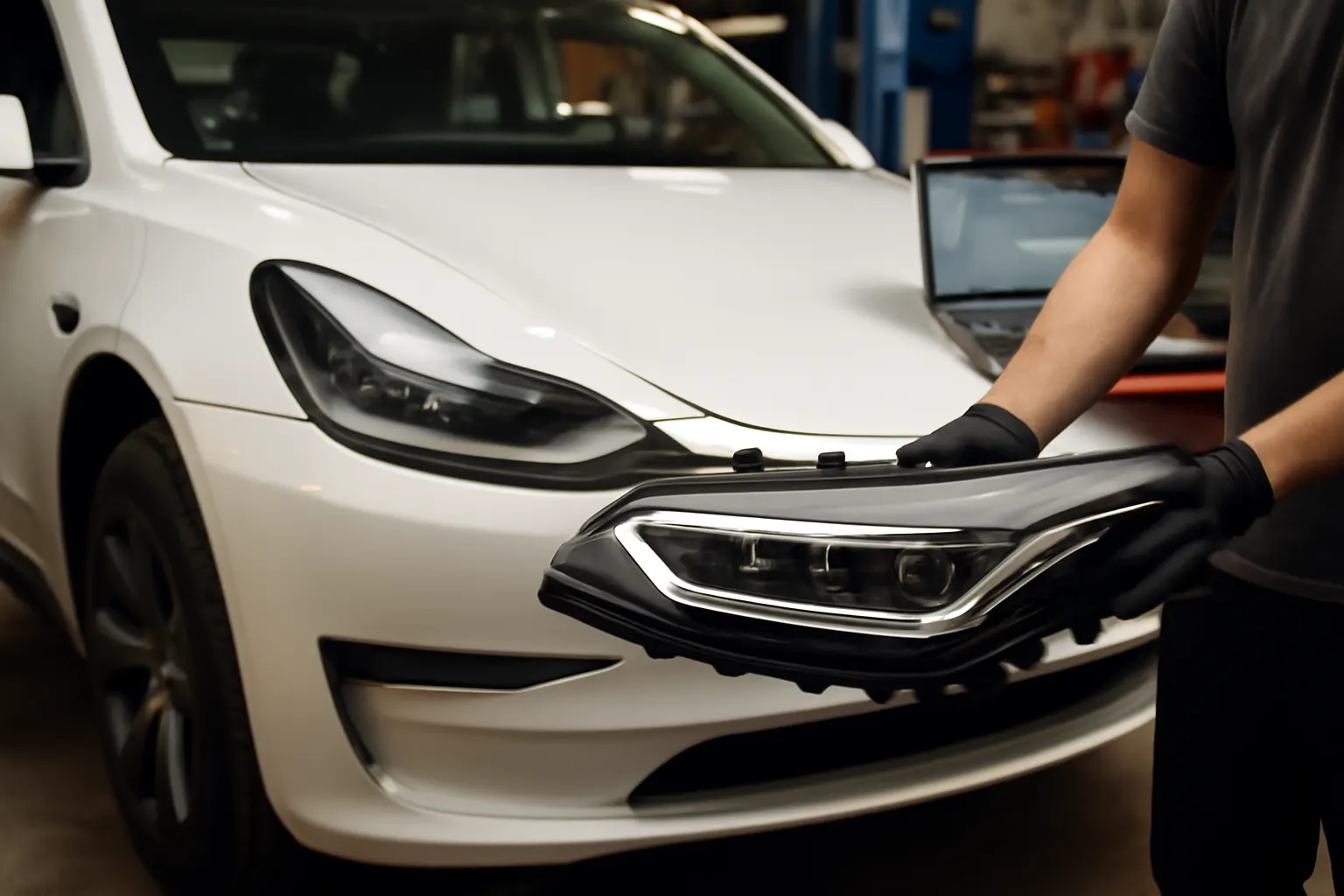
Not all aftermarket parts meet Tesla’s specifications. For critical systems—brakes, suspension, battery cooling—stick with OEM or certified replacement components. Use the Tesla OEM Parts Catalog to ensure proper fitment.
3. Use Qualified Technicians
While some basic tasks (wiper blades, cabin filters) are DIY-friendly, high-voltage or diagnostic repairs should be left to certified professionals with Tesla-specific training and equipment.
4. Monitor Tire Pressure and Alignment
Underinflated or misaligned tires wear out quickly and reduce efficiency. Regularly check tire pressures and schedule alignments, especially after suspension work or pothole impacts.
5. Leverage Over-the-Air (OTA) Updates
Software updates can improve efficiency, safety, and even fix minor system bugs. Always keep your Tesla’s firmware up to date.
Diagnostic Checklist: Identifying Issues Before They Cost You
Early detection is key to avoiding expensive repairs. Use this checklist to stay ahead:
- Dashboard Warnings: Address any alerts immediately, especially those related to battery, brakes, or tire pressure.
- Unusual Noises: Clicking, grinding, or knocking from the suspension or brakes may indicate worn components.
- Reduced Range: Significant drops in driving range can signal battery or tire issues.
- Charging Irregularities: Slow or inconsistent charging may point to battery management or connector problems.
- HVAC Performance: Weak air conditioning or odd smells can mean a clogged filter or refrigerant leak.
- Physical Damage: Inspect wheels, tires, and underbody after impacts or curb strikes—aluminum components are less forgiving.
If any of these symptoms occur, consult a qualified technician or reference the Tesla Model S Parts Fitment & Upgrade Guide for troubleshooting tips.
The Role of Materials and Technology in Tesla Maintenance
Tesla’s use of advanced lightweight materials—such as aluminum body panels and cast subframes—reduces weight and improves efficiency, but introduces new maintenance considerations. Aluminum is more corrosion-resistant than steel but can be costlier and more complex to repair, often requiring specialized tools and techniques.
The extensive integration of electronics, sensors, and software means that many “repairs” are actually software calibrations or module replacements rather than traditional mechanical fixes. Staying current with the latest SAE Standards and manufacturer bulletins is critical for technicians and DIY owners alike.
The Importance of Safety and Regulatory Compliance
Tesla vehicles are engineered to meet stringent safety and equipment standards. When replacing critical components—such as brakes, airbags, or high-voltage wiring—using certified parts is essential for maintaining compliance with NHTSA equipment regulations. Non-compliant or counterfeit parts may compromise both safety and insurance coverage.
To avoid counterfeit or substandard components, review our guide on How to Spot Counterfeit Tesla Parts before making any purchase outside official channels.
Battery Maintenance: Myths, Realities, and Replacement Costs
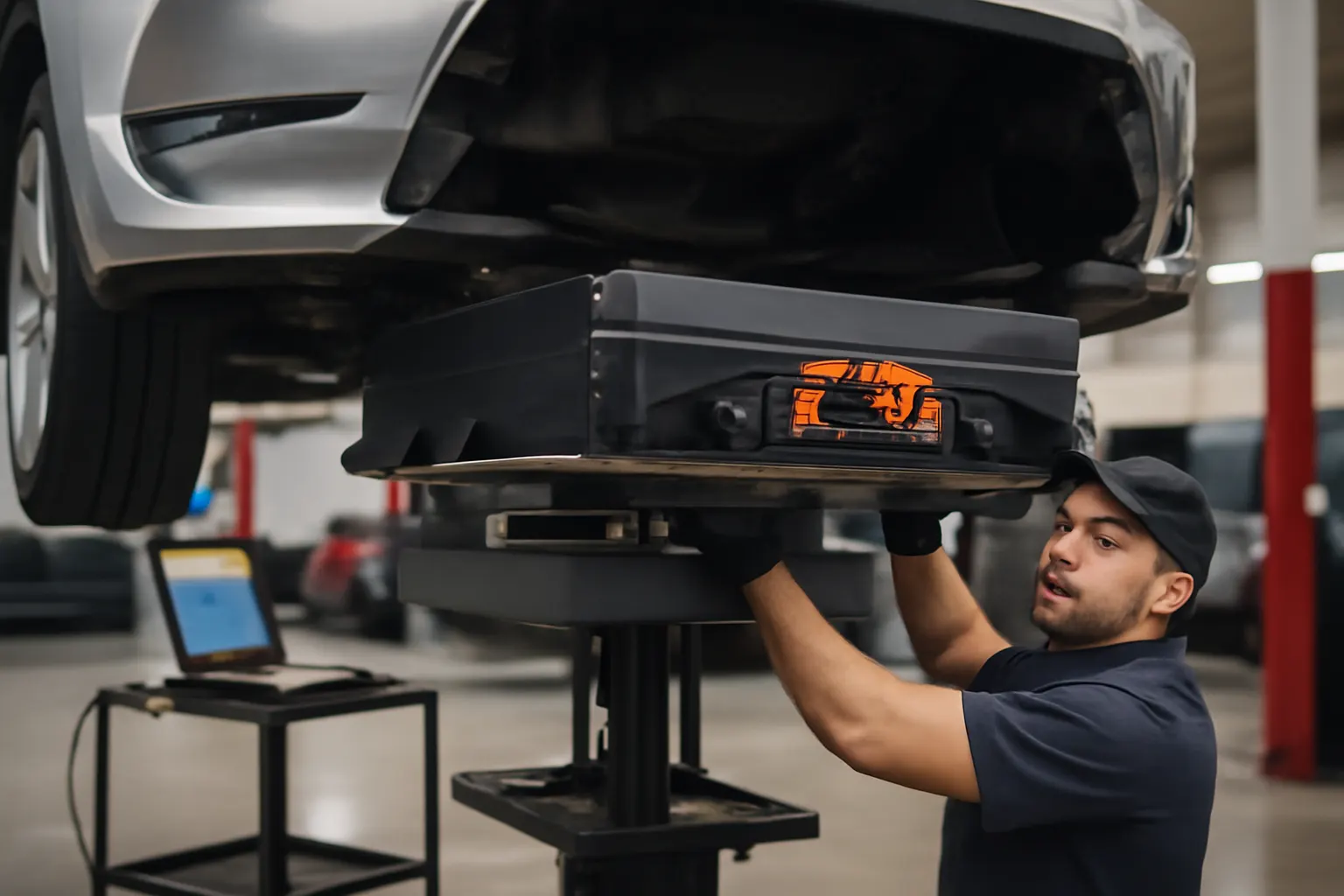
The high-voltage battery is Tesla’s most valuable and complex component. While battery packs are designed for long life (often 300,000+ miles), their longevity depends on proper thermal management, software calibration, and charging habits.
Key battery maintenance tips:
Advertisement
- Avoid Excessive Fast Charging: Frequent use of Superchargers can accelerate battery wear. Use Level 2 charging for daily needs when possible.
- Maintain Optimal State of Charge: Keeping the battery between 20% and 80% (except for long trips) helps preserve capacity.
- Monitor for Coolant Leaks: Early Teslas had issues with battery coolant leaks. Regularly inspect for signs of moisture or corrosion near battery connections.
- Software Updates: Battery management systems are frequently improved via OTA updates. Always install the latest firmware.
Battery replacement out of warranty is rare but costly—expect $10,000–$15,000 for a full pack, though most owners will never need this service within typical vehicle lifespans.
Tires, Brakes, and Suspension: The True Cost of Performance
Tesla’s instant torque and heavy battery packs put unique demands on tires, brakes, and suspension components. Owners of performance variants (such as Model S Plaid or Model 3 Performance) should budget for:
- Tires: High-grip, low-profile tires wear faster—often lasting 20,000–30,000 miles. Rotations every 10,000 miles are essential.
- Brakes: Regenerative braking extends pad life, but moisture can cause rotor corrosion if the car is not driven regularly. Occasional hard braking helps keep rotors clean.
- Suspension: Air suspension systems (Model S/X) require periodic calibration and may need replacement airbags or compressors after 80,000–120,000 miles.
Ignoring these systems can lead to premature wear and expensive repairs—proactive inspection and replacement are key.
Software, Updates, and Diagnostic Tools
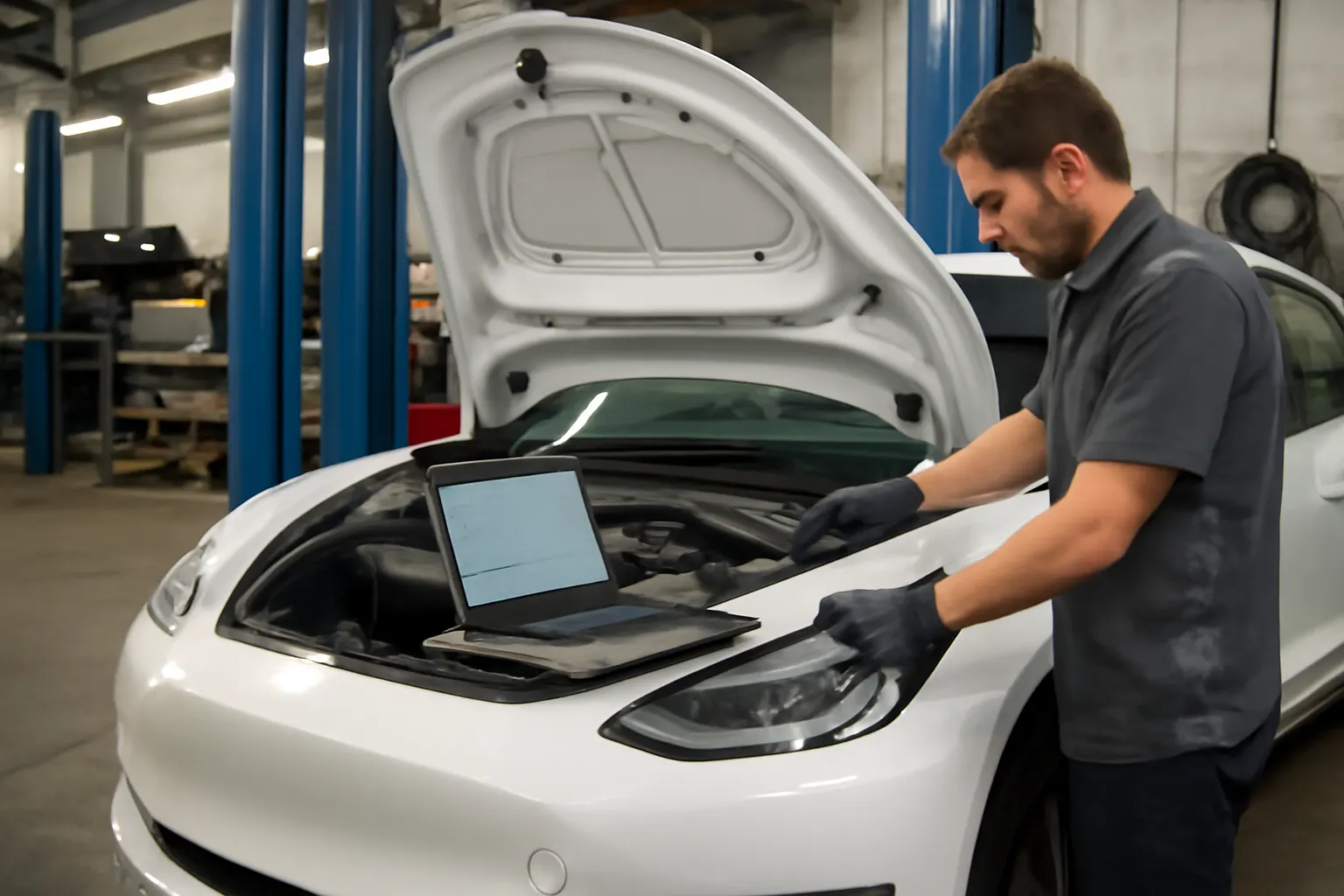
Modern Teslas are as much software as hardware. Many issues—ranging from sensor faults to battery management—are resolved via software updates or remote diagnostics. However, certain repairs require physical intervention and specialized diagnostic equipment.
What owners should know:
- OTA Updates: Always allow your Tesla to install the latest software. Updates can improve range, safety, and even fix hardware-related bugs.
- Diagnostics: The Tesla Toolbox is only available to authorized service centers. Independent shops must use manufacturer-approved tools and follow SAE Standards for diagnostics and repair.
- Aftermarket Parts: Some third-party electronics may not integrate properly with Tesla’s software, leading to compatibility issues or error messages.
Sourcing Tesla Replacement Parts: OEM vs Aftermarket
With the growing popularity of Tesla vehicles, the replacement parts market has expanded rapidly. However, not all parts are created equal.
OEM (Original Equipment Manufacturer) Parts
- Guaranteed Fitment: Designed to meet Tesla’s strict tolerances and performance standards.
- Safety Compliance: Certified to meet NHTSA and industry standards.
- Warranty Protection: Use of OEM parts maintains warranty and resale value.
Aftermarket Parts
- Cost Savings: Can be less expensive, but quality varies widely.
- Fitment Issues: Some parts may not match Tesla’s unique specifications, especially for body panels or electronics.
- Potential Risks: Non-certified parts may void warranty or compromise safety systems.
For critical systems, always source through trusted suppliers or directly from the Tesla OEM Parts Catalog.
Fitment, VIN Lookup, and Avoiding Costly Mistakes
Tesla’s rapid hardware evolution means that even cars from the same model year can have different parts. To ensure correct fitment:
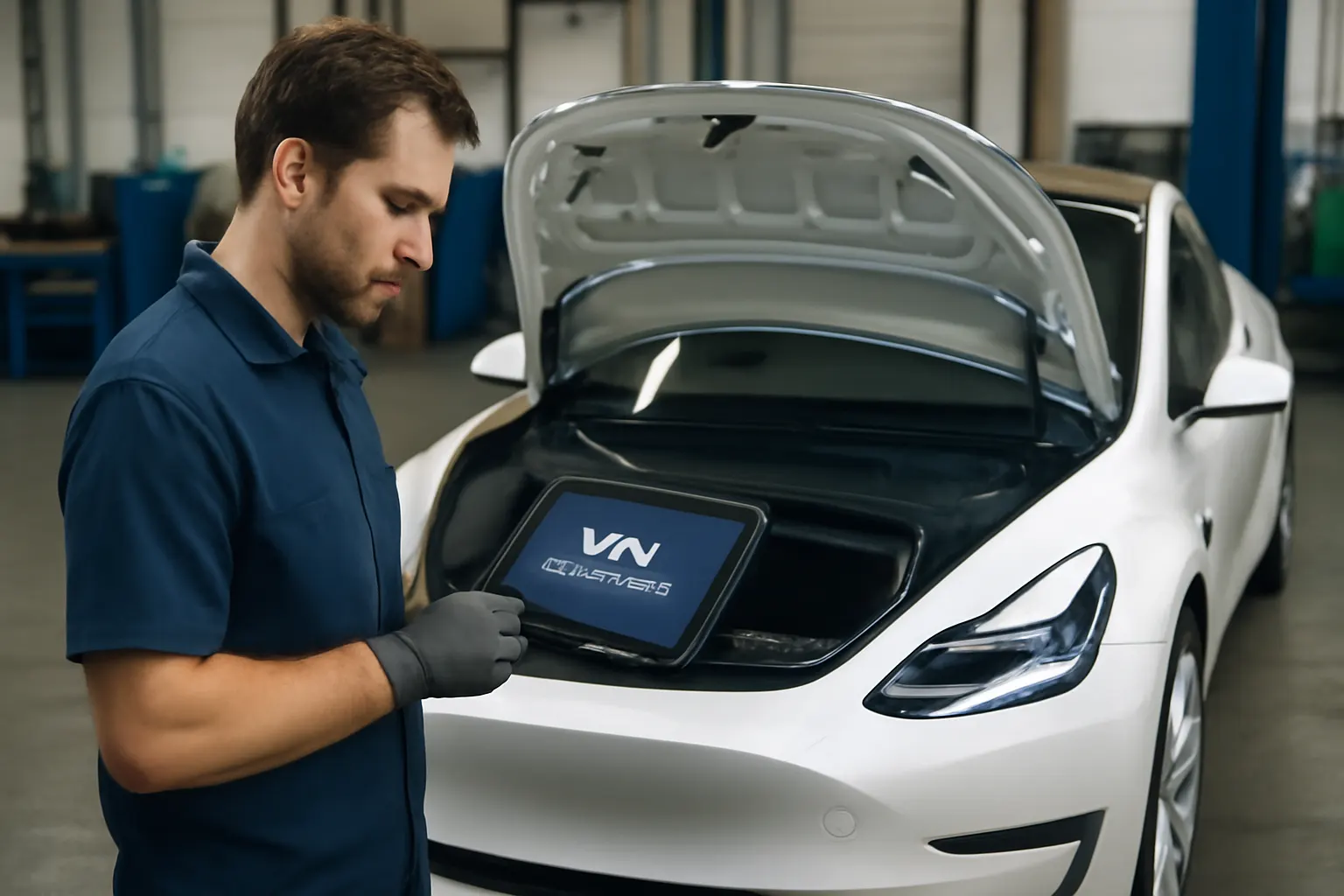
- Use the Tesla VIN Lookup: Ensuring Correct Part Selection tool before ordering any replacement part.
- Cross-reference part numbers and manufacturing dates.
- Consult the Tesla OEM & Replacement Parts: Heritage, Fitment, and Technical Guidance | AutoPartEx page for detailed compatibility charts.
Mistakes in fitment can lead to installation delays, safety issues, or the need for costly returns and rework.
AutoPartEx: Your Partner in Tesla Maintenance and Upgrades
AutoPartEx is dedicated to helping Tesla owners maintain, upgrade, and repair their vehicles with confidence. Our extensive catalog of Tesla OEM and certified replacement parts, along with detailed fitment guides and technical resources, empowers owners and technicians to make informed, cost-effective choices.
Whether you’re tackling a simple cabin filter change or a complex suspension upgrade, AutoPartEx provides:
- Accurate part fitment data
- Verified sourcing from trusted suppliers
- Technical support and installation guidance
- Editorial resources like the Tesla Model S Parts Fitment & Upgrade Guide
Stay ahead of costly repairs and enjoy peace of mind—choose AutoPartEx for all your Tesla maintenance needs.
Conclusion: The Smart Owner’s Path to Low Tesla Maintenance Costs
Owning a Tesla means embracing advanced technology and a new approach to vehicle maintenance. While routine costs are generally lower than those for traditional vehicles, neglecting scheduled care or using substandard parts can lead to expensive surprises. By following digital service reminders, using high-quality components, and leveraging expert resources like AutoPartEx, you can enjoy the full benefits of Tesla ownership—efficient, reliable, and cost-effective for years to come.
References
Advertisement