Advertisement
The Risks of Aftermarket Tesla Parts: What Owners Need to Know
When it comes to maintaining or upgrading your Tesla, the allure of aftermarket parts is obvious: lower prices, wider availability, and the promise of customization. But Tesla owners face a unique set of risks when choosing non-OEM components, from software lockouts and diagnostic headaches to real-world safety and efficiency concerns. Before you click “buy” on that third-party part, it’s critical to understand what’s at stake—and how to avoid costly mistakes that could compromise your vehicle’s safety, performance, and even its ability to operate.
This comprehensive guide will walk you through the most significant risks of using aftermarket parts in your Tesla, the technical reasons behind them, and the steps you can take to make informed, safe choices. Whether you’re searching for replacement sensors, brake components, or high-voltage battery modules, this article is your essential resource for navigating the Tesla aftermarket landscape.
For a broader overview of Tesla parts sourcing and fitment, see our Tesla OEM & Aftermarket Parts: Technical Fitment, Quality, and Sourcing | AutoPartEx page. If you’re ready to dive into the specifics of aftermarket risks, read on.
Why Tesla Owners Turn to Aftermarket Parts
Tesla’s rapid technological evolution and proprietary supply chain have created a robust demand for aftermarket parts. Owners often seek non-OEM components for several reasons:
- Cost Savings: OEM Tesla parts can carry a steep markup, especially for collision repairs or out-of-warranty vehicles.
- Availability: Certain parts may be backordered or restricted, pushing owners toward aftermarket sources for faster solutions.
- Customization: Aftermarket suppliers offer appearance and performance upgrades not available from Tesla itself.
However, these benefits come with trade-offs, particularly given Tesla’s tightly integrated vehicle architecture and software-driven systems.
Immediate Risks: What Can Go Wrong with Aftermarket Tesla Parts
The most immediate danger of using non-OEM parts in your Tesla isn’t just theoretical—it can result in:
- Software Lockouts: Tesla’s software can detect unauthorized hardware, disabling features or generating persistent warnings.
- Safety System Failures: Incompatible sensors or substandard materials can compromise ADAS (Advanced Driver Assistance Systems) and core safety functions.
- Reduced Efficiency: Non-OEM drivetrain, battery, or aerodynamic parts can lower your range and energy efficiency.
- Warranty and Service Issues: Tesla may refuse service or charge for diagnostics if aftermarket parts are detected.
Understanding these risks is vital before making any aftermarket modifications or repairs.
The Hidden Problem: Tesla’s Integrated Hardware-Software Ecosystem
Unlike most automakers, Tesla designs vehicles as a seamless blend of hardware and software. Every major system—from brakes to batteries to autopilot sensors—is monitored and managed by proprietary software. This integration creates unique challenges for aftermarket parts:
- Component Authentication: Tesla’s onboard diagnostics can identify non-genuine parts and log faults.
- Firmware Compatibility: Updates may render aftermarket parts inoperable or trigger new fault codes.
- Critical Calibration: ADAS and safety features depend on precise sensor data and calibration routines that may not recognize aftermarket components.
These hidden risks can lead to unpredictable failures or loss of functionality, even if the part appears to fit physically.
Safety Concerns Backed by Regulatory Data
The National Highway Traffic Safety Administration (NHTSA) emphasizes that vehicle safety depends on the quality and compatibility of replacement parts, especially for components affecting critical systems such as brakes, airbags, and steering. According to NHTSA’s Equipment Safety guidelines, substandard or incompatible parts can undermine crashworthiness and occupant protection.
Tesla’s reliance on advanced driver assistance features makes the stakes even higher. Aftermarket sensors, cameras, or radar modules that do not meet OEM specifications may cause:
- False Positive/Negative Alerts: Misaligned or out-of-spec sensors can trigger unnecessary braking or fail to detect hazards.
- Loss of Autopilot Functionality: Tesla’s software may restrict or disable features if sensor data is suspect.
- Compromised Collision Avoidance: The entire safety envelope depends on accurate, real-time data.
These risks are not hypothetical; NHTSA maintains a recalls database that includes incidents related to faulty aftermarket equipment.
Advertisement
Efficiency and Performance Risks: Beyond Safety
Tesla’s vehicles are engineered for maximum efficiency, leveraging lightweight materials and precision-calibrated powertrains. The U.S. Department of Energy notes that even small changes in weight, rolling resistance, or aerodynamics can significantly impact energy consumption.
Aftermarket parts that deviate from OEM specifications may:
- Reduce Driving Range: Heavier wheels, poorly designed body panels, or non-standard tires can sap battery power.
- Impact Regenerative Braking: Non-OEM brake pads or rotors may not interact correctly with Tesla’s regenerative systems, reducing efficiency and increasing wear.
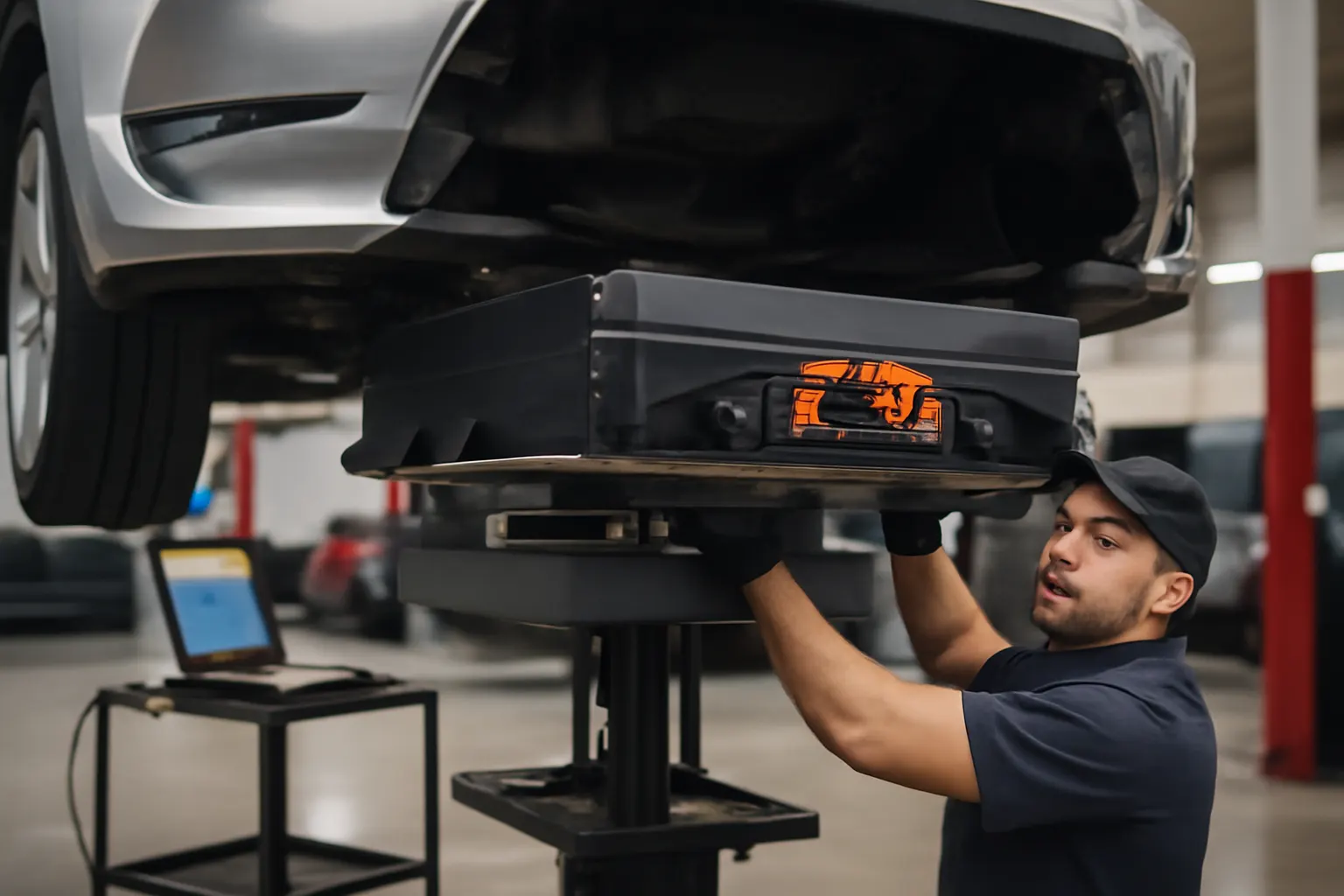
- Affect Thermal Management: Battery or HVAC components not designed for Tesla’s systems can lead to overheating or reduced performance.
These efficiency penalties often go unnoticed until range and performance drop below expected levels.
Technical Deep Dive: Why Tesla Parts Are Different
To fully understand the risks, it’s important to look at what sets Tesla parts apart from conventional automotive components:
- Unique Materials and Construction: Tesla uses advanced alloys, composites, and proprietary designs to meet strict weight and performance targets (DOE Materials Technologies).
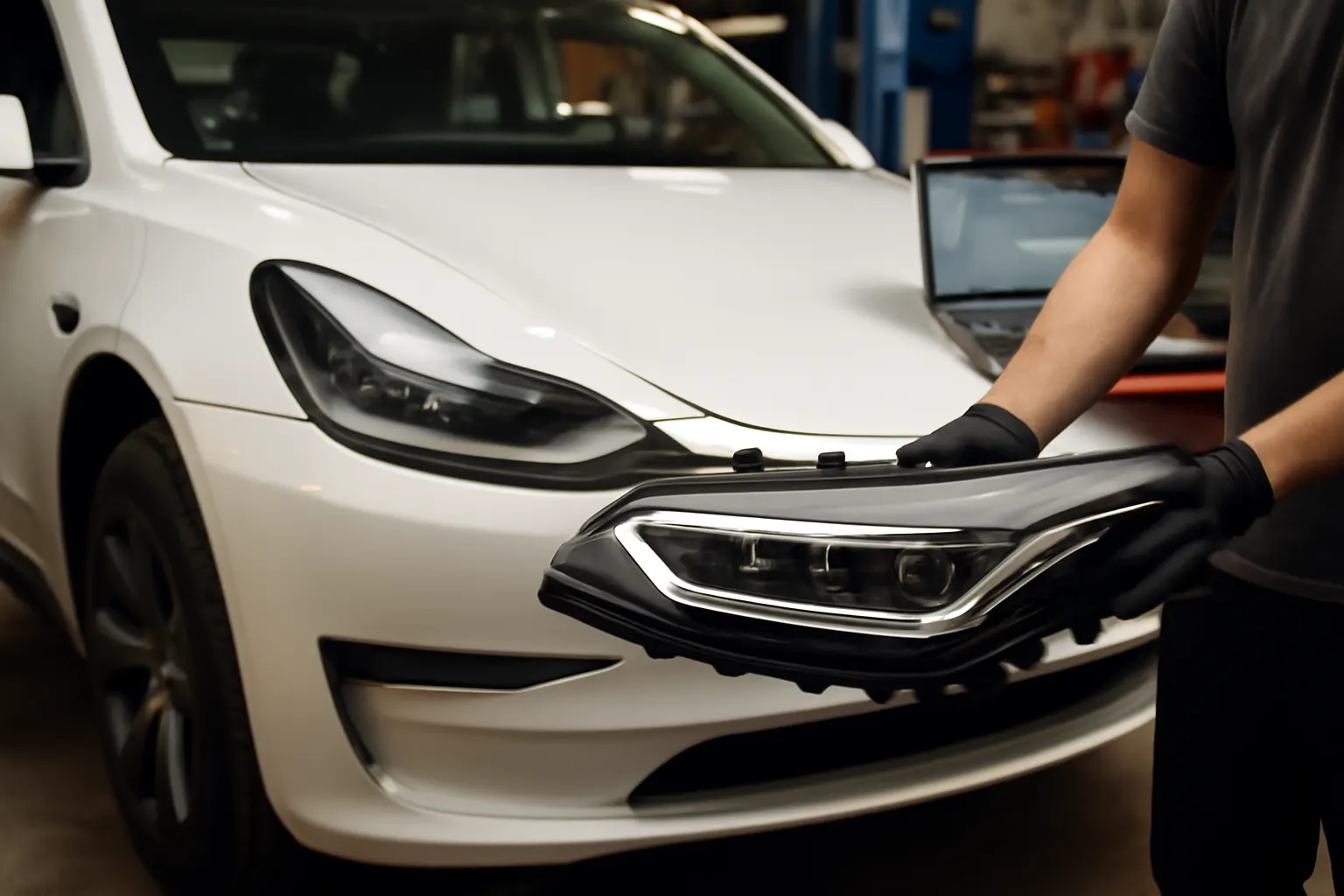
- Integrated Electronics: Many parts—such as headlights, sensors, and battery modules—contain embedded microcontrollers and are “married” to the vehicle’s VIN during installation.
- CAN Bus and Diagnostic Integration: All major systems communicate over the Controller Area Network (CAN), and unauthorized parts can disrupt this communication.
- Over-the-Air (OTA) Updates: Tesla vehicles receive regular software updates that may change the way hardware is managed, potentially breaking compatibility with aftermarket parts.
This level of integration means that even well-made aftermarket components can cause subtle or severe issues if not designed and tested to exacting standards.
Real-World Scenarios: Common Aftermarket Pitfalls
Here are some of the most frequent—and costly—problems Tesla owners encounter with aftermarket parts:
1. Aftermarket Sensors and Cameras
- Symptom: Lane-keeping, adaptive cruise, or autopilot features stop working or display errors.
- Root Cause: Non-OEM sensors may not provide data in the format or precision required by Tesla’s software, leading to system deactivation.
2. Battery and High-Voltage Components
- Symptom: Vehicle refuses to charge, displays “Service Required” warnings, or limits range.
- Root Cause: Tesla’s battery management system authenticates high-voltage components. Aftermarket modules or connectors can trigger lockouts or safety shutdowns.
3. Body Panels and Structural Parts
- Symptom: Increased wind noise, water leaks, or unexpected range drop.
- Root Cause: Aftermarket panels may not match Tesla’s aerodynamic or structural specifications, impacting efficiency and safety.
4. Brake and Suspension Parts
- Symptom: Reduced stopping power, abnormal noises, or uneven tire wear.
- Root Cause: Non-OEM brake pads, rotors, or suspension bushings may not interact correctly with Tesla’s regenerative braking or electronic stability systems.
How to Identify Safe Aftermarket Tesla Parts
Not all aftermarket parts are inherently unsafe—but identifying high-quality, compatible options requires extra diligence. Use this checklist before purchasing or installing any non-OEM component:
Aftermarket Tesla Parts Safety Checklist
| Step | Action | Why It Matters |
|---|---|---|
| 1 | Verify Certification | Look for parts meeting SAE, ISO, or equivalent standards (SAE Standards). |
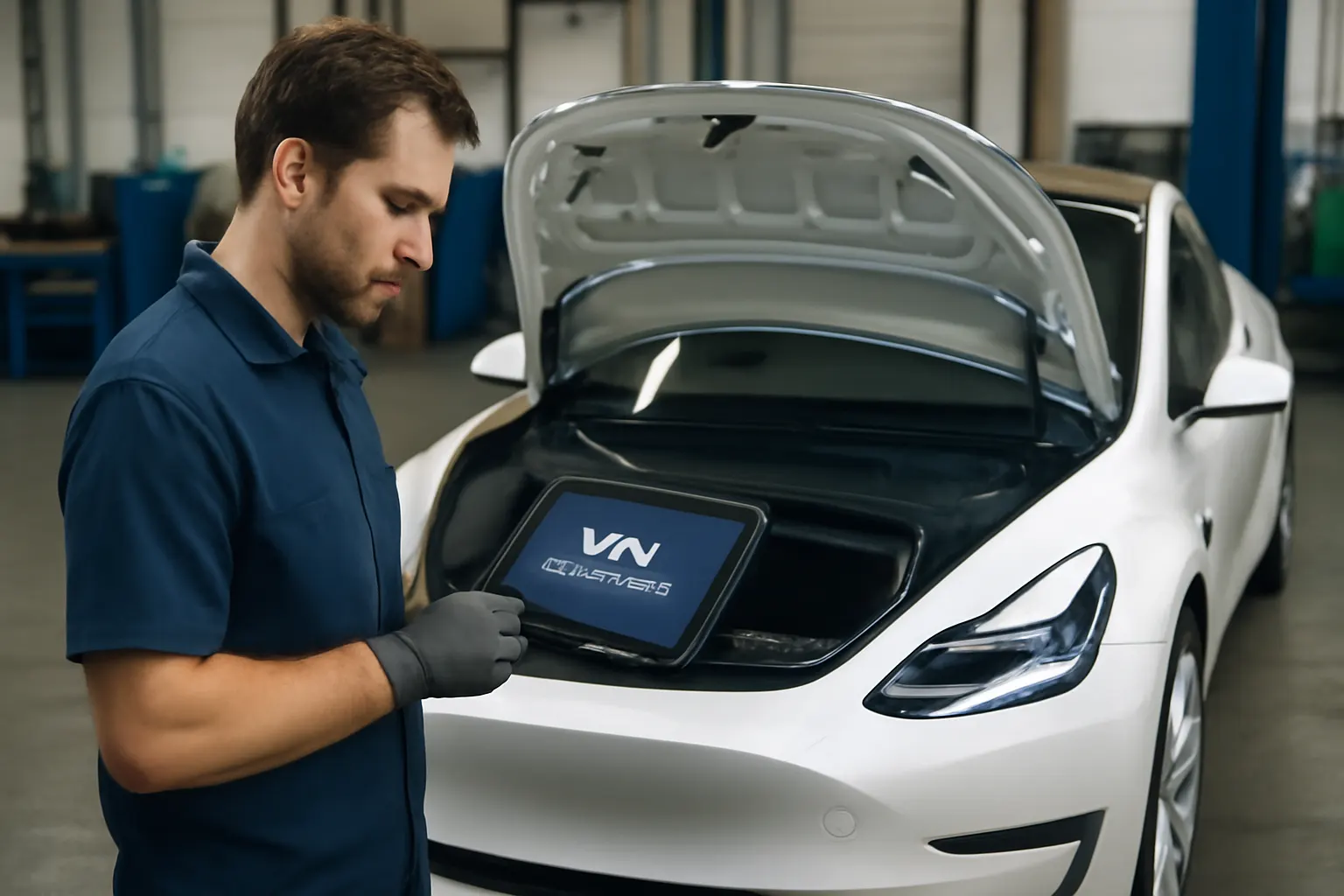
| 2 | Check Fitment Data | Use your Tesla VIN and consult trusted databases to ensure compatibility. See How to Decode Your Tesla VIN for Parts Fitment. |
| 3 | Research Manufacturer | Choose suppliers with a proven record for Tesla-specific components. |
| 4 | Inspect for Embedded Electronics | Avoid parts that require VIN pairing unless explicitly supported. |
| 5 | Review Owner Feedback | Search Tesla forums and communities for reports on part reliability and software compatibility. |
| 6 | Confirm Return Policy | Ensure you can return the part if it triggers faults or fails to function. |
| 7 | Consult a Specialist | When in doubt, seek advice from a Tesla-certified technician or reputable independent shop. |
Following these steps can help you avoid the most common pitfalls and ensure your aftermarket purchase supports both safety and performance.
Diagnosing Aftermarket Part Issues in Your Tesla
If you suspect an aftermarket part is causing problems, prompt diagnosis is essential. Here’s how to proceed:
Advertisement
- Monitor Warning Messages: Pay attention to dashboard alerts or persistent error codes after installation.
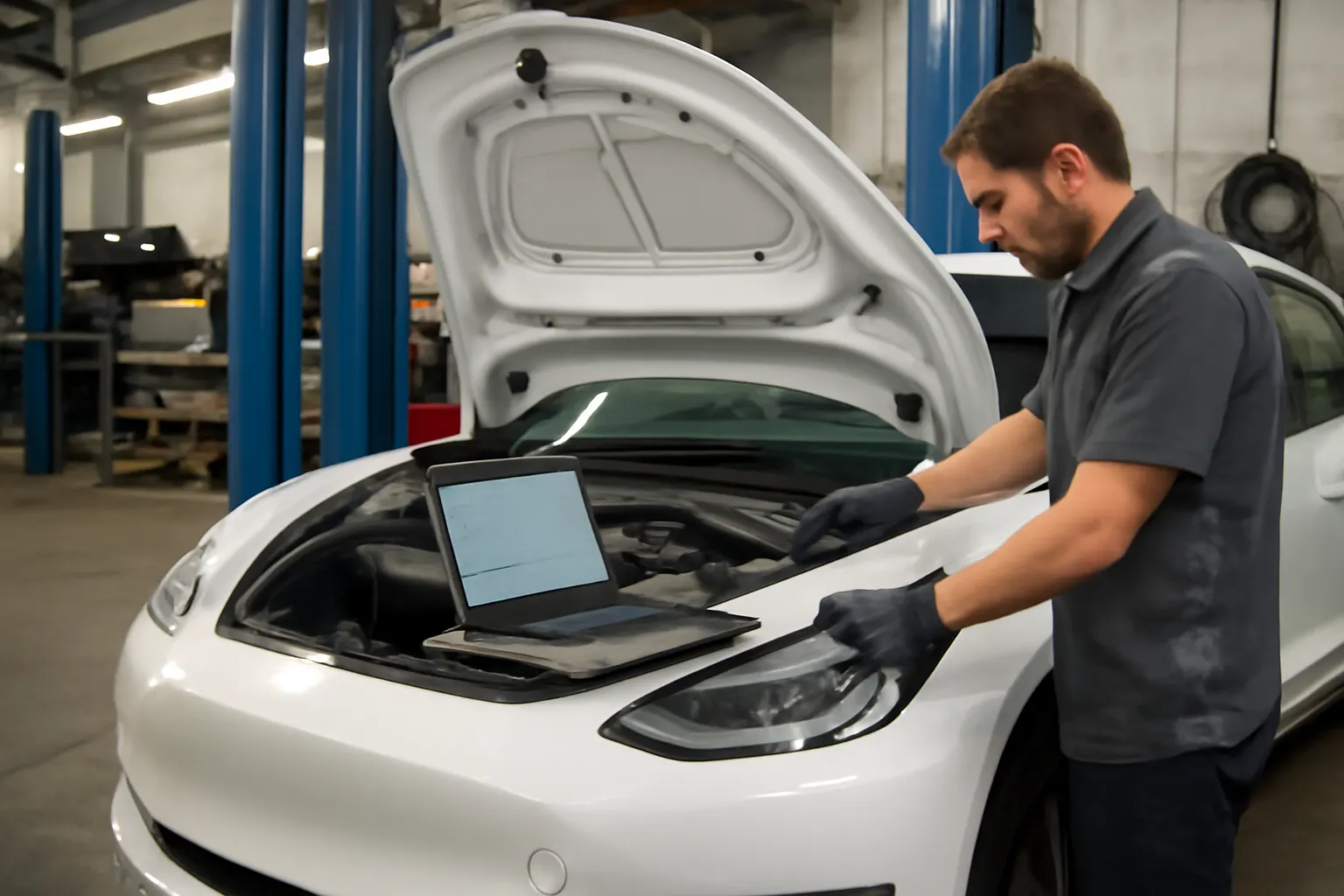
- Use Tesla’s Service Mode: If accessible, review diagnostic logs for component-related faults.
- Compare Functionality: Test all affected systems—autopilot, regenerative braking, HVAC, etc.—for changes in behavior.
- Physical Inspection: Check for signs of poor fitment, loose connectors, or unusual wear.
- Reinstall OEM Parts: If possible, revert to original components to confirm problem resolution.
- Schedule Professional Diagnostics: If issues persist, book a session with a Tesla service center or a qualified independent shop.
Document all changes and keep records of parts installed, as this information will be critical for future troubleshooting or warranty discussions.
Installation and Calibration: The Crucial Steps
Even high-quality aftermarket parts can fail if not installed and calibrated correctly. Tesla’s advanced systems often require:
- Sensor Alignment: Cameras, radar, and ultrasonic sensors must be precisely aligned to factory specifications.
- Software Reset or Calibration: Certain modules require a software-based calibration after installation, which may only be possible with Tesla’s proprietary tools.
- Torque and Fastener Checks: Structural and suspension parts must be torqued to exact values to maintain safety and vehicle geometry.
Improper installation can lead to persistent faults, reduced performance, or even create new safety hazards.
Sourcing Aftermarket Tesla Parts: Best Practices
If you decide to use aftermarket parts, sourcing from reputable suppliers is your first line of defense. Consider the following best practices:
- Prioritize Tesla-Specialized Vendors: Choose suppliers who focus exclusively on Tesla or EV components and have a reputation for quality and support.
- Demand Documentation: Request technical specifications, certification documents, and installation instructions before purchase.
- Avoid “Universal Fit” Claims: Tesla’s unique architecture means that generic parts are rarely truly compatible.
- Leverage Trusted Marketplaces: Use platforms that vet sellers and provide buyer protection for automotive components.
For a curated selection of Tesla-compatible categories, visit our Tesla Parts Categories page.
Maintenance and Long-Term Considerations
Aftermarket parts can affect not only immediate performance but also long-term reliability and serviceability. Keep these factors in mind:
- Impact on Future Service: Tesla’s service centers may decline to work on vehicles with certain aftermarket parts, especially those affecting high-voltage or safety systems.
- Software Updates: OTA updates may disrupt aftermarket part functionality even months after installation.
- Resale Value: Vehicles with non-OEM parts may face reduced resale values or require reinstallation of OEM components for trade-in or sale.
Proactive record-keeping and regular inspections can help mitigate long-term risks.
When Aftermarket Makes Sense—and When It Doesn’t
There are scenarios where aftermarket parts are a reasonable choice:
- Cosmetic Parts: Non-structural trim, interior accessories, or wheels (with correct fitment and load ratings) are generally lower-risk.
- Consumables: Wipers, cabin air filters, and some fluids can often be sourced aftermarket if they meet Tesla’s performance specs.
- Out-of-Warranty Repairs: For older Teslas, aftermarket parts may be the only practical option for certain repairs or upgrades.
However, for high-voltage, safety-critical, or software-integrated components, OEM remains the gold standard. When in doubt, always consult a Tesla specialist.
AutoPartEx: Your Partner for Tesla Parts Guidance
At AutoPartEx, we combine deep technical expertise with rigorous sourcing standards to help Tesla owners make informed, safe choices. Our fitment guides, product reviews, and verified supplier network minimize your risk and maximize your vehicle’s performance and safety. Whether you’re exploring maintenance essentials, battery replacement, or decoding your Tesla VIN for precise fitment, our resources are designed to keep you in control.
Explore more with our editorial guides, such as Tesla Maintenance Essentials: Service Intervals & Parts Selection and Tesla Battery Replacement: Costs, Compatibility, and Sourcing.
Expert Action: What Tesla Owners Should Do Next
- Assess Your Needs: Determine if an aftermarket part is worth the risk for your specific application.
- Research Thoroughly: Use VIN-based fitment tools and consult technical resources before buying.
- Prioritize Safety and Compatibility: For any component affecting vehicle operation, default to OEM or certified alternatives.
- Document Everything: Keep detailed records of all parts and installations for future diagnostics and resale.
- Leverage Expert Support: Rely on trusted sources like AutoPartEx for up-to-date guidance and supplier recommendations.
The aftermarket landscape for Tesla is evolving rapidly, but the risks remain significant. By understanding the technical and safety implications, you can make choices that protect your investment and your safety—without sacrificing performance or peace of mind.
References
Advertisement