Advertisement
Tesla Battery Replacement: Costs, Compatibility, and Sourcing
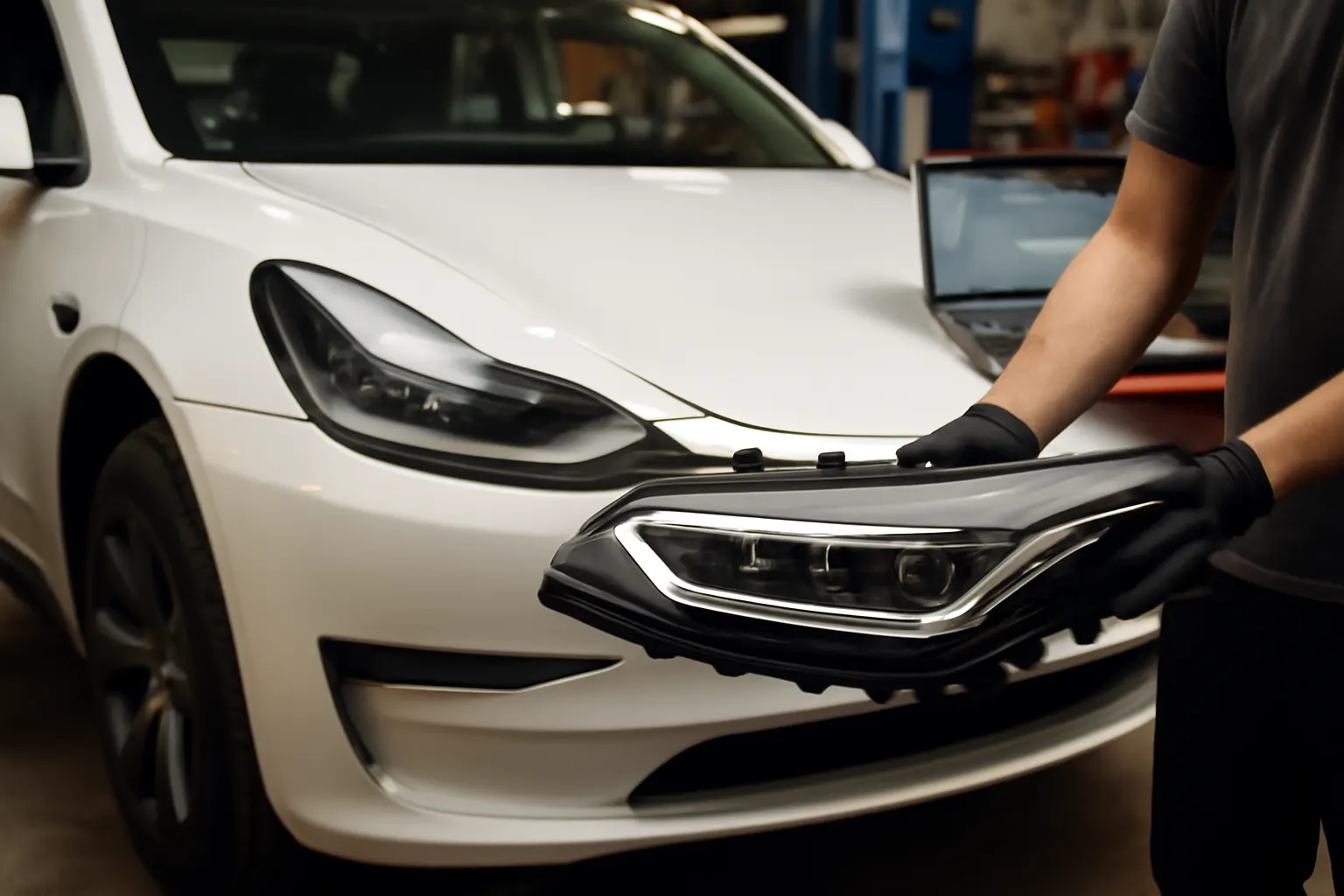
Tesla’s lithium-ion battery packs are the heart of every Model S, Model 3, Model X, and Model Y, but what happens when that battery reaches the end of its service life or is damaged? This comprehensive guide delivers immediate, actionable answers about Tesla battery replacement, including costs, compatibility issues, sourcing strategies, and hands-on technical tips for both DIYers and professional shops. We’ll also reveal hidden pitfalls that can turn a straightforward swap into a costly mistake, and we’ll arm you with the in-depth knowledge needed to ensure a safe, reliable, and high-value replacement—whether you’re sourcing OEM packs, considering aftermarket options, or navigating Tesla’s service ecosystem.
For those seeking a broader perspective on Tesla parts fitment, sourcing, and technical quality, see our Tesla OEM & Aftermarket Parts: Technical Fitment, Quality, and Sourcing | AutoPartEx page for foundational insights.
The Quick Answer: Tesla Battery Replacement at a Glance
A full Tesla battery replacement typically costs between $13,000 and $22,000 for OEM packs (parts and labor), depending on model, pack capacity, and market conditions. Aftermarket and used packs can reduce costs but introduce risks around compatibility, warranty, and long-term safety. Battery replacement is a complex, high-voltage procedure requiring specialized tools, diagnostic software, and strict adherence to safety protocols. Most owners should expect the following at a minimum:
- OEM Pack (Tesla Service): $15,000–$22,000 (parts and labor)
- Aftermarket/Used Pack: $8,000–$15,000 (parts), plus $2,000–$5,000 (labor)
- DIY (Advanced Only): Not recommended unless you have EV high-voltage certification, as improper handling can be fatal
Key Considerations:
- Not all Tesla battery packs are interchangeable—even between similar models.
- Software pairing and vehicle configuration updates are mandatory for proper function.
- Sourcing outside Tesla’s service network can save money but increases risk.
The Hidden Problem: What Most Tesla Owners Overlook
Many Tesla owners assume that battery replacement is a straightforward “swap and go” process. In reality, several hidden challenges can derail the repair or create long-term issues:
- Compatibility Gaps: Tesla has revised battery architecture, connectors, and software configurations across model years and trims.
- Software Lockouts: Tesla’s battery management system (BMS) and vehicle firmware must recognize and “marry” the new pack, or the car may be immobilized.
- Safety and Compliance: High-voltage systems require strict adherence to safety and equipment standards, as outlined by the National Highway Traffic Safety Administration.
- Supply Chain Constraints: OEM packs are tightly controlled, and aftermarket/used packs may have unknown histories or hidden faults.
Ignoring these factors can result in a non-functional vehicle, voided warranties, or serious safety hazards.
Why Battery Replacement Is Technically Demanding
Unlike traditional ICE vehicles, Tesla battery packs are integral to the chassis, vehicle structure, and safety systems. Replacement involves:
- High Voltage Risks: Tesla packs operate at 350–400V DC. Improper handling can cause arc flash, severe burns, or death.
- Vehicle Integration: The battery is tied to the main control unit, thermal management, and safety systems.
- Weight and Structure: Battery packs weigh 900–1,200 lbs and are often structural, requiring lifts and frame support.
- Diagnostic Complexity: Each pack’s BMS logs usage, charge cycles, and fault codes, which must be cleared and re-initialized.
The process demands advanced diagnostic tools, torquing equipment, and compliance with both vehicle and equipment safety standards (NHTSA, SAE Standards).
Tesla Battery Pack Variants: Compatibility and Fitment
Tesla battery packs are not one-size-fits-all. Key differences include:
- Model and Year: Each model (S, 3, X, Y) and even specific years have unique pack dimensions, mounting points, and BMS firmware.
- Capacity: Packs range from ~50 kWh (early Model 3 Standard Range) to 100 kWh (Model S/X Performance).
- High-Voltage Architecture: Connector types, coolant routing, and BMS wiring can vary.
- Software Pairing: Vehicles require firmware updates to recognize the replacement pack.
Advertisement
Fitment Checklist:
| Compatibility Factor | Details/Notes |
|---|---|
| Model & Year | Confirm exact model and production date |
| Battery Capacity | Match kWh rating to original or compatible upgrade |
| HV Connector Type | Verify plug style and pinout |
| Thermal Management Lines | Ensure coolant routing matches original |
| BMS Firmware Version | Must be compatible or updatable via Tesla/3rd-party tool |
| Mounting Points | Confirm chassis mounts align with replacement pack |
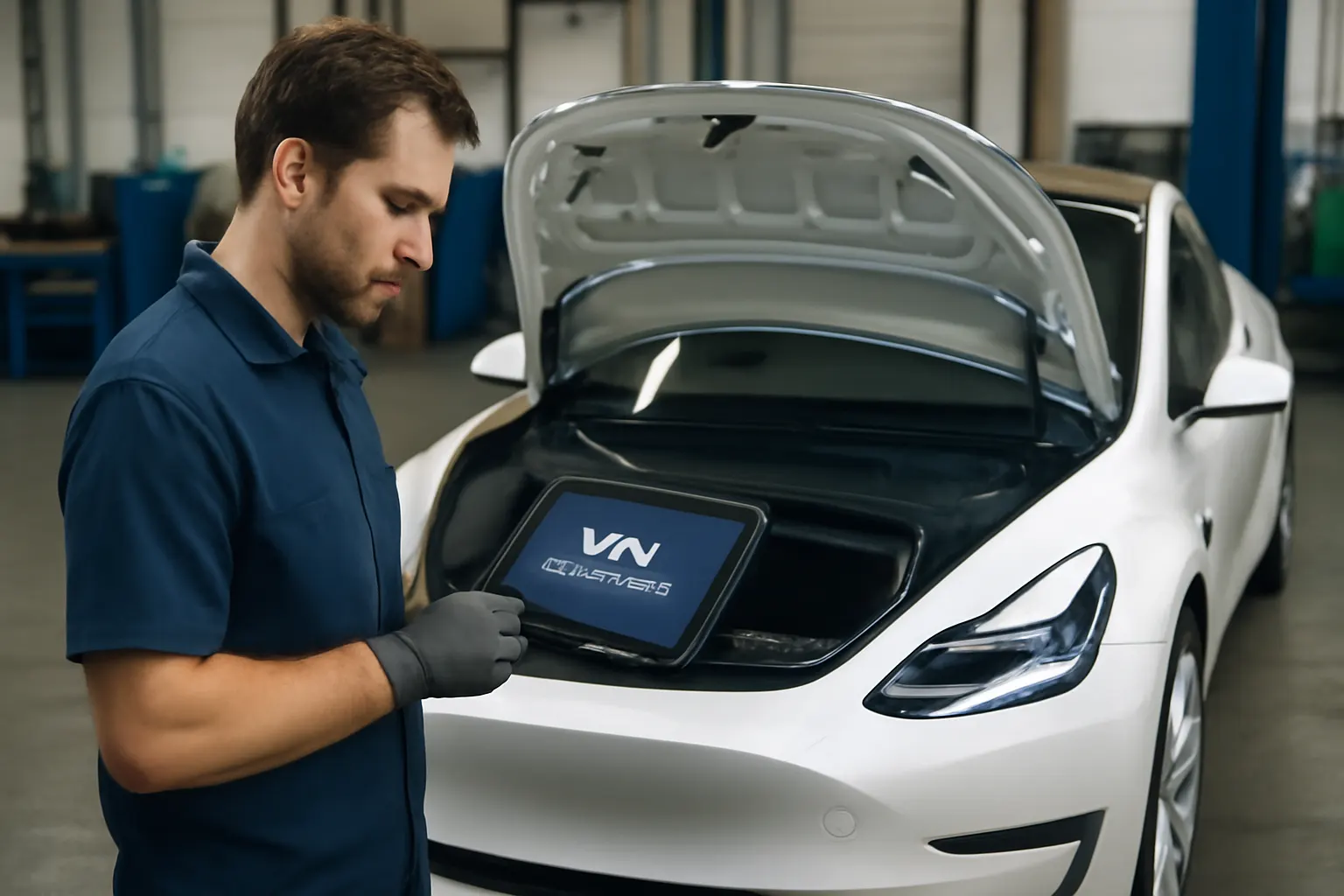
For more on decoding your Tesla’s build for parts fitment, see How to Decode Your Tesla VIN for Parts Fitment.
Cost Breakdown: What Drives Tesla Battery Replacement Pricing?
Tesla battery replacement costs are shaped by several factors:
1. OEM vs. Aftermarket vs. Used Packs
- OEM (Tesla Service): Highest cost, full warranty, guaranteed compatibility.
- Aftermarket: Lower cost, variable warranty, potential compatibility/safety issues.
- Used/Reconditioned: Lowest cost, no warranty, unknown pack history or degradation.
2. Pack Size and Chemistry
- Larger capacity (kWh) = higher cost.
- Newer chemistry (e.g., LFP vs. NCA) may affect price and compatibility.
3. Labor Rates
- Tesla Service Centers: $175–$225/hour.
- Independent EV shops: $100–$175/hour.
4. Regional Pricing and Supply Chain
- Urban centers and high-demand markets may see higher prices.
- Supply chain disruptions can spike costs or extend lead times.
Sourcing Strategies: Where to Find Tesla Battery Packs
1. Tesla Service Centers
- Pros: Guaranteed fitment, warranty, software support.
- Cons: Highest price, strict eligibility, limited to original spec.
2. Authorized EV Repair Shops
- Pros: Lower labor rates, some access to OEM/approved packs, experience with retrofits.
- Cons: May face sourcing delays, limited upgrade options.
3. Aftermarket Resellers and Salvage Yards
- Pros: Cost savings, potential for upgrades (higher kWh packs).
- Cons: Risk of hidden damage, uncertain pack history, no warranty, software lockouts.
4. Online Marketplaces
- eBay, EV parts specialists, and forums may list packs, but buyer beware: always verify pack provenance, mileage, and compatibility.
Sourcing Checklist:
- Confirm pack serial number and build date.
- Request BMS readout for cycle count and health.
- Inspect for physical damage, swelling, or coolant leaks.
- Verify seller reputation and return policy.
For a deeper dive into the risks of aftermarket Tesla parts, see The Risks of Aftermarket Tesla Parts: What Owners Need to Know.
Safety and Equipment Standards: What the Pros Follow
Tesla battery replacement is governed by strict safety protocols:
- Personal Protective Equipment (PPE): Insulated gloves, face shield, arc-rated clothing.
- Lockout/Tagout Procedures: Ensure all high-voltage systems are de-energized before disassembly.
- Lifting and Support: Use vehicle lifts rated for EV weight; never support the car solely by the battery pack.
- Torque and Fastening: Follow Tesla/SAE torque specs for all HV connections and chassis bolts.
- Leak Testing: After installation, check for coolant leaks and proper sealing.
The NHTSA sets minimum equipment standards, while SAE International provides engineering guidance for high-voltage automotive systems.
Diagnostic and Pre-Replacement Assessment
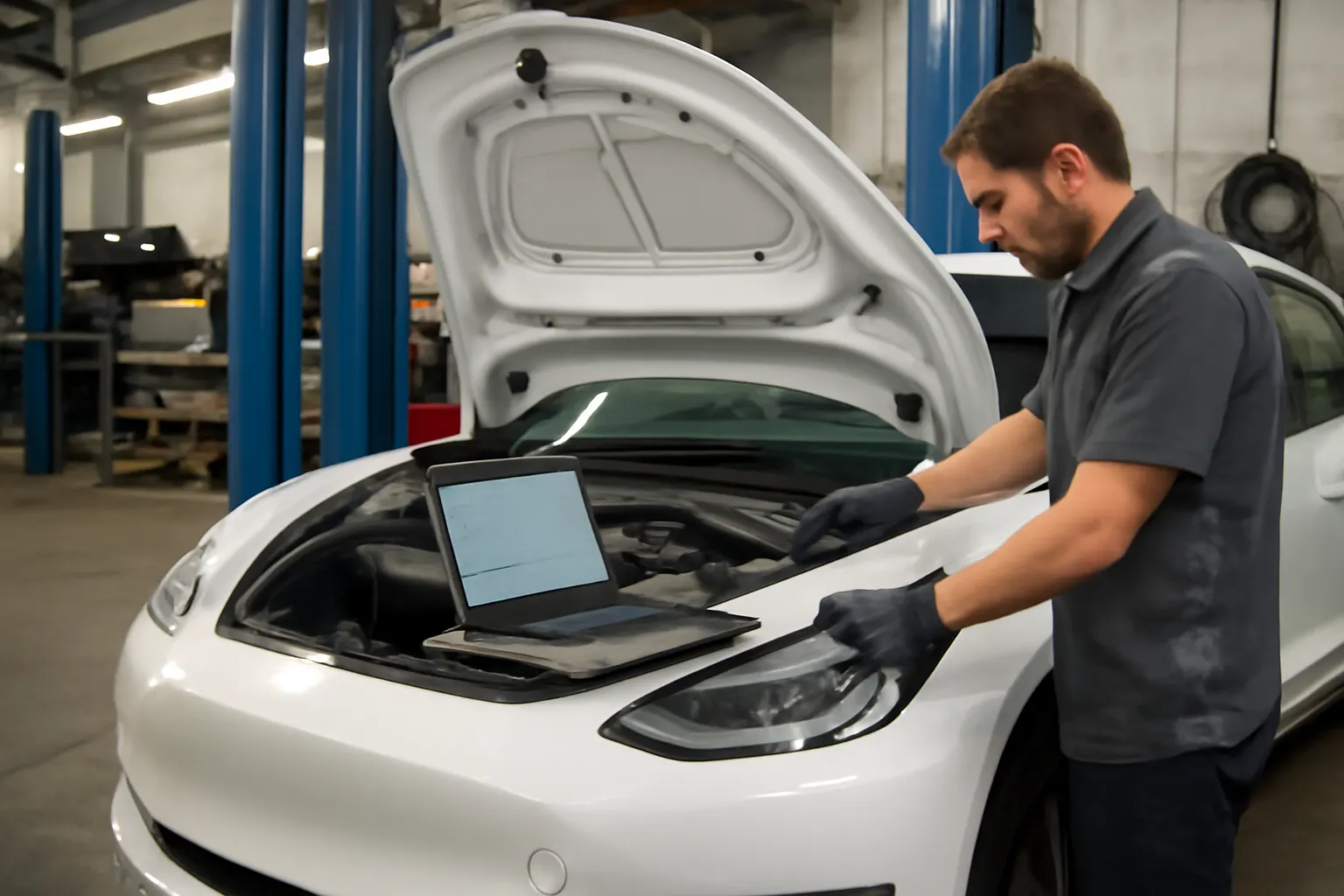
Before committing to a full battery replacement, perform a thorough diagnostic:
- Scan for BMS and HV Fault Codes: Use Tesla Toolbox (service software) or compatible 3rd-party tool.
- Check Charging and Range Metrics: Compare actual vs. rated range; rapid degradation may indicate cell/module failure.
- Thermal Management Inspection: Look for coolant leaks, pump operation faults, or temperature imbalance across modules.
- Physical Inspection: Check for swelling, corrosion, or impact damage on the pack enclosure.
If only a module or component is faulty, some advanced shops can perform module-level repairs—a lower-cost, lower-risk option.
Installation Process: Step-By-Step Technical Overview
Warning: Only qualified technicians with EV high-voltage certification should perform a Tesla battery replacement.
1. Preparation
- Secure vehicle on lift, disconnect 12V system, and follow lockout/tagout.
- Remove underbody shields and disconnect HV connectors.
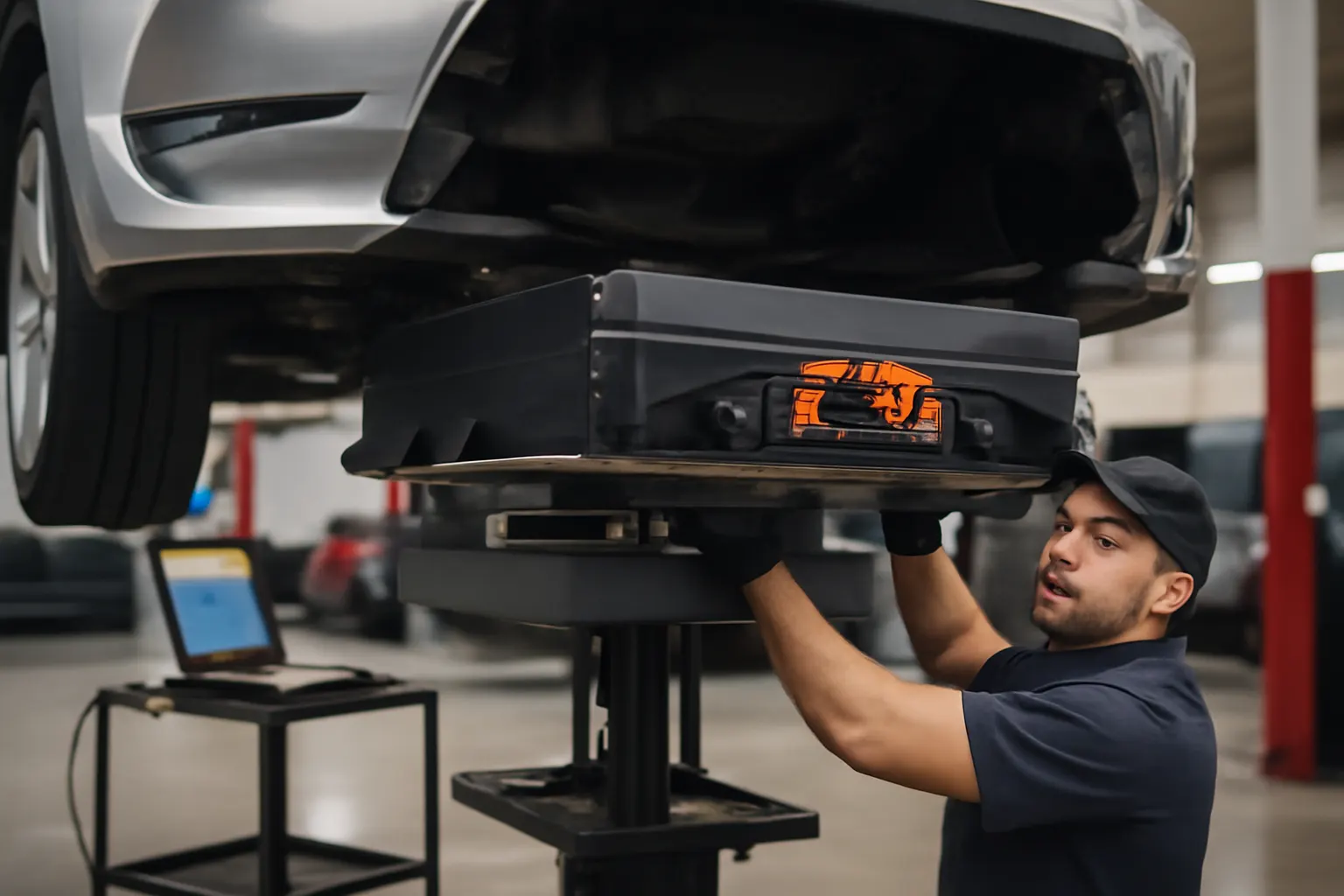
2. Pack Removal
Advertisement
- Support pack with a high-capacity lift table.
- Unbolt pack from chassis; carefully lower to ground.
3. Pack Installation
- Inspect and prep replacement pack; transfer any necessary sensors or harnesses.
- Raise pack into position; torque mounting bolts to spec.
- Reconnect HV, coolant, and data lines.
4. Software Pairing and Commissioning
- Use Tesla Toolbox or 3rd-party service tool to initialize new pack.
- Update vehicle configuration and BMS firmware as needed.
- Clear all fault codes and verify system readiness.
5. Post-Installation Testing
- Check for leaks, proper charging, and driveability.
- Monitor BMS data for anomalies during initial cycles.
Common Pitfalls and How to Avoid Them
- Incompatible Packs: Even if the pack physically fits, mismatched firmware or HV architecture can brick the vehicle.
- Improper Torque or Sealing: Under-torqued connectors or missed gaskets can result in HV arcing or coolant leaks.
- Skipped Software Updates: Failure to pair the BMS or update firmware can disable charging or trigger limp mode.
- Used Pack Surprises: Packs from salvage vehicles may have hidden cell failures or water damage.
Pro Tip: Always request a BMS health report and test the replacement pack in a controlled environment before final installation.
Maintenance and Longevity: Getting the Most from Your New Pack
To maximize the lifespan and reliability of your new or replacement Tesla battery:
- Follow Recommended Charging Practices: Avoid frequent 100% charges; keep the pack between 20–80% for daily use.
- Monitor Thermal Management: Ensure cooling system is functioning; address leaks or pump faults immediately.
- Software Updates: Stay current with Tesla firmware to benefit from battery management improvements.
- Regular Diagnostics: Scan for BMS codes and capacity metrics every 6–12 months.
For more on Tesla maintenance, see Tesla Maintenance Essentials: Service Intervals & Parts Selection.
Upgrades and Performance Considerations
Some owners consider upgrading to a higher-capacity pack (e.g., 60 kWh to 75 kWh or 85 kWh to 100 kWh). Caveats:
- Software Limitation: Tesla may lock out features or require paid upgrades to unlock additional capacity.
- Vehicle Compatibility: Not all chassis or charging systems can handle higher-capacity packs without modification.
- Insurance and Registration: Upgrading pack capacity may affect vehicle classification or insurance premiums.
Always consult with a Tesla specialist or certified EV shop before pursuing an upgrade path.
Regulatory and Environmental Considerations
- Hazardous Material Handling: Tesla battery packs contain lithium-ion cells, which require special handling and shipping procedures.
- Recycling and Disposal: Used packs must be recycled in accordance with local and federal guidelines. Tesla and select recyclers offer take-back programs.
- Safety Recalls: Before sourcing a used pack, check the NHTSA recall database for any open recalls affecting specific battery models.
For more on materials technology and recycling, see the DOE’s Materials Technologies resource.
AutoPartEx Expert Guidance: Your Partner in Tesla Battery Solutions
Battery replacement is one of the most technically demanding—and financially significant—repairs a Tesla owner can face. At AutoPartEx, we combine deep technical expertise with a curated network of OEM and high-quality aftermarket suppliers. Our team can assist with:
- Fitment Verification: VIN-based checks to guarantee compatibility.
- Sourcing: Access to trusted OEM, aftermarket, and reconditioned packs.
- Technical Support: Guidance on safe handling, installation, and software pairing.
For a full range of Tesla parts and expert advice, visit our Tesla Parts Categories page or consult our editorial on Tesla OEM & Aftermarket Parts: Technical Fitment, Quality, and Sourcing | AutoPartEx.
Final Checklist: Tesla Battery Replacement Essentials
Before committing to a Tesla battery replacement, review this essential checklist:
- Confirm Vehicle Model, Year, and Pack Type
- Obtain Full Diagnostic Report (BMS, HV, Thermal)
- Source Verified Pack with Serial and Health Documentation
- Validate Compatibility (Physical, Electrical, Software)
- Schedule Installation with Certified EV Technician
- Follow All NHTSA and SAE Safety Protocols
- Pair and Commission Pack Using Proper Diagnostic Tools
- Test Drive and Monitor System Health Post-Installation
- Recycle Old Pack Responsibly
References
Advertisement