Advertisement
Sunbeam Parts Sourcing: Lessons from the Field
Sourcing authentic, compatible, and reliable parts is the cornerstone of successful Sunbeam restoration and maintenance. Whether you’re keeping a Sunbeam Alpine on the road, restoring a Tiger to concours levels, or simply maintaining a cherished Rapier, the right parts sourcing strategy makes all the difference. In this guide, we’ll draw on lessons from seasoned Sunbeam owners, professional restoration shops, and industry technical standards to help you source the right parts, verify authenticity, and avoid the most common pitfalls. For a broader look at heritage OEM quality and sourcing, see our Sunbeam Auto Parts: Heritage OEM Quality, Compatibility, and Sourcing | AutoPartEx category.
The Immediate Answer: Proven Sunbeam Parts Sourcing Strategies
The most effective Sunbeam parts sourcing approach combines three pillars:
- Leverage trusted Sunbeam specialty suppliers and verified classic parts distributors.
- Cross-reference part numbers and technical specifications to ensure compatibility and authenticity.
- Incorporate field-proven authenticity checks and restoration best practices, including use of official standards and safety guidelines.
Following this approach dramatically reduces the risk of fitment issues, safety hazards, or wasting time and money on subpar or counterfeit components.
The Hidden Problem: The Complexity Behind Sunbeam Parts Sourcing
While sourcing a brake caliper or dashboard switch might seem straightforward, the classic Sunbeam landscape is riddled with hidden challenges:
- Discontinued OEM parts with limited new-old-stock (NOS) availability
- Proliferation of aftermarket reproductions of variable quality
- Counterfeit or misrepresented parts, especially online
- Subtle model-year and market-specific variations
- Safety and performance implications of non-genuine or poorly engineered parts
Many owners, especially those new to the Sunbeam marque, underestimate these risks until a restoration stalls or a safety-critical failure occurs. Even experienced professionals can be caught off guard by evolving counterfeit tactics or unexpected compatibility quirks.
Understanding the Sunbeam Parts Ecosystem
Sunbeam, a marque with a proud British heritage, produced vehicles that often shared components with other Rootes Group models—yet subtle differences abound. Knowing the Sunbeam family tree and parts interchangeability is essential:
- OEM vs. Aftermarket: While some aftermarket parts are engineered to match or exceed original specifications, others fall short in materials, tolerances, or durability. For a detailed comparison, see Sunbeam Compatibility: OEM vs. Aftermarket.
- NOS and Remanufactured: New-old-stock parts offer unmatched originality but are increasingly scarce. Remanufactured or reproduction parts fill gaps, but their quality varies widely.
- Interchangeability: Some Sunbeam models can use parts from related Rootes vehicles, but cross-referencing is a must—minor changes in mounting points, electrical connectors, or material specs can make or break a restoration.
Field-Proven Sourcing Channels: Owners’ and Shops’ Favorites
Decades of collective Sunbeam experience highlight several go-to sources:
- Specialist Sunbeam Parts Suppliers: These businesses focus exclusively on Sunbeam and Rootes Group vehicles, often stocking rare or remanufactured components.
- Classic Car Parts Distributors: Larger distributors with classic divisions (e.g., Moss Motors, Rimmer Bros) offer a broader range, but vetting for Sunbeam specificity is essential.
- Owners’ Clubs and Forums: Sunbeam clubs (such as the Sunbeam Alpine Owners Club and Sunbeam Tiger Owners Association) maintain parts registries, vetted supplier lists, and member-to-member sales.
- Auto Jumbles and Swap Meets: In-person events remain a rich source for rare NOS or used parts, though authenticity and condition checks are critical.
- Online Marketplaces: eBay and similar platforms can yield treasures, but they’re rife with misrepresented or non-genuine parts.
Authenticity Checks: How to Avoid Counterfeit and Subpar Parts
Sunbeam owners and restoration shops emphasize the importance of robust authenticity checks. Here’s how they do it:
Advertisement
Sunbeam Parts Authenticity Checklist
| Step | What to Check | Why It Matters |
|---|---|---|
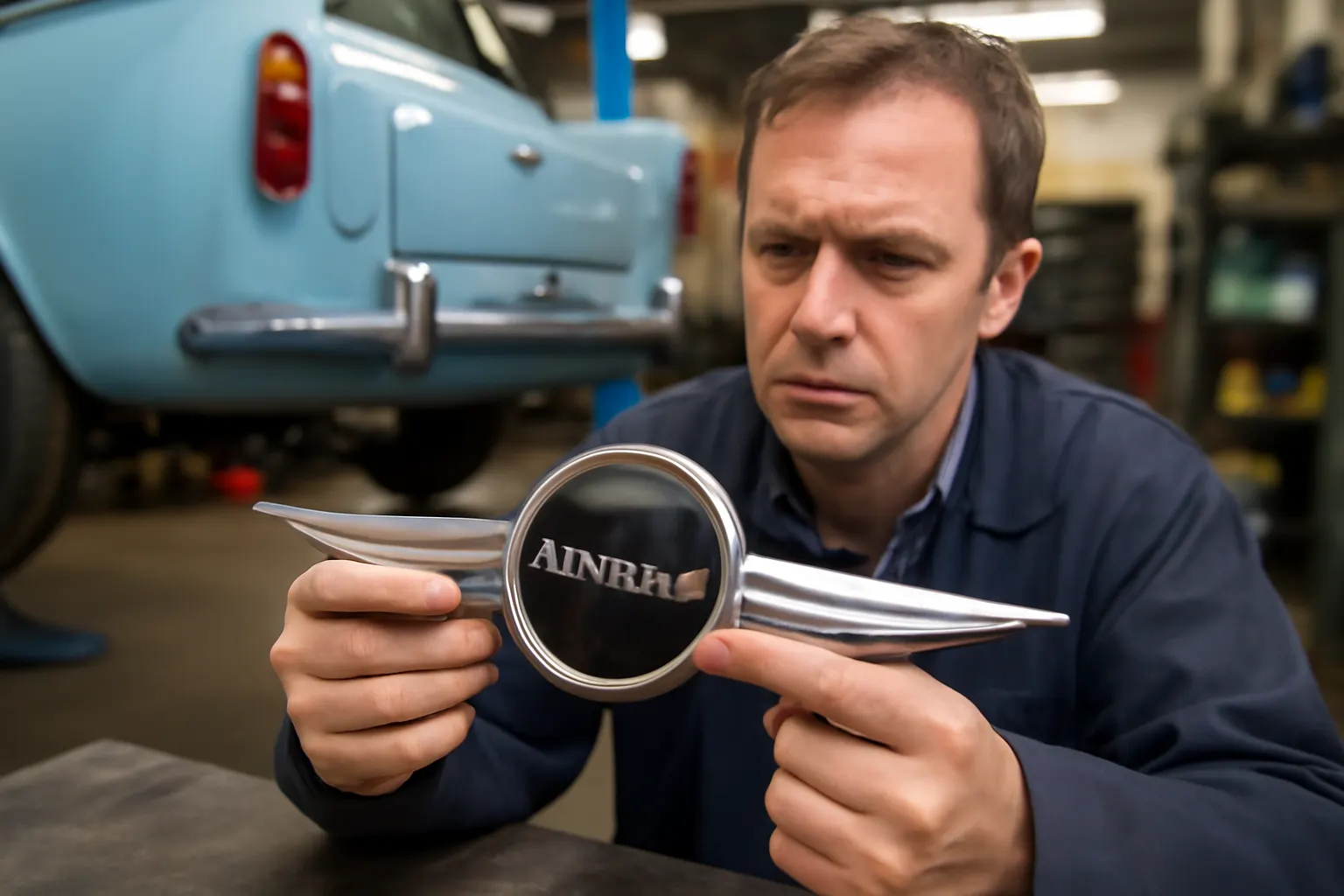
| 1 | Part Number Stamping | Genuine Sunbeam parts typically carry specific part numbers and Rootes logos. |
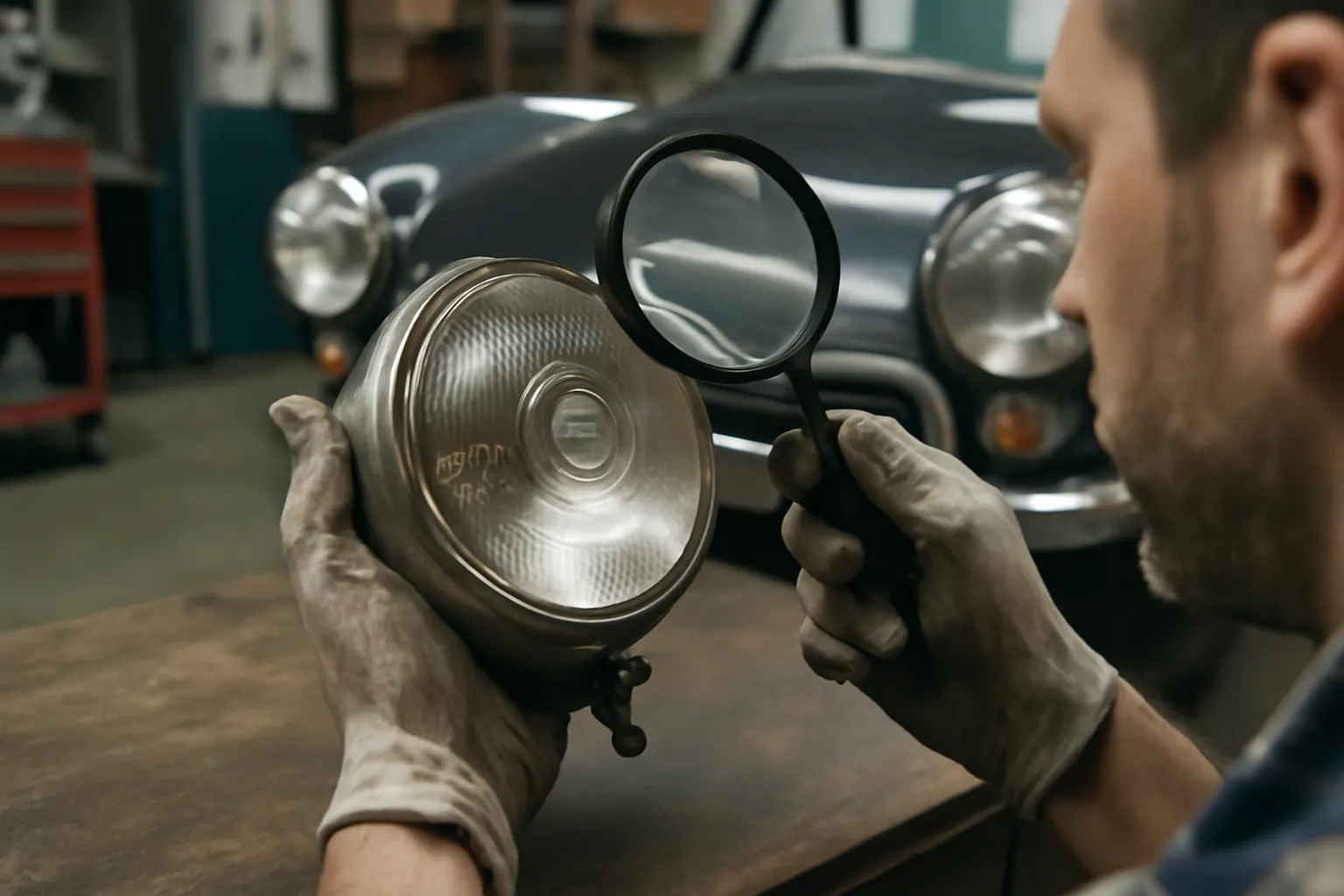
| 2 | Materials and Finish | Compare with known originals—look for correct metal alloys, plastic types, and plating. |
| 3 | Packaging | Authentic NOS parts arrive in period-correct packaging, often with Rootes or Sunbeam branding. |
| 4 | Supplier Reputation | Use only suppliers with proven track records in the Sunbeam community. |
| 5 | Documentation | Request provenance or supporting documentation for rare or high-value items. |
| 6 | Cross-Reference | Use Sunbeam parts catalogues and technical manuals to confirm fitment and application. |
| 7 | Community Feedback | Search for recent buyer experiences on Sunbeam forums and club sites. |
For a deeper dive into authenticity risks and red flags, see Authenticity Risks in Classic Sunbeam Parts.
Technical Standards and Safety: Why They Matter
Sourcing the right part isn’t just about originality—safety and performance are at stake. The National Highway Traffic Safety Administration (NHTSA) outlines strict requirements for critical components like brakes, steering, and lighting. The SAE International standards further specify engineering and testing protocols for automotive systems.
- Critical Safety Systems: Never compromise on brake hoses, steering joints, suspension bushings, or seatbelt anchorages. Subpar parts can cause catastrophic failures. Always cross-reference with Vehicle Safety and Equipment standards.
- Material Specifications: The Department of Energy highlights advances in automotive materials, such as high-strength steels and polymers, which affect both performance and durability. Matching original specs is vital for structural and safety-critical parts (Materials Technologies).
Diagnosing Fitment and Compatibility Issues
Even with the right part in hand, fitment isn’t always guaranteed. Sunbeam models underwent running production changes, and previous repairs may have introduced non-original modifications.
Common Compatibility Pitfalls
- Model-Year Overlaps: E.g., late Series Alpine vs. early Tiger brake master cylinders—identical at a glance, but with internal differences.
- Electrical Connectors: Lucas wiring changes mean even “universal” switches or lamps may not plug in.
- Mounting Hardware: Metric vs. Imperial fasteners, or subtle bracket changes, can halt installation.
- Trim and Body Panels: Hand-finished factory tolerances mean even OEM panels may require skilled adjustment.
Tip: Always test-fit parts before final assembly, and keep original components for reference whenever possible.
Restoration Tips from the Field: Lessons Learned
Professional Sunbeam restorers and experienced owners share these actionable insights:
- Document Everything: Photograph original installations before disassembly. Label wiring and bag fasteners.
- Preserve Originals: Where possible, refurbish rather than replace. Original parts, even worn, often fit and function better than poor reproductions.
- Batch Sourcing: Order related parts together (e.g., all front suspension bushings) to ensure compatibility and consistency.
- Expect Lead Times: Rare parts may require months to source or remanufacture—plan projects accordingly.
- Test and Inspect: Bench-test electrical and hydraulic components before installation to avoid in-car troubleshooting.
Balancing Authenticity, Safety, and Practicality
Not every Sunbeam project demands 100% OEM parts—especially for drivers or modified cars. Here’s how owners strike the right balance:
- Show Cars: Prioritize NOS or high-quality reproductions, aiming for period-correct finishes and markings.
- Drivers: Choose reliable aftermarket alternatives for consumables (filters, brake pads) where originals are unavailable, provided they meet or exceed safety standards.
- Performance Upgrades: Select modern materials or designs (e.g., polyurethane bushings, upgraded radiators) for improved durability—always confirming compatibility and impact on vehicle dynamics.
Fuel Efficiency, Performance, and Materials Considerations
Classic Sunbeams, while charming, can benefit from subtle efficiency and performance improvements—if done thoughtfully:
Advertisement
- Engine and Drivetrain: The United States Department of Energy emphasizes the importance of correct fueling, ignition, and drivetrain components for optimal efficiency. Sourcing the correct carburetors, distributors, and gear sets is essential.
- Weight and Structure: Upgrading to modern lightweight materials (where appropriate) can improve handling and efficiency, but only if structural integrity and originality are maintained (Materials Technologies).
- Cooling and Lubrication: Modern radiators, oil coolers, and seals can enhance reliability, but always choose units designed for your Sunbeam’s unique layout.
Installation and Testing: Best Practices
Proper installation is just as critical as sourcing the right part. Here’s a recommended sequence:
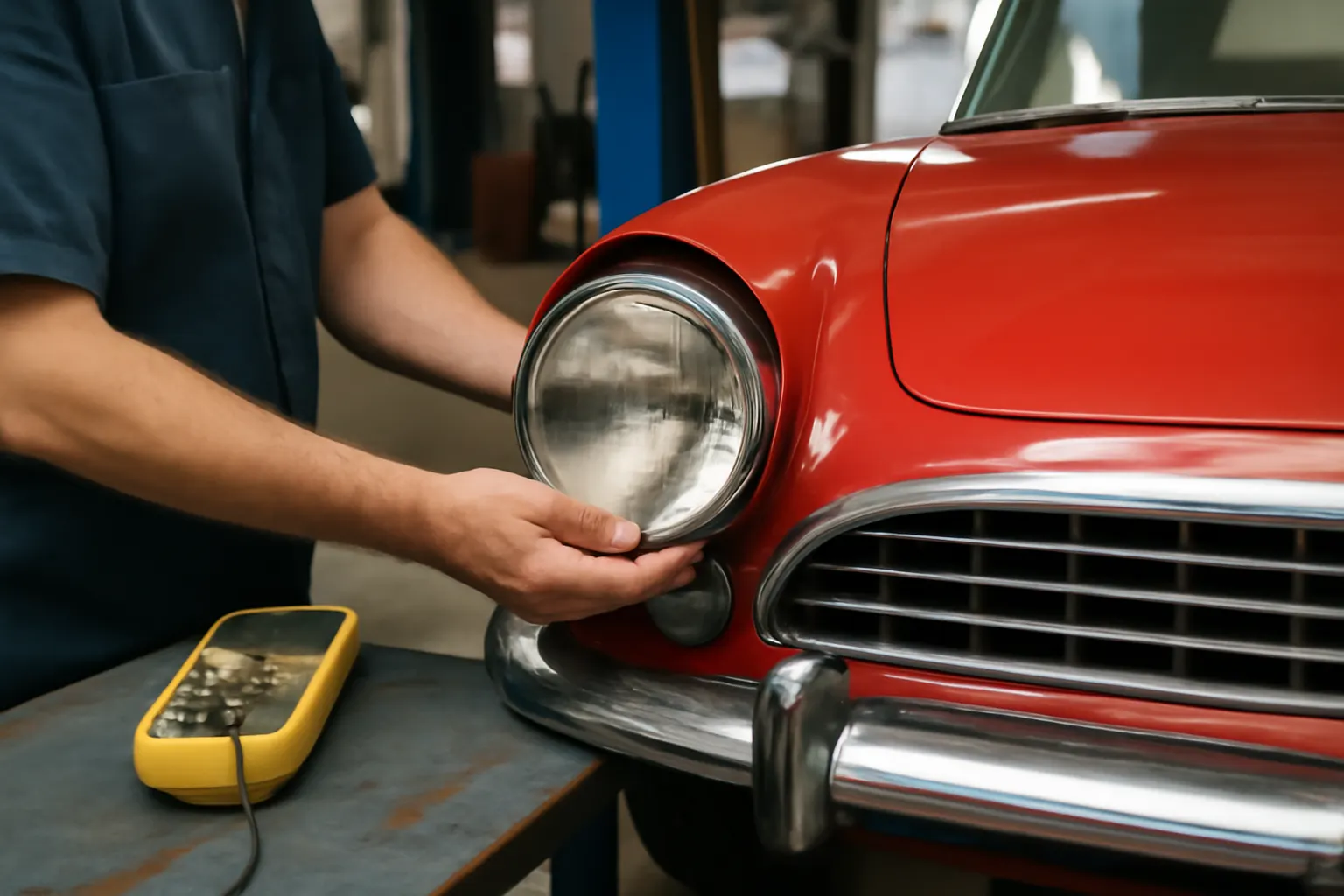
- Pre-Install Inspection: Compare new and old parts for dimensions, mounting points, and finish.
- Dry Fit: Test-fit components without final torque or adhesives.
- Reference Manuals: Use Sunbeam shop manuals and SAE standards for torque specs and procedures (SAE Standards).
- Progressive Assembly: Install related components in logical order (e.g., bushings before control arms).
- Functional Testing: Test electrical, hydraulic, and mechanical systems before road use.
- Final Inspection: Double-check fastener tightness, clearances, and safety-critical systems.
Maintenance and Service Intervals: Keeping Your Sunbeam Reliable
Once your Sunbeam is back on the road, proactive maintenance is essential to preserve your investment and driving enjoyment. Follow service intervals tailored to classic vehicles, and inspect freshly installed parts regularly during the break-in period. For detailed schedules and checklists, visit Classic Sunbeam Service Intervals.
Key Maintenance Tips:
- Fastener Re-Torque: Recheck torque on suspension, drivetrain, and steering components after the first 100–200 miles.
- Fluid Leaks: Inspect for leaks at new gaskets, hoses, and seals.
- Periodic Safety Checks: Brakes, steering, and lighting should be tested before every major outing, in line with NHTSA equipment guidelines.
Community Wisdom: Harnessing the Power of Sunbeam Owners
No guide can replace the collective knowledge of the Sunbeam community. Owners’ clubs, online forums, and social media groups provide real-time feedback on suppliers, new reproduction parts, and troubleshooting tips. Many successful restorations owe their success to a well-timed tip from a fellow enthusiast.
- Join a Club: Membership often grants access to exclusive parts sources, technical bulletins, and restoration guides.
- Share Experiences: Posting photos and part numbers helps others avoid pitfalls or identify rare components.
- Attend Events: National and regional Sunbeam gatherings are ideal for networking and parts-hunting.
AutoPartEx: Your Sunbeam Sourcing and Technical Partner
At AutoPartEx, we combine technical rigor with real-world experience to help Sunbeam owners source, verify, and install the right parts—every time. Our curated supplier network, compatibility tools, and editorial resources are designed to demystify the classic parts market and empower both DIY and professional restorers.
Explore our Sunbeam Auto Parts: Heritage OEM Quality, Compatibility, and Sourcing | AutoPartEx category for detailed fitment data, sourcing guides, and technical help. Our editorial team constantly updates resources with field feedback and the latest industry standards.
Taking Action: Your Next Steps
- Assess Your Project: Make a detailed list of needed parts, noting model year, VIN, and any modifications.
- Vet Your Sources: Prioritize established Sunbeam specialists and cross-reference part numbers.
- Document and Test: Photograph, label, and test-fit every component before final installation.
- Engage the Community: Join a Sunbeam club or online group for sourcing tips and troubleshooting support.
- Stay Informed: Bookmark AutoPartEx for updated technical content, supplier reviews, and compatibility tools.
By adopting a methodical, standards-based approach and learning from the collective wisdom of Sunbeam enthusiasts and professionals, you’ll maximize the success of your restoration—while preserving the safety, heritage, and driving pleasure that make Sunbeam ownership unique.
References
Advertisement