Advertisement
Spotting Genuine Sunbeam Parts: Collector's Checklist
Owning a classic Sunbeam is a privilege, but maintaining its value and authenticity hinges on one crucial skill: identifying genuine Sunbeam parts. Whether you’re restoring a Sunbeam Alpine, Tiger, or Rapier, knowing how to distinguish authentic components from reproductions or counterfeits is essential—not just for preserving historical accuracy, but for ensuring safety, performance, and investment value. This comprehensive guide from AutoPartEx delivers a detailed, practical checklist and expert insights to help collectors, restorers, and enthusiasts spot genuine Sunbeam parts with confidence.
If you’re searching for authentic Sunbeam parts, start by exploring our Sunbeam Parts Catalog and Sunbeam Auto Parts: Heritage, Fitment, and Authenticity for Classic British Engineering for authoritative resources and verified suppliers.
The Immediate Answer: Your Genuine Sunbeam Parts Checklist
To quickly determine if a Sunbeam part is authentic, use this collector’s checklist before purchasing, installing, or cataloging any component:
Genuine Sunbeam Parts Checklist:
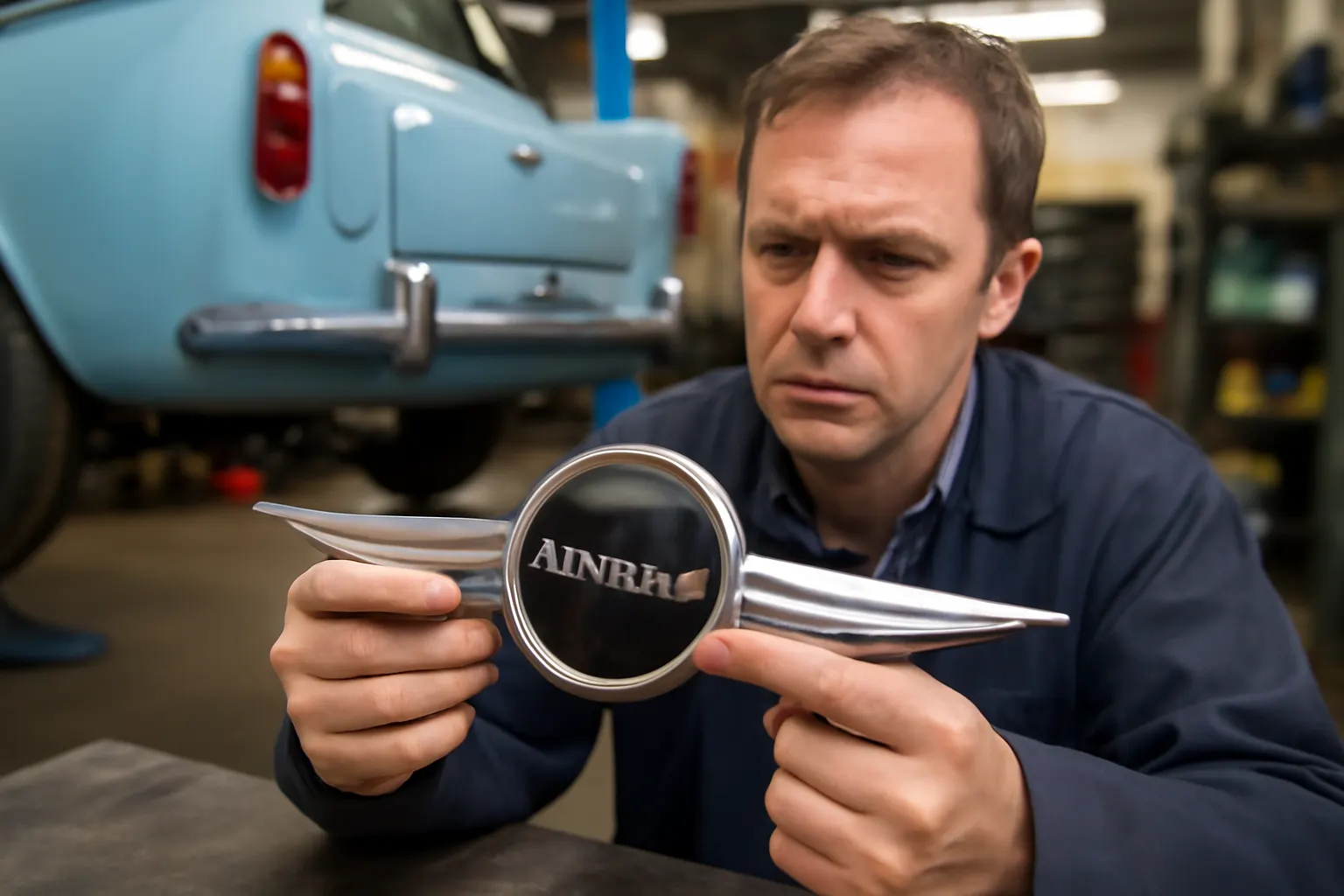
- Original Manufacturer Markings: Look for correct Sunbeam, Rootes Group, or Chrysler UK part numbers and logos, typically stamped, cast, or etched.
- Material Quality: Assess for period-correct materials—British steel, Bakelite, Lucas electrics, or Smiths gauges.
- Casting and Machining Finish: Authentic parts display precise, often hand-finished surfaces and period-accurate casting marks.
- Fitment and Dimensions: Genuine parts match Sunbeam’s original engineering tolerances and fit without modification.
- Patina and Age Indicators: Subtle wear, aging, and period-specific fasteners (Whitworth, UNF/UNC threads) are common.
- Packaging and Documentation: Original boxes, Rootes labels, or period-correct packaging add authenticity.
- Cross-Reference with Factory Manuals: Compare with official Sunbeam or Rootes Group parts catalogs and technical literature.
- Provenance and Seller Reputation: Purchase from established suppliers or collectors with verifiable history.
- SAE and British Standards Compliance: Confirm conformity with period standards for safety and engineering.
- Recalls and Safety Notices: Check for NHTSA recalls or safety advisories on critical components.
Applying this checklist is your first line of defense against costly mistakes and counterfeit parts.
The Hidden Problem: Counterfeits and Reproductions in the Sunbeam Market
While the checklist above offers immediate guidance, the reality is that the classic Sunbeam market is increasingly flooded with non-original, reproduction, or outright counterfeit parts. Many of these parts are visually convincing, but they may lack the quality, fitment accuracy, or safety standards of genuine components. For collectors and restorers, failing to spot these differences can mean diminished vehicle value, compromised performance, or even safety risks.
Counterfeiters have become adept at mimicking period markings, packaging, and even patina. Some reproduction parts, while functional, do not adhere to the original Sunbeam engineering specifications or material standards. Others may introduce subtle but critical discrepancies in fit, finish, or durability, particularly in safety-critical systems like brakes, steering, and suspension.
Why Authenticity Matters: Value, Safety, and Performance
Value Preservation:
Collectors prize originality. A Sunbeam Alpine or Tiger with authentic, numbers-matching parts commands significantly higher values at auction and in private sales. Documentation of genuine parts is often required for concours events and classic car registries.
Advertisement
Safety and Reliability:
Genuine Sunbeam parts were engineered and tested to period standards, including those established by the Rootes Group and, later, Chrysler UK. Modern reproductions may not meet these standards, especially in critical systems such as brakes, steering, or suspension. The National Highway Traffic Safety Administration (NHTSA) emphasizes the importance of certified, tested components for vehicle safety.
Performance and Fitment:
Original parts are designed for optimal fit and performance. Subtle differences in material, machining, or dimensions can affect handling, engine efficiency, and overall driving experience. The SAE International provides standards for automotive systems that were often referenced by Sunbeam engineers.
Technical Hallmarks of Genuine Sunbeam Components
Manufacturer Markings and Part Numbers
Authentic Sunbeam parts typically feature:
- Stamped, cast, or etched part numbers matching Rootes Group or Chrysler UK documentation.
- Logos or insignia: Sunbeam, Rootes, or component suppliers such as Lucas, Girling, or Smiths.
- Batch or date codes that correspond to the production era of your vehicle.
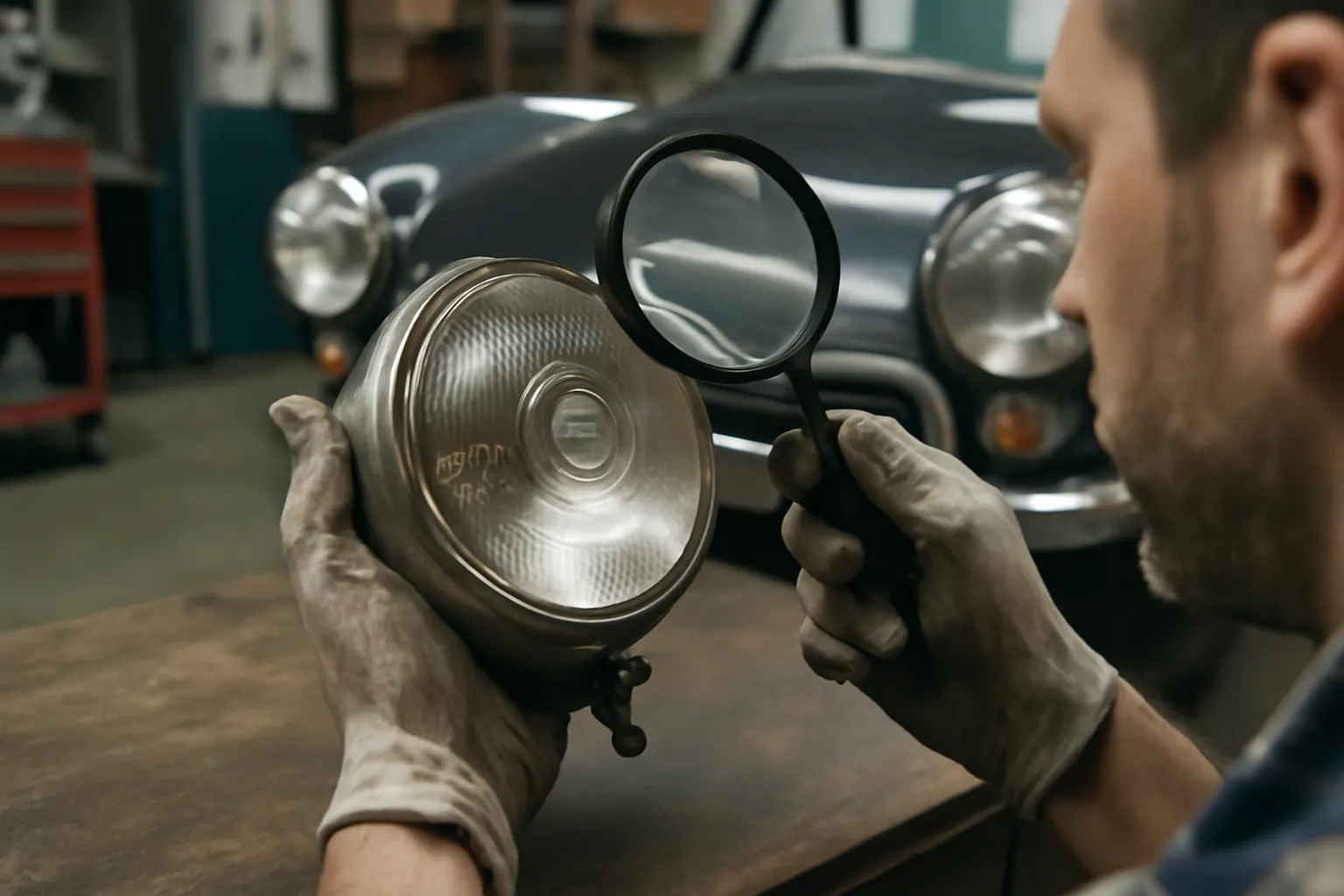
Tip: Use a magnifier and compare markings against period parts catalogs or factory service manuals.
Material and Construction
Sunbeam components from the 1950s–1970s were made from materials such as:
- British steel (body, chassis, suspension)
- Bakelite or phenolic plastics (switches, knobs)
- Lucas electricals (star-shaped logos, unique connectors)
- Smiths gauges (distinctive fonts, bezels, and needle shapes)
Reproductions may use modern plastics, lighter alloys, or lack the original finish.
Fasteners and Threads
Genuine fasteners are often:
- Whitworth, BSF, or UNF/UNC thread patterns (not metric)
- Period-correct head markings and finishes (cadmium, zinc, or black oxide)
Assessing Fitment: The Tell-Tale Signs
One of the most reliable indicators of authenticity is precise fitment. Genuine Sunbeam parts will:
- Install without modification—no elongated holes, forced alignment, or excessive shimming.
- Align with factory mounting points and mate surfaces perfectly.
- Match factory tolerances as specified in Sunbeam service documentation.
If you encounter gaps, misalignment, or interference, suspect a reproduction or incorrect part.
Age and Patina: Authentic Wear Versus Artificial Aging
While some collectors seek “new old stock” (NOS), most genuine Sunbeam parts exhibit:
- Subtle surface oxidation or patina consistent with age.
- Period wear patterns—smooth, not excessively corroded or pitted.
- Original finishes showing appropriate fading or discoloration.
Beware of artificially aged reproductions, which may display inconsistent wear or modern corrosion patterns.
Cross-Referencing: Using Factory Literature and Catalogs
Always verify suspected genuine parts against official Sunbeam or Rootes Group documentation. Key resources include:
- Factory parts catalogs—illustrated diagrams, part numbers, and descriptions.
- Workshop manuals—detailed fitment and assembly instructions.
- Period sales brochures—photographs of original interior and exterior details.
The Sunbeam Parts Catalog and Sunbeam Alpine Restoration Guide are invaluable for cross-referencing and research.
Provenance and Seller Reputation: Reducing the Risk
The safest way to acquire genuine Sunbeam parts is through:
- Established classic car specialists with documented inventory.
- Reputable online marketplaces (with buyer protection and part verification).
- Sunbeam clubs and forums—members often have deep knowledge and can help verify authenticity.
Ask for documentation, provenance, or photographs of markings before purchasing. Beware of deals that seem too good to be true.
Standards Compliance: SAE and British Engineering Norms
Sunbeam engineering drew on both British and international standards. When in doubt, check for:
- SAE or BS (British Standard) compliance marks on mechanical components.
- Correct metric or imperial sizing for the era—Sunbeams rarely used metric fasteners before the late 1970s.
- NHTSA safety standards for replacement parts, especially for brakes, lights, and steering.
Advertisement
Consult SAE Standards and NHTSA Equipment Guidelines for reference.
Recalls, Safety Notices, and Modern Reproduction Risks
Before installing any critical component, search the NHTSA recall database for safety advisories affecting classic Sunbeam models or aftermarket parts. Some reproduction parts, especially brake hoses, master cylinders, or fuel lines, have been subject to recalls for substandard materials or construction.
Always prioritize safety—if an original part is unavailable, seek a certified reproduction from a reputable supplier and verify compliance with modern safety standards.
Advanced Methods: Metallurgy, Testing, and Expert Authentication
For high-value or questionable parts, consider advanced authentication techniques:
- Material analysis: X-ray fluorescence (XRF) can confirm period-correct alloys or plastics.
- Dimensional inspection: Compare dimensions to factory blueprints or technical drawings.
- Third-party authentication: Some classic car specialists offer expert inspection and certification services.
These methods are especially valuable for rare drivetrain, body, or trim components where provenance is uncertain.
Buying Guidance: Where to Source Genuine Sunbeam Parts
When sourcing parts for your restoration or maintenance project, prioritize:
- NOS (New Old Stock): Unused, original parts from period suppliers—often with original packaging.
- Used Genuine: Salvaged from donor vehicles, with verifiable markings and provenance.
- Certified Reproductions: Manufactured to original specifications and certified by respected Sunbeam specialists.
- Community Resources: Club members, online forums, and swap meets often yield rare finds and expert guidance.
Refer to our Sunbeam Auto Parts: Heritage, Fitment, and Authenticity for Classic British Engineering for a curated list of trusted suppliers and additional sourcing tips.
Maintenance and Installation: Preserving Authenticity After Purchase
Once you’ve acquired a genuine part, ensure you:
- Document installation: Photograph markings, packaging, and installation steps for your records.
- Use period-correct fasteners and hardware: Avoid modern replacements unless safety-critical.
- Follow factory service procedures: Refer to Sunbeam workshop manuals for torque specs, alignment, and assembly order.
- Maintain with compatible fluids and materials: For example, use brake fluids and lubricants matching period specifications to prevent seal or gasket deterioration.
For model-specific restoration tips, consult our Sunbeam Alpine Restoration Guide and Sunbeam Tiger Powertrain Fitment Guide.
The AutoPartEx Approach: Trusted Guidance for Sunbeam Collectors
At AutoPartEx, we understand that authenticity is the cornerstone of classic Sunbeam ownership. Our technical editorial team and parts specialists are committed to providing:
- Curated catalogs of verified genuine and certified reproduction Sunbeam parts
- Detailed fitment guides and restoration resources
- Direct support for collectors, restorers, and enthusiasts
We recommend starting your search in our Sunbeam Parts Catalog and leveraging our editorial content for model history, technical standards, and expert buying guidance.
Expert Action: Next Steps for Sunbeam Collectors
- Audit your Sunbeam’s parts inventory using the checklist above.
- Cross-reference components with factory documentation and trusted catalogs.
- Join Sunbeam clubs and online forums for peer verification and sourcing tips.
- Consult with AutoPartEx for fitment guidance, sourcing recommendations, and restoration support.
- Document your restoration journey—photographs, receipts, and provenance records will enhance your Sunbeam’s value and heritage for years to come.
Preserving the authenticity of your classic Sunbeam is a journey—one that requires vigilance, technical knowledge, and trusted partnerships. With the right approach and resources, you’ll ensure your Sunbeam remains a shining example of British engineering heritage.
References
Advertisement