Advertisement
Authenticity Risks in Classic Sunbeam Parts
Classic Sunbeam vehicle restoration demands uncompromising attention to authenticity. One of the most persistent pitfalls facing Sunbeam owners and restorers is the prevalence of counterfeit, misrepresented, or substandard replacement parts. Understanding these authenticity risks—and learning how to avoid them—is crucial for anyone committed to maintaining the value, safety, and performance of their Sunbeam. In this comprehensive guide, the AutoPartEx Technical Editorial Team details the most common authenticity pitfalls in Sunbeam parts, practical diagnostic strategies, and proven acquisition techniques. Whether you’re sourcing a rare Sunbeam Tiger badge or a critical suspension component, this article will help you preserve both heritage and reliability.
If you’re seeking a broader overview of Sunbeam’s legacy and why authenticity matters, start with our Sunbeam Auto Parts: Heritage OEM Quality, Compatibility, and Sourcing | AutoPartEx page. For now, let’s dive into the real-world risks and solutions for authentic Sunbeam restorations.
The Immediate Answer: Why Authenticity Matters in Sunbeam Restorations
Authenticity in classic Sunbeam parts is not just a matter of aesthetics or collector value—it’s a core factor in operational safety, system compatibility, and long-term preservation. Installing non-authentic, counterfeit, or poorly reproduced components can introduce critical safety risks, degrade driving experience, and even jeopardize compliance with modern safety expectations as outlined by the National Highway Traffic Safety Administration (NHTSA). Moreover, using inauthentic parts undermines the historical and market value of your Sunbeam, especially for iconic models like the Alpine, Tiger, and Rapier.
Key Risks of Non-Authentic Sunbeam Parts
- Safety Hazards: Substandard reproduction parts may not meet original engineering tolerances or safety standards, leading to brake failure, steering issues, or electrical faults.
- Reduced Value: Appraisers and collectors can often detect non-original or incorrect parts, which can significantly decrease resale or concours value.
- Performance Degradation: Incorrect materials, weights, or fitments can affect fuel efficiency, handling, and overall vehicle dynamics.
- Compatibility Issues: Non-OEM or generic replacements may not integrate correctly with Sunbeam’s unique mechanical systems, causing further maintenance headaches.
The Hidden Problem: Counterfeit and Misrepresented Sunbeam Parts in Today’s Market
The global classic car restoration market has seen a surge in counterfeit and misrepresented parts, often indistinguishable from genuine items at first glance. For Sunbeam enthusiasts, this hidden problem is particularly acute due to the brand’s relatively limited production runs and the scarcity of original stock.
Why Sunbeam Parts Are Especially Vulnerable
- Limited Documentation: Many Sunbeam models were produced in small quantities, and factory documentation is sporadic, making it easier for counterfeiters to exploit knowledge gaps.
- Low-Volume Reproduction: Small-batch aftermarket manufacturers may prioritize appearance over engineering precision, leading to visually similar but functionally inferior parts.
- Online Marketplaces: The rise of global online sales platforms has made it easier for counterfeiters to reach unwary buyers with plausible-looking listings and forged provenance.
Typical Counterfeit or Misrepresented Components
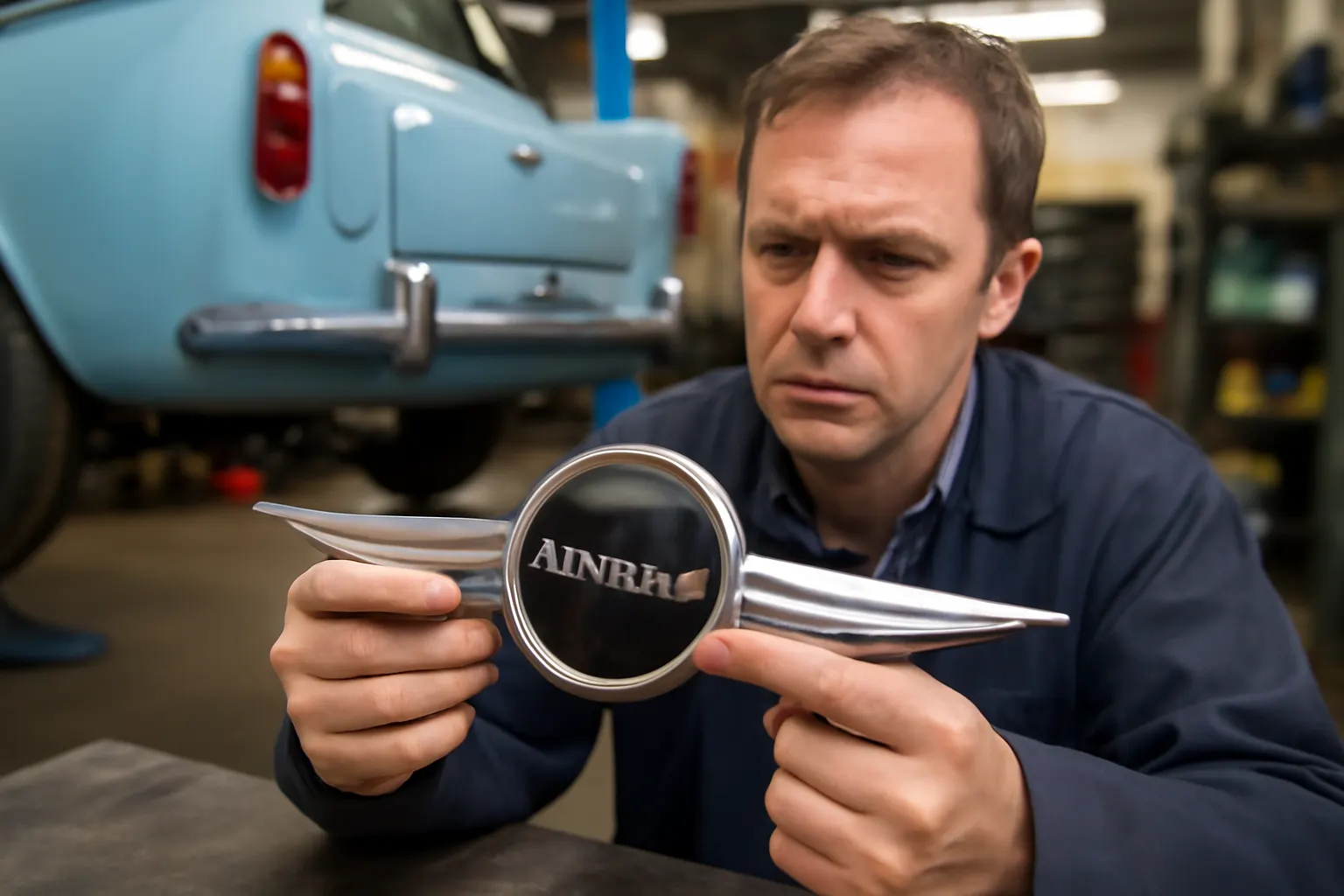
- Badges, Trim, and Emblems: These are often reproduced for aesthetics but may lack correct materials, fonts, or mounting hardware.
- Mechanical Components: Brake cylinders, suspension bushings, and steering parts are frequently cloned with subpar alloys or incorrect dimensions.
- Electrical Items: Wiring harnesses, switches, and lamps are especially prone to poor reproduction, risking shorts or outright failure.
The Technical Depth: How Authenticity Risks Compromise Safety and Performance
Installing non-authentic Sunbeam parts is not merely a collector’s faux pas—it can have profound implications for safety and vehicle integrity. The NHTSA and the Department of Energy both highlight the risks posed by non-compliant or substandard replacement equipment (NHTSA Equipment, DOE Materials Technologies).
Safety Failures Linked to Inauthentic Parts
- Brake Systems: Reproduction master cylinders or wheel cylinders lacking correct bore tolerances can lead to brake fade or catastrophic failure.
- Steering Components: Incorrectly hardened tie rod ends or idler arms may fracture under load, causing loss of control.
- Electrical Fires: Non-authentic wiring harnesses often use inferior insulation, increasing the risk of shorts and fires.
Performance and Longevity Concerns
- Fuel Efficiency: Incorrect carburetor jets or fuel pumps can alter mixture ratios, reducing efficiency and increasing engine wear (DOE Fuel Efficiency).
- Structural Integrity: Poor-quality body panels or subframes may not meet original weight or strength specifications, threatening crashworthiness.
- Noise, Vibration, and Harshness (NVH): Low-grade bushings and mounts transmit excess vibration, eroding driving comfort and accelerating wear.
The Authenticity Diagnostic: Spotting Non-Genuine Sunbeam Parts
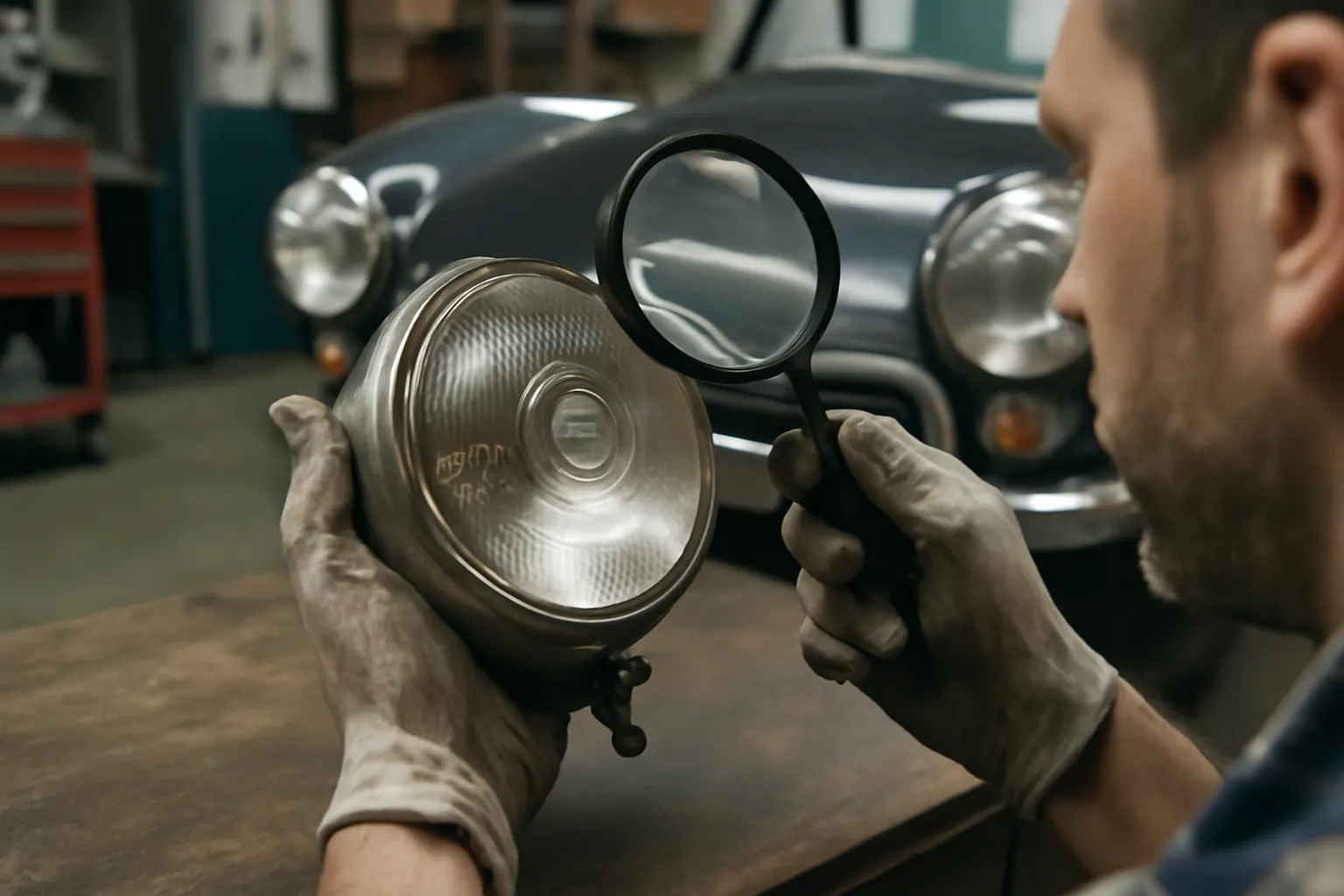
Recognizing inauthentic or counterfeit Sunbeam parts requires a systematic approach. Here’s a detailed diagnostic checklist to help you verify authenticity before installation:
Advertisement
Sunbeam Authenticity Diagnostic Checklist
| Step | What to Check | Red Flags | Recommended Action |
|---|---|---|---|
| 1 | Part Number & Markings | Missing, incorrect, or poorly stamped numbers | Cross-check with original Sunbeam parts catalogs |
| 2 | Material Quality | Lightweight, brittle, or odd-colored materials | Compare to known OEM samples or specs |
| 3 | Fit & Finish | Poor surface finish, uneven casting, or rough edges | Inspect visually and by touch |
| 4 | Packaging | Generic or unbranded packaging | Seek original manufacturer’s packaging or documentation |
| 5 | Seller Reputation | Low ratings, vague descriptions, or no provenance | Purchase only from established, reputable suppliers |
| 6 | Price | “Too good to be true” deals | Cross-check market prices for similar condition parts |
| 7 | Documentation | No provenance, certificates, or receipts | Request supporting paperwork or provenance |
This checklist should be applied to every part you consider, especially those sourced online or from unfamiliar vendors.
The Problem Expansion: Real-World Pitfalls and Their Consequences
To illustrate the scope of authenticity risks, consider these real-world scenarios reported by Sunbeam owners and restoration professionals:
Case 1: The Brake Caliper Catastrophe
A Sunbeam Alpine restorer sourced what appeared to be a NOS (new old stock) brake caliper from an online marketplace. Upon installation, the caliper leaked fluid during the first test drive. Post-mortem analysis revealed it was a reproduction with incorrect piston seals, leading to a near-miss safety incident. The original markings had been forged, and the packaging imitated period-correct graphics.
Case 2: The Electrical Harness Fire
A Sunbeam Tiger owner replaced the main wiring harness with an aftermarket reproduction. Within weeks, a short developed due to substandard insulation, causing a cabin fire. Investigation showed the harness used cheaper, thinner-gauge wire, and the connectors were incompatible with Sunbeam’s original fuse box.
Case 3: The Value Drop
A collector purchased a Sunbeam Rapier with several “restored” panels. During a concours event, judges flagged the body panels as incorrect reproductions due to missing factory stampings. The car’s value dropped significantly, and the owner faced costly rework to source authentic panels.
The Solution Path: Sourcing Genuine Sunbeam Parts
Avoiding authenticity pitfalls requires a disciplined sourcing strategy. Here’s how to maximize your chances of acquiring genuine Sunbeam components:
1. Prioritize Established Suppliers
- Seek out vendors with a proven track record of supplying Sunbeam parts, ideally with direct ties to the original manufacturer or long-standing club affiliations.
- Consult marque-specific forums and clubs, which often maintain vetted supplier lists.
2. Demand Documentation
- Always request provenance, original packaging, or supporting paperwork.
- For high-value or safety-critical parts, insist on photographs of markings and packaging before purchase.
3. Use Parts Catalogs and Factory Documentation
- Obtain factory parts catalogs, workshop manuals, and technical bulletins for your specific Sunbeam model.
- Cross-reference part numbers, materials, and visual cues.
4. Leverage Community Knowledge
- Engage with Sunbeam owners’ clubs and online communities for advice on authenticating specific parts.
- Many communities maintain photo libraries of genuine components for comparison.
5. Inspect Before You Install
- Upon receipt, compare the part against original samples or detailed photos.
- Test fit non-cosmetic components to ensure correct tolerances and clearances.
For more in-depth sourcing strategies, read our Sunbeam Parts Sourcing: Lessons from the Field.
The Role of Standards and Regulatory Guidance
Industry standards and regulatory guidelines play a crucial role in defining what constitutes an authentic, safe, and compliant replacement part. The SAE Standards outline testing and engineering requirements that reputable manufacturers must meet, while the NHTSA provides ongoing oversight of safety-related automotive equipment.
How Standards Protect Sunbeam Owners
- Engineering Consistency: SAE standards ensure that critical dimensions, material properties, and performance characteristics are maintained.
- Recall Traceability: The NHTSA recall database allows owners to check for known equipment failures or substandard batches.
- Documentation Requirements: Reputable suppliers will often provide evidence of compliance with applicable standards, which is a strong indicator of authenticity.
Practical Buying Guidance: What to Watch for When Shopping
Not all reproduction parts are inherently bad—some are made to original specifications by reputable specialists. The challenge lies in distinguishing these from low-quality or counterfeit alternatives.
Key Buying Tips
- Beware of Unusually Low Prices: High-quality, authentic Sunbeam parts are rarely cheap. If a deal seems too good to be true, it usually is.
- Check for OEM or NOS Labels: Look for original equipment manufacturer (OEM) marks, part numbers, and, where possible, new old stock (NOS) packaging.
- Ask for Detailed Photos: Sellers should be able to provide high-resolution images of all markings, packaging, and key features.
- Review Seller History: Examine feedback, transaction history, and involvement in Sunbeam-specific communities.
- Clarify Return Policies: Only buy from sellers who offer clear, no-hassle return policies if the part fails inspection or fitment.
Advertisement
Installation and Fitment Guidance for Authentic Sunbeam Parts
Even with authentic parts in hand, correct installation is critical to preserving safety and value. Here are best practices for fitment and installation:
Pre-Installation Steps
- Dry Fit: Before final installation, perform a dry fit to confirm alignment, bolt patterns, and clearances.
- Compare to Original: If possible, compare the new part to the original component for weight, dimensions, and finish.
- Check Fasteners and Hardware: Use original or OEM-spec fasteners. Avoid mixing hardware types or grades, as this can cause stress risers or corrosion.
During Installation
- Follow Factory Torque Specifications: Use a calibrated torque wrench and refer to factory service manuals for correct settings.
- Inspect for Interference: After installation, cycle moving parts (brakes, suspension, steering) through their full range of motion to ensure there is no binding or interference.
- Test Functionality: For electrical parts, check continuity and function before reassembling panels or trim.
Post-Installation Review
- Road Test Carefully: Start with low-speed system checks before full road use.
- Monitor for Issues: Pay close attention to any changes in noise, vibration, or system behavior in the first 100 miles.
Maintenance Considerations: Keeping Authentic Parts in Top Condition
Once you’ve sourced and installed authentic Sunbeam parts, ongoing maintenance is essential to preserve their integrity and value.
Maintenance Best Practices
- Regular Inspections: Schedule periodic inspections of critical systems—brakes, steering, suspension, and electrical—for signs of wear or degradation.
- Use Compatible Fluids and Lubricants: Some modern fluids are incompatible with vintage seals or metals; always check manufacturer or club recommendations.
- Document Everything: Maintain a log of parts installed, including provenance, installation date, and maintenance actions. This supports future authenticity claims and resale value.
- Environment Control: Store your Sunbeam in a dry, climate-controlled environment to prevent rust and degradation of original components.
For detailed maintenance intervals and recommendations, visit our Classic Sunbeam Service Intervals guide.
Advertisement
The Value of Provenance: Documentation and Record-Keeping
Provenance—the documented history of a part or vehicle—is increasingly important in the classic car world. For Sunbeam restorers, keeping thorough records is a powerful tool for proving authenticity and maximizing value.
Key Documentation to Collect
- Purchase Receipts: Keep all invoices and receipts from reputable suppliers.
- Photographic Evidence: Before-and-after photos of parts, especially those with unique markings or packaging.
- Correspondence: Save emails or letters from suppliers verifying authenticity or compliance with standards.
- Service Records: Log every installation, maintenance, or replacement action in a dedicated file or digital database.
The Role of Community and Expert Networks
No Sunbeam restoration happens in isolation. The collective knowledge and experience of marque clubs, online forums, and expert restorers are invaluable for verifying authenticity and sourcing hard-to-find components.
How to Engage
- Join a Sunbeam Club: Membership in a recognized club provides access to technical archives, supplier recommendations, and restoration events.
- Share and Compare: Post photos and questions in online groups to solicit opinions and advice on suspect parts.
- Attend Swap Meets and Shows: These events are prime opportunities to inspect parts in person and establish relationships with trusted vendors.
AutoPartEx Positioning: Your Partner in Authentic Sunbeam Restoration
At AutoPartEx, we recognize the unique challenges Sunbeam owners face in sourcing and verifying authentic parts. Our mission is to empower restorers with accurate technical information, vetted supplier networks, and practical guidance every step of the way. Whether you’re restoring a concours-winning Sunbeam Tiger or maintaining a daily-driven Alpine, our editorial and sourcing resources are designed to help you avoid authenticity pitfalls and achieve true heritage quality.
For further insights into Sunbeam compatibility and the OEM vs. aftermarket debate, explore our Sunbeam Compatibility: OEM vs. Aftermarket guide.
Expert Action: Steps to Safeguard Your Sunbeam Restoration
Before concluding your next parts purchase or installation, follow these expert actions:
- Verify Every Part: Apply the authenticity checklist above to all components, regardless of source.
- Document Everything: Build a provenance file for your vehicle and each major component.
- Engage with the Community: Leverage club knowledge and online resources for authentication and sourcing tips.
- Prioritize Safety-Critical Systems: Never compromise on brake, steering, or electrical components—insist on proven, authentic parts.
- Stay Informed: Regularly review updates from AutoPartEx and regulatory bodies for the latest guidance on safe, authentic restoration practices.
References
Advertisement