Subaru Legacy Platform Upgrades
Looking to maximize the performance, reliability, and comfort of your Subaru Legacy? Whether you drive a daily commuter, a family wagon, or a turbocharged GT, targeted platform upgrades can transform your Legacy’s driving experience. This comprehensive guide details the most impactful Subaru Legacy upgrades, from suspension and braking to electronics and fuel efficiency improvements. We also cover common maintenance pitfalls, diagnostic strategies, and expert fitment advice to ensure every upgrade delivers lasting value.
Quick links: Subaru OEM & Aftermarket Auto Parts: Expert Fitment, History & Technical Guidance | AutoPartEx.
If you’re searching for genuine fitment, in-depth component history, or technical guidance for your Legacy, the Subaru OEM & Aftermarket Auto Parts section at AutoPartEx provides a foundation for every enthusiast and DIY owner.
The Immediate Answer: Popular Subaru Legacy Upgrades
Subaru Legacy owners frequently upgrade key systems to improve handling, safety, and driving enjoyment. The most popular and practical upgrades include:
- Suspension components: Struts, springs, sway bars, and bushings for improved road holding and comfort.
- Braking systems: Performance pads, rotors, and stainless lines for shorter stops and better pedal feel.
- Engine and drivetrain: Timing components, CV axles, upgraded mounts, and performance fluids for reliability and response.
- Electronics: Infotainment head units, backup cameras, and lighting upgrades for modern convenience.
- Wheels and tires: Lightweight alloys and performance tires to enhance grip and style.
- Exhaust and intake: Cat-back systems and panel filters for subtle power gains and improved sound.
These upgrades not only boost performance but also address common wear points, extending the lifespan of your Legacy.
The Hidden Problem: Overlooked Maintenance and Compatibility
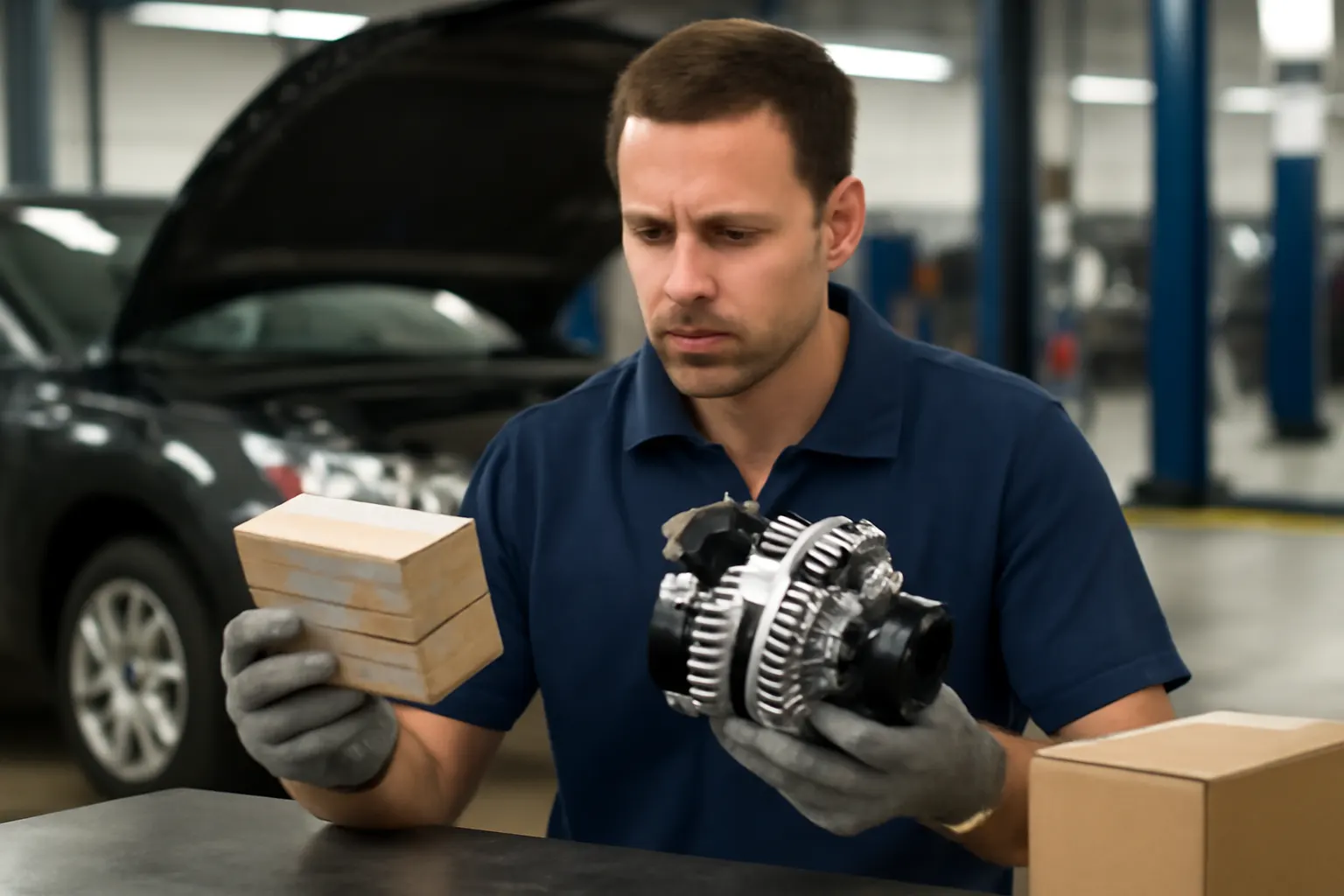
While upgrades are appealing, many Legacy owners underestimate the importance of foundational maintenance and precise fitment. Installing performance parts on a neglected platform can lead to premature failure, poor ride quality, or even safety hazards. Equally, not all aftermarket parts conform to OEM specifications or safety standards, risking compatibility issues and voiding critical safety features.
For example, suspension or brake upgrades without proper alignment or component compatibility checks can compromise vehicle control. Electronics installations, if not properly integrated, may interfere with factory safety systems or diagnostics.
Digging Deeper: Platform-Specific Challenges and Opportunities
The Subaru Legacy spans multiple generations, each with unique engineering traits:
- Fourth Generation (2003–2009, BL/BP): Known for robust turbocharged options but prone to front suspension bushing wear and head gasket issues.
- Fifth Generation (2010–2014, BM/BR): Improved chassis rigidity and electronic integration, but more complex CAN bus systems.
- Sixth Generation (2015–2019, BN/BS): Advanced driver assistance features, direct injection engines, and increased use of lightweight materials.
Each platform presents unique upgrade considerations. For instance, earlier Legacies benefit most from suspension and cooling upgrades, while newer models gain from electronics and driver assistance enhancements. Always verify chassis codes and part compatibility before purchase.
Suspension Upgrades: Transforming Handling and Ride
Why Upgrade?
Subaru’s signature all-wheel-drive system shines when paired with a properly tuned suspension. Worn struts, springs, bushings, or sway bars can dull handling, increase tire wear, and reduce safety.
Upgrade Options
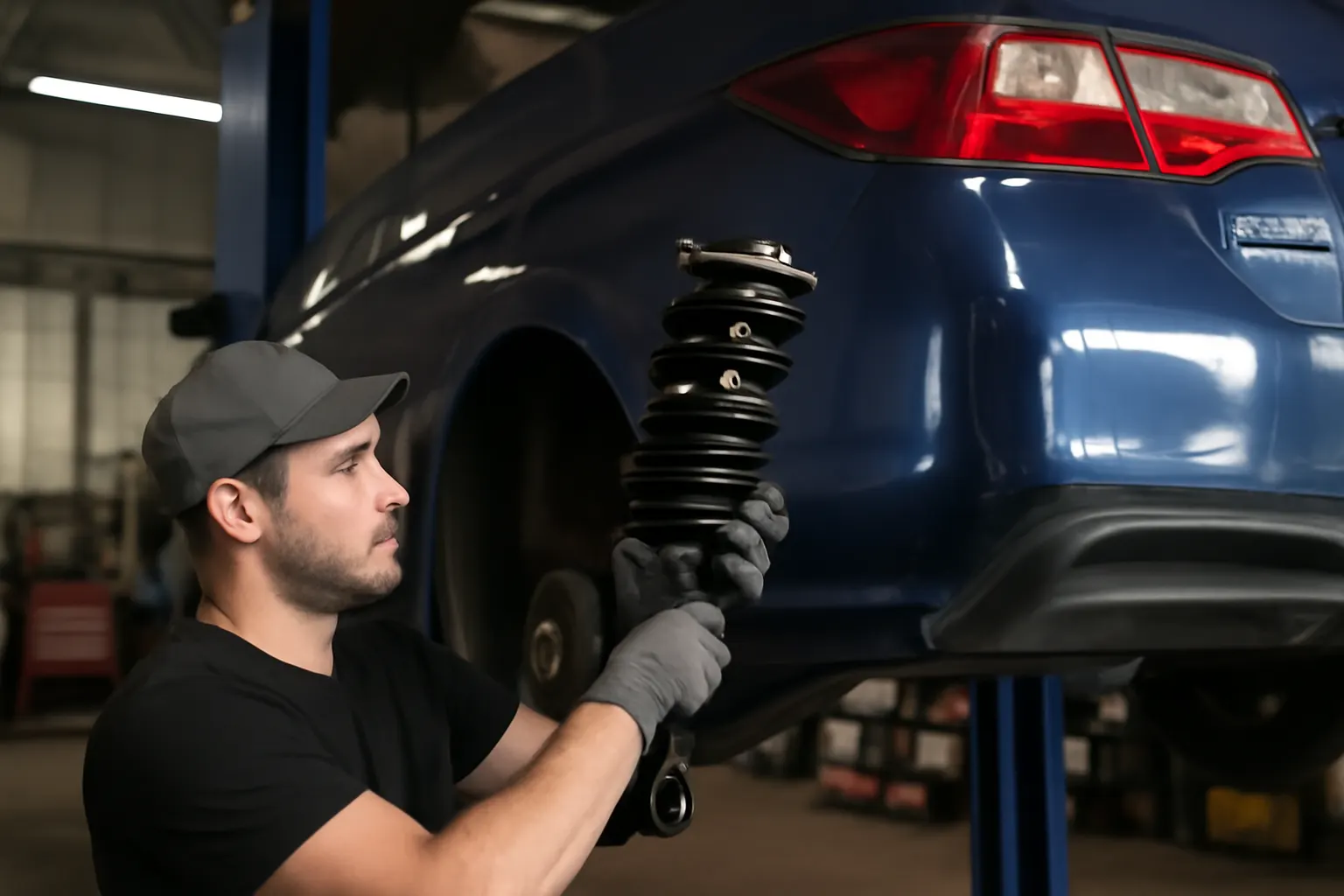
- Struts and Shocks: Replace with OEM or performance-tuned units for improved damping and control.
- Lowering Springs: Reduce ride height for a lower center of gravity, but ensure spring rates match your struts.
- Upgraded Sway Bars: Thicker anti-roll bars reduce body roll and sharpen cornering response.
- Bushings: Polyurethane bushings last longer and provide more precise steering feel than aging rubber.
Installation and Fitment Tips
- Always match suspension components to your specific Legacy generation and trim.
- After installation, perform a full alignment to restore factory geometry.
- Inspect related components (top hats, mounts, end links) for wear during the upgrade.
Braking System Enhancements: Safety Meets Performance
The Case for Upgrading
Legacy brakes, while competent, can benefit from increased stopping power—particularly for drivers in hilly regions or those who tow. Upgraded brakes also support higher-performance driving.
Recommended Upgrades
- Brake Pads: Choose ceramic or performance friction compounds for better fade resistance.
- Rotors: Slotted or drilled rotors dissipate heat more effectively, reducing brake fade.
- Stainless Steel Brake Lines: Improve pedal feel and resist expansion under heavy braking.
- Brake Fluid: High-temperature fluid prevents boiling during spirited driving.
Installation and Maintenance Checklist
- Always torque caliper bolts to spec and use new hardware where required.
- Bleed the brake system thoroughly to remove air after any brake line or caliper work.
- Periodically check pad thickness and rotor condition, especially after aggressive driving.
Engine and Drivetrain Upgrades: Reliability and Response
Key Maintenance and Upgrade Areas
- Timing Components: Replace belts, tensioners, and water pumps at recommended intervals. See our Subaru Timing Belt Replacement Guide for detailed steps.
- CV Axles and Joints: Inspect for torn boots or clicking noises. Upgraded axles are available for performance applications—see Subaru CV Axle Service Procedures.
- Engine Mounts: Polyurethane or Group N mounts reduce drivetrain slop and improve throttle response.
- Performance Fluids: Synthetic oils and gear lubricants protect under high stress and temperature.
Diagnostic Tips
- Listen for drivetrain clunks, vibration, or fluid leaks—these often precede component failure.
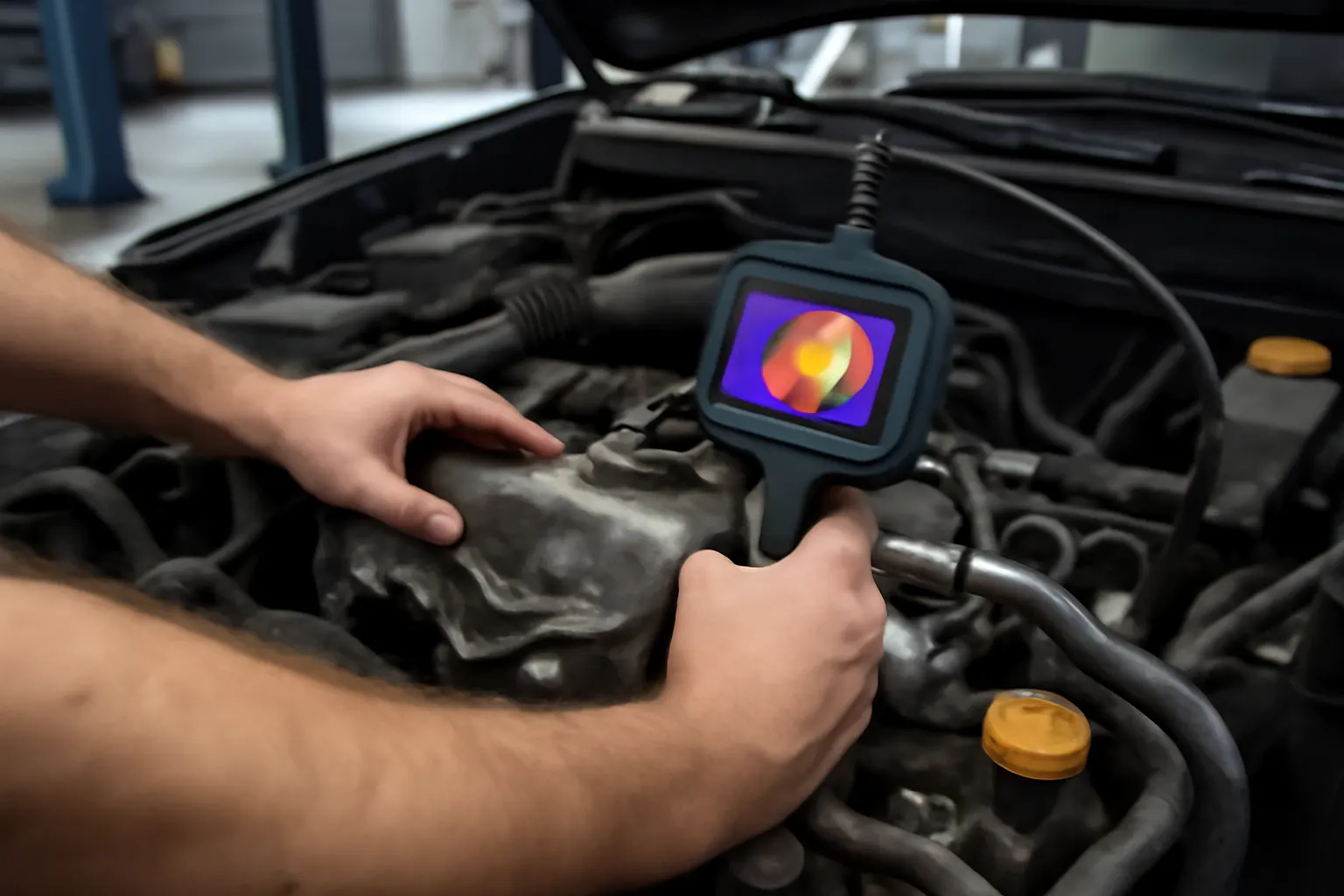
- Use an OBD-II scanner to check for stored engine or transmission codes after any upgrade.
Electronics and Infotainment: Modernizing Your Legacy
Popular Upgrades
- Head Units: Double-DIN touchscreen systems add Bluetooth, navigation, and smartphone integration.
- Backup Cameras: Increase safety and convenience; many aftermarket kits integrate seamlessly with modern head units.
- LED Lighting: Upgrade interior and exterior bulbs for brighter, longer-lasting illumination.
- Dash Cameras: Provide peace of mind and evidence in the event of an accident.
Installation Considerations
- Use vehicle-specific wiring harnesses to avoid cutting factory wires.
- Confirm compatibility with factory steering wheel controls and safety systems.
- For CAN bus-equipped models, use approved adapters to maintain system integrity.
Wheels and Tires: Grip, Efficiency, and Aesthetics
Choosing the Right Setup
- Alloy Wheels: Lighter than steel, improving unsprung weight and acceleration.
- Performance Tires: Select compounds and tread patterns based on climate and driving style.
- Plus Sizing: Larger wheels look great but can affect ride quality and speedometer accuracy—always recalculate offsets and clearances.
Installation Checklist
- Torque lugs to manufacturer specs.
- Recalibrate TPMS sensors if present.
- After installation, check for rubbing or interference at full lock and over bumps.
Exhaust and Intake: Subtle Power and Sound Gains
Upgrade Paths
- Cat-Back Exhaust: Increases flow and enhances sound without affecting emissions legality.
- Performance Air Filters: High-flow panel filters improve throttle response and can be cleaned and reused.
- Cold Air Intakes: For turbo models, these can yield modest power gains, but ensure proper heat shielding to avoid heat soak.
Cautions
- Avoid intake or exhaust modifications that trigger check engine lights or affect emissions equipment.
- Always check local regulations regarding aftermarket exhaust noise and emissions.
Safety and Compliance: Meeting Standards
Every upgrade—especially those affecting safety systems—should comply with federal and SAE standards. The National Highway Traffic Safety Administration and SAE International provide guidelines for equipment and installation. Ensuring that brake, lighting, and electronic upgrades meet these standards protects both your investment and your safety.
Before purchasing, verify that parts are certified or tested for your specific Legacy model. For critical systems (brakes, airbags, ABS), avoid unverified generic or “universal” components.
Materials Technology: Lightweight, Durable Upgrades
Modern Legacy models make extensive use of high-strength steel and lightweight alloys. When upgrading structural or suspension components:
- Opt for parts using advanced materials—aluminum control arms or composite bushings—for improved performance and reduced weight.
- Lightweight wheels and brake components can improve fuel efficiency and handling, as outlined by the U.S. Department of Energy.
- Always ensure upgraded components match or exceed OEM strength and corrosion resistance.
Fuel Efficiency Considerations: Upgrades That Pay Off
Performance upgrades don’t have to sacrifice fuel economy. In fact, many can improve it:
- Low-rolling-resistance tires and lightweight wheels reduce drag and weight.
- Synthetic fluids reduce drivetrain friction.
- Modern ignition and fuel system components ensure optimal combustion.
For more on maximizing efficiency, review the DOE’s fuel efficiency guidance.
Diagnostic and Fitment Checklist for Subaru Legacy Upgrades
Before investing in upgrades, use this checklist to ensure reliability and proper fitment:
| Step | Action | Notes |
|---|---|---|
| 1 | Identify Legacy generation and chassis code | Check VIN, door jamb, or owner’s manual |
| 2 | Inspect baseline condition | Suspension, brakes, engine, and electronics |
| 3 | Research part compatibility | Use manufacturer and model-specific guides |
| 4 | Verify part certification | Look for NHTSA, SAE, or OEM approval |
| 5 | Plan for supporting upgrades | Alignment, fluid flushes, or new hardware |
| 6 | Gather installation tools and manuals | Factory service manual is recommended |
| 7 | Test after installation | Road test, scan for codes, recheck fasteners |
| 8 | Document upgrades for future reference | Helps with diagnostics and resale value |
Expert Solution Path: How to Upgrade Your Legacy the Right Way
- Prioritize Maintenance First: Address worn or failing components before upgrading. This ensures new parts perform optimally and last longer.
- Choose Quality Parts: Select upgrades from reputable brands that provide fitment guarantees for your Legacy’s chassis and year.
- Follow Safe Installation Practices: Use torque specs, new hardware where needed, and double-check electrical connections.
- Align Upgrades with Usage: Daily drivers benefit from comfort and reliability upgrades, while enthusiasts may prioritize performance or aesthetics.
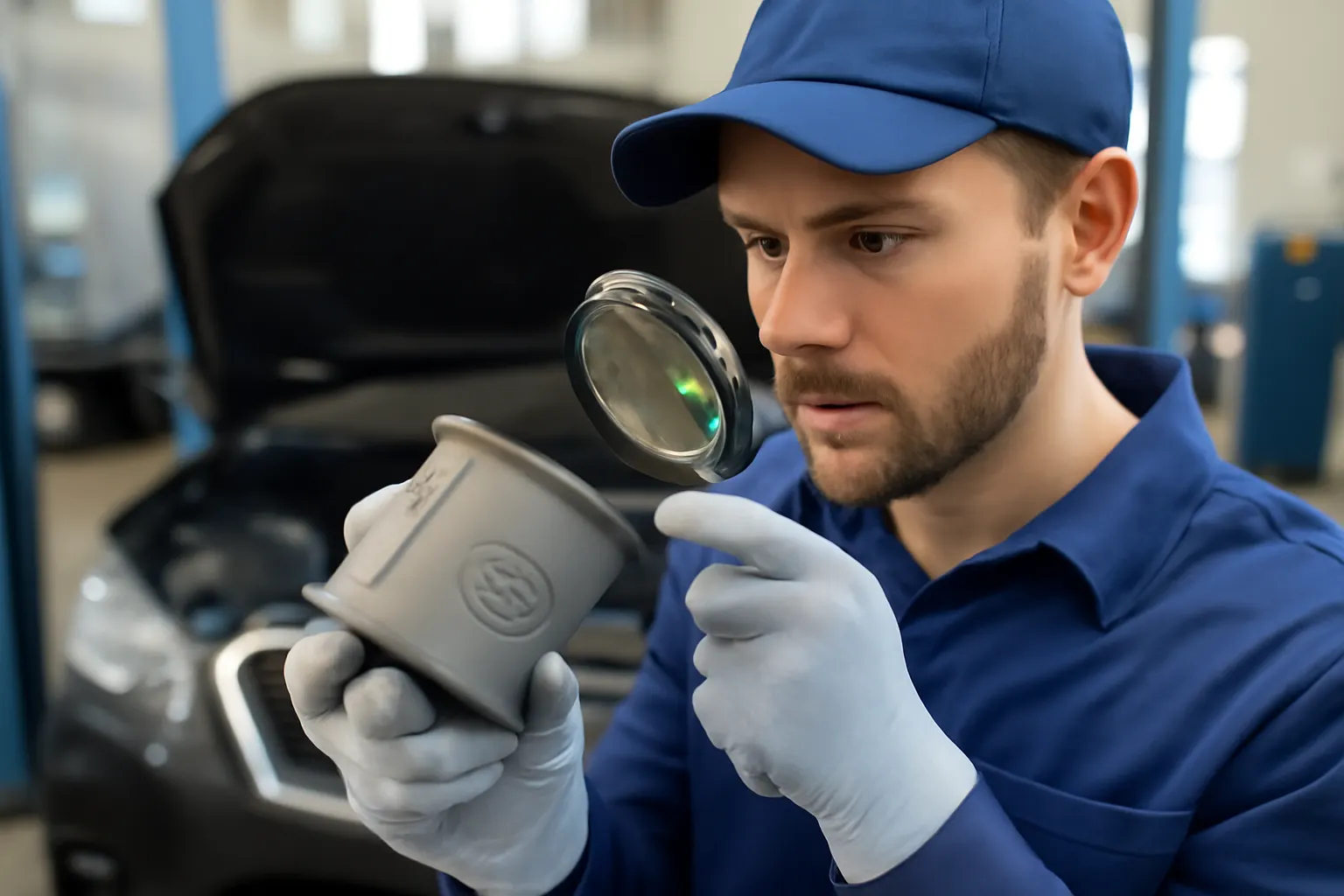
- Consult Technical Resources: Leverage guides like our How to Spot Genuine Subaru Parts to avoid counterfeit or substandard components.
- Leverage Professional Help When Needed: Complex upgrades—especially those involving electronics or advanced driver assistance systems—may require specialist knowledge or dealer-level tools.
AutoPartEx: Your Partner in Subaru Legacy Excellence
At AutoPartEx, we understand the unique demands of Subaru Legacy ownership. Our curated catalog of Subaru OEM & Aftermarket Auto Parts ensures every component—whether for maintenance or upgrade—fits your platform with OEM precision. Our technical editorial team verifies compatibility, safety, and performance so you can upgrade with confidence.
Whether you’re tackling a timing belt job, planning a suspension overhaul, or modernizing your Legacy’s electronics, AutoPartEx provides the expertise, parts, and guides you can trust. Don’t forget to check our related resources, including the Subaru Timing Belt Replacement Guide and Subaru CV Axle Service Procedures, for step-by-step instructions and fitment tips.
Final Thoughts: Maximizing Your Subaru Legacy’s Potential
Upgrading your Subaru Legacy is more than a pursuit of performance—it’s a commitment to reliability, safety, and driving enjoyment. By following a systematic, platform-specific approach and prioritizing foundational maintenance, you ensure every upgrade delivers lasting value. Always consult technical standards, reference certified guides, and source your parts from trusted suppliers.
With the right upgrades, your Legacy can confidently tackle daily commutes, spirited drives, or family road trips—delivering the all-weather capability and reliability Subaru is known for.