How to Spot Counterfeit Subaru Parts
Counterfeit Subaru parts are a growing problem for owners, DIYers, and even professional shops. These fake components can cost you more than money—they threaten your Subaru’s safety, reliability, and performance. In this guide, you’ll learn exactly how to identify counterfeit Subaru parts, from subtle packaging cues to supplier red flags, so you can protect your vehicle and your wallet. If you’re ever in doubt, start by consulting the Subaru Auto Parts: Genuine OEM Fitment, Engineering, and Reliability | AutoPartEx page for trusted sourcing and fitment guidance.
Why Counterfeit Subaru Parts Are a Hidden Threat
At first glance, a counterfeit Subaru oil filter or brake pad might look almost identical to the real thing. Many buyers—including experienced mechanics—have been fooled by convincing packaging, fake part numbers, and even forged Subaru logos. The problem runs deeper than aesthetics: counterfeit parts rarely meet Subaru’s stringent engineering and safety standards. They can compromise vehicle systems, void insurance claims, or even trigger costly failures that put occupants at risk.
Counterfeits are especially insidious because they often enter the supply chain through seemingly reputable online marketplaces, third-party sellers, or even local parts stores. These parts might be offered at a tempting discount or bundled with other items. Once installed, the damage they cause can be difficult to trace, especially when symptoms appear months after installation.
The Cost of Fake Subaru Parts: Safety, Performance, and Money
Installing counterfeit Subaru parts can have serious consequences:
- Safety Risks: Inferior materials and poor manufacturing precision can result in brake failure, oil leaks, electrical shorts, or airbag malfunctions. According to the National Highway Traffic Safety Administration (NHTSA), non-genuine parts are a leading cause of post-repair safety issues.
- Reduced Performance and Efficiency: Counterfeit filters, sensors, and gaskets often do not meet Subaru’s factory specifications, leading to poor fuel efficiency, increased emissions, or engine damage. The U.S. Department of Energy highlights the importance of OEM-grade parts for maintaining optimal fuel economy.
- Financial Loss: Fake parts may cost less upfront, but repeated replacements, engine damage, or voided warranties can quickly multiply costs.
- Legal and Insurance Problems: If an accident or failure is traced to a counterfeit part, insurance claims may be denied.
Understanding Subaru’s OEM Standards and Why They Matter
Subaru’s original equipment manufacturer (OEM) parts are engineered to strict standards for fit, function, and durability. These standards are often based on SAE International protocols and Subaru’s own rigorous testing. Genuine Subaru parts are designed to integrate seamlessly with the vehicle’s safety systems, electronics, and mechanical assemblies. For example, a genuine Subaru timing belt must withstand precise loads and temperatures, while counterfeit belts often fail prematurely due to subpar materials.
OEM parts also undergo quality assurance checks that counterfeiters skip. This is critical for safety systems such as brakes, airbags, and steering components. Even seemingly minor parts—like cabin air filters or spark plugs—can cause drivability and reliability issues if they don’t meet Subaru’s exacting specifications.
The Most Commonly Counterfeited Subaru Parts
While nearly every type of Subaru part has been counterfeited, some components are targeted more frequently due to their high demand and ease of replication:
- Oil Filters and Air Filters: Counterfeits often use inferior filter media, risking engine wear or contamination.
- Brake Pads and Rotors: Fake brake parts may use substandard friction materials, increasing stopping distances and noise.
- Timing Belts and Chains: These are critical for engine timing—a failure can destroy an interference engine.
- Spark Plugs and Ignition Coils: Non-genuine versions can cause misfires, poor fuel economy, and engine damage.
- Sensors (O2, MAF, MAP): Counterfeit sensors often provide inaccurate readings, leading to CELs and drivability issues.
- Lighting and Bulbs: Fake bulbs can overheat, fail prematurely, or damage wiring.
- Body Panels and Emblems: While not always a safety risk, these can detract from vehicle value and may not fit correctly.
Visual Inspection: Packaging Clues and Labeling Red Flags
One of the first lines of defense against counterfeit Subaru parts is a close inspection of packaging and labels. Here’s what to look for:
- Packaging Quality: Genuine Subaru parts come in high-quality boxes or bags with crisp printing, clear logos, and consistent colors. Counterfeit packaging may have blurry text, faded colors, or spelling errors.
- Label Details: OEM labels include part numbers, barcodes, and manufacturing information. Counterfeits often use incorrect fonts, missing data, or mismatched barcodes.
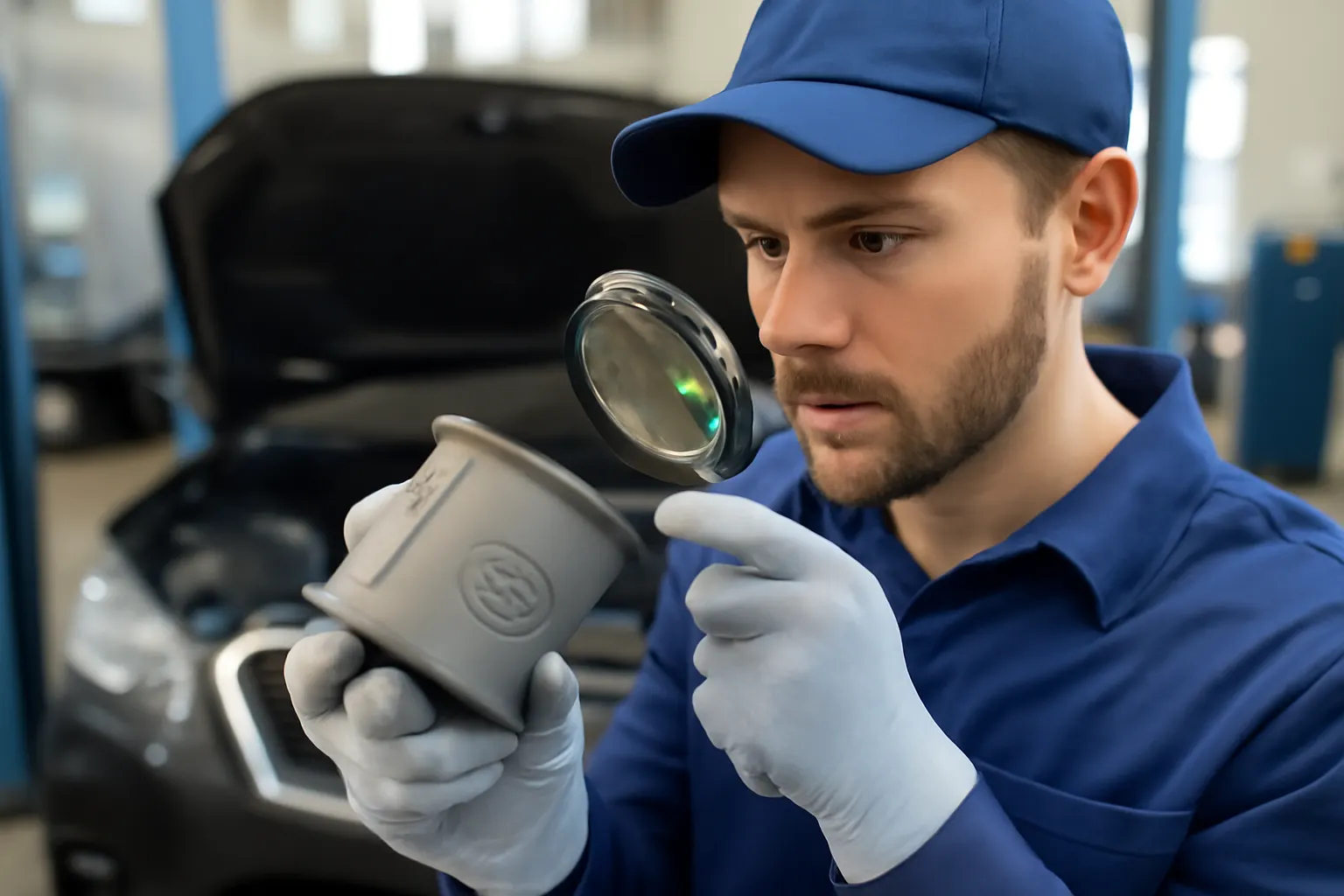
- Holograms and Security Seals: Many genuine Subaru parts feature holographic stickers or tamper-evident seals. Their absence or poor imitation is a red flag.
- Country of Origin: Check for inconsistencies—genuine Subaru parts will state the correct country of manufacture (often Japan or the U.S.), while counterfeits may use vague or incorrect origins.
- Instruction Sheets: OEM parts often include detailed instructions in multiple languages. Counterfeits may omit these or provide poorly translated versions.
Physical Part Inspection: Material, Weight, and Fitment Differences
Even if the packaging looks convincing, the part itself can reveal telltale signs of being counterfeit:
- Material Quality: OEM parts use specific alloys, plastics, or composites. Counterfeits often substitute cheaper materials, which may feel lighter, more brittle, or have uneven surfaces.
- Casting and Mold Marks: Genuine parts have clean, precise castings or mold lines. Look for rough edges, excess flashing, or pitting on counterfeit parts.
- Weight: Counterfeit parts are often lighter due to inferior metals or less material. Compare with a known genuine part if possible.
- Fit and Finish: OEM parts fit snugly and align perfectly. Counterfeit parts may have irregular holes, mismatched threads, or require force to install.
- Brand Markings: Genuine Subaru parts will have correct logo placement, part numbers, and sometimes date codes. Counterfeits may omit these or use incorrect fonts.
Supplier Verification: How to Choose a Trusted Source
Where you buy your Subaru parts is just as important as what you buy. Counterfeiters often infiltrate online marketplaces, auction sites, and even some brick-and-mortar stores. Here’s how to vet your supplier:
- Authorized Subaru Dealers: Always the safest option for genuine parts.
- Reputable Online Retailers: Look for established sellers with clear return policies, customer service, and direct links to Subaru or recognized distributors.
- Check Seller Reviews: Consistent negative or mixed reviews may indicate counterfeit issues.
- Ask for Documentation: Reputable suppliers can provide invoices, certificates of authenticity, or direct manufacturer sourcing information.
- Be Wary of Deep Discounts: Prices significantly below market value are a common sign of counterfeiting.
When in doubt, consult the Subaru Auto Parts: Genuine OEM Fitment, Engineering, and Reliability | AutoPartEx directory for trusted sources and in-depth part compatibility information.
The Subaru Counterfeit Part Detection Checklist
Use this checklist every time you purchase a Subaru part, especially from new or unfamiliar sources:
| Inspection Point | Genuine Subaru Part | Counterfeit Red Flag |
|---|---|---|
| Packaging Quality | Crisp, high-quality print | Blurry, faded, or misaligned |
| Label Details | Correct part #, barcode | Typos, missing info |
| Security Seals/Holograms | Present, high quality | Missing or poor imitation |
| Country of Origin | Consistent, correct | Vague or incorrect |
| Instructions | Detailed, multilingual | Missing or poorly translated |
| Material Quality | Consistent, robust | Brittle, uneven, or cheap |
| Casting/Mold Marks | Clean, precise | Rough, pitted, sloppy |
| Weight | Matches OEM spec | Noticeably lighter |
| Fitment | Perfect alignment | Requires force, misaligned |
| Supplier Reputation | Authorized or vetted | Unknown, poor reviews |
| Price | Market average | Deeply discounted |
| Documentation | Invoice, authenticity | None provided |
Digital Verification: Barcodes, QR Codes, and Online Resources
Subaru and many OEMs have adopted digital tools to help customers verify authenticity:
- Barcodes/QR Codes: Scan these with a smartphone to check if the part is registered in Subaru’s system.
- Online Part Lookup: Use Subaru’s official parts catalog or trusted platforms to cross-check part numbers and images.
- Serial Number Verification: Some high-value parts (like ECUs or airbags) have unique serial numbers that can be verified through Subaru or reputable suppliers.
If the barcode or serial number does not match Subaru’s records, or if the online lookup yields no results, the part is likely counterfeit.
The Hidden Dangers: Performance, Longevity, and Safety Compromises
Counterfeit Subaru parts are not just a financial risk—they can cause real harm to your vehicle and its occupants. For example:
- Oil Filters: A fake filter may let contaminants circulate, leading to oil starvation and engine failure.
- Brake Pads/Rotors: Substandard friction materials can overheat, crack, or delaminate under load, dramatically increasing stopping distances.
- Timing Belts/Chains: Premature failure can result in catastrophic engine damage, especially in Subaru’s interference engines.
- Sensors: Incorrect readings from O2 or MAF sensors can trigger limp mode, poor fuel economy, or emissions failures.
The NHTSA and SAE International both stress the importance of using certified, OEM-grade parts for all critical systems, especially those affecting safety and emissions.
What to Do If You Suspect a Counterfeit Subaru Part
If you think you’ve received a counterfeit Subaru part, take these steps immediately:
- Do Not Install: Avoid installing the part until its authenticity is confirmed.
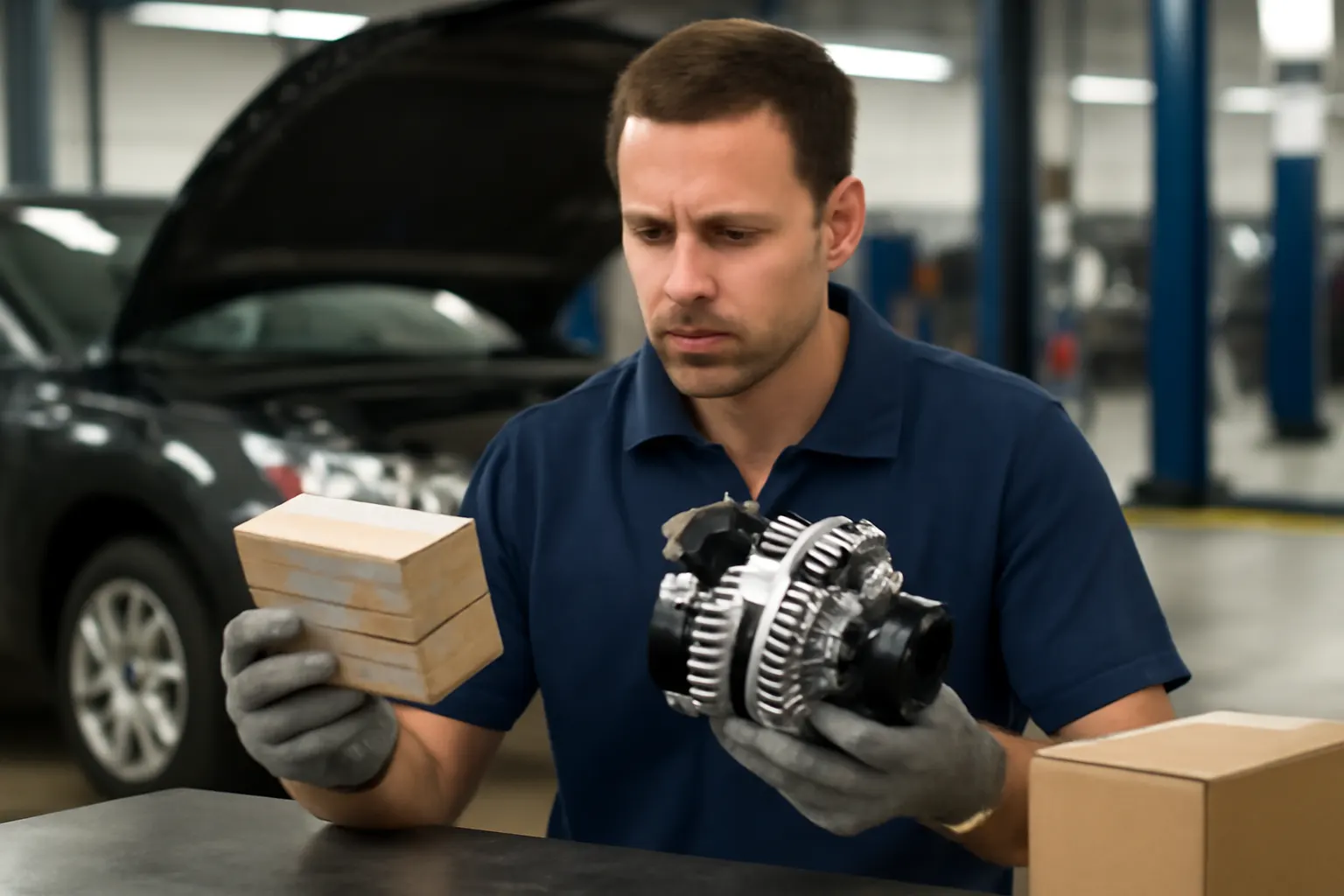
- Compare to a Known Genuine Part: Use the checklist above to spot differences.
- Contact the Seller: Request documentation or proof of authenticity. Reputable sellers will cooperate.
- Report to Subaru or NHTSA: Subaru’s customer service and the NHTSA accept reports of suspected counterfeit parts.
- Replace with Genuine: If in doubt, source a replacement from an authorized Subaru dealer or trusted supplier.
- Inspect for Damage: If a counterfeit part was installed, have your vehicle inspected for related damage, especially in safety-critical areas.
Protecting Yourself: Best Practices for Subaru Owners
Being proactive is the best defense against counterfeit parts. Here’s how to ensure you’re always getting the real deal:
- Keep Records: Save all purchase receipts, invoices, and packaging for future reference.
- Educate Yourself: Familiarize yourself with Subaru’s OEM part numbers and packaging styles.
- Use Trusted Suppliers: Stick to authorized Subaru dealers or vetted online platforms like those recommended on AutoPartEx.
- Schedule Regular Inspections: Have a trusted Subaru specialist check major systems, especially after any DIY repairs or third-party service.
- Join Subaru Owner Communities: Online forums and groups often share alerts about known counterfeit issues or problematic sellers.
Real-World Scenarios: Counterfeit Subaru Part Failures
To better understand the risks, consider these real-world examples:
- Case 1: Oil Filter Catastrophe: A Subaru Forester owner installed a deeply discounted oil filter purchased online. Within 3,000 miles, the filter’s internal seal failed, causing oil starvation and a seized engine. The replacement cost far exceeded any initial savings.
- Case 2: Brake Pad Disaster: An independent shop unknowingly installed counterfeit brake pads on a Subaru Outback. The pads delaminated under heavy braking, resulting in a near-miss accident and a costly repair.
- Case 3: Timing Belt Failure: A DIYer used a “bargain” timing belt kit on their Subaru Legacy. The belt shredded at 18,000 miles—less than half the OEM interval—leading to bent valves and a full engine rebuild.
These incidents underscore the importance of using genuine Subaru parts, especially for critical systems. For further reading on Subaru maintenance intervals, see our Subaru Timing Belt & Chain Replacement Intervals guide.
Subaru-Specific Fitment and Engineering Considerations
Subaru vehicles feature unique engineering elements, such as the boxer engine and symmetrical all-wheel drive (AWD) system. These systems depend on precise tolerances and materials:
- Boxer Engine: Requires specific gasket materials and oil filters to maintain proper sealing and lubrication. Counterfeit gaskets are a frequent cause of leaks—see Subaru Boxer Engine Oil Leak Solutions for more information.
- AWD System: Uses dedicated fluids, sensors, and drivetrain parts. Incorrect or counterfeit components may cause premature wear or AWD malfunction. For a full maintenance checklist, see our Subaru AWD System Maintenance Checklist.
- Electrical Connectors: Subaru uses unique connectors for sensors and modules. Counterfeit sensors often have poor electrical contacts, leading to intermittent issues.
Maintaining Subaru’s OEM engineering standards is essential for performance, safety, and longevity.
AutoPartEx: Your Partner in Genuine Subaru Parts
At AutoPartEx, we’re committed to helping Subaru owners, enthusiasts, and repair professionals source only genuine, OEM-grade parts. Our trusted network, technical guides, and fitment resources are designed to keep your Subaru running safely and efficiently. Whether you’re tackling a timing belt replacement, chasing down an oil leak, or simply replacing a cabin air filter, our platform ensures you get the right part, every time.
Start your search for authentic Subaru components on the Subaru Auto Parts: Genuine OEM Fitment, Engineering, and Reliability | AutoPartEx page. With our expertise and robust supplier vetting, you can avoid the risks of counterfeit parts and enjoy peace of mind behind the wheel.