Subaru Boxer Engine Oil Leak Solutions
Subaru’s horizontally-opposed “boxer” engines are renowned for their unique engineering, smoothness, and reliability. However, one persistent issue that Subaru owners and technicians encounter is engine oil leaks. If you’ve spotted oil stains under your Subaru, noticed a burning oil smell, or found yourself topping off oil between changes, you’re not alone. This comprehensive guide delivers immediate diagnostic advice, reveals the root causes of Subaru boxer engine oil leaks, and details proven repair strategies—always emphasizing the value of authentic, standards-compliant parts for lasting results.
If you’re seeking high-quality, genuine Subaru components engineered for precise fitment and reliability, start with the Subaru Auto Parts: Genuine OEM Fitment, Engineering, and Reliability | AutoPartEx category. There, you’ll find OEM-grade solutions for every major Subaru system, including the critical engine sealing components discussed here.
Why Subaru Boxer Engines Leak Oil: The Immediate Answer
Subaru boxer engines are vulnerable to oil leaks primarily due to their horizontally-opposed cylinder layout, which places critical gaskets and seals in positions susceptible to gravity, oil pooling, and heat cycling. The most common leak sources are:
- Valve cover gaskets
- Camshaft seals
- Crankshaft seals
- Oil pan gaskets
- Oil separator plates
- Timing cover gaskets
These components degrade over time due to heat, oil exposure, and vibration. When leaks occur, they compromise engine performance, fuel efficiency, and—if left unaddressed—vehicle safety. Immediate inspection and prompt repair with authentic, specification-matched parts are essential to prevent further damage.
The Hidden Problem: Why Oil Leaks Are More Than a Nuisance
While a small oil leak may seem minor, the hidden risks are significant. Oil leaks on Subaru boxer engines can:
- Accelerate wear on timing belts and accessory drive components
- Cause engine misfires if oil contaminates spark plugs or ignition coils
- Increase fire risk if oil contacts hot exhaust components
- Undermine fuel efficiency and emissions compliance (DOE Fuel Efficiency)
- Lead to expensive engine repairs if oil levels drop unnoticed
Subaru’s engine design means leaks often drip onto underbody panels or exhaust manifolds, making detection challenging. Leaks can also mask other mechanical issues, leading to misdiagnosis or incomplete repairs.
Understanding the Boxer Engine’s Unique Leak Risks
The Subaru boxer’s flat-four or flat-six layout positions gaskets and seals horizontally. Unlike inline or V-type engines, this means:
- Gravity causes oil to pool against lower gaskets and seals, increasing the chance of seepage as materials age.
- Heat cycling and expansion/contraction stresses are distributed differently, often accelerating gasket hardening.
- The engine’s compact packaging can make access for inspection and repair more challenging.
This design offers advantages in balance and center of gravity but introduces unique maintenance demands—especially related to sealing integrity over time.
Common Leak Points in Subaru Boxer Engines: A Detailed Breakdown
Let’s examine the most frequent oil leak sources in Subaru boxer engines:
1. Valve Cover Gaskets
- Symptoms: Oil weeping or dripping from the top or sides of the engine, oil smell, oil on spark plugs.
- Why it fails: Gasket material hardens and shrinks due to heat and oil exposure.
- Special risk: Leaks can drip directly onto exhaust manifolds, creating smoke or fire hazards.
2. Camshaft and Crankshaft Seals
- Symptoms: Oil dripping from timing cover area, oil on timing belt/chain.
- Why it fails: Rotational wear and heat degrade rubber seals.
- Special risk: Oil on timing belt can cause belt slippage or breakage, risking catastrophic engine damage.
3. Oil Pan Gasket
- Symptoms: Oil pooling under the engine, visible seepage along the pan seam.
- Why it fails: Gasket compression set, impact damage, or improper installation.
- Special risk: Proximity to road debris and undercarriage impacts.
4. Oil Separator Plate
- Symptoms: Slow oil loss, oil residue at rear of engine or bellhousing.
- Why it fails: Early models used plastic plates prone to warping; later models upgraded to metal.
- Special risk: Major leaks can mimic rear main seal failures.
5. Timing Cover Gaskets
- Symptoms: Oil seepage at the front of the engine, often mistaken for head gasket leaks.
- Why it fails: Gasket aging, improper reassembly, or overtightening.
Understanding these points is the first step to accurate diagnosis and effective repair.
Diagnosing Subaru Boxer Engine Oil Leaks: Step-by-Step Checklist
Proper diagnosis is crucial before any repair. Use this checklist for a systematic approach:
Subaru Boxer Engine Oil Leak Diagnostic Checklist
- Visual Inspection
- Check under the vehicle for fresh oil spots or drips.
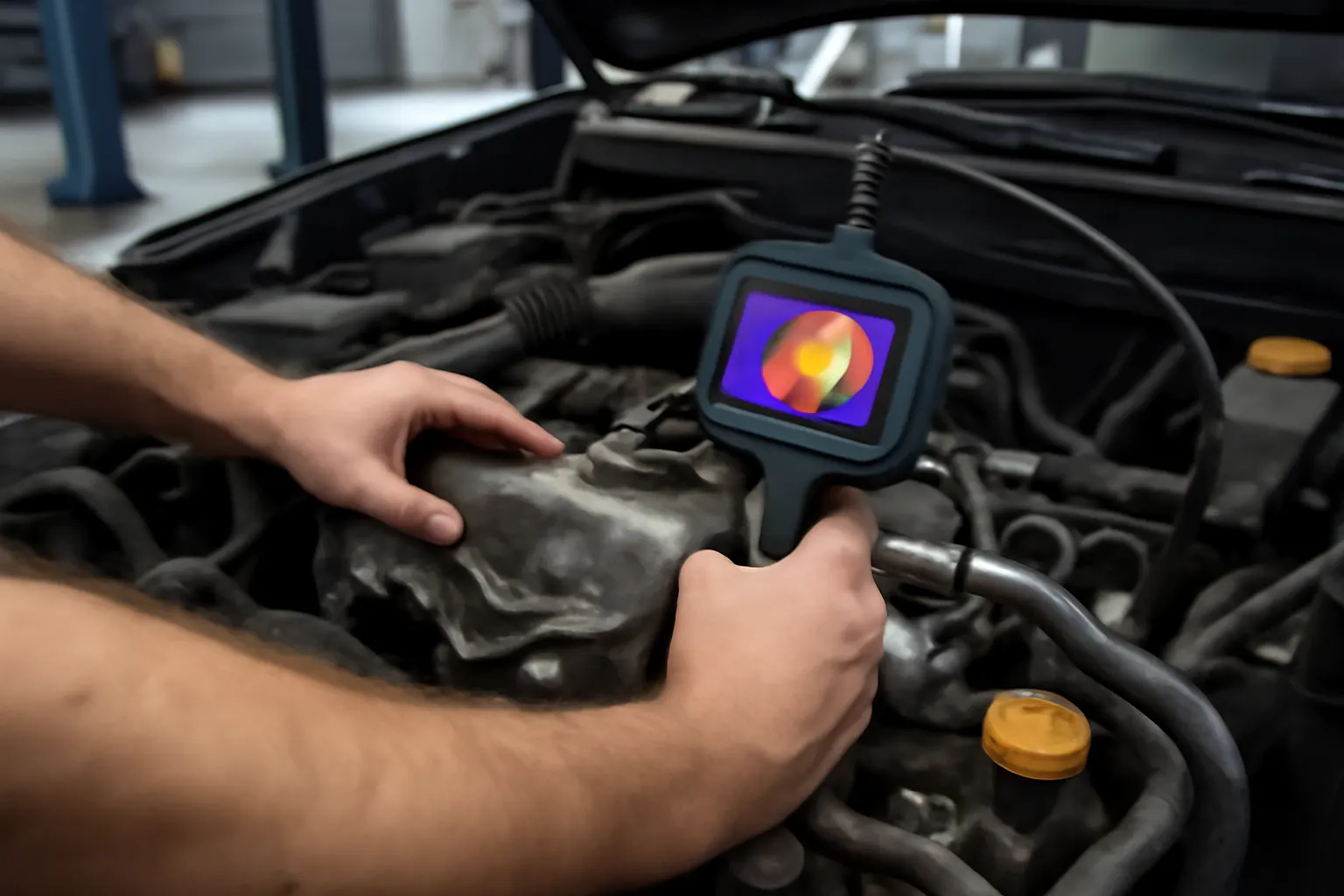
- Inspect engine bay with a flashlight for wetness around valve covers, oil pan, timing cover, and rear of engine.
- Smell Test
- Note any burning oil odor, especially after driving.
- Oil Level Monitoring
- Check oil dipstick regularly for unexplained drops.
- Engine Clean-Up
- Clean the engine thoroughly with a degreaser.
- Run the engine briefly and re-inspect to pinpoint fresh leaks.
- UV Dye Test
- Add UV dye to engine oil, run engine, and use a UV light to trace leaks.
- Check Spark Plugs and Ignition Coils
- Remove spark plug boots; look for oil contamination indicating valve cover leaks.
- Inspect Timing Belt/Chain Area
- Remove timing cover (if safe) and inspect for oil near cam/crank seals.
- Underbody and Exhaust Check
- Inspect exhaust manifolds and underbody shields for oil residue.
- Transmission Bellhousing Check
- Look for oil at the engine-transmission interface, which may indicate separator plate or rear main seal leaks.
Thorough documentation and systematic inspection help avoid misdiagnosis and unnecessary repairs.
The Role of Genuine Subaru Parts in Oil Leak Repairs
Using authentic, OEM-specification Subaru parts is essential for lasting oil leak repairs. Here’s why:
- Precise Fit: Genuine gaskets and seals are designed to match Subaru’s unique engine geometry and material requirements.
- Material Quality: OEM parts adhere to SAE and manufacturer standards (SAE Standards), ensuring resistance to oil, heat, and pressure.
- Long-Term Reliability: Aftermarket or counterfeit parts may use inferior materials, increasing the risk of premature failure—see How to Spot Counterfeit Subaru Parts.
- Safety and Compliance: Authentic parts help maintain fuel efficiency, emissions, and safety as tested by the manufacturer (NHTSA Vehicle Safety and Equipment).
Investing in genuine Subaru parts protects your engine, ensures proper fitment, and upholds your vehicle’s performance and resale value.
Repair Strategies for Each Major Subaru Boxer Oil Leak
Addressing oil leaks involves more than just replacing a gasket. Here’s a breakdown of proven repair strategies for each major leak source:
Valve Cover Gaskets
- Preparation: Remove ignition coils and spark plug tubes (if applicable).
- Replacement: Clean mating surfaces thoroughly; use new rubber gaskets and spark plug tube seals.
- Torque: Follow Subaru’s specified torque sequence to avoid warping covers.
- Tip: Inspect for cracked covers and replace if necessary.
Camshaft/Crankshaft Seals
- Access: Remove timing belt or chain and timing cover.
- Replacement: Use a seal puller; lubricate new seals with engine oil before installation.
- Inspection: Always inspect timing belt/chain for oil contamination—replace if compromised.
- Tip: Replace all front engine seals during timing belt/chain service (see Subaru Timing Belt & Chain Replacement Intervals).
Oil Pan Gasket
- Preparation: Drain oil, remove pan, and clean surfaces.
- Replacement: Use new gasket or RTV as specified; avoid overtightening bolts.
- Tip: Inspect pan for rust or dents—replace if damaged.
Oil Separator Plate
- Access: Requires removal of transmission for most models.
- Upgrade: Replace plastic plate with Subaru’s updated metal version and new gasket.
- Tip: Replace rear main seal at the same time as preventative maintenance.
Timing Cover Gaskets
- Preparation: Remove accessory belts, pulleys, and timing cover.
- Replacement: Clean surfaces and install new gaskets; inspect for cracks in the cover itself.
- Tip: Use OE torque specs to prevent overtightening.
Following these repair strategies with genuine parts ensures long-term leak prevention and avoids repeat failures.
Preventing Future Oil Leaks: Maintenance and Best Practices
Prevention is always preferable to repair. Adopt these best practices to minimize future oil leaks in your Subaru boxer engine:
- Regular Oil Changes: Use the correct viscosity and API-rated oil; follow Subaru’s maintenance schedule.
- Monitor Oil Levels: Check oil at every fuel fill-up, especially in higher-mileage vehicles.
- Inspect for Leaks: At every service, visually inspect known leak points.
- Replace Gaskets/Seals Proactively: Consider replacing valve cover, cam/crank seals, and oil separator plate during major services (timing belt/chain, clutch, etc.).
- Avoid Overfilling: Excess oil can increase crankcase pressure and accelerate leaks.
- Use Only Genuine Parts: Counterfeit or substandard gaskets and seals have higher failure rates (How to Spot Counterfeit Subaru Parts).
- Professional Installation: If in doubt, have repairs performed by a Subaru-experienced technician.
Consistent maintenance is the best defense against costly oil leak repairs.
The Importance of Standards and Testing in Subaru Engine Sealing
Subaru’s engineering team designs engine gaskets and seals to meet stringent SAE and international standards for heat resistance, oil compatibility, and pressure endurance (SAE Standards). These standards ensure:
- Material Compatibility: Gaskets and seals resist swelling, hardening, or chemical breakdown.
- Dimensional Stability: Parts maintain their sealing properties through thousands of heat cycles.
- Safety: Proper seals prevent oil from contacting hot surfaces, reducing fire risk (NHTSA Vehicle Safety and Equipment).
Aftermarket parts that do not meet these standards may fit but fail prematurely, especially under the boxer engine’s unique operating conditions.
Recognizing When It’s Time for Professional Help
While many Subaru owners are capable DIYers, certain oil leak repairs demand professional expertise:
- Transmission Removal: Required for oil separator plate and rear main seal access.
- Timing Belt/Chain Service: Incorrect timing can result in catastrophic engine damage.
- Persistent or Multiple Leaks: May indicate underlying issues such as crankcase pressure problems or warped components.
A certified Subaru technician will have the specialized tools, technical documentation, and experience to diagnose and repair complex leaks correctly.
Sourcing Authentic Subaru Engine Sealing Parts
To ensure a durable repair, always source your gaskets, seals, and related hardware from reputable suppliers. The Subaru Auto Parts: Genuine OEM Fitment, Engineering, and Reliability | AutoPartEx category is your gateway to:
- Verified OEM Parts: Designed and tested for exact Subaru specifications.
- Expert Guidance: Access to fitment data and technical support.
- Comprehensive Selection: Everything from valve cover gaskets to timing seal kits and separator plates.
Avoid online marketplaces that cannot guarantee authenticity. Counterfeit parts are a growing problem—learn how to protect yourself in How to Spot Counterfeit Subaru Parts.
Subaru Boxer Engine Oil Leak Solutions: A Maintenance Checklist
Use this quick-reference checklist to keep your Subaru boxer engine sealed and running smoothly:
Subaru Boxer Oil Leak Prevention & Maintenance Checklist
- Inspect for oil leaks at every oil change
- Use only Subaru-approved oil and filters
- Replace valve cover gaskets every 80,000–120,000 miles or if leaking
- Replace cam/crank seals with every timing belt/chain service
- Upgrade oil separator plate to metal version during clutch/transmission service
- Use genuine Subaru gaskets and seals for all repairs
- Check for oil contamination on timing belts/chains and accessory belts
- Clean engine bay to monitor for new leaks
- Consult a Subaru specialist for persistent or complex leaks
- Keep maintenance records for reference and resale value
Consistent application of this checklist reduces the risk of major oil leaks and extends the life of your Subaru’s boxer engine.
The AutoPartEx Advantage for Subaru Owners
Whether you’re an enthusiast maintaining your high-mileage Outback or a technician servicing late-model WRX engines, AutoPartEx is your technical resource. We combine verified fitment data, engineering standards, and real-world repair strategies to ensure every Subaru owner benefits from genuine reliability.
Explore the Subaru Auto Parts: Genuine OEM Fitment, Engineering, and Reliability | AutoPartEx catalog for the industry’s best selection of authentic Subaru gaskets, seals, and engine components. For all-wheel-drive system care, see our Subaru AWD System Maintenance Checklist.
If you’re planning a major service, don’t overlook the timing system—see Subaru Timing Belt & Chain Replacement Intervals for critical maintenance timing.
Take Expert Action: Protect Your Subaru Boxer Engine
Oil leaks are a common but manageable issue for Subaru boxer engines. By understanding the unique risks of the boxer layout, using proven diagnostic methods, and insisting on genuine parts, you can keep your Subaru running clean, safe, and efficient for years to come.
If you suspect an oil leak, act now:
- Inspect and diagnose using our checklist
- Source authentic Subaru sealing parts
- Perform repairs or seek professional help as needed
AutoPartEx is your partner in Subaru reliability. Leverage our technical expertise and curated parts selection to keep your Subaru boxer engine sealed and performing at its best.