How to Spot Genuine Subaru Parts
Genuine Subaru parts are critical for maintaining the safety, performance, and longevity of your Subaru vehicle. Whether you’re driving a WRX, Outback, Legacy, or Forester, using authentic components ensures that your car operates as Subaru engineers intended. In this comprehensive guide, the AutoPartEx Technical Editorial Team explains how to quickly identify genuine Subaru parts, avoid common counterfeit traps, and make informed buying decisions. We’ll cover visual identifiers, packaging details, material quality, and sourcing tips—arming you with practical expertise to protect your investment. For a deep dive into Subaru’s history, fitment data, and model-specific parts, visit our Subaru OEM & Aftermarket Auto Parts: Expert Fitment, History & Technical Guidance | AutoPartEx hub.
Why Genuine Subaru Parts Matter: The Immediate Answer
Using genuine Subaru parts is not just a matter of brand loyalty—it’s a matter of safety, reliability, and long-term value. Authentic Subaru components are engineered to precise specifications, tested for compatibility, and certified under stringent quality standards. Genuine parts guarantee proper fitment, maintain warranty compliance, and uphold the vehicle’s original performance, safety, and fuel efficiency. Counterfeit or inferior aftermarket parts, on the other hand, may compromise your vehicle’s operation, increase wear and tear, and even pose significant safety risks. Spotting genuine Subaru parts is the first line of defense against these hidden dangers.
The Hidden Problem: Counterfeit and Inferior Subaru Parts on the Market
Counterfeit automotive parts have become a global issue, affecting both independent Subaru owners and professional repair shops. These imitation parts often mimic the appearance of real Subaru components but fail to meet critical safety, material, and performance standards. According to the National Highway Traffic Safety Administration (NHTSA), non-genuine parts can jeopardize vehicle safety systems, from airbags to braking and steering components [^1]. The problem is compounded by online marketplaces and unauthorized sellers, where distinguishing genuine from fake can be especially challenging. Even experienced technicians can be fooled by convincing replicas, making it essential to know exactly what to look for.
Understanding the Risks: Safety, Performance, and Longevity
The risks of installing non-genuine or counterfeit Subaru parts go far beyond aesthetics or minor fitment issues. Here’s what’s at stake:
- Safety Hazards: Counterfeit brake pads, airbags, or suspension components may fail in critical situations, putting occupants at risk.
- Performance Loss: Non-genuine filters, sensors, or drivetrain parts can degrade engine response, fuel efficiency, and handling.
- Premature Wear: Inferior materials and manufacturing shortcuts often lead to faster wear, requiring more frequent repairs and replacements.
- Warranty Issues: Subaru’s new car and Certified Pre-Owned warranties typically require the use of genuine parts. Using counterfeits may void coverage.
- Regulatory Non-Compliance: Many safety and emissions-related parts must meet federal standards, such as those enforced by NHTSA and the Department of Energy [^1][^2].
These risks highlight why Subaru owners and technicians must be vigilant when sourcing replacement parts.
Key Visual Identifiers of Genuine Subaru Parts
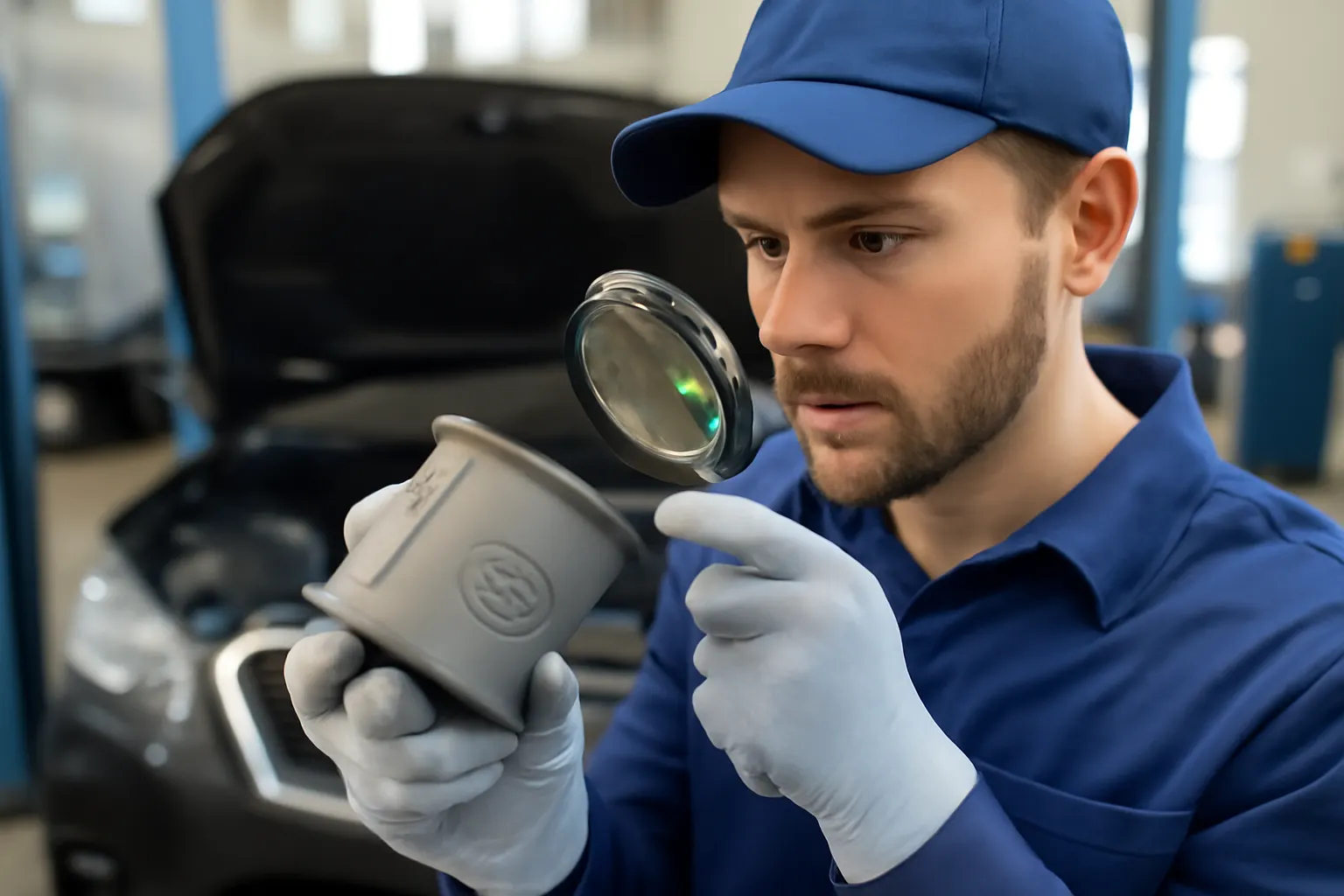
Spotting an authentic Subaru part starts with a careful visual inspection. Subaru and its authorized suppliers use several markings and packaging details to distinguish genuine parts:
Subaru Part Numbers and Labeling
- Official Subaru Part Number: Every genuine Subaru part carries a unique part number, typically in the format XXXXXXXX or XXXXX-XXXX. This number should match the official Subaru catalog.
- Holographic Security Labels: Many critical components (ECUs, airbags, sensors) feature tamper-evident holographic stickers or barcodes.
- Subaru Logo and Branding: The Subaru logo, “SUBARU” text, or “Fuji Heavy Industries” branding should be crisp, clear, and precisely printed.
Packaging Details
- Factory Packaging: Genuine parts are packaged in Subaru-branded boxes or bags, often with blue-and-white color schemes and official logos.
- Barcode and QR Codes: The box should include a scannable barcode or QR code that links to Subaru’s parts database or inventory system.
- Instruction Sheets: Many genuine parts include multi-language instruction sheets or warranty cards.
Physical Quality Markers
- Consistent Finish: Surface finishes (paint, plating, molding) are smooth, free of burrs, and consistent across batches.
- Material Quality: Genuine parts use high-grade materials that meet Subaru and SAE International standards [^5].
- Casting and Stamping: Look for clean, well-defined casting numbers or stampings, not rough or blurred marks.
Subaru Genuine Parts Checklist: What to Inspect
Use the following checklist when evaluating a Subaru part for authenticity:
| Inspection Point | What to Look For | Red Flags |
|---|---|---|
| Part Number | Matches Subaru catalog, clear font | Missing, smudged, or generic |
| Holographic Label | Present, secure, tamper-evident | Absent, peeling, low-res |
| Subaru Branding | Crisp logo, correct colors | Faded, off-color, misspelled |
| Packaging | Subaru-branded, intact, includes instructions | Plain box, no documentation |
| Material Quality | Feels solid, no rough edges, correct weight | Feels light, brittle, uneven |
| Casting/Stamping | Clear, sharp, matches part number | Blurry, inconsistent, missing |
| Seller Credentials | Authorized Subaru dealer or reputable supplier | Unknown, new, or unverified |
| Price | Matches market value | Suspiciously cheap |
The Technical Side: How Subaru Parts Are Engineered and Verified
Subaru’s genuine parts are designed using advanced materials and manufacturing processes, adhering to both in-house and global industry standards. Here’s what sets them apart:
- Material Selection: Subaru sources high-strength steels, engineered plastics, and advanced composites to meet strict performance and durability criteria [^3].
- Precision Engineering: Parts are designed using CAD/CAM systems for exact fitment with specific Subaru models.
- Testing and Certification: Components undergo rigorous testing for stress, fatigue, and environmental resilience, complying with NHTSA and SAE standards [^1][^5].
- Traceability: Each genuine part is traceable by batch, lot, and production date, enabling recalls or quality audits if necessary [^4].
By contrast, counterfeit or generic parts may use inferior materials, lack testing, and offer no traceability—introducing hidden risks to your Subaru.
Where Counterfeit Subaru Parts Commonly Appear
Certain Subaru components are more frequently targeted by counterfeiters due to their high demand or replacement frequency:
- Brake Pads and Rotors: Safety-critical and frequently replaced, making them prime targets.
- Filters (Oil, Air, Cabin): Easy to copy, but critical for engine health and fuel efficiency [^2].
- Sensors and Electronics: ECUs, MAF sensors, and ignition modules are often imitated with substandard internals.
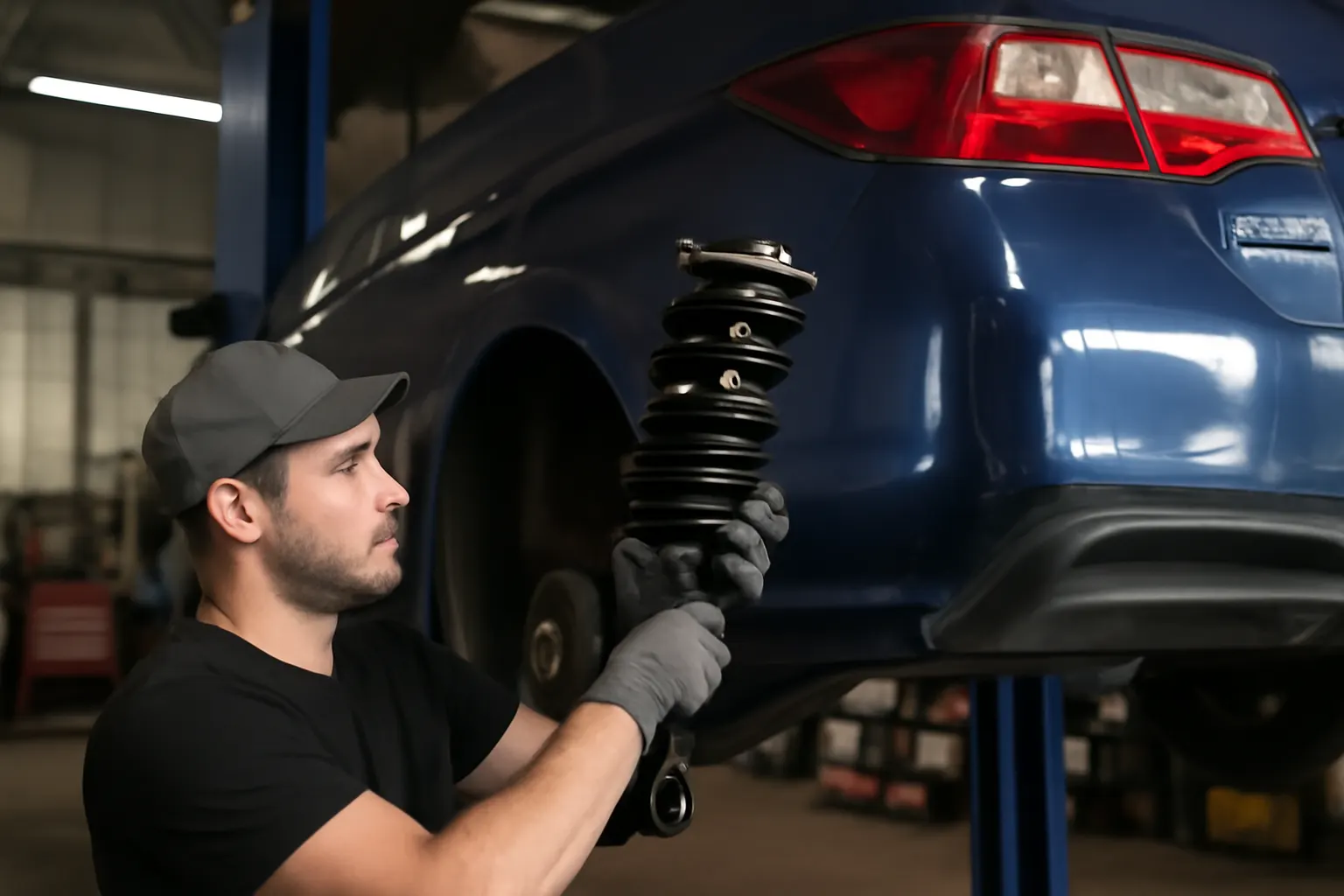
- Suspension and Steering Parts: Tie rods, bushings, and struts are commonly faked, risking alignment and handling.
- Body and Lighting Parts: Headlights, bumpers, and mirrors may appear genuine but lack proper fitment or crashworthiness.
When purchasing these parts, extra vigilance is required—especially if buying online or from non-authorized sources.
How to Verify Subaru Parts Before Purchase
Before committing to a purchase, especially from an online marketplace or third-party seller, take these steps:
1. Cross-Reference Part Numbers
Always verify the Subaru part number using the official Subaru parts catalog or a trusted database. If a seller cannot provide an official part number or it doesn’t match Subaru’s records, it’s a red flag.
2. Request Detailed Photos
Ask for high-resolution photos of the part, packaging, and labels. Compare these images to authentic Subaru parts from dealership websites or the Subaru OEM & Aftermarket Auto Parts: Expert Fitment, History & Technical Guidance | AutoPartEx page.
3. Check Seller Credentials
Buy only from authorized Subaru dealers, reputable auto parts retailers, or verified online marketplaces. Look for seller reviews, business history, and clear return policies.
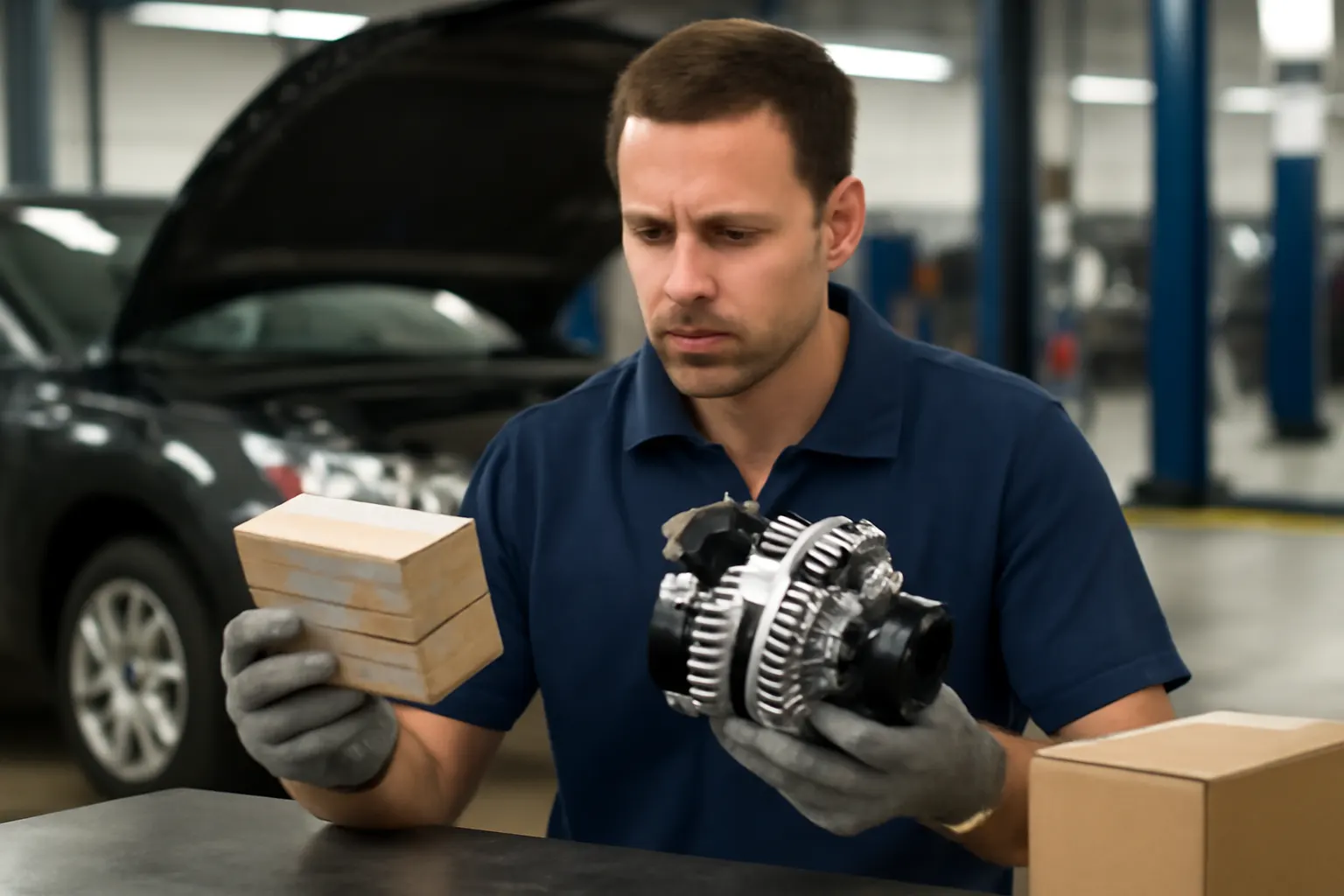
4. Inspect Upon Delivery
When the part arrives, inspect it immediately using the checklist above. If anything seems off—return the part and report the seller.
Installation Risks: What Happens If a Fake Part Is Used?
Installing a counterfeit or substandard part can have immediate and long-term consequences:
- Fitment Issues: The part may not seat correctly, leading to leaks, vibrations, or malfunction.
- System Failures: Sensors, ECUs, or safety-related parts may trigger warning lights or fail to operate, possibly disabling safety systems.
- Accelerated Wear: Poor material quality can cause premature failure, damaging adjacent components and increasing repair costs.
- Safety Compromises: Non-genuine brake components, airbags, or suspension parts can fail during emergency maneuvers, increasing accident risk 1.
Professional technicians often spot these issues during installation, but DIYers should be equally cautious. Always halt installation if you suspect a part is not genuine.
Maintenance and Replacement: Keeping Your Subaru Genuine
Routine maintenance is the best opportunity to ensure your Subaru remains equipped with genuine parts. Here’s how to make authenticity part of your maintenance routine:
- Scheduled Inspections: During oil changes, brake service, or timing belt replacement, inspect replaced parts for authenticity.
- Record Keeping: Save invoices, packaging, and part numbers for all parts installed—especially for safety or emissions components.
- Professional Service: Use certified Subaru service centers or trusted independent shops with a reputation for using genuine parts.
- Stay Informed: Follow Subaru’s recommended maintenance intervals and part replacement guidelines, as outlined in your owner’s manual and service bulletins.
For detailed maintenance procedures, see our Subaru Timing Belt Replacement Guide and Subaru CV Axle Service Procedures.
Sourcing Genuine Subaru Parts: Where and How to Buy
The safest sources for genuine Subaru parts are:
- Authorized Subaru Dealers: These retailers source parts directly from Subaru’s official distribution network, guaranteeing authenticity.
- Reputable Online Retailers: Established online parts suppliers with direct ties to Subaru or clear authenticity guarantees.
- Certified Service Centers: Many independent repair shops are authorized Subaru parts distributors.
- AutoPartEx Marketplace: Our platform rigorously vets suppliers and offers expert fitment support for Subaru owners.
Avoid deals that seem “too good to be true,” and be wary of sellers without verifiable business credentials or a track record of satisfied Subaru customers.
The Role of Standards and Regulations: NHTSA and SAE
Genuine Subaru parts are designed to comply with federal safety and performance standards:
- NHTSA Equipment Standards: Parts such as airbags, seat belts, brakes, and lighting must meet stringent safety regulations enforced by the National Highway Traffic Safety Administration 1.
- SAE International Standards: Subaru engineers design parts to meet or exceed SAE standards for materials, testing, and system integration 2.
- DOE Materials Guidance: For components affecting fuel efficiency or emissions, Subaru follows Department of Energy recommendations for advanced materials and light-weighting 34.
Counterfeit or non-genuine parts rarely meet these standards, potentially making your vehicle non-compliant with U.S. safety regulations.
What to Do If You Suspect a Counterfeit Subaru Part
If you believe you’ve purchased or installed a counterfeit part:
- Stop Using the Vehicle: For safety-critical components (brakes, airbags, suspension), discontinue use until the part is inspected.
- Contact the Seller: Request a return, refund, or official documentation proving authenticity.
- Report to Authorities: Notify Subaru of America, the National Highway Traffic Safety Administration (NHTSA), and the marketplace where the part was sold.
- Seek Inspection: Have a certified Subaru technician inspect the part and, if necessary, replace it with a verified genuine component.
Being proactive protects not only your Subaru but also the broader community by reducing the circulation of counterfeit parts.
Expert Action: AutoPartEx Guidance for Subaru Owners
At AutoPartEx, we combine decades of technical expertise with a rigorous supplier verification process to ensure Subaru owners receive only genuine, high-quality parts. Our fitment database, technical guides, and direct access to certified suppliers make it easy to keep your Subaru running at peak performance. Whether you’re seeking routine maintenance parts or tackling a major upgrade, trust AutoPartEx for reliable sourcing, technical advice, and detailed installation guides.
For further reading on Subaru upgrades and platform-specific advice, explore our Subaru Legacy Platform Upgrades and related content. For the full range of Subaru fitment data and expert history, return to our Subaru OEM & Aftermarket Auto Parts: Expert Fitment, History & Technical Guidance | AutoPartEx category page.
References
- Vehicle Safety and Equipment – National Highway Traffic Safety Administration
- Fuel Efficiency – United States Department of Energy
- Materials Technologies – United States Department of Energy
- Vehicle, Car Seat, Tire, and Equipment Recalls – National Highway Traffic Safety Administration
- SAE Standards – SAE International