Advertisement
Studebaker Suspension Service: Common Issues & Solutions
Studebaker enthusiasts know that a smooth ride and precise handling are essential to preserving the classic driving experience. When your Studebaker’s suspension starts to show its age—whether through excessive bounce, uneven tire wear, or poor handling—prompt attention can make the difference between a safe, enjoyable journey and a costly restoration setback. This guide from AutoPartEx delivers immediate, actionable advice for diagnosing, servicing, and sourcing parts for Studebaker suspension systems, ensuring your classic remains both roadworthy and authentic.
For those seeking a comprehensive range of authentic components, restoration solutions, and technical guidance, our Studebaker Auto Parts: Authentic Components, Restoration Solutions, and Technical Guidance | AutoPartEx hub is an essential resource.
Immediate Answer: How to Address Studebaker Suspension Issues
If your Studebaker exhibits clunking noises, excessive body roll, or abnormal tire wear, the most likely culprits are worn bushings, deteriorated ball joints, fatigued springs, or leaking shock absorbers. Immediate inspection and replacement of these components are recommended to restore handling and safety. Sourcing high-quality, period-correct parts and following proven diagnostic protocols are vital for both performance and preservation of value.
Hidden Problem: The Overlooked Complexity of Studebaker Suspension
While many classic car owners focus on engine or body restoration, the suspension system’s complexity and its impact on safety are often underestimated. Studebaker models—ranging from the Champion to the Avanti—feature distinctive suspension geometries and materials that can conceal wear until it becomes a serious risk. Furthermore, sourcing authentic or compatible parts presents unique challenges due to the brand’s discontinuation and evolving aftermarket support.
Problem Expansion: Why Studebaker Suspension Demands Special Attention
Unique Engineering and Aging Materials
Unlike many mass-produced vehicles, Studebaker’s suspension systems were engineered for a blend of comfort and durability, often utilizing forged steel control arms, coil or leaf springs, and proprietary bushings. Over decades, rubber bushings harden and crack, steel components corrode, and lubrication points dry out. This degradation is rarely uniform, leading to subtle imbalances that can compromise both ride quality and safety.
Safety and Regulatory Concerns
The National Highway Traffic Safety Administration (NHTSA) emphasizes that suspension integrity is directly tied to vehicle safety, affecting braking, steering, and overall control [^1]. Classic vehicles like Studebakers, which predate modern safety standards, are especially vulnerable to suspension-related hazards if neglected.
Part Sourcing and Authenticity
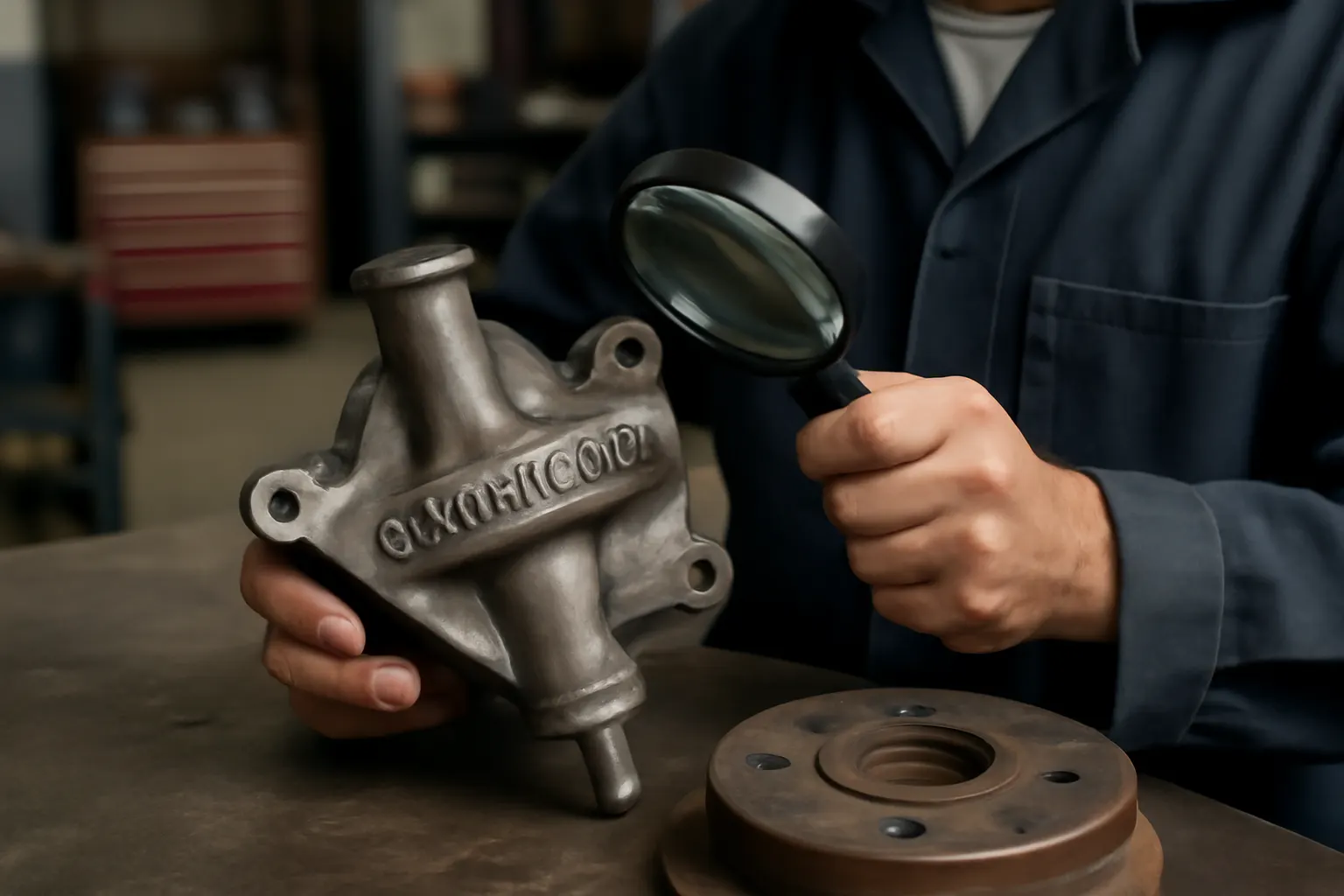
Finding correct-fit, authentic parts is not just a matter of aesthetics—it’s essential for maintaining the engineered geometry and performance characteristics of your Studebaker. Using incorrect or poorly made replacements can lead to accelerated wear, compromised alignment, and diminished collector value. For guidance on authenticity, see our editorial on How to Identify Authentic Studebaker Parts.
Common Studebaker Suspension Issues: A Model-by-Model Overview
Champion, Commander, and Lark
- Upper and Lower Control Arm Bushings: Prone to dry rot and collapse, leading to wandering steering and uneven tire wear.
- Kingpins and Ball Joints: Excessive play causes clunking noises and erratic handling.
- Coil Springs: Sagging or broken coils reduce ride height and increase body roll.
Hawk and Avanti
- Trailing Arm and Torque Arm Bushings: Advanced designs but susceptible to rapid bushing deterioration.
- Leaf Springs (Hawk): Cracked or fatigued leaves result in rear-end instability.
- Front Sway Bar Links: Frequently overlooked, but worn links degrade cornering stability.
All Models
- Shock Absorbers: Leaking or seized shocks are common, leading to excessive bounce and poor road holding.
- Steering Linkages: Worn tie rods and idler arms affect both alignment and steering response.
Diagnostic Techniques for Studebaker Suspension
Visual Inspection Checklist
Perform a thorough visual and physical inspection at least annually or every 5,000 miles:
| Component | What to Look For | Diagnostic Method |
|---|---|---|
| Control Arm Bushings | Cracks, splits, excessive movement | Pry bar test, visual check |
| Ball Joints/Kingpins | Excessive play, torn boots | Wheel shake test, inspection |
| Coil/Leaf Springs | Sagging, broken leaves, rust | Ride height measure, visual |
| Shock Absorbers | Oil leaks, dented bodies, weak rebound | Bounce test, visual |
| Tie Rods/Idler Arms | Looseness, cracked boots | Steering play test |
| Sway Bar Links | Worn bushings, missing hardware | Physical movement check |
Advertisement
Hands-On Diagnostic Tips
- Bounce Test: Push down firmly on each corner of the vehicle—if it bounces more than twice, shocks are likely worn.
- Steering Play: With the engine off, gently rock the steering wheel; excessive free play may indicate tie rod or idler arm wear.
- Ride Height Measurement: Compare ride height to factory specifications using a tape measure from the wheel center to fender lip.
Deeper Technical Explanation: Suspension Wear Patterns and Causes
Material Aging and Fatigue
According to the United States Department of Energy, vehicle materials—including steel, aluminum, and rubber—undergo fatigue and environmental degradation over time, which affects both performance and safety [^3]. Rubber bushings oxidize and lose elasticity, steel springs can develop microcracks, and lubricants evaporate, accelerating wear on metal-on-metal contact points.
Engineering Tolerances and Alignment
Studebaker’s suspension geometry was designed with precise tolerances. When bushings or ball joints wear, these tolerances are lost, leading to misalignment. Misalignment increases tire wear, reduces fuel efficiency, and puts additional stress on suspension components [^2].
Impact on Braking and Handling
Worn suspension diminishes a vehicle’s ability to maintain tire contact with the road during braking and cornering. The NHTSA underscores that compromised suspension increases braking distances and the risk of loss of control in emergency maneuvers [^1].
Solution Path: Step-by-Step Suspension Restoration and Maintenance
1. Comprehensive Inspection
Begin with the visual and hands-on diagnostic checklist above. Document any irregularities, focusing on play, noise, and visible damage.
2. Prioritize Safety-Critical Repairs
Address components that directly impact safety first—typically ball joints, kingpins, and shock absorbers. These are most likely to cause hazardous handling if neglected.
3. Source Authentic or Compatible Parts
- OEM vs. Aftermarket: Whenever possible, source original equipment manufacturer (OEM) or high-quality reproduction parts. Avoid generic “one-size-fits-all” bushings or shocks.
- Specialist Suppliers: Use trusted vendors with a reputation for Studebaker expertise. Our Studebaker Auto Parts page offers a curated selection.
- Cross-Reference Part Numbers: Many Studebaker suspension parts were shared with other models or suppliers—use cross-reference guides to broaden sourcing options.
4. Professional Installation and Alignment
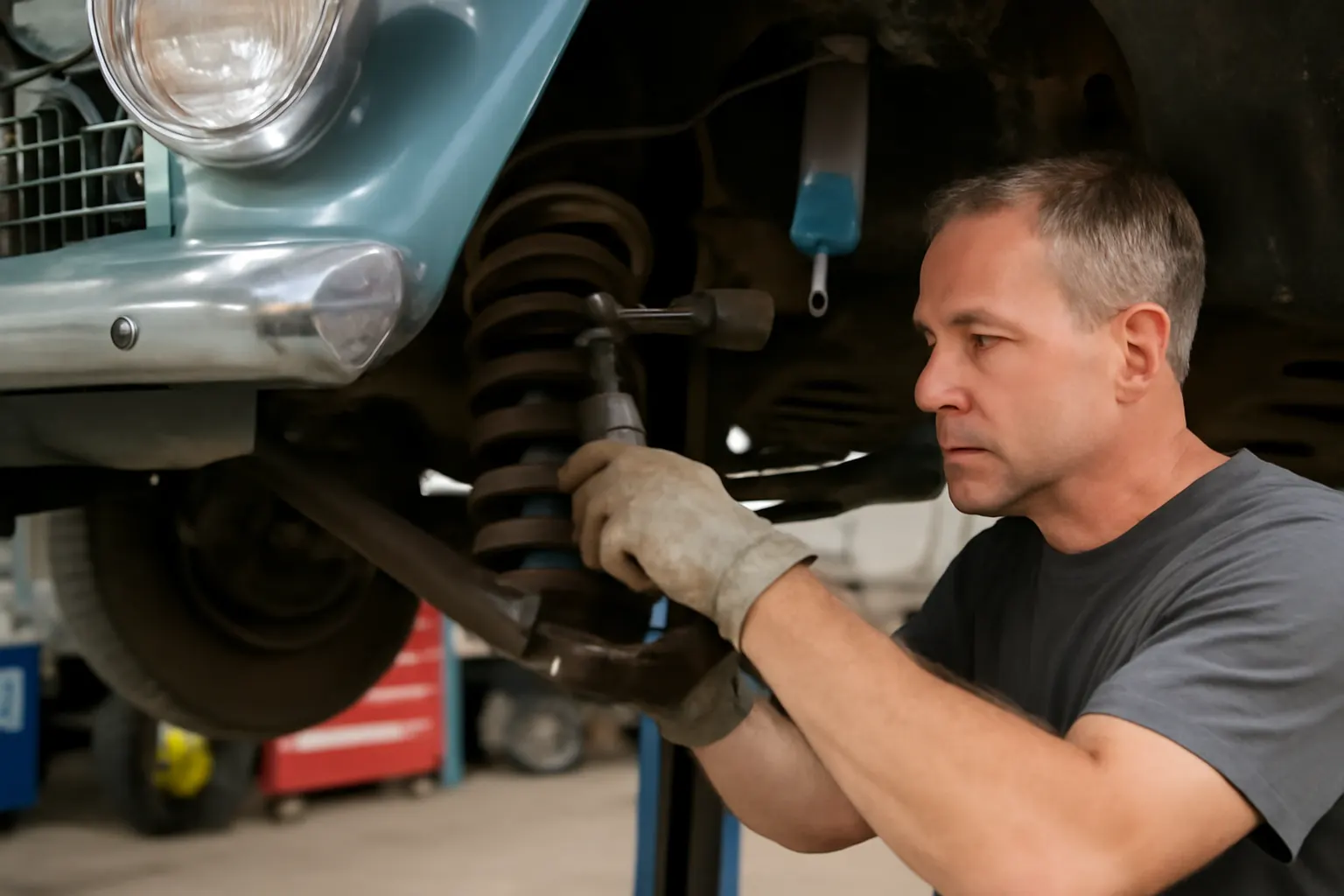
Suspension work often requires specialized tools—such as spring compressors and ball joint presses—and precise torque specifications. For best results, partner with a mechanic experienced in classic Studebaker restorations.
5. Post-Repair Road Test
After installation, conduct a slow-speed road test, listening for new noises and checking for straight-line stability. Re-check torque and alignment after 100 miles.
Maintenance Strategies: Keeping Your Studebaker Suspension Roadworthy
Preventive Maintenance Schedule
- Every 3,000 miles: Inspect bushings, shocks, and steering linkages.
- Every 12 months: Check for rust and corrosion on all suspension hardware.
- Every 24 months: Lubricate all grease fittings (kingpins, ball joints, etc.) if applicable.
- After any major pothole or impact: Re-inspect for bent or damaged components.
Lubrication and Protection
- Use high-quality chassis grease for all fittings.
- Apply rust-inhibiting coatings to springs and control arms, especially in humid or salted environments.
Tire and Alignment Care
- Rotate tires regularly to prevent uneven wear.
- Have alignment checked after suspension work or if abnormal tire wear is observed.
Sourcing Studebaker Suspension Parts: Authenticity and Fitment
Challenges in the Modern Marketplace
Given Studebaker’s discontinuation in the 1960s, many original parts are no longer produced. However, reputable restoration suppliers and enthusiast networks have kept a supply of NOS (new old stock), rebuilt, and reproduction parts available.
Checklist: What to Verify Before Purchase
- Part Number Accuracy: Confirm the part number matches your specific model and year.
- Material Quality: Look for period-correct materials (e.g., forged steel, natural rubber).
- Supplier Reputation: Choose vendors with documented expertise in Studebaker restorations.
- Return Policy: Ensure the supplier offers returns in case of fitment issues.
Advertisement
Avoiding Common Pitfalls
- Universal Fit Parts: These often lack the correct dimensions or durometer for Studebaker applications.
- Unverified Reproductions: Poorly made bushings or ball joints can degrade rapidly and compromise safety.
- Mismatched Springs: Using incorrect spring rates can alter ride height and handling.
Installation Guidance: Best Practices for Studebaker Suspension Work
Tools and Equipment Needed
- Spring compressor (for coil spring models)
- Ball joint press or separator
- Torque wrench (with factory settings)
- Grease gun (for kingpins and bushings)
- Jack stands and wheel chocks
Step-by-Step Installation Tips
- Secure the Vehicle: Always use jack stands and chock wheels before lifting.
- Label and Photograph: Document removal steps for reference during reassembly.
- Inspect Mounting Points: Clean and check for cracks or elongation in mounting holes.
- Use Correct Torque: Overtightening can crush bushings; undertightening can cause movement and noise.
- Preload Bushings: Tighten suspension bushings only with the vehicle’s weight on the suspension to prevent premature wear.
- Double-Check Alignment: After installation, have a professional alignment performed.
Diagnostic Checklist: Is Your Studebaker Suspension at Risk?
Use this quick-reference checklist to identify potential suspension concerns:
- Vehicle pulls to one side during driving or braking
- Noticeable clunking or squeaking from undercarriage
- Excessive bounce after hitting bumps
- Steering feels loose or imprecise
- Uneven or rapid tire wear
- Visible cracks or leaks in bushings and shocks
- Reduced ground clearance or sagging at one corner
If you check any of the above, prompt inspection and repair are recommended.
The Role of Materials and Engineering in Studebaker Suspension Longevity
Legacy Materials
The Department of Energy highlights that classic vehicle suspensions rely on steel alloys and natural rubber, both of which degrade with exposure to heat, moisture, and ozone 1. Modern replacement parts may use improved materials, but compatibility with original geometry is essential.
Engineering Standards
SAE International sets standards for automotive suspension design and testing, but many Studebaker components predate these guidelines. Thus, careful selection and, where possible, upgrading to components that meet or exceed modern standards can enhance safety without sacrificing authenticity.
Fuel Efficiency and Suspension Condition
A well-maintained suspension not only preserves ride quality but also contributes to fuel efficiency. The Department of Energy notes that misaligned suspension or uneven tire wear increases rolling resistance, reducing miles per gallon 2. For owners who regularly drive their Studebakers, maintaining suspension integrity is a practical way to optimize both performance and operating costs.
When to Seek Professional Help
While many Studebaker suspension tasks are manageable for experienced DIYers, certain repairs—such as spring replacement, kingpin installation, or full alignment—are best left to professionals with access to specialized tools and alignment equipment. Incorrect installation can lead to dangerous handling or rapid component failure.
AutoPartEx: Your Partner in Studebaker Suspension Service
At AutoPartEx, we understand the unique challenges Studebaker owners face in preserving suspension performance and authenticity. Our curated selection of authentic components, technical guidance, and restoration planning resources—including our Studebaker Restoration Planning Essentials—empower you to make informed decisions for your classic. Whether you’re sourcing a rare control arm, seeking advice on period-correct bushings, or planning a full suspension overhaul, our expertise helps keep your Studebaker on the road and true to its heritage.
For those tackling brake system restoration in tandem with suspension work, our Studebaker Brake System Restoration Guide provides model-specific advice and sourcing tips.
Conclusion: Safeguarding Your Studebaker’s Ride and Value
Suspension integrity is the foundation of both safety and enjoyment in any classic Studebaker. By understanding common wear patterns, applying proven diagnostic techniques, and sourcing quality components, you safeguard not only your vehicle’s roadworthiness but also its collector value. Regular maintenance, careful part selection, and adherence to authentic restoration practices ensure your Studebaker delivers the ride and handling its engineers intended for decades to come.
References
- Vehicle Safety and Equipment – National Highway Traffic Safety Administration
- Fuel Efficiency – United States Department of Energy
- Materials Technologies – United States Department of Energy
Footnotes
Advertisement