Advertisement
Authenticating Studebaker parts is essential for any restoration, preservation, or maintenance project involving these classic vehicles. Genuine Studebaker components not only preserve the integrity and value of your car but also ensure compatibility, safety, and reliable performance. Whether you’re sourcing brake components, body trim, engine hardware, or suspension pieces, knowing how to distinguish factory-original parts from reproductions or counterfeits is a core skill for any dedicated Studebaker enthusiast or restorer.
This comprehensive guide from the AutoPartEx Technical Editorial Team provides immediate, actionable cues for identifying authentic Studebaker parts, exposes the hidden pitfalls of misidentification, and offers in-depth technical explanations with advanced diagnostic and sourcing strategies. If you’re new to Studebaker restoration or a seasoned collector, this article will help you avoid costly mistakes and confidently source, verify, and install genuine components. For a broader overview of available options and restoration solutions, see our Studebaker Auto Parts: Authentic Components, Restoration Solutions, and Technical Guidance | AutoPartEx category page.
Immediate Identification: Key Visual and Technical Cues
The fastest way to spot authentic Studebaker parts is to look for the following characteristics:
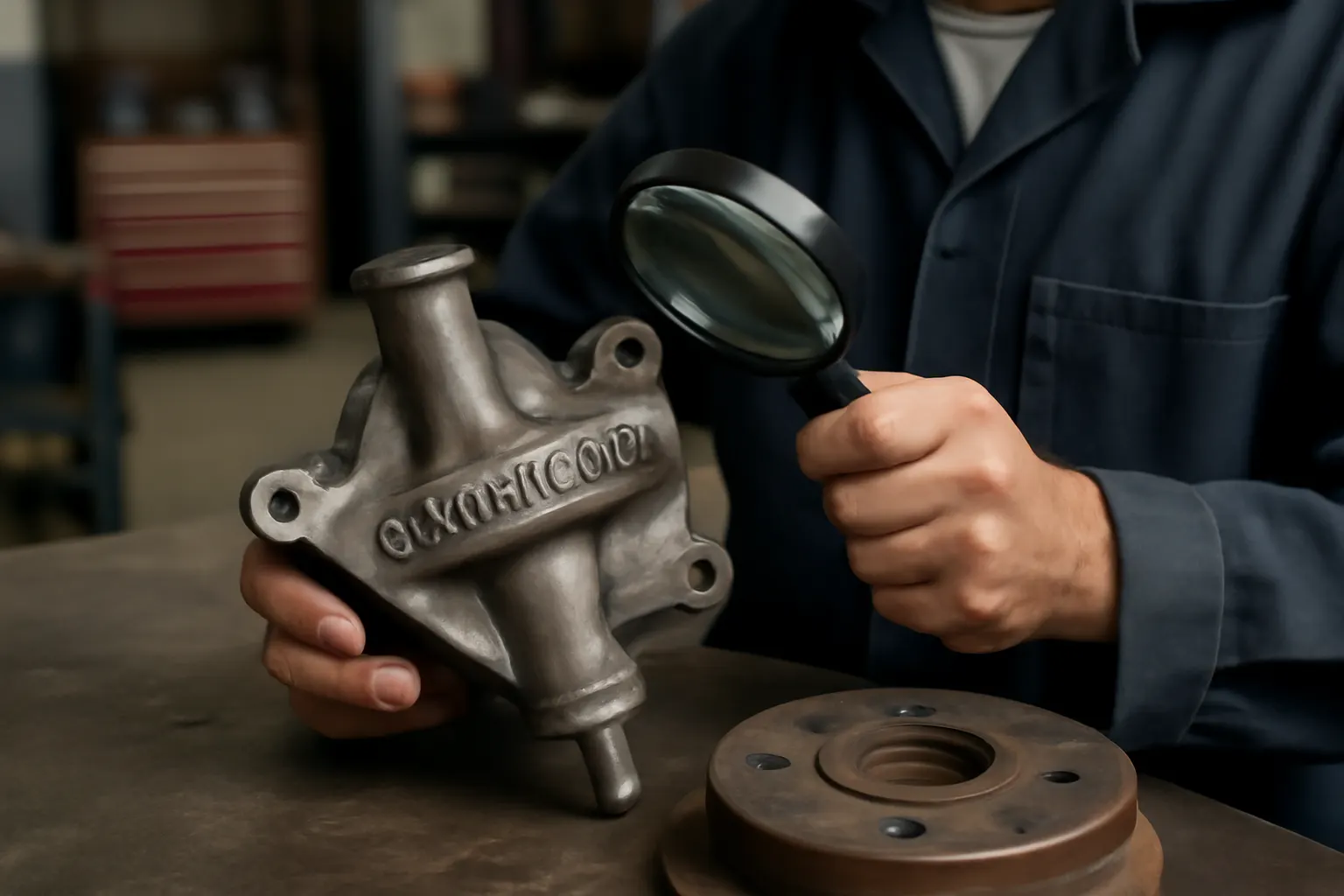
- Part Numbers and Casting Marks: Original Studebaker components almost always feature factory-engraved or cast part numbers. These numbers match entries in period-correct Studebaker parts catalogs and technical manuals.
- Material Quality and Finish: Genuine parts use period-specific alloys, stamping methods, and finishes. For example, original fasteners often have unique finishes such as cadmium plating or phosphate coating, which differ from modern zinc or chrome reproductions.
- Manufacturer’s Logo or Branding: Many Studebaker parts—especially after 1940—carry the Studebaker “S” logo, or the full stylized name, in cast, stamped, or embossed form.
- Machining and Casting Details: Authentic parts display consistent machining patterns, seam lines, and casting textures typical of mid-century American manufacturing.
- Packaging and Documentation: NOS (New Old Stock) parts are sometimes available in original Studebaker-branded packaging, with period-correct labeling and sometimes factory instruction sheets.
A quick checklist for initial inspection:
| Feature | Authentic Studebaker Part | Reproduction or Counterfeit |
|---|---|---|
| Factory part number | Present, correct format | Often missing or incorrect |
| Studebaker logo/branding | Present (varies by year) | Usually missing |
| Material/finish | Period-correct | Modern or generic |
| Casting/machining marks | Consistent, high quality | Inconsistent, rough |
| Original packaging | Occasionally available | Modern or generic |
Hidden Problem: The Risks of Misidentification
The classic car parts market is rife with reproductions, “NOS” claims, and even outright counterfeits. Misidentifying a part can have serious consequences:
- Safety Hazards: Non-authentic components, especially in critical systems like brakes or suspension, may not meet original engineering standards, risking failure or poor performance.
- Restoration Value Loss: Using reproduction or incorrect parts can diminish the value and historical integrity of your Studebaker, especially for concours-level restorations.
- Fitment Issues: Many reproduction parts are dimensionally incorrect or made from unsuitable materials, leading to installation headaches, premature wear, or even system incompatibility.
- Compliance and Standards: Non-original parts may not comply with safety or materials standards established by organizations such as the NHTSA or SAE, which can affect both safety and legal compliance (NHTSA Equipment, SAE Standards).
Expanding the Problem: Why Counterfeits and Reproductions Persist
There are several reasons why counterfeit and reproduction Studebaker parts continue to circulate:
- Limited Original Supply: Studebaker ceased production in the 1960s, so genuine parts are increasingly rare.
- Growing Collector Demand: As interest in classic Studebakers rises, so does the demand for parts—encouraging unscrupulous sellers to pass off reproductions as originals.
- Inconsistent Documentation: Many Studebaker parts were produced under contract by multiple suppliers, leading to variations in markings and finishes that can confuse even experienced buyers.
- Online Marketplaces: The rise of online auctions and classifieds has made it easier for non-authentic parts to be misrepresented.
Understanding these market dynamics is crucial for anyone sourcing parts for a restoration, daily driver, or show car.
In-Depth Technical Markers of Authenticity
To move beyond visual inspection, consider these deeper technical cues:
Advertisement
1. Part Numbers and Engineering Codes
Studebaker part numbers typically follow a numeric or alphanumeric format, often cast, stamped, or engraved directly into the component. Cross-reference these numbers with period-correct parts catalogs or the Studebaker National Museum archives. Beware of parts with modern font engraving, laser-etched numbers, or those lacking any identifier.
2. Material Science and Metallurgy
Original Studebaker parts were manufactured with mid-century steel, iron, brass, or specific composites. Modern reproductions may substitute lighter alloys or plastics for cost reasons. Familiarize yourself with the weight, density, and magnetic properties of authentic components (DOE Materials Technologies).
3. Machining and Casting Quality
Inspect for period-appropriate casting seams, machine marks, and surface textures. For example, original cast iron brake drums or engine parts will display subtle irregularities and a certain heft not easily replicated by modern sandcasting or CNC machining (Studebaker Brake Components).
4. Fastener and Hardware Identification
Studebaker used specific thread pitches, head markings, and finishes. Compare fasteners to original assembly diagrams and technical bulletins. SAE and NHTSA standards can also help verify hardware authenticity (SAE Standards, NHTSA Equipment).
Original vs. Reproduction: Practical Side-by-Side Examples
Let’s break down several common Studebaker parts and the differences between original and reproduction or counterfeit versions:
Brake Drums
- Original: Heavy, cast iron with clear part number cast into the hub, period-correct finish, subtle casting seams.
- Reproduction: Lighter, sometimes made from aluminum or modern alloys, no casting number or incorrect font, overly smooth or glossy finish.
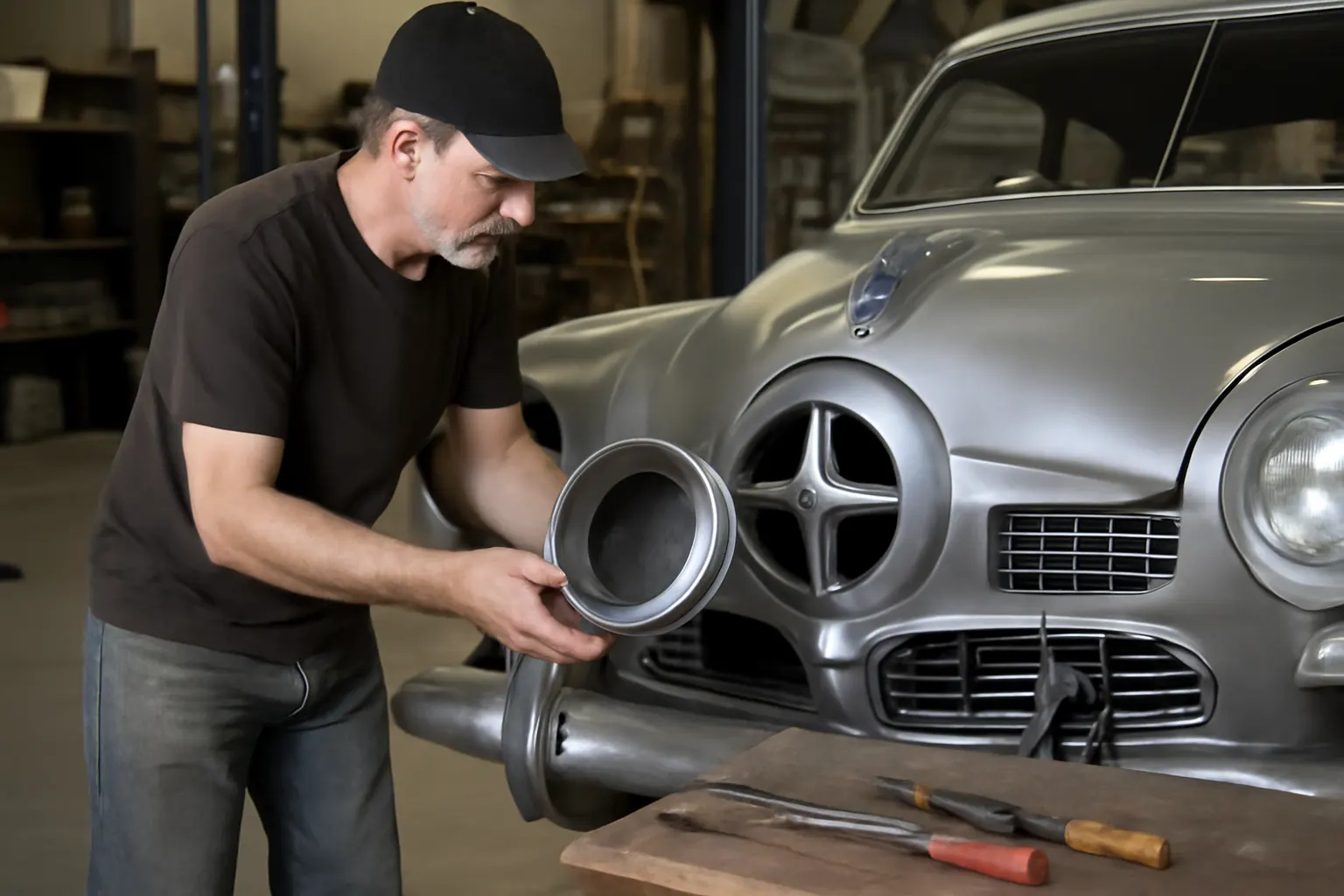
Emblems and Trim
- Original: Crisp, detailed casting or stamping, correct font and logo, often with aged patina.
- Reproduction: Softer details, modern adhesives, incorrect color or size, lack of authentic aging.
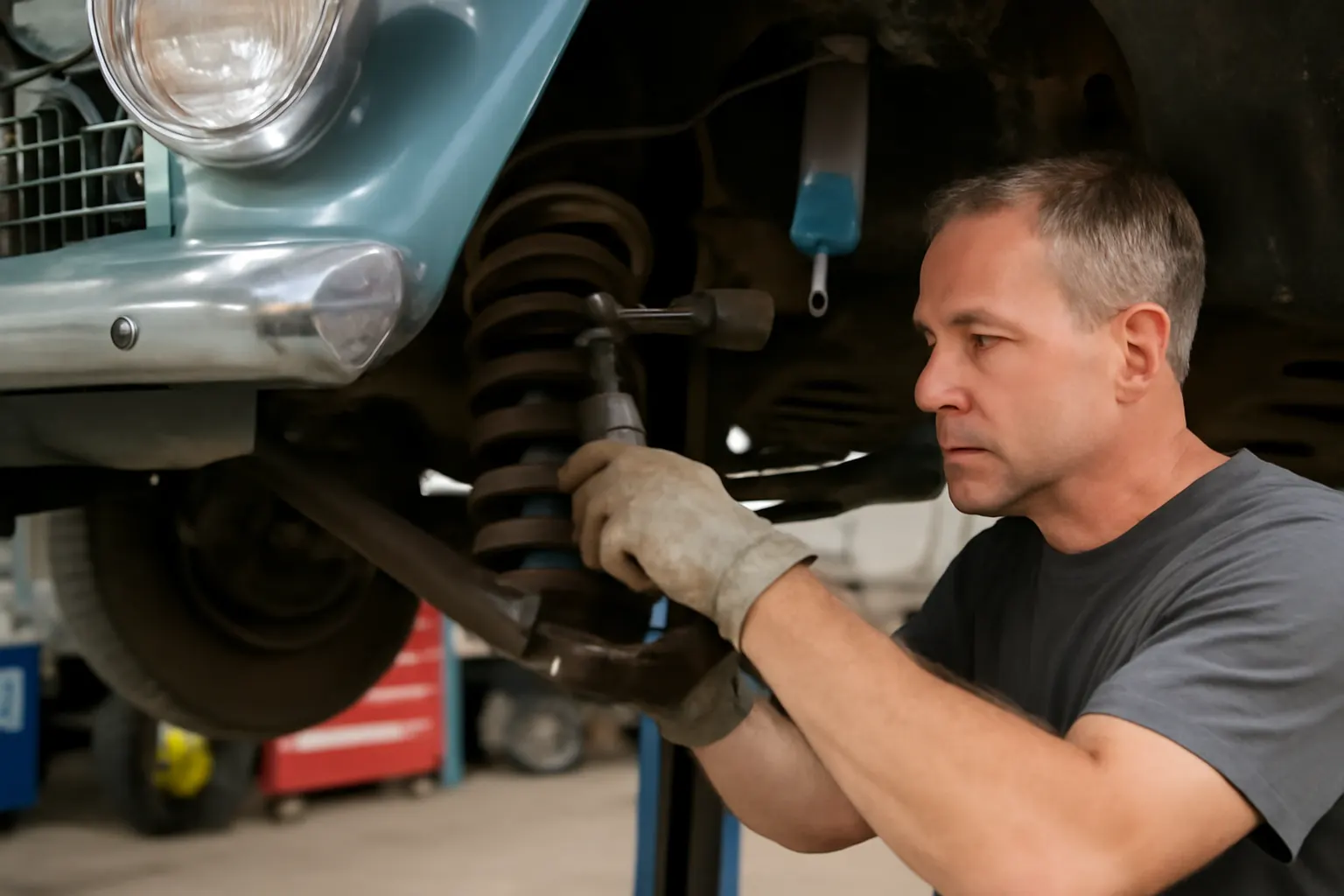
Suspension Bushings
- Original: Natural rubber or period-correct synthetic compounds, manufacturer marking.
- Reproduction: Modern polyurethane or generic rubber, no markings, different durometer (hardness).
Fasteners
- Original: SAE thread, specific head markings, period plating (cadmium, phosphate).
- Reproduction: Metric thread, generic or unmarked heads, modern zinc plating.
Diagnostic Checklist: Authenticating a Studebaker Part
Use this detailed checklist each time you evaluate a Studebaker part for authenticity:
-
Part Number Inspection
- Is the part number present, and does it match original Studebaker documentation?
- Is the format consistent with known Studebaker numbering?
-
Logo and Branding
- Is there a Studebaker logo, “S” mark, or other branding in the correct location and style?
-
Material and Weight
- Does the part feel as heavy or dense as known originals?
- Is the finish (paint, plating, or coating) consistent with period standards?
-
Machining/Casting Details
- Are the casting seams, machining marks, and surface textures period-correct?
- Are there irregularities consistent with 1940s–1960s mass production?
-
Hardware and Fasteners
- Are the included fasteners correct for the era (thread pitch, head type, finish)?
-
Packaging and Documentation
- Is there original packaging, labeling, or instruction sheet?
- Does the packaging have correct Studebaker branding and period graphics?
-
Provenance
- Can the seller provide a history or source for the part?
- Is the part NOS from a known dealer or warehouse?
Cross-Referencing with Parts Catalogs and Technical Manuals
Studebaker produced detailed parts catalogs and technical bulletins for each model year. These resources are invaluable for authenticating parts. Steps to cross-reference:
- Obtain Model-Specific Catalogs: Use catalogs matched to your vehicle’s year and model. These list every part number, description, and sometimes include illustrations.
- Compare Part Numbers: Match the number on your part to the catalog entry. Beware of superseded numbers—Studebaker occasionally updated part numbers as components evolved.
- Study Illustrations: Factory diagrams often reveal subtle shape or mounting differences that reproductions may not replicate.
- Consult Technical Bulletins: Studebaker issued service and engineering bulletins detailing part revisions, which can clarify mid-year changes or running production updates.
Sourcing Authentic Studebaker Parts: Trusted Channels
Given the prevalence of reproductions and counterfeits, sourcing from reputable vendors is critical:
Advertisement
- Studebaker Specialist Dealers: These businesses often have access to NOS inventories and understand the nuances of authenticity.
- National and Regional Studebaker Clubs: Club members may have NOS stock or can refer you to trusted sources.
- AutoPartEx Verified Listings: Our marketplace emphasizes transparency, requiring clear part numbers, high-resolution photos, and provenance information.
- Swap Meets and Shows: In-person inspection allows you to apply your diagnostic checklist directly.
- Documentation Requests: Always ask sellers for additional photos, packaging shots, or provenance paperwork before purchase.
Avoid generic online auctions or sellers who cannot provide clear, detailed photos and part numbers.
Installation and Fitment Considerations
Even with authentic parts, installation requires care:
- Test Fit Before Final Installation: Many NOS parts have been in storage for decades and may require cleaning or minor adjustment to fit perfectly.
- Preserve Original Hardware: Where possible, reuse original fasteners and hardware to maintain authenticity.
- Follow Factory Procedures: Use Studebaker service manuals for torque specs, installation order, and adjustment procedures.
- Inspect for Age-Related Deterioration: Rubber, seals, and gaskets in NOS parts may have degraded—replace with period-correct material when necessary.
- Compatibility Checks: Ensure the part matches your vehicle’s production date, as mid-year changes are common.
For system-specific installation guidance, see our Studebaker Brake System Restoration Guide and Studebaker Suspension Service: Common Issues & Solutions.
Maintenance of Authentic Studebaker Parts
Once installed, maintaining genuine Studebaker parts is essential for longevity:
- Use Compatible Fluids and Lubricants: Modern fluids may not be compatible with period seals and metals—consult Studebaker manuals or club experts.
- Routine Inspection: Regularly inspect for signs of corrosion, fatigue, or wear, especially in suspension and brake components.
- Gentle Cleaning: Use non-abrasive cleaners to preserve original finishes and markings.
- Document Everything: Keep detailed records of part numbers, installation dates, and maintenance actions for future reference and provenance.
Avoiding Common Pitfalls: Lessons from the Field
Experienced Studebaker restorers report these common mistakes:
- Assuming NOS Means Authentic: Some “NOS” parts are actually old reproductions or mislabeled components. Always verify markings and provenance.
- Overlooking Subtle Differences: Reproduction parts sometimes differ by a few millimeters—enough to cause fitment or performance issues.
- Ignoring Technical Bulletins: Factory updates can make a later part incompatible with an earlier model, despite similar appearance.
- Misinterpreting Patina: Surface rust or age alone does not guarantee authenticity—counterfeiters sometimes artificially age parts.
Advanced Authentication: Metallurgical and Laboratory Analysis
For high-value restorations or concours competition, advanced analysis may be warranted:
- Spectrographic Analysis: Determines alloy composition—helpful for verifying original steel or brass formulas.
- Microscopic Examination: Reveals machining and casting techniques unique to mid-century manufacturing.
- X-Ray Fluorescence (XRF): Non-destructive testing for material verification.
- Third-Party Authentication: Some professional services specialize in authenticating classic car parts.
While not necessary for every part, these methods are invaluable for rare or high-value components.
The Role of AutoPartEx in Authentic Studebaker Parts Sourcing
AutoPartEx is committed to supporting the Studebaker community by:
- Curating Verified Listings: We require clear part numbers, high-resolution images, and provenance details for all Studebaker parts.
- Technical Guidance: Our editorial team publishes detailed guides and checklists to empower buyers.
- Community Engagement: We partner with Studebaker clubs and restoration experts to ensure our information and inventory are up-to-date.
- Educational Resources: Explore our Studebaker Auto Parts: Authentic Components, Restoration Solutions, and Technical Guidance | AutoPartEx page for more resources, or plan your next project with Studebaker Restoration Planning Essentials.
Expert Action: Your Next Steps
- Acquire Reference Materials: Obtain factory parts catalogs and technical bulletins for your specific Studebaker model and year.
- Develop an Inspection Routine: Use our diagnostic checklist for every purchase and installation.
- Network with Experts: Join Studebaker clubs and online forums to share experiences and verify parts.
- Source from Verified Channels: Rely on trusted vendors and platforms like AutoPartEx for peace of mind.
- Document and Preserve: Keep meticulous records of every part sourced and installed—future owners and restorers will thank you.
By mastering these identification techniques and sourcing strategies, you’ll safeguard your Studebaker’s authenticity, value, and performance for years to come.
References
Advertisement