Advertisement
Restoring a Studebaker to its former glory hinges on one critical factor: sourcing authentic, high-quality parts that match the original specifications. Whether you’re revitalizing a classic Commander, Hawk, or Avanti, the success of your restoration—mechanical reliability, safety, and collector value—depends on finding the right components and understanding the pitfalls of the process. In this guide, we’ll walk you through the proven steps, hidden challenges, and technical considerations of sourcing genuine Studebaker parts, with practical checklists and direct advice for every stage. For a comprehensive overview of available parts and restoration guidance, also see our Studebaker Auto Parts: Authentic OEM & Restoration Guide | AutoPartEx.io.
The Immediate Answer: Where to Source Genuine Studebaker Parts
The fastest path to a successful Studebaker restoration is to source parts from reputable suppliers specializing in classic vehicles, particularly those with a focus on Studebaker models. This includes:
- OEM (Original Equipment Manufacturer) Parts: These are parts produced by the original manufacturers or under their license. They offer the best fit, finish, and compatibility for restoration projects.
- NOS (New Old Stock) Parts: Genuine parts produced during the original production run but never used. These are prized for their authenticity.
- Quality Reproduction Parts: When OEM or NOS parts are unavailable, high-quality reproductions built to original specifications are the next best option.
Specialty suppliers, classic car shows, online auction platforms, and enthusiast forums are all viable sources. However, not all parts labeled as “authentic” meet the standards required for safety and long-term reliability. Understanding the nuances of sourcing is essential to avoid costly mistakes.
Hidden Problems: The Risks of Inauthentic or Poor-Quality Parts
While tracking down Studebaker parts may seem straightforward, many restorers encounter significant issues that can derail a project:
- Counterfeit or Poorly Made Reproductions: Some parts marketed as “genuine” are actually low-quality reproductions, often made with inferior materials or outdated processes.
- Fitment Issues: Even parts that look correct may not fit or function as intended, leading to installation headaches or safety concerns.
- Safety and Compliance Risks: Parts that don’t meet modern standards can compromise vehicle safety—especially brakes, suspension, and steering components. The National Highway Traffic Safety Administration (NHTSA) emphasizes the importance of proper equipment for vehicle safety.
- Obsolete or Discontinued Items: Some vital components are no longer manufactured, making it tempting to settle for subpar alternatives.
Recognizing these risks early is critical. Otherwise, you may invest time and money into parts that undermine your restoration’s integrity or, worse, create safety hazards.
Digging Deeper: Understanding Studebaker Part Authenticity
Authenticity in classic car restoration means more than just appearance—it’s about correct materials, dimensions, and engineering. For Studebaker vehicles, this is particularly important due to:
- Model-Specific Variations: Studebaker produced a wide range of models and trim levels, with subtle differences in components.
- Material Technologies: The U.S. Department of Energy highlights how original materials influence weight, performance, and durability. Substituting the wrong material can impact these characteristics.
- Interchangeability: Some Studebaker parts cross-fit between models or years, but others are unique. Incorrect assumptions here can lead to costly errors.
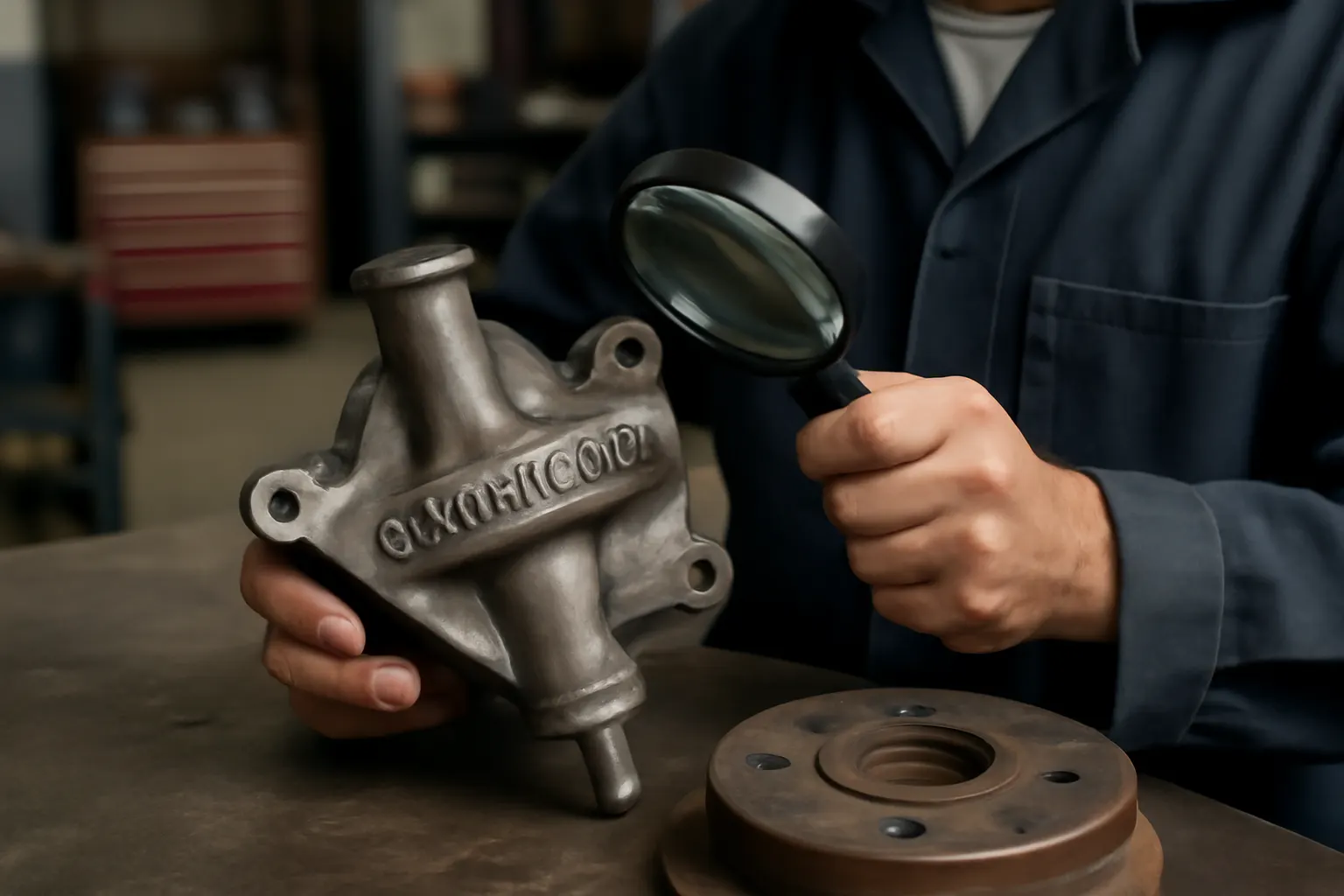
To ensure authenticity, restorers must verify part numbers, production dates, and material specifications. This often requires access to original service manuals, parts catalogs, and technical bulletins.
The Challenge of Obsolete Parts: Strategies for Hard-to-Find Components
Many Studebaker parts—especially for rarer models or early production years—are simply no longer available as NOS or OEM. This creates several challenges:
- Scarcity Drives Up Prices: Limited availability often means higher costs and increased competition among restorers.
- Quality Control: With fewer sources, it can be harder to verify the provenance and condition of parts.
- Reproduction vs. Original: Deciding when to use a reproduction part versus holding out for an original is a constant balancing act.
To address these challenges:
- Network with Studebaker clubs and forums to locate private stashes of parts.
- Attend swap meets and classic car shows, where rare items sometimes surface.
- Investigate reputable reproduction vendors who adhere to original specifications.
Advertisement
Evaluating Part Quality: What to Look for Before You Buy
Before purchasing any Studebaker part, perform a thorough evaluation using the following checklist:
Studebaker Parts Evaluation Checklist
| Evaluation Step | Questions to Ask | Why It Matters |
|---|---|---|
| Source Verification | Is the seller reputable? Do they specialize in Studebaker? | Reduces risk of counterfeits or misrepresented items. |
| Part Numbers | Does the part have original Studebaker part numbers or markings? | Confirms authenticity and correct application. |
| Material Quality | Is the material consistent with original specs? | Ensures proper fit, function, and durability. |
| Condition | Is the part NOS, used, or reproduction? Any visible damage or corrosion? | Affects reliability and restoration value. |
| Fitment Guarantee | Has the part been confirmed to fit your exact model/year? | Avoids installation issues and potential returns. |
| Return Policy | Does the supplier offer returns or exchanges? | Provides recourse if the part is incorrect. |
| Compliance | Does the part meet current safety standards? | Ensures vehicle safety and legal compliance. |
Using this checklist will help you avoid common pitfalls and ensure each part meets your restoration goals.
Sourcing Channels: Where to Find Authentic Studebaker Parts
There are several proven channels for sourcing authentic Studebaker parts:
1. Specialized Studebaker Parts Suppliers
Many vendors focus exclusively on Studebaker components, offering a mix of NOS, OEM, and quality reproductions. These suppliers often have deep inventories and expert knowledge.
2. Online Marketplaces and Auctions
Platforms like eBay Motors, Hemmings, and Bring a Trailer frequently have Studebaker parts listed. Exercise caution: verify sellers, request detailed photos, and cross-check part numbers.
3. Studebaker Owners Clubs and Forums
National and regional Studebaker clubs are invaluable resources. Members often have surplus parts and firsthand experience with sourcing and fitment.
4. Auto Swap Meets and Classic Car Shows
In-person events remain one of the best ways to find rare or obscure Studebaker parts. Bring reference materials and be prepared to inspect parts closely.
5. Salvage Yards Specializing in Classic Cars
Some salvage yards focus on vintage vehicles and may have Studebaker donor cars. These can yield usable components, especially for body panels and trim.
Fitment Matters: Ensuring the Right Part for Your Studebaker Model
Studebaker’s production history features frequent running changes, mid-year updates, and model-specific variations. As a result, even parts that look similar may differ in subtle but critical ways.
Tips for Verifying Fitment
- Use Model-Specific Guides: Reference the Studebaker Model Fitment Guide to confirm compatibility.
- Check VIN and Build Plate Data: Identify your vehicle’s exact production date and trim package.
- Compare Measurements: When possible, compare the dimensions of your original part with the replacement.
- Consult Enthusiast Communities: Experienced restorers can often confirm fitment quirks for specific models or years.
Failing to verify fitment can lead to installation issues, wasted money, and frustration. Always double-check before purchasing.
Safety First: Critical Parts That Demand Authenticity
Certain Studebaker components are directly tied to vehicle safety and performance. The NHTSA and SAE International stress the importance of using parts that meet relevant safety standards, especially for:
- Brake Systems: Master cylinder, wheel cylinders, brake shoes, hoses, and lines. See our Studebaker Brake System Reference for detailed technical advice.
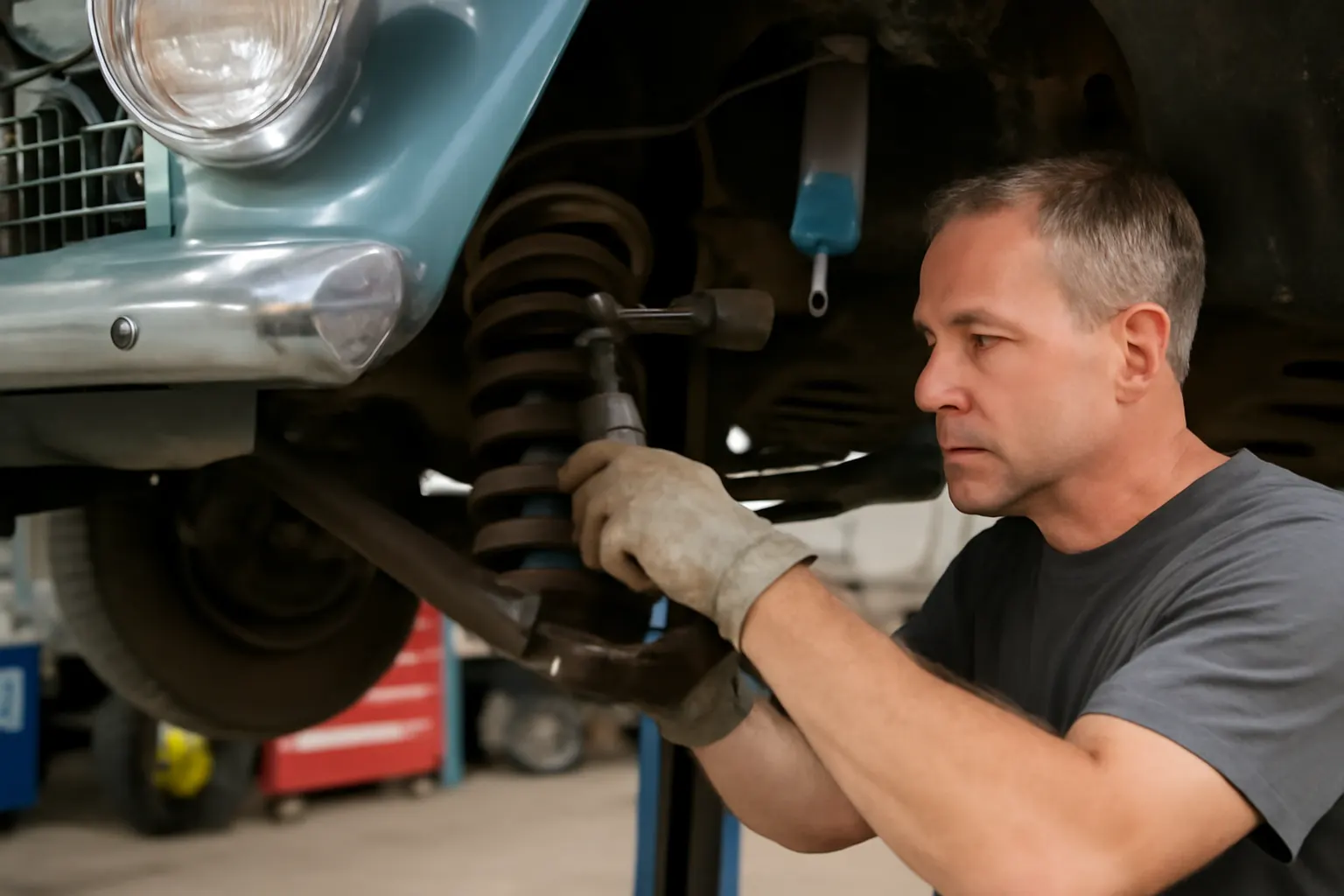
- Steering and Suspension: Tie rods, ball joints, bushings, and shocks.
- Fuel System Components: Fuel pumps, lines, and tanks—incorrect or degraded parts can be hazardous.
- Lighting and Electrical: Headlights, turn signals, and wiring must meet safety and visibility requirements.
Never compromise on the authenticity or quality of these parts. If NOS or OEM is unavailable, select reproduction parts from suppliers who follow original engineering and material standards.
The Reproduction Dilemma: When and How to Use Modern Parts
While purists may prefer original parts, high-quality reproductions are sometimes the only viable option. Advances in materials and manufacturing can even offer benefits, such as improved corrosion resistance or safety.
Advertisement
Best Practices for Using Reproduction Parts
- Prioritize Safety and Function: For critical systems (brakes, steering), choose reproductions that meet or exceed original specifications.
- Document Substitutions: Keep detailed records of any non-original parts installed. This helps with future maintenance and preserves restoration transparency.
- Maintain Appearance: Where possible, select reproductions that match the look and finish of the original part.
Always research the manufacturer’s reputation and request technical documentation before purchasing reproduction parts.
Avoiding Common Sourcing Mistakes
Many Studebaker restorers fall into predictable traps that can delay or compromise their projects. Learn from these common mistakes:
- Assuming All Parts Are Interchangeable: Even within the same model year, Studebaker made running changes.
- Overlooking Quality for Price: Bargain parts often mean poor fit, substandard materials, or outright counterfeits.
- Neglecting Documentation: Failing to track part numbers, sources, and installation details can create headaches down the road.
- Ignoring Safety Standards: Installing untested or non-compliant parts can create serious hazards.
For a detailed breakdown of pitfalls to avoid, read our Common Studebaker Restoration Mistakes.
Diagnostic Tips: Verifying the Condition of Used or Salvaged Parts
When NOS or reproduction parts aren’t available, used or salvaged components may be your only option. Here’s how to assess their suitability:
Used Part Diagnostic Checklist
- Visual Inspection: Look for cracks, corrosion, excessive wear, or previous repairs.
- Functional Testing: For mechanical parts, check for smooth operation and proper movement.
- Material Integrity: Tap or flex the part gently to check for hidden weakness or fatigue.
- Comparison to Original Specs: Use service manuals to verify dimensions, materials, and finishes.
- History and Provenance: Whenever possible, learn the part’s history—lower mileage or climate-controlled storage increases reliability.
Never install a used part that appears compromised, especially for safety-critical systems.
Installation and Maintenance: Maximizing the Life of Authentic Studebaker Parts
Once you’ve sourced the right parts, proper installation and ongoing maintenance are essential to preserve their performance and authenticity.
Installation Best Practices
- Follow Factory Procedures: Use Studebaker service manuals for torque specs, alignment, and assembly order.
- Use Correct Fasteners and Hardware: Reusing old or mismatched hardware can cause fitment and reliability issues.
- Test Fit Before Final Assembly: Dry-fit parts to ensure alignment and clearance before final installation.
Maintenance Guidelines
- Routine Inspections: Regularly check for wear, corrosion, or loosening, especially on suspension and brake components.
- Appropriate Lubrication: Use period-correct lubricants or modern equivalents recommended for classic vehicles.
- Protective Treatments: Apply rust inhibitors or protective coatings to metal parts, especially those exposed to the elements.
Document all installation and maintenance steps for your restoration records.
Balancing Authenticity and Modern Performance
While the goal of most Studebaker restorations is period-correct authenticity, there are situations where modern upgrades make sense—especially for safety, reliability, or fuel efficiency. According to the U.S. Department of Energy, improvements in materials and engineering can enhance performance without compromising the spirit of the original vehicle.
Consider the following:
- Upgraded Braking Systems: Modern brake linings or dual-circuit master cylinders can improve safety while remaining visually correct.
- Electronic Ignition: Offers better reliability than points-based systems and is often hidden from view.
- Improved Seals and Gaskets: Modern materials resist leaks and degradation better than originals.
Any upgrades should be carefully documented and, where possible, reversible to maintain collector value.
AutoPartEx: Your Partner in Studebaker Restoration
At AutoPartEx, we understand the unique challenges of restoring classic Studebakers. Our extensive database of authentic OEM, NOS, and high-quality reproduction parts—backed by verified fitment data and technical resources—ensures you get the right part, every time. Our expert team is available to assist with sourcing, fitment, and installation guidance.
For a full inventory of parts and restoration resources, visit our Studebaker Auto Parts: Authentic OEM & Restoration Guide | AutoPartEx.io. For model-specific fitment, see our Studebaker Model Fitment Guide.
Conclusion: The Road to a Reliable, Authentic Studebaker
Restoring a Studebaker is a rewarding journey that demands careful sourcing, technical diligence, and a commitment to authenticity. By understanding the nuances of part authenticity, fitment, and safety—and by leveraging trusted resources like AutoPartEx—you can avoid common pitfalls and ensure your classic Studebaker remains a reliable, roadworthy piece of automotive history.
References
Advertisement