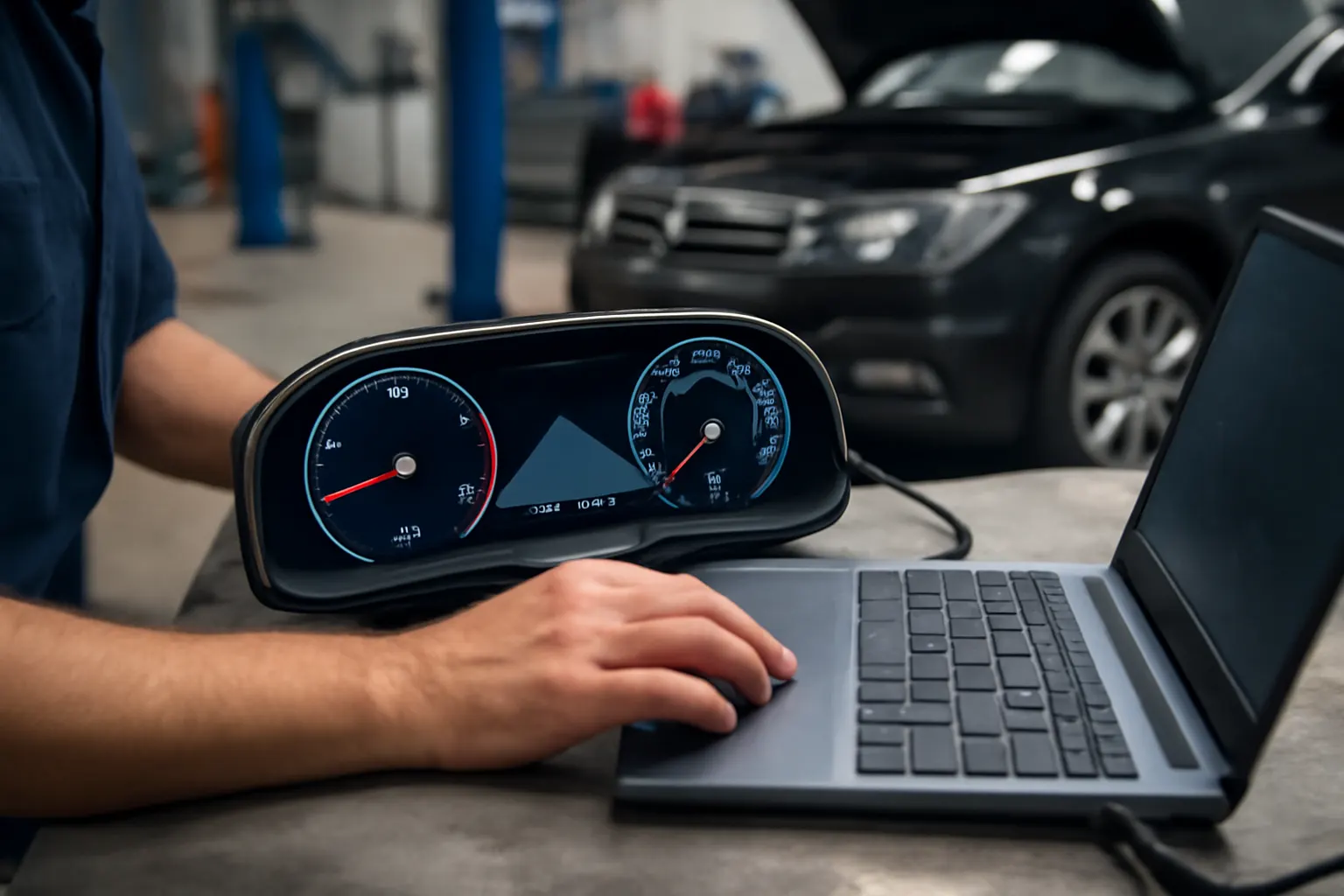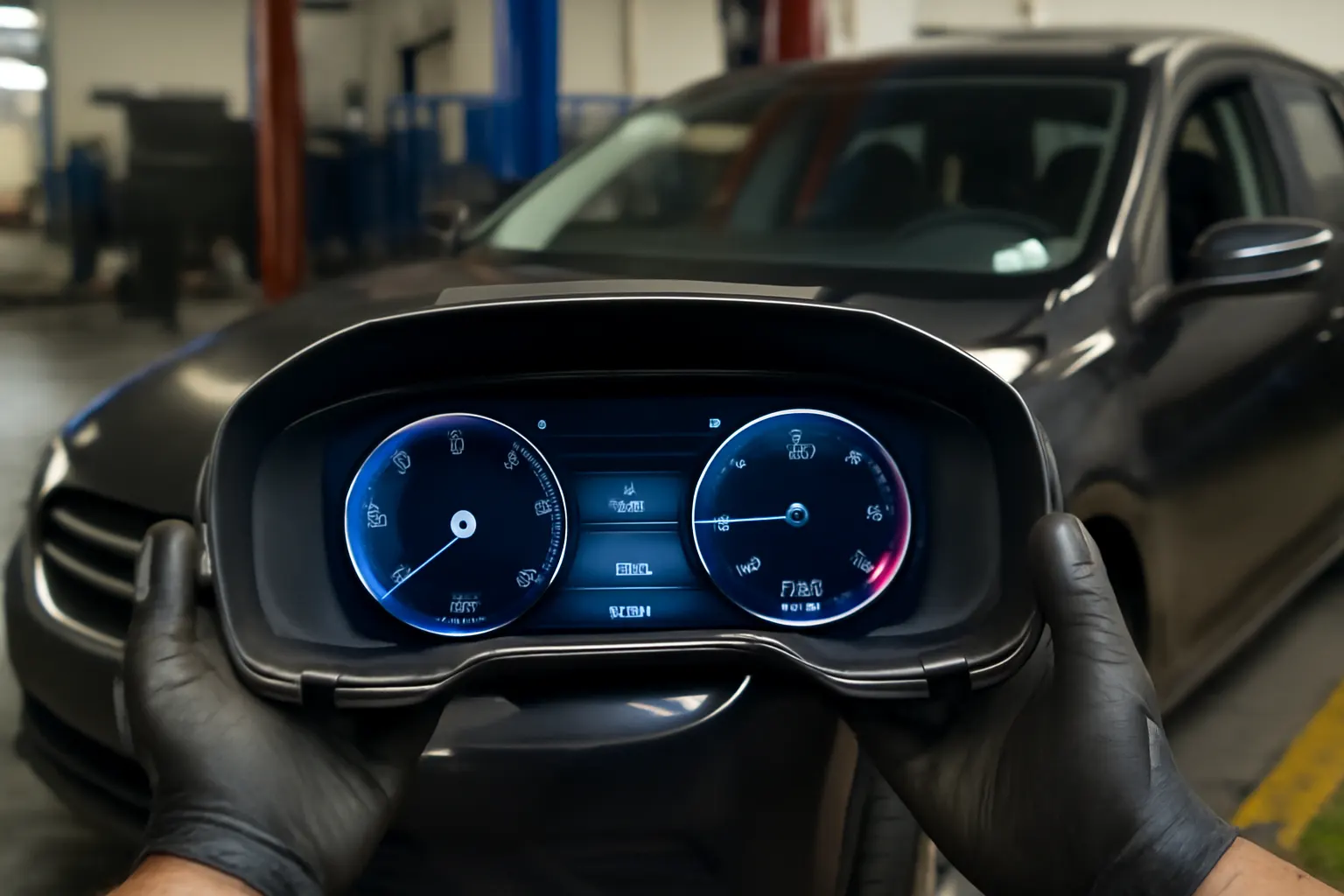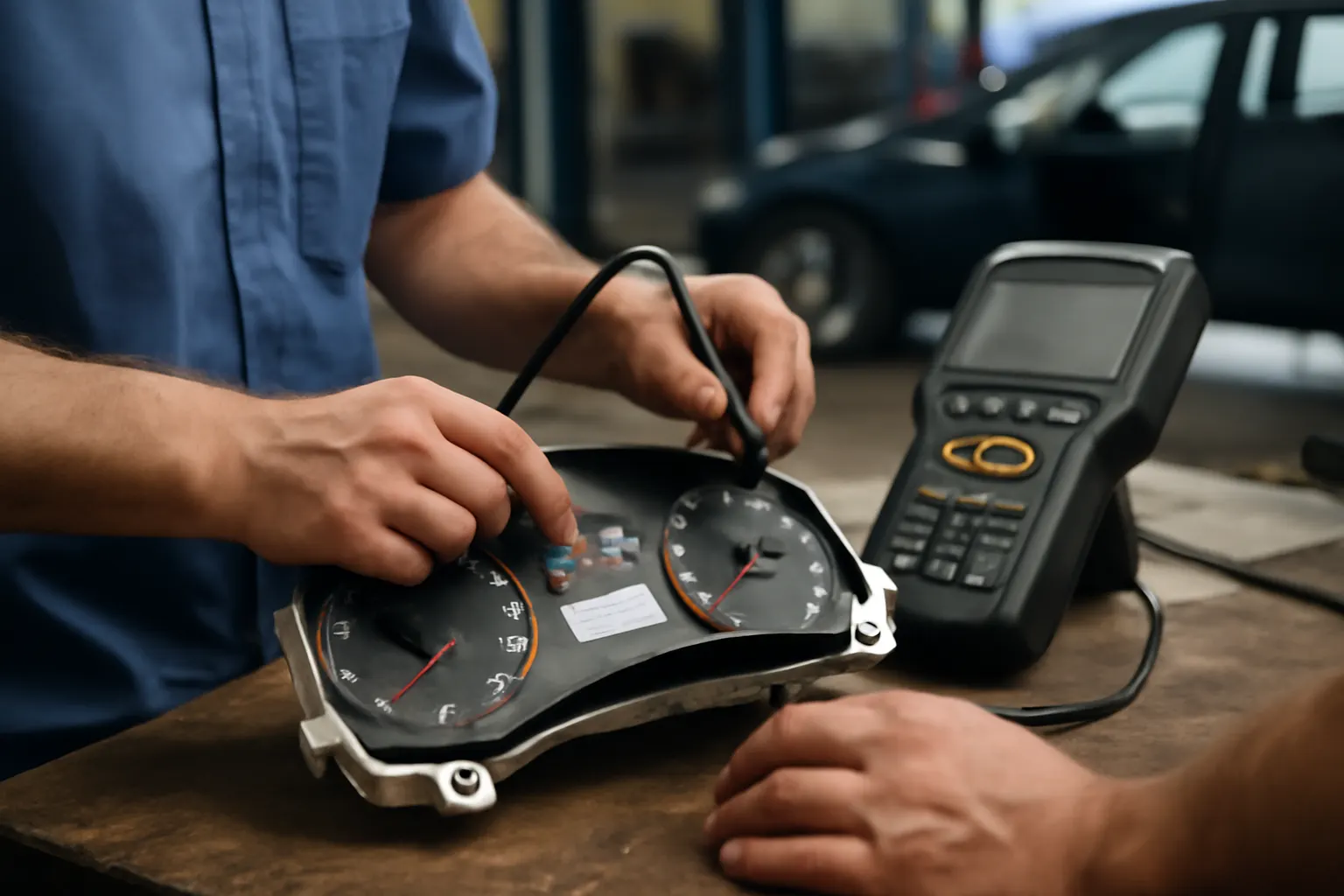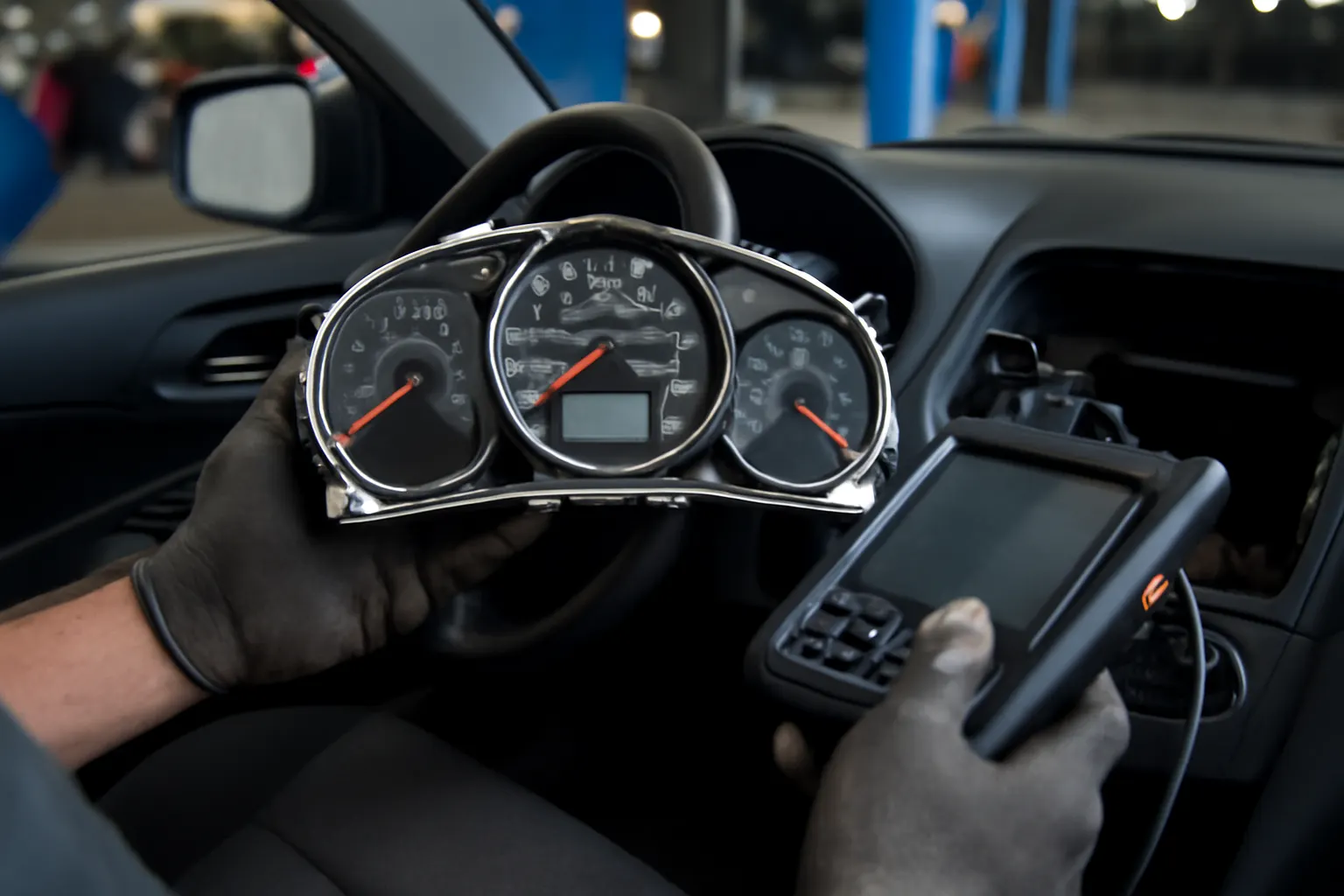
When to Repair vs. Replace Your Instrument Cluster
A malfunctioning instrument cluster can leave you guessing about your speed, fuel level, engine health, and more. Should you repair the cluster, opt for a complete replacement, or consider an upgrade? This comprehensive guide from the AutoPartEx Technical Editorial Team delivers expert advice to help you make an informed, cost-effective, and safe decision. For foundational knowledge on this critical part, see Instrument Cluster: The Nerve Center of Vehicle Diagnostics and Driver Awareness.
The Quick Answer: Repair, Replace, or Upgrade?
If your instrument cluster displays erratic readings, loses illumination, or stops working entirely, you have three main options:
-
Repair the existing unit when faults are minor, such as dead bulbs or loose connections.
-
Replace the cluster if there is severe internal failure, water damage, or outdated technology.
-
Upgrade to a modern digital or integrated cluster when seeking enhanced features or compatibility with new vehicle systems.
The right choice depends on the severity of the issue, vehicle age, part availability, and your budget. Quick repairs can restore function, but replacement or upgrade may be safer and more reliable for critical or recurring faults.
The Hidden Problem: Why Instrument Cluster Issues Are More Serious Than They Seem
At first glance, a flickering speedometer or unlit warning light may seem like a minor annoyance. However, instrument cluster failures can compromise your ability to monitor speed, engine status, and vital safety alerts. According to the National Highway Traffic Safety Administration (NHTSA), malfunctioning vehicle instrumentation is a significant safety concern and can lead to compliance issues during inspections.
Modern clusters are more than just gauges—they are the digital nerve center of your vehicle. Failures can mask underlying engine, charging, or brake system problems, increasing the risk of breakdowns or accidents. Ignoring cluster issues or resorting to temporary fixes can have cascading effects on fuel efficiency, emissions, and overall drivability.
Understanding Instrument Cluster Function: More Than Just Gauges
The instrument cluster is a sophisticated assembly that consolidates critical sensor and system data, presenting it in an easily readable format. In most vehicles, the cluster includes:
-
Speedometer
-
Tachometer
-
Fuel gauge
-
Temperature gauge
-
Warning and information lights (ABS, oil, check engine, seatbelt, etc.)
On modern vehicles, the cluster also interfaces with the onboard diagnostic system, advanced driver-assistance systems (ADAS), and sometimes infotainment displays. As vehicle technology advances, clusters are increasingly digital, networked, and modular, making diagnosis and repair more complex.
For a deeper dive into the evolution of dashboard technology, explore Digital Dashboards: The Future of Instrument Clusters.
Common Symptoms of a Failing Instrument Cluster
Recognizing the warning signs of cluster failure is the first step toward an effective solution. Watch for these symptoms:
-
Gauges stick, freeze, or display inaccurate readings
-
Warning lights fail to illuminate during ignition or stay on erroneously
-
Backlighting or indicator lights flicker or go dark
-
Complete loss of cluster power
-
Intermittent operation, especially in extreme temperatures
-
Odometer or digital display malfunctions
These issues may be constant or intermittent. In some cases, a failing cluster can drain the battery or interfere with other electronic systems.
Diagnosing the Root Cause: Is It the Cluster or Something Else?
Before deciding on repair or replacement, it’s crucial to confirm that the cluster itself is at fault. Many cluster symptoms can also result from:
-
A blown fuse or faulty wiring
-
Poor ground connections
-
Defective sensors (speed, fuel, temperature)
-
Issues in the vehicle’s body control module (BCM) or engine control unit (ECU)
Diagnostic Checklist:
- Check fuses and relays for the instrument cluster circuit.
- Inspect wiring harness for visible damage or loose connectors.
- Test sensors using a scan tool for out-of-range values.
- Scan for diagnostic trouble codes (DTCs) related to the cluster or communication errors.
- Perform a cluster self-test (refer to your vehicle’s service manual; many clusters have built-in test modes).
- Check for water intrusion or corrosion behind the dash.
For a detailed step-by-step approach, see Diagnosing Instrument Cluster Failures: Step-by-Step.
When to Choose Repair: Criteria and Common Repairs
Repair is often the most cost-effective solution when:
-
The vehicle is relatively new or the cluster is difficult to source.
-
The issue is isolated (e.g., dead backlight bulbs, loose connectors, or failed stepper motors).
-
The circuit board is intact, with no extensive water or physical damage.
Common Repairable Issues:
- Replacing bulbs or LEDs
- Resoldering cracked joints on the circuit board
- Replacing faulty stepper motors (for needle gauges)
- Fixing loose or corroded connectors
- Programming or reinitializing the cluster after battery disconnect
Professional cluster repair services can often refurbish and recalibrate clusters for a fraction of the replacement cost. However, repairs may not address underlying design flaws or worn components that could fail again.
When to Replace: Signs That a New Cluster Is the Best Option
Replacement is advised when:
-
There is extensive circuit board damage, water intrusion, or burnt components.
-
The cluster has multiple, unrelated failures (e.g., several gauges and lights nonfunctional).
-
The cluster is subject to a manufacturer recall or widespread design flaw.
-
Upgrading technology is required (e.g., integration with new safety features or digital displays).
Replacement Advantages:
- Restores full reliability and compliance with safety standards
- May include updated firmware or improved components
- Eliminates hidden faults that could cause future failures
Replacement is also necessary if the cluster is a sealed unit or if repair parts are unavailable. Always ensure that the replacement matches your vehicle’s make, model, and options to avoid compatibility issues.
Upgrade Options: Modernizing Your Dashboard
If your vehicle’s cluster is outdated, slow, or lacks features such as digital displays, navigation, or advanced driver-assistance integration, consider upgrading. Modern clusters offer:
-
High-resolution digital displays and customizable layouts
-
Integrated diagnostics and maintenance reminders
-
Compatibility with infotainment and ADAS features
-
Improved reliability and energy efficiency
Upgrading may require additional wiring, programming, or module updates. Some modern clusters can integrate seamlessly with existing systems, while others may need professional installation and calibration.
For more on integration with new technology, see Integrating Instrument Clusters with Modern Vehicle Systems.
Cost Comparison: Repair vs. Replacement vs. Upgrade
The cost of fixing your instrument cluster can vary widely:
| Solution | Typical Cost Range | Pros | Cons |
|---|---|---|---|
| Repair | $50–$300 | Cost-effective, retains original look | May not fix all issues, limited by parts availability |
| Replacement | $250–$1,000+ | Restores reliability, warranty options | Higher upfront cost, programming may be required |
| Upgrade | $500–$2,500+ | Modern features, improved safety and diagnostics | Most expensive, may need professional installation |
Note: Prices vary by vehicle make/model, cluster type, and labor rates. Always compare the total cost—including programming and calibration—before deciding.
Sourcing Quality Parts and Services
Whether repairing or replacing, sourcing quality parts is critical for safety and performance. Follow these guidelines:
-
Use OEM (Original Equipment Manufacturer) or certified remanufactured clusters for best fit and reliability.
-
Choose reputable repair services with experience in your vehicle’s brand and model.
-
Verify part numbers and compatibility using your VIN or manufacturer’s catalog.
-
Ensure any replacement or repair complies with NHTSA and SAE standards for vehicle instrumentation [1][2].
Avoid generic or “universal fit” clusters unless specifically designed for your vehicle. Poor-quality replacements can introduce new faults or fail to meet safety and diagnostic requirements.
Installation and Programming: Don’t Skip the Final Steps
Instrument cluster installation is not always plug-and-play. Modern clusters often require:
-
Programming to match your vehicle’s configuration
-
Odometer synchronization (to preserve accurate mileage)
-
Calibration of gauges and warning lights
-
Integration with immobilizer or anti-theft systems
Improper installation can trigger warning lights, disable safety features, or interfere with communication between modules. Professional installation is strongly recommended, especially for late-model vehicles with complex electronics.
Maintenance Tips: Preventing Future Cluster Failures
Proactive maintenance can extend the life of your instrument cluster:
-
Keep your vehicle’s interior dry to prevent condensation and corrosion.
-
Avoid jump-starting or voltage spikes that can damage sensitive electronics.
-
Check battery and charging system health regularly—low voltage can cause cluster glitches.
-
Inspect dash wiring and connectors during routine maintenance.
-
Respond promptly to warning lights or erratic readings—minor issues can escalate quickly.
If your vehicle is subject to a cluster-related recall, schedule repairs promptly to ensure safety and compliance. See the NHTSA recalls database for up-to-date information.
Special Considerations: Recalls, Safety, and Compliance
Instrument clusters are safety-critical components. NHTSA regulations require that vehicle instrumentation meets strict standards for accuracy, reliability, and visibility [1]. Faulty clusters can result in failed safety inspections and potential liability in the event of an accident.
Key points to remember:
- Check for open recalls before repairing or replacing—some repairs may be covered by the manufacturer.
- Retain documentation of repairs, replacements, and programming for future reference or resale.
- Ensure all warning lights and indicators function correctly before returning the vehicle to service.
AutoPartEx Expert Guidance: Your Partner for Instrument Cluster Solutions
At AutoPartEx, we understand that your instrument cluster is more than just a set of dials—it's the nerve center of your vehicle’s diagnostics and driver awareness. Our extensive catalog features OEM and high-quality remanufactured clusters, trusted repair partners, and in-depth technical resources.
Whether you need to:
-
Diagnose a mysterious cluster fault,
-
Source a hard-to-find replacement,
-
Or upgrade to the latest digital dashboard,
our team is here to help. Visit the Instrument Cluster: The Nerve Center of Vehicle Diagnostics and Driver Awareness category for parts, guides, and expert support. Explore our editorial content for the latest insights on cluster technology and integration.
Making the Right Choice: Step-by-Step Action Plan
- Diagnose the fault—confirm if the cluster is the root cause.
- Check for recalls and warranty coverage—you may be eligible for a free repair or replacement.
- Assess the severity and scope of the issue—minor faults can often be repaired, but major or repeated failures may require replacement.
- Compare costs and benefits—factor in part availability, labor, and any required programming.
- Source quality parts or services—choose OEM or certified options for safety and reliability.
- Ensure proper installation and programming—use professional services when needed.
- Maintain your cluster and vehicle electronics to prevent future issues.
Conclusion: Informed Decisions for Safety and Peace of Mind
Deciding whether to repair, replace, or upgrade your instrument cluster is not just a matter of cost—it’s a decision that affects safety, compliance, and your confidence behind the wheel. By understanding the underlying issues, evaluating your options, and working with trusted experts like AutoPartEx, you can restore your dashboard to full functionality and keep your vehicle operating safely for years to come.
For advanced vehicle owners, integrating your instrument cluster with new systems can unlock further performance and diagnostic capabilities. Stay informed, act promptly, and never ignore warning signs from your vehicle’s nerve center.
References
- Vehicle Safety and Equipment – National Highway Traffic Safety Administration
- SAE Standards – SAE International
- Vehicle, Car Seat, Tire, and Equipment Recalls – National Highway Traffic Safety Administration
- Materials Technologies – United States Department of Energy
- Fuel Efficiency – United States Department of Energy