Digital Dashboards: The Future of Instrument Clusters
Digital dashboards are fundamentally reshaping how drivers interact with their vehicles. Modern instrument clusters have evolved from simple analog gauges into sophisticated digital displays, offering real-time data, customizable layouts, and advanced diagnostics. For vehicle owners, technicians, and enthusiasts, understanding this transformation is essential for making informed decisions about maintenance, upgrades, and integration with other vehicle systems. In this comprehensive guide, we’ll explore how digital dashboards are redefining the driving experience, what to expect from next-generation clusters, and how to navigate the technical and practical aspects of this rapidly advancing technology.
If you’re looking to dive deeper into the core of vehicle diagnostics and driver awareness, start by exploring our Instrument Cluster: The Nerve Center of Vehicle Diagnostics and Driver Awareness category for foundational knowledge.
The Immediate Answer: What Are Digital Dashboards and Why Do They Matter?
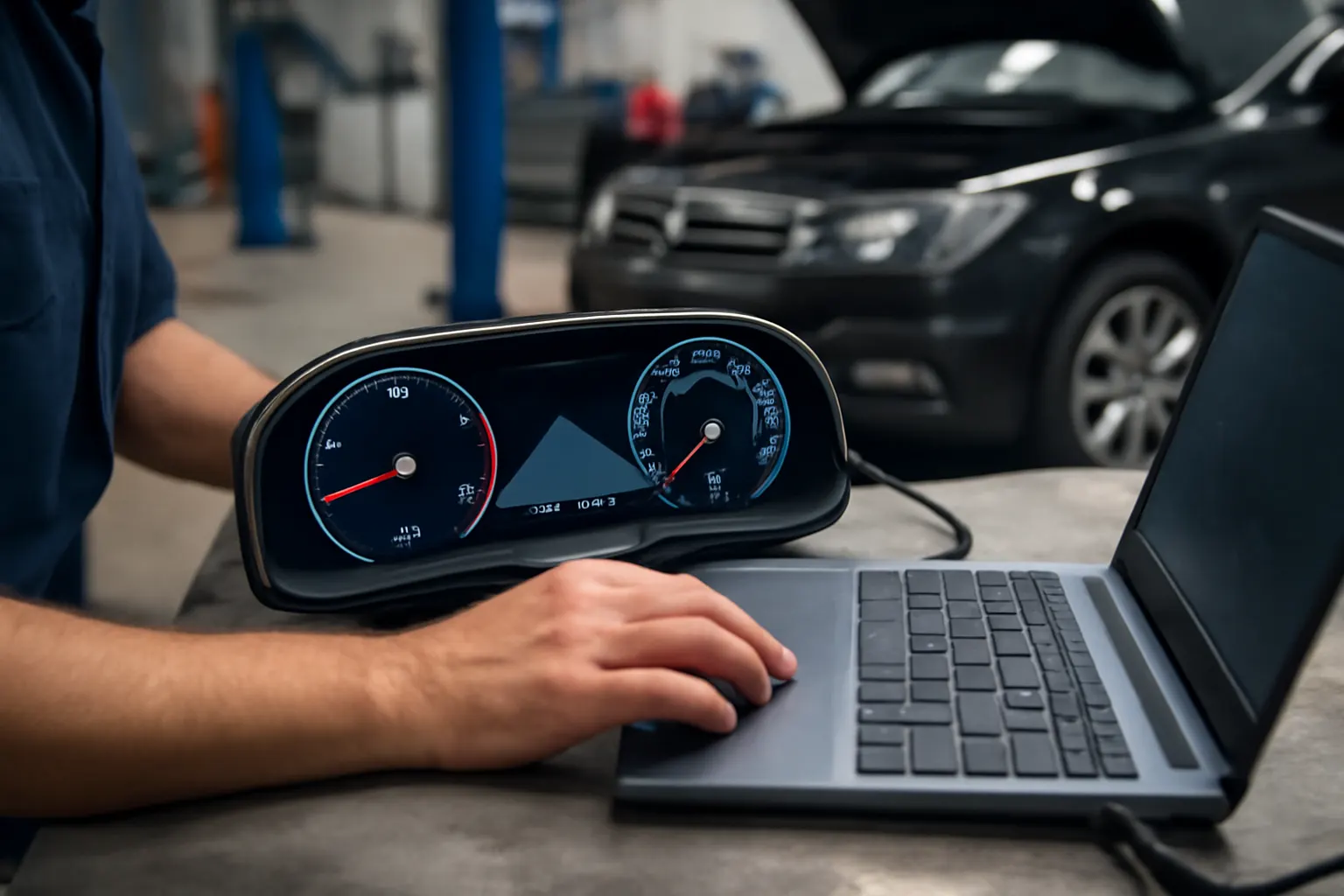
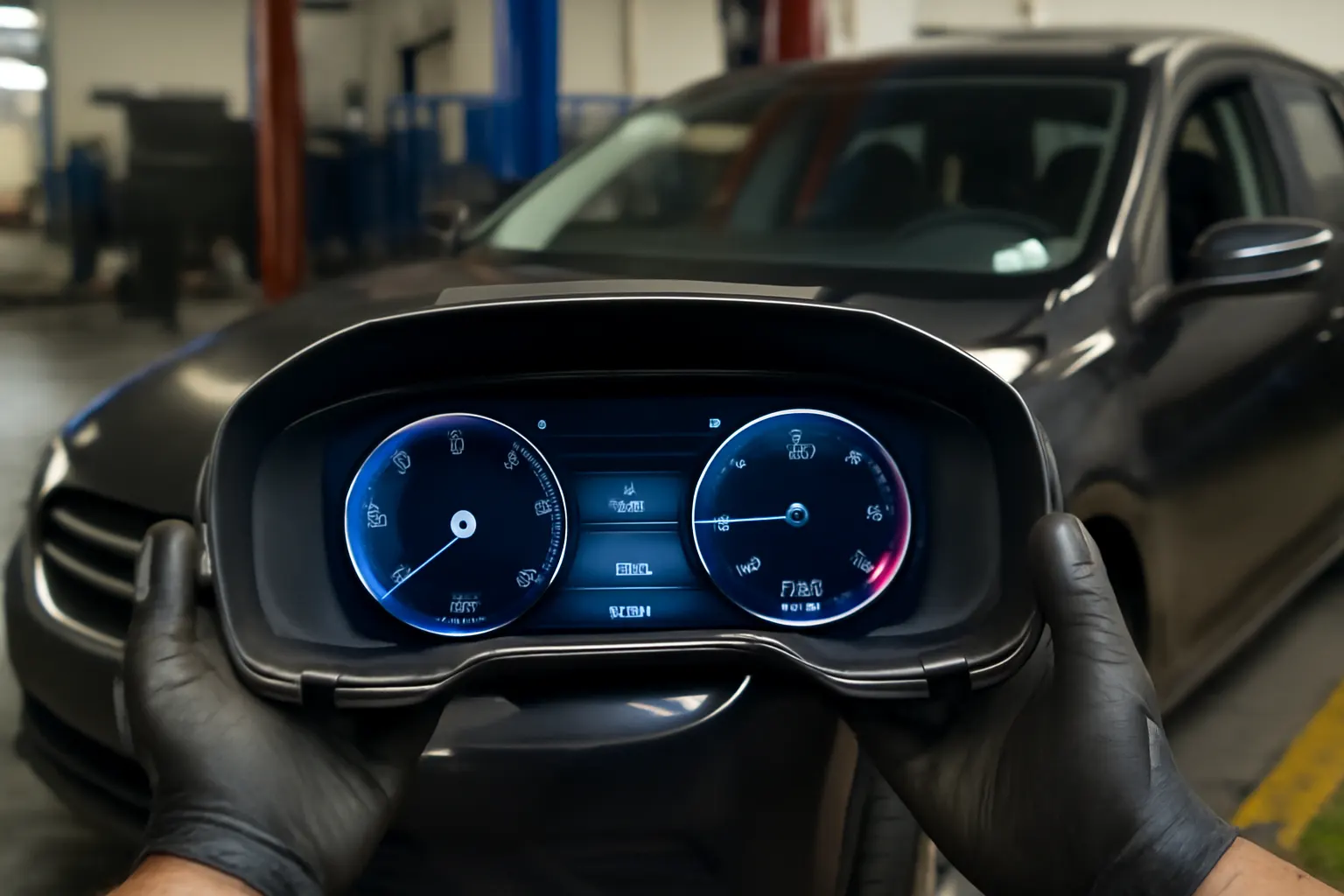
Digital dashboards, also known as digital instrument clusters, replace traditional analog dials with high-resolution LCD, TFT, or OLED screens. These systems present speed, RPM, fuel, temperature, and a wealth of additional information in customizable and dynamic formats. The advantages are immediate and striking:
- Clarity: Enhanced readability in all lighting conditions.
- Customization: Drivers can tailor the display to show preferred data, such as navigation, media, or advanced vehicle diagnostics.
- Integration: Seamless interaction with advanced driver-assistance systems (ADAS), infotainment, and smartphone connectivity.
- Diagnostics: Real-time alerts, error codes, and system health checks.
Digital dashboards are not just a visual upgrade—they represent a leap in safety, diagnostics, and user experience, aligning with modern expectations for connectivity and control.
The Hidden Problem: Complexity and Compatibility Challenges
While the appeal of digital dashboards is clear, their adoption introduces a set of hidden challenges for owners, technicians, and manufacturers:
- Compatibility: Not all vehicles support digital clusters, and retrofitting is often non-trivial.
- Diagnostics: More complex systems can be harder to diagnose and repair, requiring specialized tools and knowledge.
- Reliability: As with any electronic component, digital dashboards can fail due to software glitches, power issues, or sensor faults.
- Cost: Replacement and repair costs are higher than traditional analog clusters, both for parts and labor.
Understanding these challenges is essential before considering an upgrade or replacement.
Expanding the Problem: The Technical Hurdles Behind the Scenes
Integration with Vehicle Systems
Digital dashboards must communicate with a vehicle’s myriad sensors, ECUs (Electronic Control Units), and CAN (Controller Area Network) bus systems. This integration is complex, as each manufacturer (from Acura to AMC) may use proprietary protocols or hardware, making universal solutions rare.
Data Security and Software Updates
With increased connectivity comes increased risk. Digital clusters are susceptible to software bugs, and, in rare cases, cyber vulnerabilities. Secure over-the-air (OTA) updates and robust encryption are becoming standard, but older vehicles or aftermarket solutions may lack these safeguards.
Regulatory and Safety Standards
Compliance with safety and equipment standards, such as those outlined by the National Highway Traffic Safety Administration (NHTSA), is mandatory. Digital dashboards must ensure critical information is always visible and accurate, even in the event of partial system failure.
Materials and Durability
The U.S. Department of Energy highlights the importance of advanced materials technologies to meet durability and performance standards. Digital clusters must withstand temperature extremes, vibration, and electromagnetic interference—conditions far harsher than those faced by consumer electronics.
How Digital Dashboards Work: Under the Hood
Core Components
A digital instrument cluster typically consists of:
- Display Panel: LCD, TFT, or OLED screen with variable resolution and brightness.
- Microcontroller/Processor: Handles data processing, graphics rendering, and communication with vehicle systems.
- Input Interfaces: Buttons, touchpads, or steering wheel controls for user interaction.
- Connectivity Modules: CAN bus, LIN bus, or Ethernet for data exchange with other ECUs.
- Power Supply: Stable voltage regulation to ensure consistent operation.
Data Flow
Sensors throughout the vehicle (speed, RPM, temperature, fuel, etc.) send signals to the Body Control Module (BCM) or Engine Control Unit (ECU). The digital cluster receives this data over the vehicle’s communication network, processes it, and displays the relevant information. Advanced clusters can also overlay navigation, ADAS warnings, and media data.
Software and Customization
Modern clusters run embedded operating systems, supporting customizable themes, widgets, and even downloadable apps. Some manufacturers allow users to select between classic analog-style displays and futuristic layouts, enhancing personalization.
The Benefits: Why Upgrade to a Digital Dashboard?
Enhanced Driver Awareness
Digital dashboards provide clearer, more comprehensive information, improving situational awareness. Features like heads-up displays (HUDs), lane departure warnings, and adaptive cruise control status are integrated directly into the cluster, minimizing distraction.
Advanced Diagnostics
Real-time diagnostics are a game-changer for maintenance and repair. Digital clusters can display error codes, maintenance reminders, and even suggest corrective actions, streamlining troubleshooting for both owners and technicians. For a detailed look at diagnosing issues, visit our guide on Diagnosing Instrument Cluster Failures: Step-by-Step.
Fuel Efficiency and Eco-Driving
Many digital dashboards feature eco-driving aids, such as efficiency scores, real-time fuel consumption graphs, and hybrid system status. These tools empower drivers to optimize their habits for improved fuel efficiency, aligning with broader energy-saving goals.
Aesthetic and Resale Value
A modern digital cluster can rejuvenate the interior of an older vehicle, potentially enhancing resale value and owner satisfaction.
Diagnostic Checklist: Troubleshooting Digital Instrument Clusters
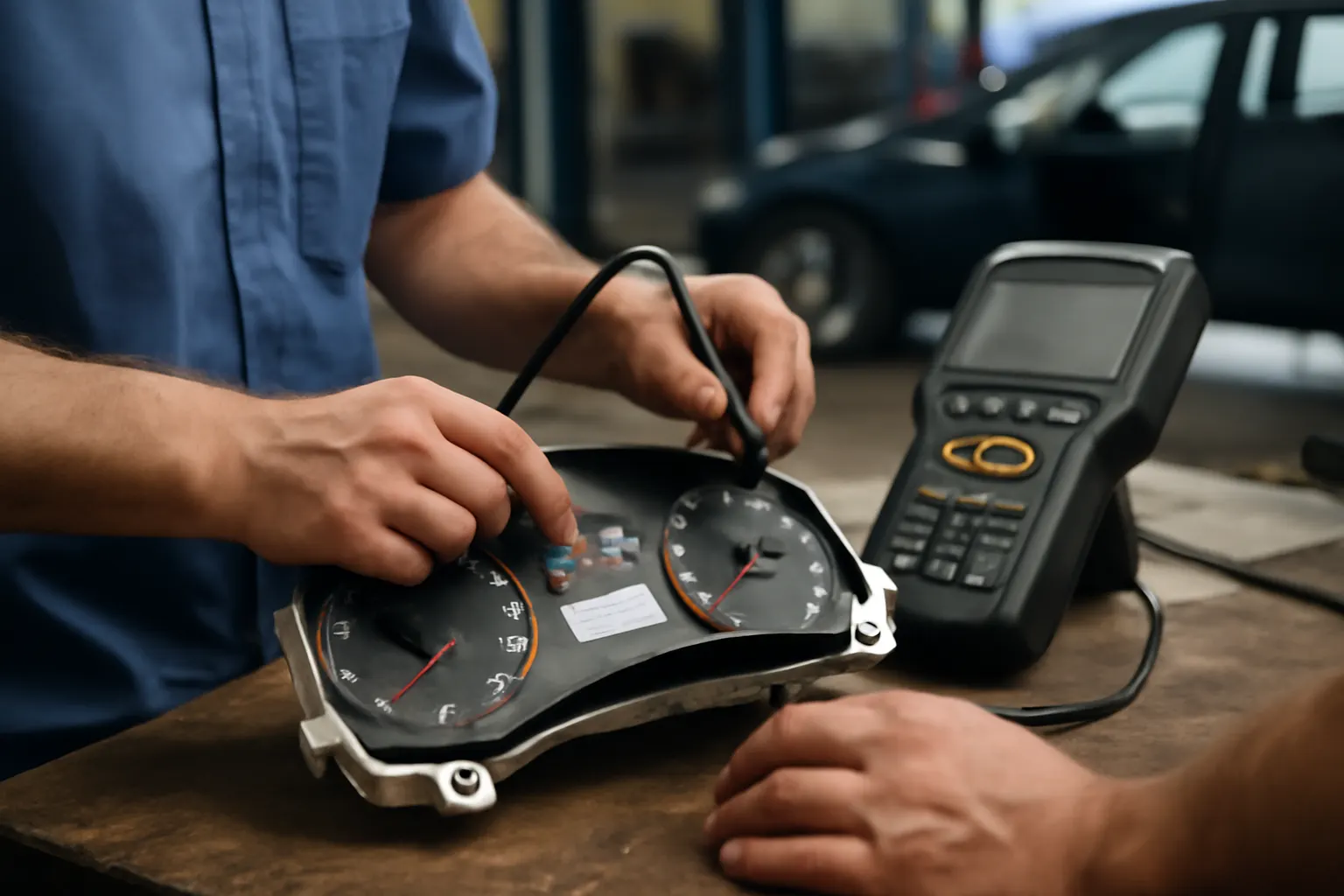
When a digital dashboard malfunctions, a systematic approach can save time and money. Here’s a practical checklist for diagnosing common issues:
1. Power and Ground Checks
- Verify that the cluster receives proper voltage (usually 12V) and ground.
- Inspect fuses and relays associated with the instrument cluster.
2. Communication Diagnostics
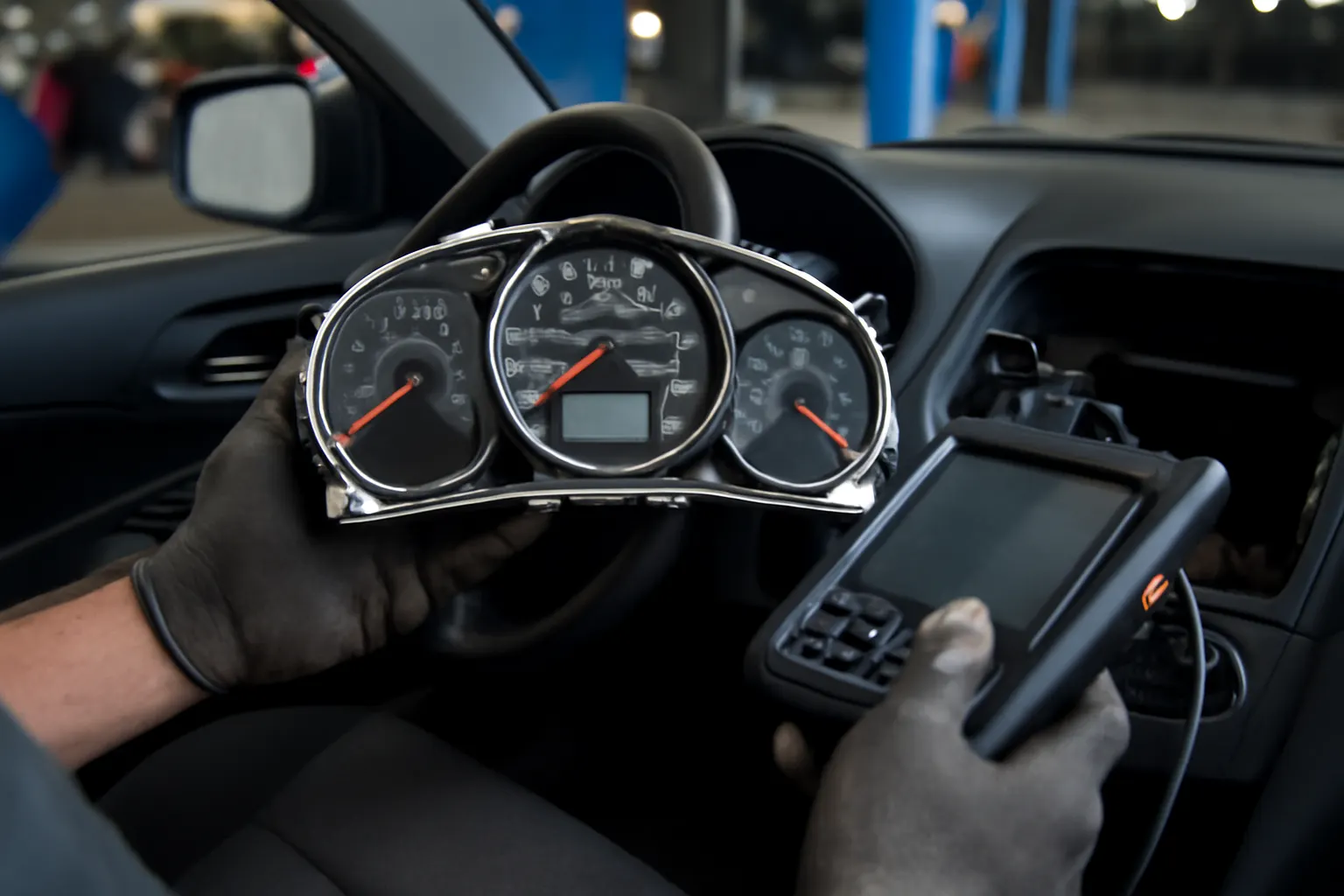
- Use a scan tool to check for communication errors on the CAN or LIN bus.
- Confirm that the cluster is receiving data from the BCM/ECU.
3. Software and Firmware
- Check for available software updates from the manufacturer.
- Perform a system reset or reflash if glitches are present.
4. Display Issues
- Inspect for screen artifacts, dead pixels, or backlight failure.
- Test brightness and contrast settings.
5. Sensor Input Verification
- Cross-check sensor outputs (speed, RPM, temperature) using a scan tool.
- Ensure data matches what is displayed on the cluster.
6. Warning Lights and Error Codes
- Decode error messages using manufacturer-specific or generic OBD-II tools.
- Address underlying causes before replacing the cluster.
7. Physical Inspection
- Examine wiring harnesses for corrosion, loose connections, or damage.
- Check mounting for vibration or shock-related issues.
8. Replacement Consideration
- If the cluster is non-repairable, research compatible replacements.
- Evaluate whether repair or replacement is more cost-effective (see our blog on When to Repair vs. Replace Your Instrument Cluster).
Retrofitting and Upgrading: What to Know Before You Buy
Upgrading from an analog to a digital dashboard is a tempting proposition, but it requires careful planning:
Compatibility Assessment
- Vehicle Platform: Confirm that your vehicle’s electrical architecture supports digital clusters. Retrofitting may require new wiring, sensors, or even a different BCM/ECU.
- Physical Fitment: Ensure the new cluster fits within the dash opening and aligns with mounting points.
- Software Integration: Some vehicles require dealer-level reprogramming or coding to recognize the new cluster.
Sourcing and Quality
- OEM vs. Aftermarket: Original Equipment Manufacturer (OEM) clusters offer guaranteed compatibility but can be expensive. Aftermarket options are more affordable but may lack full integration or support.
- Recalls and Safety: Always check for recalls or safety notices related to instrument clusters on the NHTSA Recalls Database.
Installation Considerations
- Professional Installation: Unless you have advanced electrical and diagnostic skills, professional installation is highly recommended.
- Calibration: Post-installation calibration ensures accurate readings for speed, fuel, and warning indicators.
Maintenance and Longevity: Keeping Your Digital Dashboard Reliable
Digital dashboards, while robust, require proactive care:
Environmental Protection
- Temperature Extremes: Park in shaded areas or use sunshades to protect sensitive display components from heat.
- Moisture Control: Ensure the dashboard area is sealed against leaks, as moisture can damage electronics.
Software Updates
- Dealer or Manufacturer Updates: Regularly check for software or firmware updates, which can resolve bugs and improve functionality.
- Security Patches: Apply updates promptly to address potential security vulnerabilities.
Cleaning and Handling
- Screen Care: Use microfiber cloths and non-abrasive cleaners to avoid scratching or damaging the display.
- Avoid Harsh Chemicals: Strong solvents can degrade screen coatings or cause clouding.
Monitoring for Symptoms
- Glitches or Freezes: Occasional resets may indicate deeper issues—don’t ignore persistent glitches.
- Warning Lights: Promptly investigate any new warning lights or error messages.
Integration with Advanced Vehicle Systems
Digital dashboards are central to the operation of modern vehicles, acting as the interface for a range of systems:
ADAS and Safety Features
Integration with Advanced Driver Assistance Systems (ADAS) allows digital clusters to display lane-keeping alerts, collision warnings, adaptive cruise control status, and more. This real-time feedback is critical for driver safety and compliance with vehicle safety equipment standards.
Infotainment and Connectivity
Digital clusters often interface with infotainment systems, enabling the display of media, navigation, and communication data. Seamless integration enhances the driving experience and reduces distraction by consolidating information in the driver’s line of sight.
Customizable User Profiles
Some vehicles allow multiple user profiles, each with personalized display layouts, color schemes, and preferred data points. This feature is particularly valuable in shared or fleet vehicles.
For more on how clusters integrate with broader vehicle systems, see our editorial: Integrating Instrument Clusters with Modern Vehicle Systems.
The Role of Materials and Manufacturing in Digital Dashboards
Lightweight and Durable Materials
The Department of Energy’s research on materials technologies highlights ongoing advances in polymers, composites, and lightweight metals. These materials are crucial for digital clusters, which must be both robust and lightweight to avoid adding unnecessary mass to the vehicle.
Vibration and Shock Resistance
Instrument clusters are exposed to significant vibration and shock loads, especially in commercial or off-road vehicles. Advanced materials and mounting systems are engineered to protect sensitive electronics and maintain display clarity over time.
Electromagnetic Compatibility (EMC)
Digital clusters must be shielded from electromagnetic interference caused by other vehicle systems, ensuring reliable operation and compliance with SAE and NHTSA standards.
Safety, Standards, and Regulatory Compliance
Meeting Federal Safety Requirements
The NHTSA mandates that all instrument clusters, digital or analog, display critical information clearly and reliably. This includes speed, warning lights, and malfunction indicators. Digital clusters must meet additional requirements for brightness, legibility, and fail-safe operation.
SAE and International Standards
SAE International sets engineering standards for display brightness, color contrast, and data prioritization. Adherence to these standards ensures that digital dashboards are both user-friendly and safe.
Recall Awareness
Stay informed about recalls related to digital clusters by regularly checking the NHTSA Recalls Database. Prompt action can prevent safety hazards and costly repairs.
Buying Guide: Selecting the Right Digital Cluster for Your Vehicle
When choosing a digital dashboard upgrade or replacement, consider the following factors:
Key Selection Criteria
| Factor | Considerations |
|---|---|
| Compatibility | Electrical, mechanical, and software fitment |
| Display Quality | Resolution, brightness, anti-glare features |
| Features | Navigation, ADAS integration, customization options |
| OEM vs. Aftermarket | Cost, support, and warranty |
| Installation | DIY vs. professional, calibration needs |
| Updates | Software/firmware support, OTA capability |
| Durability | Materials, vibration/shock resistance, environmental sealing |
Questions to Ask
- Does the cluster support all the sensors and features in my vehicle?
- Will I lose any functionality (e.g., warning lights, ADAS) after installation?
- Is the product certified for safety and compliance?
- Are updates and technical support available?
The Future of Instrument Clusters: Trends and Innovations
Augmented Reality (AR) and Heads-Up Displays
The next generation of digital dashboards is moving beyond the dash—projecting data onto the windshield or using AR overlays to highlight hazards, navigation cues, and vehicle status.
Artificial Intelligence and Predictive Diagnostics
AI-driven clusters can analyze driving habits, predict maintenance needs, and suggest efficiency improvements, further personalizing the driving experience.
Modular and Upgradeable Platforms
Automakers are developing modular clusters that can be updated with new features or display technologies, extending the product’s useful life and reducing electronic waste.
AutoPartEx: Your Partner in Instrument Cluster Upgrades and Support
At AutoPartEx, we recognize that the instrument cluster is the nerve center of your vehicle’s diagnostics and driver interface. Whether you’re upgrading to a digital dashboard, troubleshooting issues, or sourcing OEM-quality replacements, our platform provides expert guidance, high-quality parts, and up-to-date resources.
Explore our comprehensive Instrument Cluster: The Nerve Center of Vehicle Diagnostics and Driver Awareness category for in-depth articles, buying guides, and technical support tailored to your vehicle’s needs. Our technical editorial team stays ahead of industry trends, ensuring you have access to the latest standards, diagnostic procedures, and integration tips.
If you encounter a complex issue or need help selecting the right cluster, reach out to our expert community for personalized advice and step-by-step support.
Taking Action: Steps for Owners and Technicians
- Evaluate Your Needs: Assess whether a digital dashboard upgrade aligns with your vehicle, budget, and desired features.
- Research Compatibility: Use manufacturer databases, forums, and AutoPartEx resources to verify compatibility.
- Plan Installation: Decide between DIY and professional installation based on the complexity of your vehicle’s systems.
- Maintain Regularly: Keep your digital cluster updated and clean, and address warning lights promptly.
- Stay Informed: Monitor recalls, software updates, and new innovations to maximize the value and safety of your investment.
By following these steps, you’ll ensure your vehicle remains at the forefront of technology, safety, and driver satisfaction.