OEM vs. Aftermarket Inside Door Handles: What You Need to Know
When your vehicle's inside door handle breaks or wears out, you’re faced with a crucial decision: should you choose an OEM (Original Equipment Manufacturer) replacement, or opt for an aftermarket alternative? The answer impacts not only fitment and function, but also your vehicle’s safety, aesthetics, and long-term value. This guide breaks down the critical differences between OEM and aftermarket inside door handles, with a focus on fitment, durability, safety, and value—so you can make an informed, confident choice for your next repair.
If you’re seeking a broad overview of how inside door handles contribute to modern vehicle safety and ergonomics, see our Inside Door Handle: Precision, Safety, and Ergonomics for Modern Vehicles category page. For now, let’s dive into the OEM vs. aftermarket debate and reveal the nuances that most buyers overlook.
Immediate Answer: OEM vs. Aftermarket—Which Is Right for You?
OEM inside door handles are made by the same manufacturer that produced your vehicle’s original parts. They are engineered to match the exact design, materials, and specifications of your factory-installed handle. This means guaranteed fitment, consistent operation, and compliance with rigorous safety standards.
Aftermarket inside door handles are produced by third-party manufacturers. They may offer cost savings, wider availability, or alternative designs, but can vary significantly in quality, fit, and durability.
Bottom line: If you prioritize perfect fit, factory-grade quality, and peace of mind about safety, OEM is the gold standard. If budget or customization is your main concern, a reputable aftermarket handle can be a solid choice—provided you know what to look for.
The Hidden Problem: Not All Handles Are Created Equal
The inside door handle may seem like a simple component, but it plays a crucial role in occupant safety and vehicle usability. Choosing the wrong replacement can lead to:
- Poor fitment, resulting in rattles, loose feel, or improper operation
- Premature wear or breakage due to inferior materials
- Compromised safety in emergency exit situations
- Potential non-compliance with industry safety standards
These risks are rarely obvious until after installation—when they become costly and frustrating to resolve.
Why Inside Door Handle Quality Matters
Safety and Regulatory Compliance
Inside door handles are regulated components. In the event of an accident, passengers must be able to exit the vehicle quickly and reliably. The National Highway Traffic Safety Administration (NHTSA) sets strict requirements for door latch and handle performance. Handles that fail to meet these standards can compromise occupant safety and may even trigger recalls (NHTSA Recalls Database).
Ergonomics and User Experience
A handle that doesn’t match the original in shape, reach, or feel can be awkward or even difficult to use—especially for children, elderly passengers, or those with limited mobility. Ergonomic design is not just about comfort; it’s about accessibility and safety.
Durability and Value
Frequent use, temperature swings, and exposure to skin oils and cleaning chemicals test the resilience of door handles. Inferior materials or poor engineering can lead to rapid wear, breakage, or unsightly fading—diminishing your vehicle’s value and requiring repeated replacements.
Technical Differences: OEM vs. Aftermarket Inside Door Handles
OEM Inside Door Handles
- Exact Fitment: Designed to match your vehicle’s original dimensions, mounting points, and linkage geometry.
- Material Consistency: Use the same plastics, metals, and coatings as factory-installed parts.
- Rigorous Testing: Must meet or exceed the manufacturer’s durability, safety, and performance standards, often validated through SAE and NHTSA protocols.
- Aesthetic Match: Perfectly aligns with your interior’s color, texture, and style.
- Limited Availability: Must be sourced through dealerships or authorized suppliers; may be more expensive and sometimes on backorder for older models.
Aftermarket Inside Door Handles
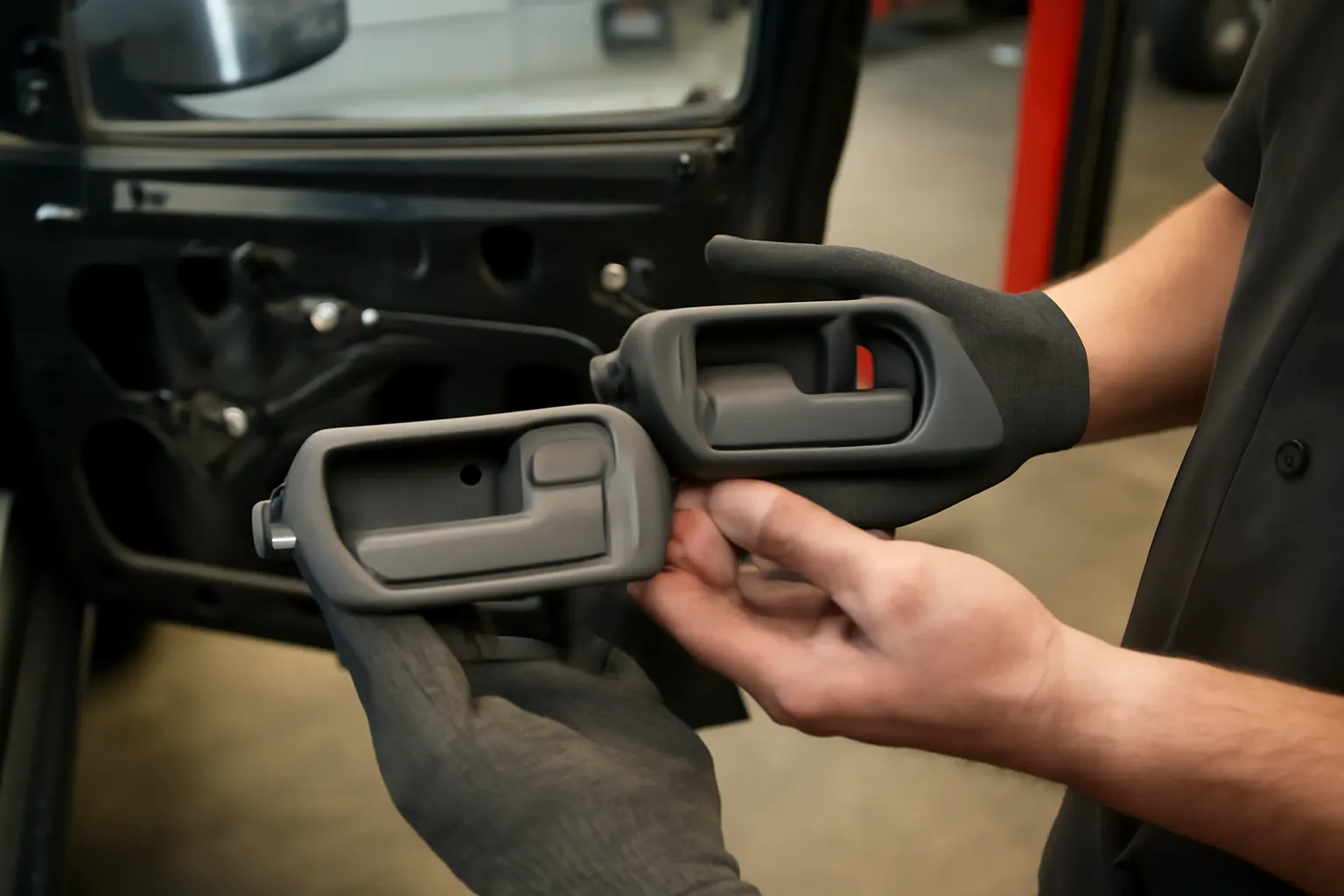
- Variable Fitment: Quality ranges from precise replicas to generic “one-size-fits-many” designs. Some may require minor modifications to install.
- Diverse Materials: May use lower-cost plastics or metals, sometimes sacrificing longevity or tactile feel.
- Testing Varies: Reputable brands may adhere to industry standards, but lesser-known brands might not test as rigorously.
- Custom Options: Some offer unique colors, finishes, or features not available from OEM.
- Wider Availability: Easier to find for older or rare vehicles, often at lower prices.
Common Pitfalls When Choosing Aftermarket Handles
Not all aftermarket handles are subpar, but there are pitfalls to avoid:
- Imprecise Fit: Handles that don’t align with factory mounting points can cause loose operation, rattling, or even damage to the door panel.
- Material Weakness: Cheaper plastics or thin metal levers can snap, especially in cold weather or after repeated use.
- Aesthetic Mismatch: Slight differences in color or texture may clash with your interior, reducing resale value.
- Lack of Safety Validation: Handles not tested to OEM or SAE standards may fail under stress, compromising emergency egress.
Fitment: The Foundation of a Successful Repair
Why Fitment Matters
A door handle’s geometry is tailored to each vehicle’s door architecture. Even a millimeter of misalignment can result in:
- Stiff or “sticky” operation
- Incomplete latching or unlocking
- Excessive play or looseness
- Increased wear on linkages and latch mechanisms
How to Ensure Proper Fitment
- Verify Part Numbers: Cross-reference your VIN with OEM part numbers or use manufacturer diagrams.
- Compare Dimensions: Measure your original handle and check mounting hole spacing, lever throw, and linkage attachment style.
- Read Reviews: Look for customer feedback specific to your vehicle make/model.
- Check Return Policies: Ensure the seller accepts returns if fitment is off.
Durability: What to Expect from OEM and Aftermarket Handles
OEM Durability
OEM handles are engineered for long service life—often exceeding 100,000 cycles of operation. They’re designed to resist:
- UV fading and cracking
- Chemical exposure from cleaners and hand oils
- Temperature extremes (hot summers, freezing winters)
- Repeated mechanical stress
Aftermarket Durability
Reputable aftermarket brands can approach OEM durability, but lower-cost options may cut corners. Signs of inferior durability include:
- Flimsy or lightweight feel
- Rough or uneven finishes
- Reports of premature breakage in reviews
Tip: Look for handles made with reinforced plastics, metal pivots, and corrosion-resistant coatings.
Safety Standards and Recalls: What You Need to Know
Regulatory Requirements
The NHTSA mandates that all replacement door handles (OEM or aftermarket) must allow for easy and reliable egress in emergencies (NHTSA Equipment Guidelines). Handles that fail this basic function can be subject to recalls and liability issues.
Recalls: A Hidden Risk
Both OEM and aftermarket handles have been subject to recalls for:
- Inability to open the door from inside
- Handles detaching or breaking unexpectedly
- Lock mechanism failures
Always check the NHTSA recalls database for your make/model and any part you’re considering.
Cost Comparison: Value Beyond the Price Tag
OEM Pricing
- Typically 2-3 times more expensive than aftermarket
- Justified by precise fit, tested durability, and factory finish
- May be the only option for newer or luxury vehicles
Aftermarket Pricing
- Wide price range: from bargain-bin generics to premium replicas
- Lower initial cost, but potential for more frequent replacement
- Some brands offer warranties rivaling OEM
Total Cost of Ownership
Factoring in installation labor, potential rework, and the inconvenience of repeat failures, the “cheaper” handle isn’t always the best value.
Installation Considerations: DIY vs. Professional Replacement
DIY Installation
Replacing an inside door handle is often within reach of a skilled DIYer, especially with the right tools and a step-by-step guide like our How to Replace an Inside Door Handle: Step-by-Step Guide.
DIY Checklist for Inside Door Handle Replacement
- Confirm exact part number for your vehicle
- Gather necessary tools (trim removal tools, screwdrivers, socket set)
- Disconnect vehicle battery (if near airbag or electrical components)
- Remove door panel carefully to avoid breaking clips
- Inspect and lubricate linkages before reassembly
- Test handle operation before reinstalling the door panel
- Check for smooth function and proper latch engagement
Professional Installation
If your vehicle has advanced side airbags, integrated electronic locks, or complex trim, professional installation may be wise. A technician can also diagnose underlying causes of handle failure, such as worn latch assemblies or binding linkages.
Diagnosing Handle Issues: OEM vs. Aftermarket Failures
Before replacing a handle, it’s essential to diagnose the root cause of the problem. Common causes include:
- Mechanical Wear: Lever or pivot point worn out from frequent use
- Material Fatigue: Plastic or metal cracked due to age or stress
- Linkage Failure: Rods or cables disconnected or bent
- Lock Mechanism Jam: Binding or seized latch can make the handle feel “stuck”
For a deeper dive into troubleshooting, see Diagnosing Door Lock and Handle Issues and Common Causes of Inside Door Handle Failure.
Material Technologies: How Composition Impacts Performance
The United States Department of Energy highlights the importance of advanced materials in automotive components for both performance and longevity (DOE Materials Technologies).
OEM handles often use:
- Glass-filled nylon for strength and resilience
- Powder-coated steel or zinc for levers and pivots
- UV-resistant finishes for color stability
Aftermarket handles may substitute with:
- Lower-grade ABS or polypropylene plastics
- Uncoated or thin-gauge stamped metal
- Inconsistent surface treatments
Key takeaway: Material quality directly affects how the handle feels in your hand, how it stands up to years of use, and how it performs in extreme conditions.
Buying Guide: How to Choose the Right Handle for Your Vehicle
Step-by-Step Sourcing Checklist
- Identify Your Vehicle: Year, make, model, trim level, and VIN.
- Determine OEM Part Number: Use manufacturer diagrams or dealer lookup tools.
- Assess Aftermarket Options: Research brands, read reviews, and compare materials.
- Check Certifications: Look for SAE or equivalent testing, and compliance with NHTSA requirements.
- Review Return Policy: Ensure you can return or exchange if fitment or quality is unacceptable.
- Inspect on Arrival: Compare new handle to original before installing; check for defects or mismatches.
- Test Thoroughly: After installation, verify smooth operation and secure mounting.
Maintenance Tips: Extending the Life of Your Inside Door Handle
Whether you choose OEM or aftermarket, proactive maintenance can maximize lifespan and performance:
- Keep Clean: Wipe down handles regularly to remove oils and dirt.
- Lubricate Linkages: Periodically apply suitable lubricant to moving parts.
- Avoid Excessive Force: Teach all users (especially children) to use gentle, straight pulls.
- Inspect Annually: Check for looseness, cracks, or color fading—address early to prevent failure.
AutoPartEx Positioning: Your Trusted Source for Quality Inside Door Handles
At AutoPartEx, we understand that inside door handles are more than just a convenience—they’re a vital part of your vehicle’s safety and usability. Our curated selection includes both OEM and rigorously vetted aftermarket options, ensuring you get the right balance of fit, function, and value for your specific needs.
Explore our Inside Door Handle: Precision, Safety, and Ergonomics for Modern Vehicles category to find the perfect match for your application, or consult our technical guides for expert installation and troubleshooting support.
Expert Action: Making the Best Choice
- For Daily Drivers: Prioritize OEM or high-quality aftermarket handles for long-term reliability.
- For Older Vehicles: Aftermarket can be a cost-effective solution, but verify fitment and material quality carefully.
- For Safety-Conscious Owners: Stick with parts that meet or exceed SAE and NHTSA standards.
- For DIYers: Follow a thorough diagnostic and installation process to ensure lasting results.
Still unsure? Let the AutoPartEx team help you identify, source, and install the right inside door handle for your vehicle. Our expertise is your advantage—drive with confidence, knowing your repair is done right.