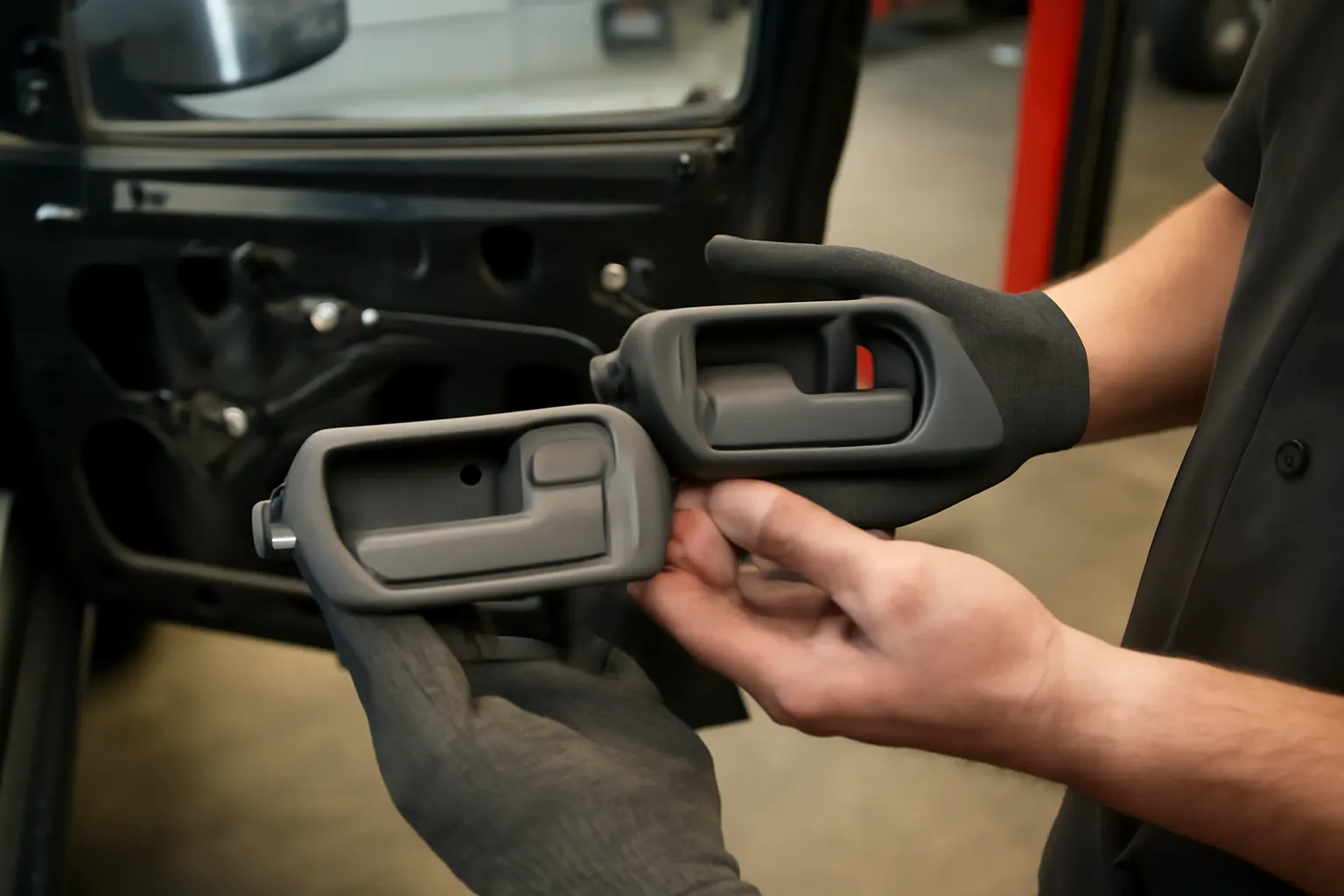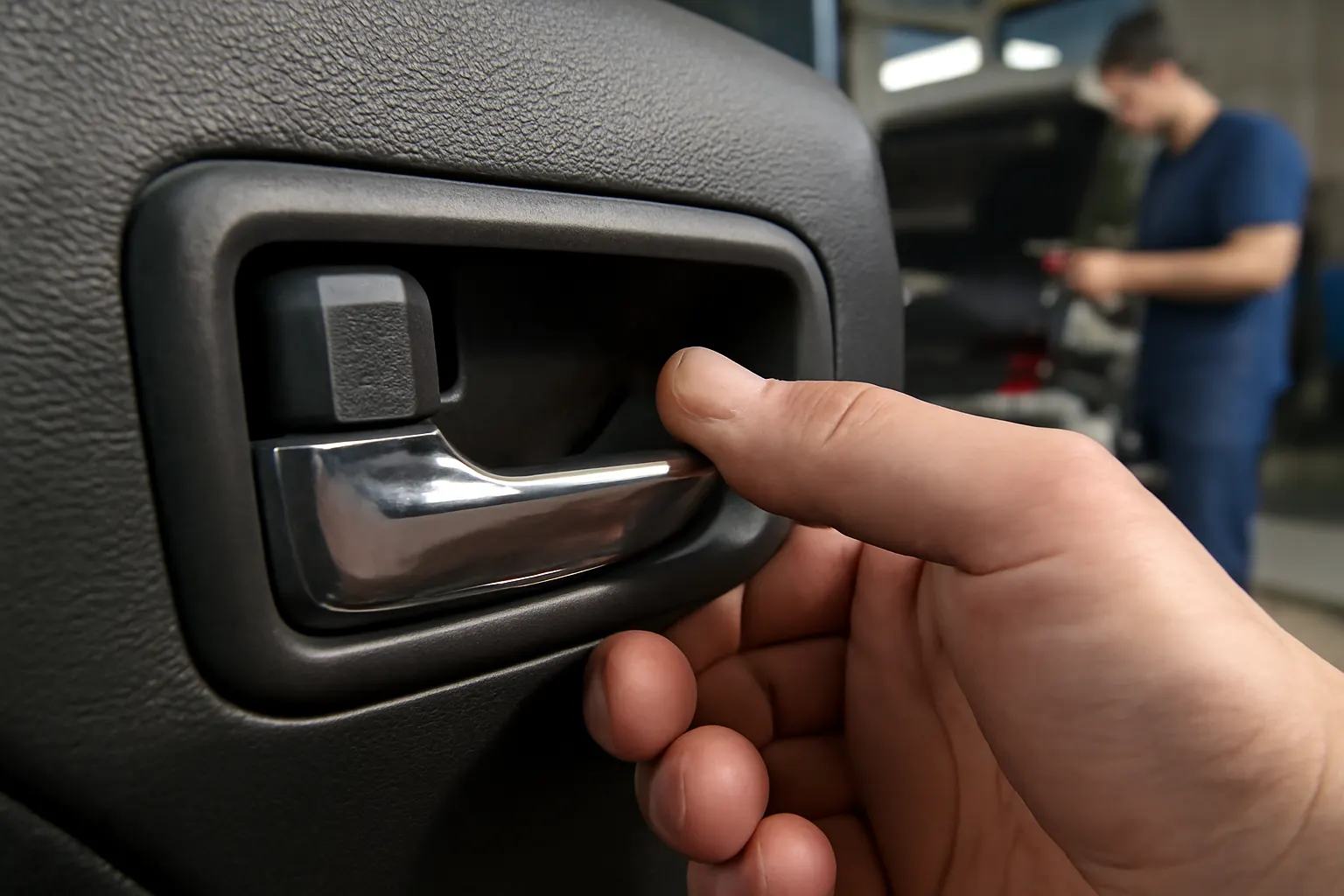
Common Causes of Inside Door Handle Failure
Inside door handles are a crucial interface between you and your vehicle, ensuring not only comfort and convenience but also safety in emergencies. When an inside door handle fails, it can leave occupants trapped or unable to secure their vehicle, posing a real safety risk. Understanding the most common causes of inside door handle failure—and how to prevent them—can save time, money, and stress, while keeping your vehicle compliant with safety standards. In this comprehensive guide, we’ll break down the primary reasons these components malfunction, offer practical diagnostic and prevention tips, and help you source the right replacement parts for your make and model. For a deeper dive into precision, safety, and ergonomics, see our Inside Door Handle: Precision, Safety, and Ergonomics for Modern Vehicles category page.
The Immediate Answer: Why Do Inside Door Handles Fail?
The most common causes of inside door handle failure are:
- Material fatigue and wear from repeated use
- Broken or stretched linkage cables/rods
- Poor-quality replacement parts or improper installation
- Corrosion and rust due to moisture intrusion
- Plastic degradation from UV exposure or age
- Mechanical obstruction or misalignment within the door mechanism
- Manufacturer defects or recalls
Each of these issues can prevent the handle from releasing the latch, resulting in a stuck door or a handle that feels loose, floppy, or unresponsive. Addressing these root causes early can prevent unexpected lockouts and ensure your vehicle remains safe and accessible.
The Hidden Problem: More Than Just an Inconvenience
While a broken inside door handle may seem like a minor annoyance, it’s actually a significant safety and compliance issue. The National Highway Traffic Safety Administration (NHTSA) emphasizes the importance of functional door latches and handles as critical safety equipment, essential for both normal operation and emergency egress [^1]. If a handle fails during an accident or emergency, occupants may be unable to exit the vehicle quickly, increasing the risk of injury.
In addition, faulty handles can compromise vehicle security, leaving your car vulnerable to theft or vandalism if the door cannot be closed or locked properly. For these reasons, prompt diagnosis and repair of inside door handle issues are vital—not just for comfort, but for safety and legal compliance.
Expanding the Problem: Technical Causes in Depth
Let’s examine the most frequent technical causes of inside door handle failure, and how they manifest in real-world scenarios:
1. Material Fatigue and Wear
Most inside door handles are used dozens of times daily. Over years, the repeated stress and motion cause metal or plastic components to weaken, crack, or deform. Handles made from lower-grade plastics are particularly prone to snapping at stress points, especially where the handle pivots or connects to the linkage.
2. Broken or Stretched Linkage Cables/Rods
Inside the door, a system of rods or cables connects the handle to the latch mechanism. These linkages can become stretched, kinked, or detached due to age, rough use, or improper installation. When this happens, pulling the handle may produce little or no movement at the latch, making the door impossible to open from inside.
3. Poor-Quality Replacement Parts
Aftermarket handles and linkages that don’t meet original equipment manufacturer (OEM) standards can fail prematurely. Inferior plastics, poor fitment, or substandard assembly can lead to early breakage or malfunction. Always source parts from reputable suppliers and confirm compatibility with your vehicle.
4. Corrosion and Rust
Moisture entering the door cavity—often through worn window seals or drain holes—can cause metal rods, cable ends, or pivot points to corrode over time. Rust increases friction and can eventually cause parts to seize or snap.
5. UV and Environmental Degradation
Plastic handles exposed to sunlight, heat, and fluctuating temperatures may become brittle and lose structural integrity. This is especially common in vehicles parked outdoors or in hot climates.
6. Mechanical Obstruction or Misalignment
If the internal door mechanism is misaligned—due to a previous repair, accident, or manufacturing defect—the handle may not move freely or may bind against other components. Objects dropped inside the door panel can also jam the linkage.
7. Manufacturer Defects and Recalls
Some vehicles are subject to manufacturer recalls for faulty door handles or latching mechanisms. Always check for recalls if you’re experiencing persistent issues, as replacement may be covered by the manufacturer [^2].
Diagnosing Inside Door Handle Failure
Before replacing parts, a systematic diagnosis is crucial. Here’s how to pinpoint the root cause of an inside door handle malfunction:
Step-by-Step Diagnostic Checklist
-
Visual Inspection
- Check for obvious cracks, breaks, or looseness in the handle.
- Inspect the handle’s movement—does it feel sloppy, stiff, or disconnected?
-
Functional Test
- Pull the handle and observe if the latch moves or if there’s resistance.
- Try the exterior handle and door lock to see if the issue is isolated to the inside handle.
-
Door Panel Removal
- Carefully remove the interior door panel to access the handle mechanism.
- Look for disconnected, bent, or broken linkage rods/cables.
- Inspect for rust, corrosion, or foreign objects obstructing movement.
-
Check for Recalls
- Use your vehicle’s VIN to search the NHTSA recalls database for known handle-related issues.
-
Evaluate Handle Material
- Examine the handle and linkage for signs of plastic brittleness or metal fatigue.
-
Test Linkage Movement
- Manually operate the latch via the linkage to determine if the problem is with the handle, linkage, or latch itself.
Material Quality: Why It Matters
Material selection is a critical factor in inside door handle longevity and performance. Handles and linkages are typically made from:
- ABS or Polycarbonate Plastics: Lightweight and cost-effective, but may become brittle over time.
- Die-Cast Metal: Strong and durable, but susceptible to corrosion if not properly coated.
- Composite Materials: Offer a balance of strength and weight, with improved resistance to environmental factors.
According to the United States Department of Energy, advanced materials technologies are increasingly being used to improve vehicle component performance, reduce weight, and extend lifespan [^3]. When selecting a replacement handle, prioritize options that meet or exceed OEM specifications for material strength and durability.
Installation Pitfalls: Common Mistakes That Lead to Early Failure
Even a high-quality handle can fail prematurely if not installed correctly. Common installation errors include:
- Over-tightening mounting screws, causing plastic to crack
- Failing to properly seat linkage rods or cables, leading to disconnection
- Neglecting to lubricate moving parts or pivots
- Reusing worn or corroded linkage hardware
For step-by-step guidance on correct installation, see our How to Replace an Inside Door Handle: Step-by-Step Guide.
Preventive Maintenance: Keeping Your Inside Door Handle Working
Routine inspection and maintenance can extend the life of your inside door handle and prevent unexpected failures. Here are practical tips:
Maintenance Checklist
- Inspect handles, linkages, and latch mechanisms annually for signs of wear or damage.
- Lubricate pivot points and linkages with a light automotive grease or silicone spray.
- Check for water intrusion in the door cavity, and clear blocked drain holes.
- Replace worn weatherstripping to prevent moisture and debris entry.
- Avoid slamming doors, which stresses handles and linkages.
- Address any handle looseness or abnormal feel immediately—don’t wait for complete failure.
Recognizing Early Warning Signs
Most inside door handle failures are preceded by subtle warning signs. Addressing these promptly can prevent complete malfunction:
- Handle feels loose, wobbly, or has increased play
- Handle does not return to its resting position after use
- Increased resistance or roughness when pulling the handle
- Door fails to open occasionally, but works after repeated attempts
- Unusual noises (clicks, pops, or grinding) during operation
If you notice any of these symptoms, inspect the handle and linkage before the problem escalates.
Sourcing the Right Replacement Inside Door Handle
When replacement is necessary, sourcing the correct part is critical for fitment, safety, and durability. Here’s what to consider:
- OEM vs. Aftermarket: OEM handles are designed to precise manufacturer specs, ensuring perfect fit and function. Quality aftermarket options can offer comparable performance at a lower cost but require careful selection. For a detailed comparison, read OEM vs. Aftermarket Inside Door Handles: What You Need to Know.
- Vehicle Compatibility: Handles are often model- and year-specific. Double-check part numbers and fitment guides.
- Supplier Reputation: Purchase from established vendors with clear return policies and documented quality standards.
- Material and Finish: Select materials suited to your climate and usage—metal for durability, UV-resistant plastics for sun-exposed vehicles.
Installation Guide: Getting It Right the First Time
Correct installation is as important as part selection. Here’s a summary of best practices:
- Gather Tools: Commonly needed are screwdrivers, trim removal tools, and needle-nose pliers.
- Disconnect Battery: For vehicles with electronic locks or airbags, always disconnect the battery to prevent accidental deployment.
- Remove Door Panel: Use trim tools to avoid damaging clips and finishes.
- Document Linkage Routing: Take photos before disassembly to ensure correct reinstallation.
- Install New Handle: Secure all fasteners to manufacturer torque specs; avoid overtightening.
- Lubricate Moving Parts: Apply appropriate lubricant to pivots and linkage connections.
- Test Operation: Before reinstalling the panel, test handle function and latch release from both inside and outside.
- Reinstall Panel and Hardware: Verify all electrical connections and clips are secure.
For a full walkthrough, see How to Replace an Inside Door Handle: Step-by-Step Guide.
Addressing Recalls and Safety Bulletins
If your vehicle’s inside door handles are failing prematurely, check for manufacturer recalls or technical service bulletins. The NHTSA recalls database provides up-to-date information by VIN or make/model. Recall repairs are typically performed at no cost by authorized dealers. Addressing these promptly is critical for your safety and may prevent further complications.
When to Call a Professional
While many inside door handle repairs are within reach for skilled DIYers, certain situations require professional expertise:
- Integrated electronic locks or airbags complicate access
- Handle failure coincides with central locking or alarm issues
- Severe corrosion or structural damage is present
- Repeated failures after DIY repairs
Professional technicians have the tools and experience to diagnose complex door mechanism issues, ensure proper installation, and verify compliance with safety standards such as those set by SAE International [^4].
The AutoPartEx Advantage: Sourcing, Guidance, and Support
At AutoPartEx, we understand the critical role inside door handles play in your vehicle’s safety, ergonomics, and daily usability. Our curated catalog covers a wide range of makes and models, including hard-to-find OEM and premium aftermarket options. Each part is vetted for material quality, fitment accuracy, and compliance with industry standards. Our technical guides, such as Diagnosing Door Lock and Handle Issues, empower you to tackle repairs confidently and correctly.
We don’t just sell parts—we provide the expertise and support you need to keep your vehicle safe, secure, and comfortable for years to come. Explore our Inside Door Handle: Precision, Safety, and Ergonomics for Modern Vehicles category for more information and product options.
Conclusion: Proactive Care for Lasting Safety and Comfort
Inside door handle failures are more than just a nuisance—they can impact your safety, vehicle security, and compliance with automotive standards. By understanding the common causes of failure, recognizing early warning signs, and following best practices for maintenance and replacement, you can keep your vehicle’s interior functioning flawlessly. Should you encounter persistent issues, consult trusted sources, review recall information, and don’t hesitate to seek professional help. With the right approach and quality parts from AutoPartEx, you’ll ensure your vehicle remains both safe and comfortable, mile after mile.