Common Causes of Inside Door Handle Failure
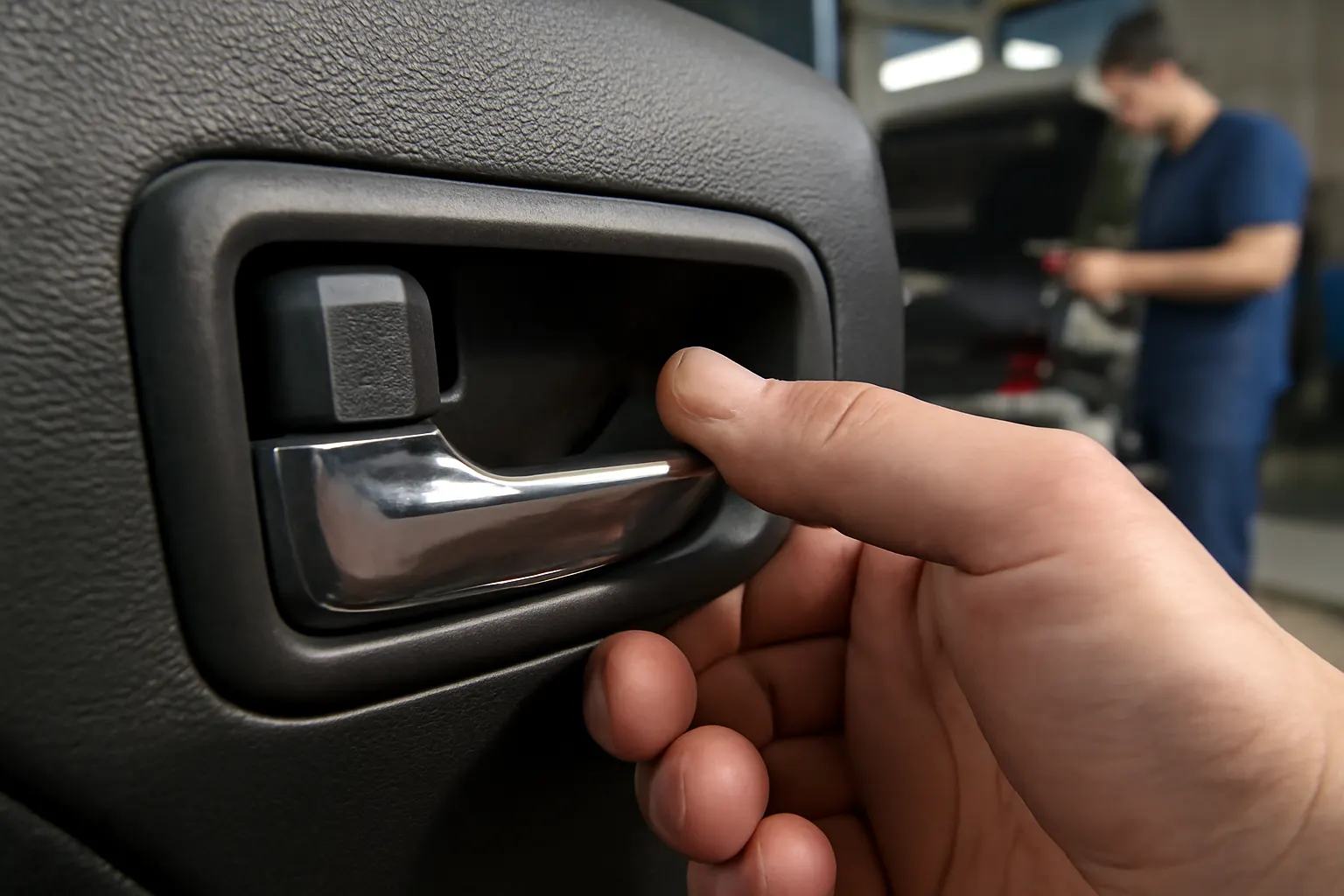
Inside door handles are a small but vital component of every vehicle, directly impacting safety, accessibility, and comfort. When an inside door handle fails, it can prevent occupants from exiting the vehicle quickly in an emergency or simply make daily use frustrating. This article explores the most frequent causes of inside door handle malfunctions, how to diagnose them, and what practical steps you can take to prevent failure in your own car or truck. If you’re looking for more technical details on inside door handle design and safety, or want to compare OEM and aftermarket options, you’ll find essential links and resources throughout this guide.
The Immediate Answer: Why Do Inside Door Handles Fail?
Most inside door handle failures are caused by a combination of mechanical wear, material fatigue, and environmental exposure. The most common culprits include:
- Plastic or metal fatigue from repeated use
- Broken or stretched linkage cables and rods
- Corrosion or rust buildup on internal mechanisms
- Improper installation or poor-quality replacement parts
- Physical damage from forced entry or accidents
Understanding these root causes is the first step in preventing inconvenient or even hazardous failures. Many of these issues can be detected early and addressed before a complete malfunction occurs.
The Hidden Problem: Compromised Safety and Unexpected Lockouts
While a broken handle may seem like a minor inconvenience, the underlying risks are significant. A failed inside door handle can:
- Trap passengers inside the vehicle in an emergency
- Prevent children or elderly occupants from exiting quickly
- Lead to failed safety inspections or even recalls
- Increase the risk of theft or unauthorized access if the handle is also linked to the locking mechanism
These risks are recognized by safety authorities such as the National Highway Traffic Safety Administration (NHTSA), which monitors and issues recalls for faulty door hardware that can compromise occupant safety [NHTSA Equipment].
Deeper Dive: How Inside Door Handles Work and Where They Fail
To appreciate why and how inside door handles fail, let’s break down the typical mechanism:
- Handle: The part you grip and pull, usually made of plastic, metal, or a composite.
- Linkage: Cables or rods connect the handle to the door latch assembly.
- Latch: The mechanism that secures the door closed and releases it to open.
Failure can occur at any of these points:
1. Handle Fatigue and Material Failure
Modern vehicles often use plastic for weight savings and cost, but repeated use leads to cracking, warping, or complete breakage. Metal handles, while more durable, can suffer from fatigue or corrosion, especially in regions with high humidity or exposure to road salt.
2. Linkage Issues
Cables can stretch or snap, and rods can bend or become disconnected. In some vehicles, plastic clips secure these linkages, and these clips are especially prone to breakage over time.
3. Latch and Mechanism Problems
If the latch mechanism becomes sticky, rusted, or jammed, it can put extra strain on the handle and linkage, accelerating failure elsewhere in the system.
Common Failure Modes: A Detailed Checklist
Use this checklist to diagnose and understand the most frequent inside door handle problems:
| Symptom | Likely Cause | Diagnostic Step | Repair Solution |
|---|---|---|---|
| Handle feels loose or wobbly | Worn pivot, broken mounting points | Inspect handle mounting | Replace handle or tighten fasteners |
| Handle moves but door won’t open | Disconnected/broken linkage, failed latch | Remove door panel, check linkage | Reconnect/replace linkage or latch |
| Handle sticks or binds | Corrosion, dirt, or damaged mechanism | Lubricate mechanism, inspect for rust | Clean/lubricate or replace parts |
| Handle is cracked or broken | Material fatigue, impact damage | Visual inspection | Replace handle with quality part |
| Handle works intermittently | Failing cable, loose connection | Cycle handle, check for smooth action | Adjust/replace cable or linkage |
Environmental and Usage Factors: What Accelerates Handle Wear?
Several external and usage-related factors can dramatically shorten the lifespan of inside door handles:
Repeated High-Force Use
Slamming doors, yanking handles, or using the handle as a pull assist can stress the mounting points and linkage beyond their design limits.
Temperature Extremes
Frequent freezing and thawing cycles can make plastics brittle and cause metal parts to contract and expand, loosening connections.
Humidity and Corrosion
Moisture entering the door panel (often through failed weather seals) can corrode metal linkages and latches, making them sticky or causing them to seize.
Poor Quality Replacement Parts
Low-cost aftermarket handles may use subpar materials or imprecise manufacturing, leading to premature failure. Always compare replacement part quality, especially for critical safety components.
Diagnosing Inside Door Handle Issues: Step-by-Step
Accurate diagnosis is crucial before ordering replacement parts or attempting a repair. Follow these steps:
1. Visual and Physical Inspection
- Check for obvious cracks, loose handles, or missing fasteners.
- Gently pull and release the handle to feel for smooth or sticky movement.
2. Remove the Door Panel
- Use trim tools to avoid damaging the panel.
- Inspect the linkage (cables or rods) for disconnections, stretching, or breakage.
3. Test the Latch Mechanism
- Operate the latch directly to see if it moves freely.
- Look for signs of rust, dirt, or old, gummy lubricant.
4. Compare Handle Action Across All Doors
- If only one handle is affected, it’s likely a local failure.
- If multiple handles feel weak, there could be a systemic issue (e.g., poor materials, widespread corrosion).
For more comprehensive diagnostic procedures, see our guide on Diagnosing Door Lock and Handle Issues.
Installation and Replacement: Avoiding Repeat Failures
Replacing an inside door handle is generally a straightforward DIY task, but there are pitfalls that can lead to premature failure:
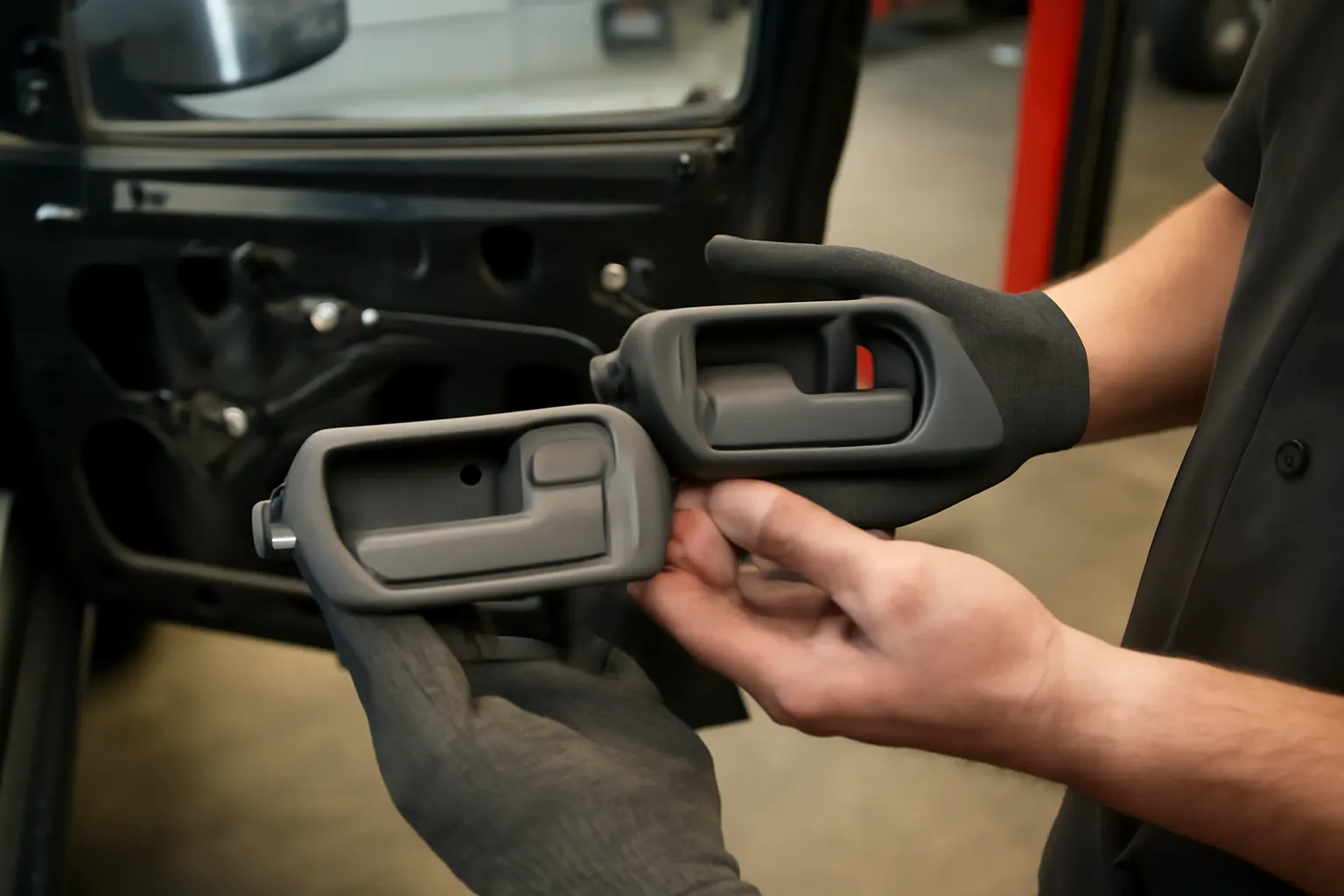
- Always use the correct part for your make and model. Even slight differences in mounting tabs or linkage length can cause fitment problems.
- Transfer all springs, clips, and fasteners from the original assembly if not included with the new handle.
- Torque fasteners to manufacturer specifications to avoid overtightening (which can crack plastic) or undertightening (which leads to looseness).
- Lubricate moving parts with a silicone-based lubricant to ensure smooth operation and resist water ingress.
For a step-by-step walkthrough, follow our How to Replace an Inside Door Handle: Step-by-Step Guide.
Preventive Maintenance: Extending Handle Life
You can significantly extend the life of your inside door handles with these preventive measures:
Regular Cleaning
- Wipe down handles and door panels periodically to remove dirt and grime.
- Clean around the handle pivot and linkage access holes to prevent buildup.
Lubrication
- Annually apply a light, silicone-based lubricant to the handle pivot and latch mechanism.
- Avoid grease that can attract dust or cause plastic swelling.
Inspect Weather Seals
- Check door weatherstripping for cracks or gaps that could let moisture into the door cavity.
- Replace seals as needed to prevent corrosion.
Teach Proper Use
- Remind all vehicle users to pull handles gently and avoid using them to pull the door closed with excessive force.
Material and Design Considerations: OEM vs. Aftermarket Handles
The choice between OEM (Original Equipment Manufacturer) and aftermarket replacement handles can influence longevity and safety:
- OEM handles are designed to meet strict safety and performance standards, using materials tested for durability and fit.
- Aftermarket handles can vary widely in quality. Some match or exceed OEM specs, but many use lower-grade plastics or metals that are more prone to failure.
When sourcing replacements, always research the manufacturer’s reputation and look for parts that meet or exceed SAE and NHTSA standards [SAE Standards].
For a detailed comparison, see OEM vs. Aftermarket Inside Door Handles: What You Need to Know.
The Role of Recalls and Vehicle Safety Standards
Inside door handle failures have led to vehicle recalls when widespread defects are discovered. The NHTSA maintains a recall database where you can check your vehicle’s make and model for open recalls related to door hardware.
Key points:
- Recalls often address failures that could trap occupants or prevent safe egress.
- Manufacturers are required to remedy affected vehicles at no cost.
- Ignoring a recall can leave you at risk and may affect insurance or resale value.
Always check for relevant recalls if you experience repeated or unexplained handle failures.
Buying Guidance: Selecting the Right Inside Door Handle
When shopping for a replacement inside door handle, consider the following:
Fitment
- Use your VIN or exact year, make, and model to ensure compatibility.
- Compare the shape, mounting points, and linkage type with your original handle.
Material Quality
- Prefer handles made from reinforced plastics or corrosion-resistant metals.
- Check product specifications for compliance with automotive standards.
Supplier Reputation
- Buy from reputable suppliers or platforms specializing in automotive parts.
- Look for warranties or satisfaction guarantees.
Complete Kits
- Some handles come as complete kits with linkage rods, clips, and fasteners.
- Complete kits reduce the risk of missing or incompatible components.
Checklist: Preventing Inside Door Handle Failure
Use this actionable checklist to keep your vehicle’s inside door handles in top condition:
- Inspect handles and linkage every 12 months or 15,000 miles.
- Lubricate all pivots and latches annually.
- Replace weather seals if you notice water inside the door panel.
- Use gentle, even pressure when operating handles.
- Address sticky or stiff handles immediately—don’t wait for total failure.
- Check for recalls related to your vehicle’s door hardware.
- Choose high-quality, vehicle-specific replacement parts.
- Follow manufacturer installation instructions precisely.
- Secure all linkage clips and fasteners during installation.
- Test handle operation thoroughly after any repair.
Beyond the Handle: Related Door Hardware Concerns
Inside door handle issues often point to larger door system problems:
- Door lock actuators and switches can fail, causing similar symptoms.
- Window regulators may share mounting points or linkages with the handle.
- Door alignment or sagging can put extra stress on handles and latches.
If you’re experiencing multiple door hardware issues, a holistic inspection is warranted. For more on related components, see our main Inside Door Handle: Precision, Safety, and Ergonomics for Modern Vehicles page.
AutoPartEx: Your Partner in Reliable Door Hardware Solutions
At AutoPartEx, we understand that the reliability of every component—no matter how small—matters for your vehicle’s safety and usability. Our curated inventory of inside door handles includes only parts that meet rigorous standards for fit, finish, and durability. Whether you’re a DIYer, a fleet manager, or a professional technician, our guides and technical support ensure you get the right part and the right outcome, every time.
If you’re ready to source a replacement or want expert guidance, explore our Inside Door Handle collection or connect with our technical team for personalized recommendations.
Conclusion: Proactive Care Prevents Handle Failure
Inside door handle failure is more than a nuisance—it’s a potential safety hazard. By understanding the most common causes, recognizing early warning signs, and following best practices for diagnostics, installation, and maintenance, you can avoid unexpected lockouts and costly repairs. Always prioritize quality parts, proper fitment, and regular care to keep your vehicle’s doors operating smoothly for years to come.