Advertisement
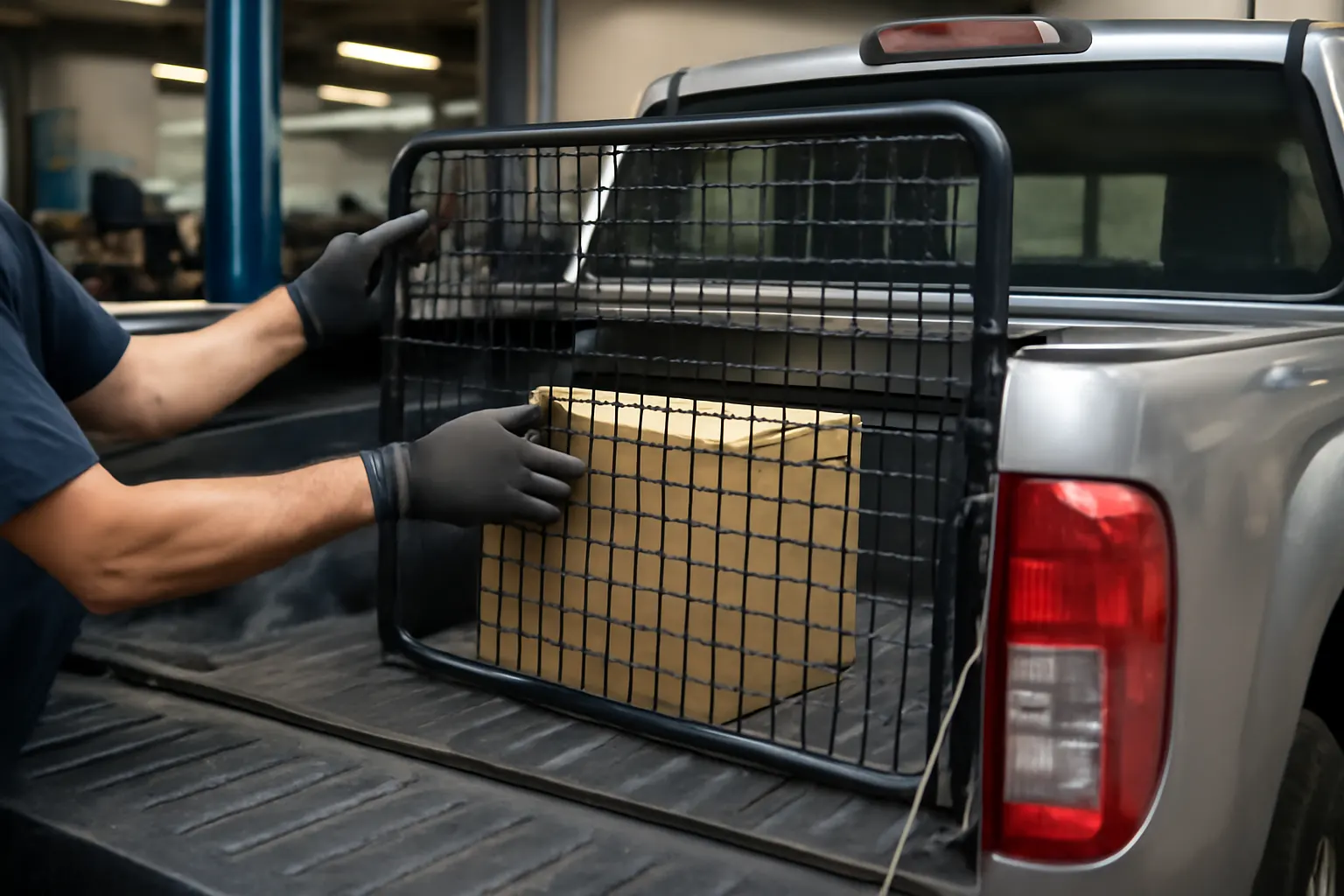
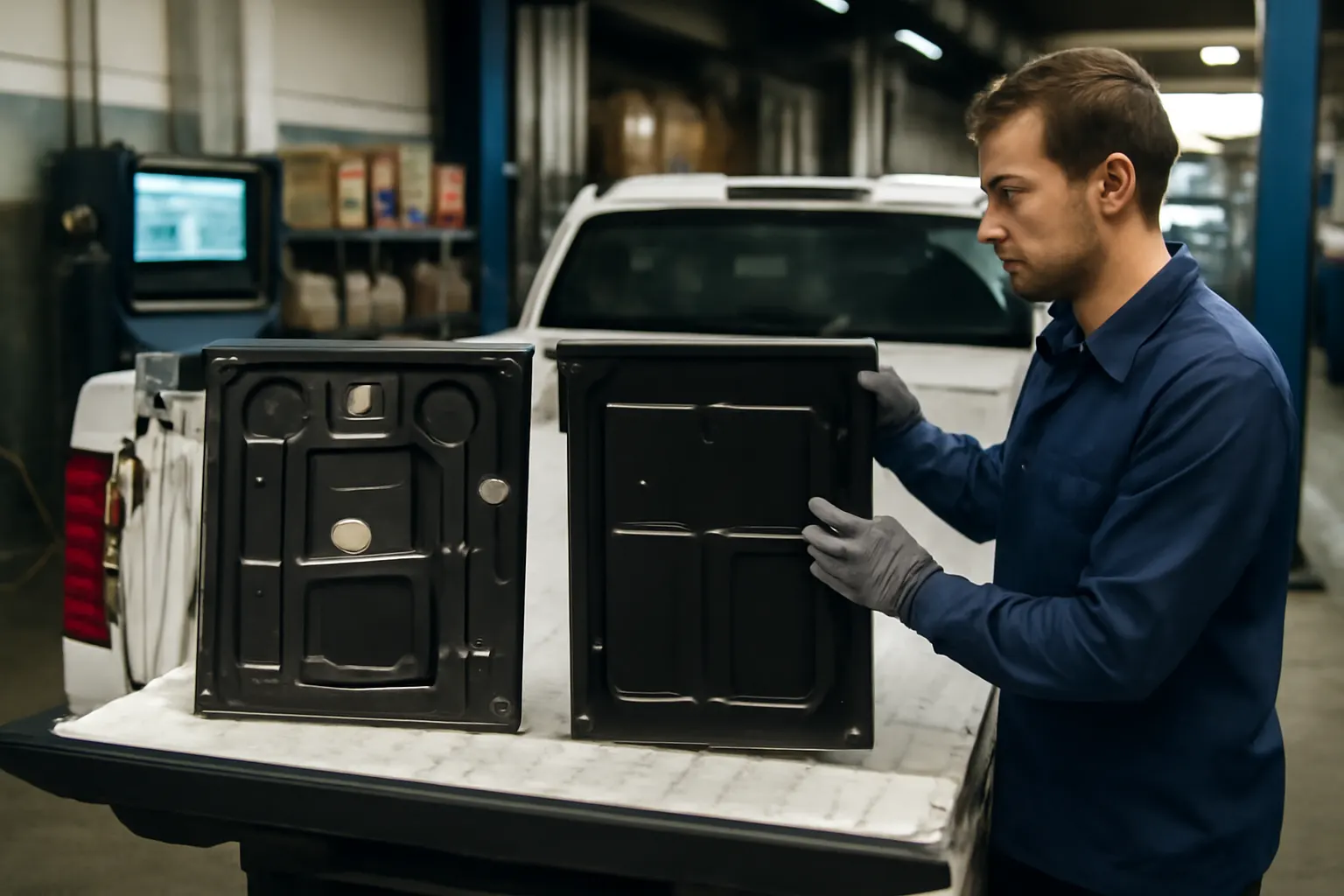
Choosing the right bed front panel for your pickup truck is not just a matter of cost—it’s a decision that impacts safety, durability, and the long-term value of your vehicle. When comparing OEM (Original Equipment Manufacturer) and aftermarket front panels, truck owners must weigh critical differences in crash safety, material quality, fitment, and installation requirements. This guide provides a comprehensive, technical comparison to help you make an informed choice, backed by industry standards and best practices. For further product listings and technical specs, visit the Bed Front Panel (Pickup) category.
The Immediate Answer: What’s the Real Difference?
OEM bed front panels are manufactured to the exact specifications set by the vehicle’s original maker, using approved materials and processes. They are designed to integrate seamlessly with your pickup bed, cab, and other structural components, ensuring optimal cargo containment and crash safety. Aftermarket panels, on the other hand, are produced by third-party manufacturers and may vary in material composition, thickness, and dimensional accuracy. While many aftermarket options offer cost savings and adequate functionality, they can differ in safety performance, durability, and ease of installation.
Key Takeaway: If you want guaranteed fit, original safety standards, and long-term reliability, OEM panels are the gold standard. Aftermarket panels can be a practical alternative for some applications, but require careful vetting to avoid hidden risks.
The Hidden Problem: Safety and Quality Gaps in Aftermarket Panels
While aftermarket front panels are widely available and often less expensive, not all are engineered to meet the same safety and structural standards as OEM parts. This can have serious implications:
- Crashworthiness: The bed front panel is a critical component in containing cargo during sudden stops or collisions. Subpar materials or incorrect fitment can compromise the safety of occupants and other road users.
- Structural Integrity: A poorly made panel may flex, deform, or fail under load, especially in high-stress scenarios such as heavy cargo transport or off-road use.
- Corrosion Resistance: Lower-grade metals or coatings used in some aftermarket products can lead to premature rust, weakening the panel and adjacent structures.
These issues are not always visible during installation, making it essential to understand the manufacturing standards and certifications behind each panel.
OEM Panels: Engineering, Materials, and Safety Compliance
OEM bed front panels are produced under rigorous quality control systems, using materials and processes specified by the vehicle manufacturer. Here’s what sets them apart:
Material Science and Structural Design
- Material Selection: OEM panels typically use high-strength steel or advanced composites, engineered for optimal weight, rigidity, and impact absorption. The U.S. Department of Energy emphasizes the importance of material technologies in vehicle safety and performance.
- Precision Manufacturing: Panels are stamped or molded to exact dimensions, ensuring a perfect match with the pickup bed, bed side, and overall chassis geometry.
- Protective Coatings: Factory-applied primers and anti-corrosion treatments extend the service life of the panel, especially in harsh environments.
Safety Testing and Certification
OEM parts are subject to extensive crash and durability testing, often in accordance with SAE standards and federal safety regulations. The National Highway Traffic Safety Administration (NHTSA) monitors equipment compliance, ensuring that original panels meet specific containment and protection criteria.
Aftermarket Panels: Cost, Variety, and Potential Pitfalls
Aftermarket panels offer broader choices in price and availability, but come with trade-offs:
Manufacturing Variability
- Diverse Sourcing: Aftermarket manufacturers may use different grades of steel or aluminum, sometimes substituting lighter or thinner materials to reduce costs.
- Dimensional Tolerances: Small deviations in stamping or molding can lead to fitment issues, requiring extra adjustments during installation.
Advertisement
Safety and Quality Concerns
- Limited Testing: Not all aftermarket panels undergo the same level of crash or durability testing as OEM parts.
- Certification Gaps: Some may lack third-party certifications or may not meet all applicable safety standards, increasing the risk of failure in critical situations.
Safety Performance: Crashworthiness and Cargo Containment
The primary function of the bed front panel is to prevent cargo from shifting into the cab or out of the pickup bed during sudden stops, collisions, or rollovers.
OEM Panel Performance
- Energy Absorption: Designed to deform in a controlled manner, OEM panels help dissipate impact forces, protecting both occupants and the vehicle structure.
- Cargo Barrier: Factory panels are tested to withstand specified loads, ensuring reliable containment of cargo under real-world driving conditions.
Aftermarket Panel Risks
- Unpredictable Behavior: Panels made from inferior materials or with improper geometry may buckle or detach under stress, failing to contain cargo effectively.
- Potential Liability: Inadequate containment can lead to injury, property damage, or legal consequences in the event of an accident.
Durability and Corrosion Resistance: Lifespan Matters
A bed front panel’s ability to resist wear, corrosion, and environmental exposure is crucial for the long-term integrity of the pickup bed.
OEM Advantages
- Factory Coatings: OEM panels are treated with advanced anti-corrosion coatings, often applied via electro-deposition or powder coating processes.
- Material Consistency: Use of high-grade steel or composites ensures uniform strength and resistance to dents, rust, and fatigue.
Aftermarket Considerations
- Variable Coatings: Some aftermarket panels may lack robust protective layers, making them susceptible to rust, especially in humid or salted-road environments.
- Thickness Variations: Thinner gauge materials are more prone to punctures, dents, and accelerated wear.
Installation Considerations: Fit, Complexity, and Tools
Whether you’re a DIY enthusiast or relying on a professional installer, the fit and ease of installation directly affect time, cost, and the finished result.
OEM Panel Fitment
- Precision Alignment: OEM panels are engineered to align with factory mounting points, requiring minimal modification.
- Hardware Compatibility: Fasteners, gaskets, and seals are designed for seamless integration, reducing the risk of leaks or rattles.
Aftermarket Panel Challenges
- Adjustment Required: Slight differences in shape or mounting hole locations may necessitate drilling, shimming, or bending to achieve a proper fit.
- Potential for Gaps: Poor fitment can lead to water ingress, noise, or premature corrosion at panel joints.
Installation Checklist:
| Step | OEM Panel | Aftermarket Panel |
|---|---|---|
| Pre-fit panel | Usually perfect | May require adjustment |
| Check mounting holes | Aligns with factory locations | May need drilling |
| Inspect hardware | OEM fasteners fit | May need custom hardware |
| Apply sealant/primer | As per manufacturer | Often required for extra sealing |
| Final alignment | Minimal shimming | May need shims or spacers |
| Tighten to spec | Use torque specs | May lack recommended specs |
Regulatory and Safety Standards: What’s Legally Required?
The NHTSA and other regulatory bodies set minimum standards for motor vehicle equipment, including structural panels. Here’s how OEM and aftermarket panels compare:
- OEM Compliance: Guaranteed to meet all federal requirements for crashworthiness and cargo containment. Recalls and safety notices are tracked through the NHTSA recall database.
- Aftermarket Uncertainty: Some aftermarket panels are certified to meet or exceed OEM standards, but others may not be tested or documented. Always request evidence of compliance or third-party certification.
Diagnosing Panel Issues: Signs of Subpar Quality or Fit
A compromised bed front panel can lead to safety hazards and costly repairs. Regular inspection is key, especially if your vehicle has an aftermarket or replacement panel.
Common Warning Signs
- Visible Rust or Corrosion: Indicates inadequate coatings or inferior metal.
- Panel Flex or Rattling: Suggests poor fit or insufficient structural rigidity.
- Leaking: Water ingress at seams points to improper sealing or alignment.
- Cargo Shifting: If loads move excessively, the panel may lack sufficient strength or securement.
Advertisement
Diagnostic Checklist
- Visually inspect for rust, dents, or paint flaking.
- Press on the panel to check for excessive flex.
- Listen for rattles during driving, especially over bumps.
- Spray water along seams to check for leaks inside the bed.
- After heavy cargo trips, inspect for panel deformation or fastener loosening.
Sourcing the Right Panel: What to Ask Before Buying
When purchasing a replacement bed front panel, ask these critical questions to avoid costly mistakes:
- Is the panel OEM, certified aftermarket, or generic aftermarket?
- What material and thickness is used?
- Does it come with a corrosion warranty?
- Are installation instructions and hardware included?
- Is there documentation of safety or compliance testing?
- Will it fit my specific make, model, and bed size without modification?
For a curated list of options and technical details, see our Bed Front Panel (Pickup) category page.
Maintenance and Protection: Extending Panel Life
Regardless of which type you choose, proper maintenance is essential for maximizing the lifespan and safety of your bed front panel.
Maintenance Best Practices
- Regular Cleaning: Remove dirt, salt, and debris to prevent corrosion.
- Inspect Seals and Fasteners: Tighten loose bolts and reseal joints as needed.
- Touch-Up Paint: Address chips or scratches promptly to prevent rust.
- Protective Coatings: Consider applying an aftermarket bed liner or rust inhibitor for added protection. Visit our bed liner section for compatible options.
For additional tips, see our guide on Preventing Front Panel Damage: Maintenance and Protection.
Installation Guidance: DIY vs. Professional Replacement
While many skilled owners can install a bed front panel with basic tools, the complexity of the job depends on the panel type and your vehicle’s condition.
DIY Considerations
- OEM panels: Generally straightforward if you follow factory procedures.
- Aftermarket panels: May require extra time for alignment, drilling, or sealing.
When to Hire a Professional
- Fitment Issues: If the panel does not align easily, professional bodywork may be necessary.
- Advanced Rust Repair: Severe corrosion may require welding or structural reinforcement.
- Warranty Concerns: Professional installation may be required for warranty coverage on some parts.
For step-by-step instructions, refer to our Bed Front Panel Replacement: Installation and Safety Guide.
Cost-Benefit Analysis: Weighing Price Against Long-Term Value
While aftermarket panels can be 30–50% less expensive upfront, hidden costs can arise if the part fails prematurely, causes fitment issues, or leads to additional repairs.
OEM Panel Value
- Higher Initial Cost: But often includes better materials, coatings, and guaranteed fit.
- Lower Long-Term Risk: Reduced likelihood of premature failure or safety issues.
Aftermarket Panel Value
- Lower Initial Cost: Savings can be significant for older vehicles or non-critical applications.
- Higher Potential Risk: May require more frequent maintenance or replacement.
Pro Tip: Factor in installation labor, potential rework, and long-term durability when comparing total cost of ownership.
Expert Recommendations: Making the Right Choice
When safety, structural integrity, and vehicle value are priorities, OEM panels are the recommended option—especially for late-model trucks, heavy-duty use, or when maintaining manufacturer warranty and resale value. If choosing an aftermarket panel, look for brands with documented safety testing, high-grade materials, and strong customer support.
Summary Checklist: OEM vs. Aftermarket Decision Guide
| Factor | OEM Panel | Aftermarket Panel |
|---|---|---|
| Safety Compliance | Guaranteed | Variable |
| Material Quality | High, consistent | Varies |
| Fitment | Exact | May require mods |
| Durability | Proven | Varies |
| Cost | Higher | Lower |
| Installation Ease | Straightforward | May be complex |
| Warranty | Often included | Varies |
AutoPartEx Positioning: Your Partner in Safe, Reliable Repairs
At AutoPartEx, we recognize that safety and quality are non-negotiable when it comes to your truck’s structural components. Our listings in the Bed Front Panel (Pickup) category feature only vetted OEM and premium aftermarket options, with technical specifications, compliance documentation, and expert installation advice. Whether you’re restoring a classic or upgrading your workhorse, trust AutoPartEx for the right part, every time.
For further reading on front panel safety and cargo protection, see our editorial: Bed Front Panel Safety: Cargo Containment and Protection.
References
Advertisement