
Bed, Pickup
What to Know Before Replacing Your Pickup Truck Bed
Replacing a pickup truck bed isn’t just about restoring looks or utility—it’s a decision that can impact safety, value, and long-term performance. Many owners overlook key factors that affect fitment, compatibility, and durability. This guide explores what truly matters when selecting a replacement bed, how to compare options, and where to find reliable evidence for making the right choice for your truck and needs.
Showing 1–8 of 78 products


More Bed, Pickup options
Filtering for Bed, PickupBrowse nearby inventory for this category without leaving the page. Use search to filter by price, part number, or city.
No Data Available
Please check back soon when more inventory is available for this part.
What to Know Before Replacing Your Pickup Truck Bed
The Overlooked Details of Pickup Bed Replacement
When considering a replacement bed for your pickup, most owners focus on visible damage or rust. However, one crucial step often missed is verifying the exact compatibility of the replacement bed with your truck’s year, make, and model. Even beds that look similar can have subtle differences in mounting points, wiring harnesses, or tailgate mechanisms. Overlooking these details can lead to costly installation issues or even compromise the safety and utility of your vehicle. This initial compatibility check is the foundation for a successful replacement project.
Another commonly overlooked aspect is the material and construction of the replacement bed. While steel beds are traditional, aluminum options are increasingly popular for their lighter weight and corrosion resistance. Yet, not all aluminum beds are created equal, and the choice between steel and aluminum should be informed by your typical usage, climate, and desired longevity. Owners frequently underestimate how these factors affect both immediate fit and long-term durability.
Lastly, many buyers assume that any used or salvage bed will suffice if it appears undamaged. However, hidden structural issues, prior repairs, or mismatched components can lead to future problems. Taking the time to inspect for hidden damage, check for recalls, and verify the bed’s origin can prevent headaches down the road. A thorough approach at the outset can save you time, money, and frustration as you move forward with your pickup bed replacement.

Understanding the Real Challenges of Pickup Bed Replacement
Replacing a pickup bed is not as simple as swapping one part for another. Each truck model and year may have unique specifications, mounting systems, and electrical connections for lighting or sensors. If these aren’t matched precisely, the replacement bed may not fit securely, leading to rattles, leaks, or even compromised safety in the event of a collision. This complexity is often underestimated, especially when purchasing beds from salvage sources or online marketplaces that may not guarantee compatibility.
Rust and corrosion are among the leading reasons owners seek replacement beds. While surface rust is easy to spot, structural rust hidden beneath bed liners or undercoatings can weaken mounting points and compromise the integrity of the replacement. Without a careful inspection, you might install a bed that looks fine but is already on its way to failure. This is particularly important in regions with harsh winters or frequent road salt use, where corrosion can progress rapidly.
Another challenge is ensuring the replacement bed has not been subject to a safety recall or manufacturer defect. While it’s common to check a vehicle’s VIN for open recalls, many buyers overlook the need to check the donor vehicle’s history as well. Beds from recalled vehicles may have design flaws or structural weaknesses that could affect your truck’s safety. The National Highway Traffic Safety Administration (NHTSA) provides tools for checking recall status, but this step is often skipped in the rush to secure a replacement part.
Electrical compatibility is another potential pitfall. Modern pickup beds often include integrated lighting, backup cameras, or sensor systems. Swapping beds without ensuring full electrical compatibility can result in malfunctioning lights or warning systems, which may not only be inconvenient but also unsafe or illegal. This is especially relevant for newer trucks with advanced driver assistance features tied into the bed’s wiring harness.
Fitment issues can also arise from differences in bed length, width, or sidewall height—even among beds from the same manufacturer. Small changes between model years or trim levels can mean that a bed from a similar-looking truck won’t bolt up properly. This can lead to gaps, misaligned tailgates, or even interference with suspension and fuel filler components. Careful measurement and cross-referencing of part numbers are essential to avoid these problems.
Finally, buyers often overlook the importance of documentation and a clear repair order. Without a detailed record of the replacement process, including parts used and any modifications made, future repairs or resale can become complicated. Incomplete documentation can also make it difficult to resolve disputes with sellers or installers if issues arise later. Keeping thorough records is a simple yet powerful way to protect your investment and ensure long-term satisfaction with your pickup bed replacement.
How to Choose and Install the Right Pickup Bed
The first step in a successful pickup bed replacement is to confirm the exact compatibility of the replacement bed with your truck. Start by referencing your vehicle’s VIN to determine the precise year, make, and model. Use this information to cross-check part numbers and fitment guides from reputable sources. If you’re considering a used or salvage bed, obtain the VIN of the donor vehicle and verify it against manufacturer databases to ensure it matches your truck’s specifications.
Next, inspect the replacement bed thoroughly for signs of rust, structural damage, or previous repairs. Pay special attention to mounting points, crossmembers, and the underside of the bed. If possible, remove any bed liners or coatings to check for hidden corrosion. For aluminum beds, look for signs of fatigue or cracking, particularly around welds and stress points. Bring a trusted technician or body shop professional if you’re unsure what to look for.
Before purchasing, check the recall history of both your truck and the donor vehicle using the NHTSA’s online tools. Enter the VINs to see if there are any open recalls related to the bed or associated components. If a recall is present, follow the manufacturer’s instructions for remedy or choose a different bed. This step is critical for ensuring the safety and reliability of your replacement.
Consider the material of the replacement bed based on your needs. Steel beds are robust and repairable but prone to rust in harsh climates. Aluminum beds offer corrosion resistance and weight savings but may be more susceptible to certain types of damage. Refer to comparison guides such as the "Choosing the Right Pickup Bed: Steel vs Aluminum Comparison" to weigh the pros and cons for your specific use case.
When it comes to installation, follow a detailed alignment and mounting procedure. Reference guides like "Pickup Bed Replacement: Installation and Alignment Guide" for step-by-step instructions. Proper alignment ensures the bed sits level, the tailgate operates smoothly, and all mounting bolts are torqued to specification. Don’t rush this process—improper installation can lead to leaks, rattles, or premature wear.
Address electrical connections with care. Match wiring harnesses for lights, sensors, and cameras precisely. If your replacement bed lacks certain features, consider transferring components from your original bed or sourcing compatible parts. Test all electrical systems before finalizing installation to ensure full functionality and compliance with safety regulations.
Document every step of the replacement process. Keep a written repair order detailing the condition of the original bed, parts used, labor performed, and odometer readings. This documentation is invaluable for future maintenance, warranty claims, or resale. The Federal Trade Commission (FTC) recommends obtaining written estimates and completed repair orders for all major repairs, including bodywork and part replacements.
Finally, protect your investment by applying rust prevention treatments and maintaining the new bed according to manufacturer recommendations. Regular cleaning, inspection, and touch-up of scratches or chips can extend the life of your replacement bed. For more tips, consult resources like "Preventing Pickup Bed Rust: Maintenance and Protection" to keep your truck looking and performing its best over the long haul.
What the Evidence Says About Pickup Bed Replacement
The National Highway Traffic Safety Administration (NHTSA) provides a comprehensive overview of the recall process and the importance of checking recall status before installing any major vehicle component, including pickup beds. According to the NHTSA, searching a vehicle’s VIN can reveal whether there are any unrepaired recalls associated with that specific vehicle. This is crucial for replacement beds sourced from salvage yards or donor vehicles, as it ensures you are not installing a component that may have a known safety defect. However, the NHTSA also notes that recall information is only available for vehicles less than 15 years old and may not cover all specialty or international vehicles. This means buyers should supplement the VIN check with a thorough inspection and, where possible, seek out additional documentation from the seller. NHTSA: Vehicle Recalls
The NHTSA’s recall database also clarifies that a recall lookup by year, make, and model provides general results, not a guarantee of a specific part’s recall status. Only a VIN-specific search can confirm whether a particular vehicle—or its bed—has an outstanding safety issue. This distinction is important for buyers considering beds from vehicles with similar appearances but different production runs or trim levels. The NHTSA emphasizes the need for regular recall checks and registering your vehicle and equipment to receive timely safety alerts. This proactive approach helps owners avoid inadvertently installing recalled or defective parts. NHTSA: Vehicle Recalls
The Federal Trade Commission (FTC) offers general consumer guidance for auto repairs, emphasizing the importance of obtaining a written repair estimate and a completed repair order. The FTC distinguishes between new, remanufactured, and salvage parts, noting that salvage parts are taken from other vehicles without alteration. This is directly relevant for pickup bed replacements, as most used beds fall into the salvage category. The FTC advises consumers to understand the coverage and terms of any warranty offered, as there is no standard warranty on repairs or parts. This underscores the need for clear documentation and communication with the seller or installer. FTC: Auto Repair Basics
The FTC also recommends comparing shop recommendations with the manufacturer’s maintenance schedule and asking for explanations if extra services are proposed. While this advice is not specific to pickup beds, it reinforces the importance of aligning replacement decisions with documented manufacturer guidance. For pickup beds, this means verifying that the replacement matches the original specifications and that any deviations are justified and documented. This approach helps prevent unnecessary expenses and ensures the replacement bed will perform as expected. FTC: Auto Repair Basics
Neither the NHTSA nor the FTC provides specific technical specifications or fitment guarantees for pickup beds. Instead, their guidance focuses on process: verifying compatibility, checking for recalls, obtaining documentation, and understanding the nature of salvage parts. This means buyers must take an active role in gathering evidence, cross-referencing part numbers, and seeking professional advice when needed. The lack of a universal guarantee makes due diligence all the more important when sourcing a replacement bed.
While there are no published statistics on pickup bed failure rates or owner satisfaction with replacement beds, the available evidence supports a cautious, evidence-based approach. The NHTSA’s recall process shows that safety issues can arise from defective parts, and the FTC’s consumer advice highlights the variability in part quality and warranty coverage. Together, these sources establish the importance of thorough research, documentation, and professional installation for any major vehicle component replacement.
For those seeking more detailed comparisons, resources like "Choosing the Right Pickup Bed: Steel vs Aluminum Comparison" and "Pickup Bed Replacement: Installation and Alignment Guide" provide practical advice on material selection and installation procedures. While these guides do not constitute official technical evidence, they offer valuable insights into the factors that affect fitment, durability, and utility. Consulting such resources, in conjunction with official recall and repair guidance, equips buyers to make informed decisions and avoid common pitfalls.
Take the Next Step Toward a Reliable Pickup Bed Replacement
Replacing your pickup bed is a significant investment that deserves careful planning and attention to detail. Start by verifying compatibility, inspecting for hidden issues, and checking recall status using your VIN. Gather written estimates, document all work performed, and consult both official guidance and practical comparison resources. By following these steps and seeking professional advice when needed, you’ll ensure your replacement bed delivers the safety, utility, and longevity you expect. Explore our full range of pickup beds and related guides to make your next project a success.
References
- NHTSA: Vehicle Recalls
- FTC: Auto Repair Basics
References
- NHTSA: Vehicle Recalls - NHTSA, accessed 2026-11-01
- FTC: Auto Repair Basics - FTC, accessed 2026-11-01
Related Guides & Articles

Pickup Bed Replacement: Installation and Alignment Guide
Many truck owners and even some repair shops underestimate the complexity of pickup bed replacement. Common pitfalls include: Frame Damage Ignored: Failing to inspect and repair underlying frame issues before bed installation leads to misalignment and premature wear. Incorrect Fastener Torque: Under- or over-tightening bed bolts can cause rattles, bed movement, or even frame distortion. Material Incompatibility: Swapping a steel bed for aluminum (or vice versa) without proper isolation can accelerate corrosion and reduce structural integrity .
View Guide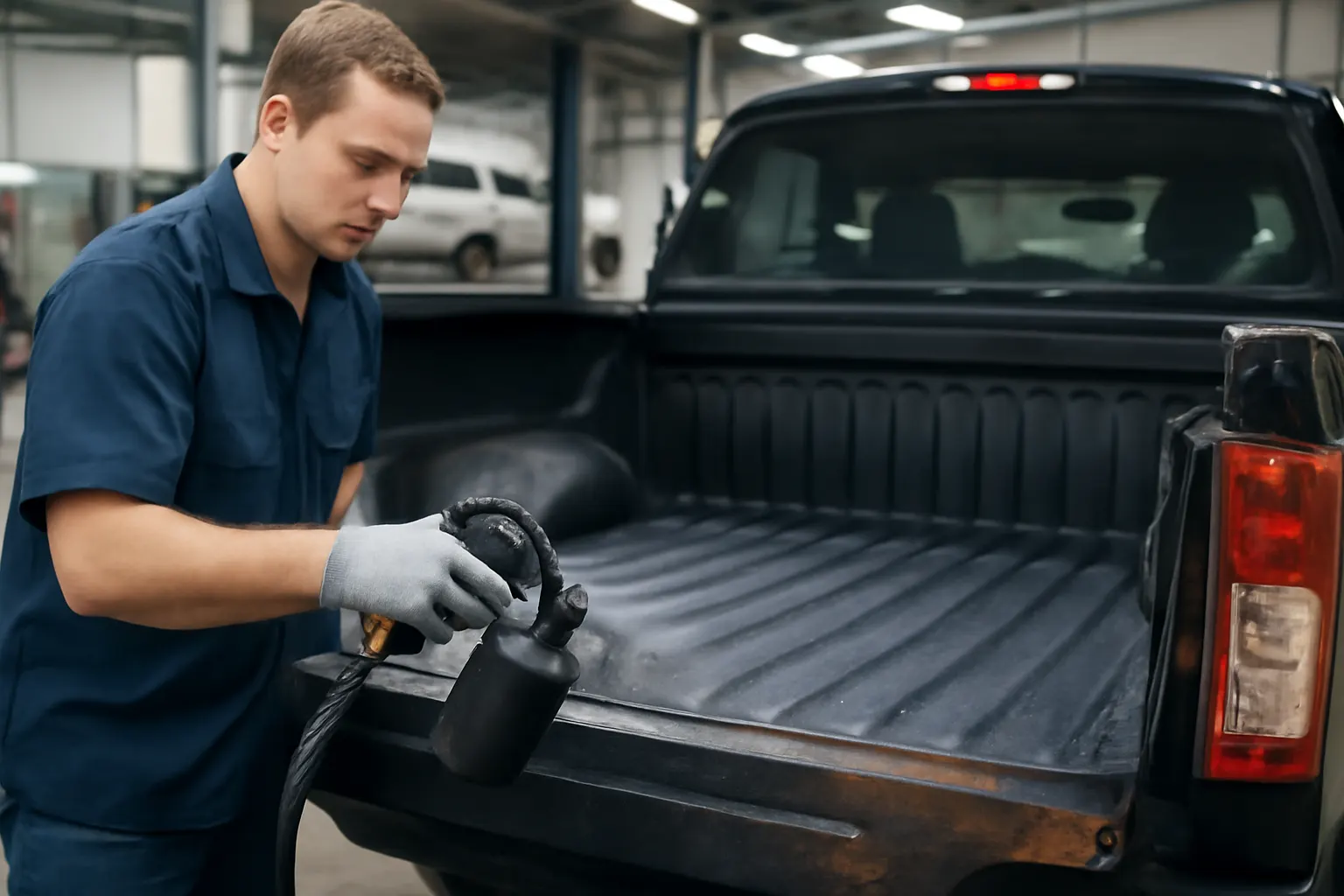
Preventing Pickup Bed Rust: Maintenance and Protection
To prevent rust and corrosion in your pickup truck bed: Wash and dry the bed regularly, especially after exposure to moisture, road salt, or chemicals. Inspect for chips, scratches, or dents and repair them promptly with touch-up paint or rust inhibitors. Apply protective coatings such as spray-on or drop-in bed liners. Use a tonneau cover or tarp to shield the bed from rain, snow, and UV exposure. Keep drains and weep holes clear to prevent standing water.
Read More
Choosing the Right Pickup Bed: Steel vs Aluminum Comparison
Steel beds are heavier, which can lower your truck’s payload capacity and negatively affect fuel economy. Aluminum beds, being significantly lighter, can improve acceleration, braking, and overall efficiency. According to the U.S. Department of Energy, reducing vehicle weight by 10% can improve fuel economy by 6–8% (DOE Materials Technologies). However, lighter beds may be more susceptible to certain forms of damage if not engineered correctly. Steel is highly impact-resistant, tolerating dropped tools, shifting loads, and rough terrain.
View Guide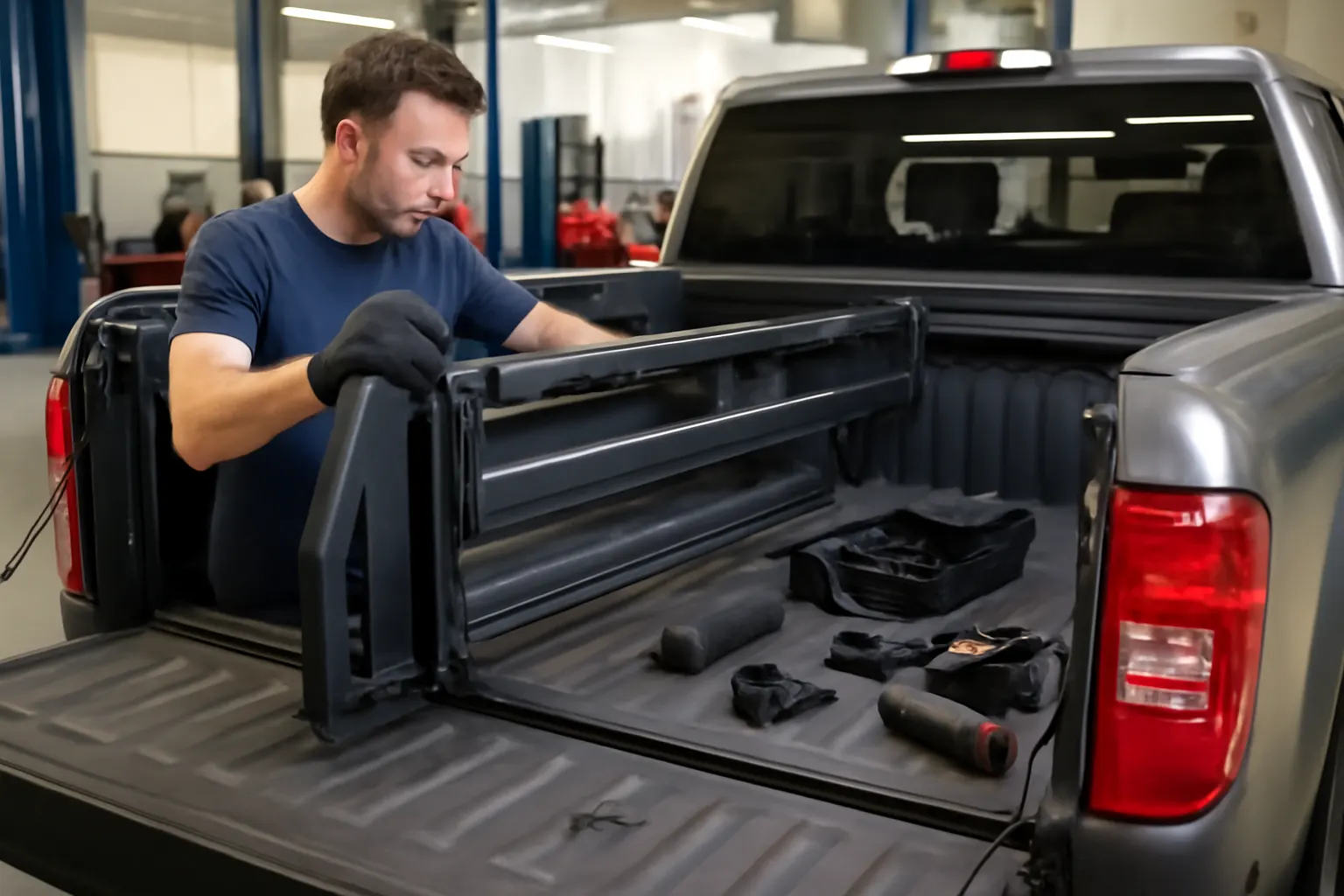
Maximizing Pickup Bed Utility: Accessories and Modifications
Pickup trucks are legendary for their versatility, and the bed is the heart of that utility. Whether you’re hauling work equipment, transporting recreational gear, or simply making the most of your vehicle’s storage, maximizing your pickup bed’s utility is essential. With the right accessories, cargo management systems, and modifications, you can transform your truck bed into a highly functional, adaptable workspace or cargo hauler—without compromising safety, efficiency, or resale value.
Read More