Advertisement
Preventing Pickup Bed Rust: Maintenance and Protection
Rust is the most persistent threat to the integrity and value of a pickup truck bed. Whether you use your truck for work, recreation, or daily driving, keeping the bed rust-free is essential for safety, performance, and resale value. This guide delivers actionable strategies to prevent rust and corrosion, extend the life of your pickup bed, and maintain full cargo capacity through practical maintenance and protection methods. If you’re seeking parts, upgrades, or technical support, the Bed, Pickup category at AutoPartEx offers a comprehensive inventory and expert resources.
Immediate Answer: How to Prevent Pickup Bed Rust
To prevent rust and corrosion in your pickup truck bed:
- Wash and dry the bed regularly, especially after exposure to moisture, road salt, or chemicals.
- Inspect for chips, scratches, or dents and repair them promptly with touch-up paint or rust inhibitors.
- Apply protective coatings such as spray-on or drop-in bed liners.
- Use a tonneau cover or tarp to shield the bed from rain, snow, and UV exposure.
- Keep drains and weep holes clear to prevent standing water.
- Remove debris, leaves, and cargo residue that trap moisture.
By following these steps, you can significantly reduce the risk of rust, preserving both the structural integrity and appearance of your pickup bed.
The Hidden Problem: Rust Threatens More Than Looks
Surface rust on a pickup bed is more than a cosmetic issue. Left unchecked, it can:
- Compromise the structural strength of the bed, reducing its load-carrying capacity.
- Spread to the truck frame, tailgate, and other vital components.
- Trigger safety concerns, especially if rust perforates the bed floor or mounting points.
- Lead to expensive repairs or necessitate full pickup bed replacement.
- Diminish resale value and may cause a failed safety inspection.
Modern truck beds are engineered for durability, but even the best designs are vulnerable to corrosion from environmental exposure, physical damage, and neglect. Understanding the underlying causes of rust is critical to effective prevention.
Why Pickup Beds Rust: Technical Causes and Materials Science
Material Vulnerabilities
Most pickup beds are constructed from stamped steel or, increasingly, aluminum alloys. While steel offers strength and affordability, it is inherently prone to oxidation when exposed to moisture and oxygen. Aluminum, though more resistant, is not immune—especially in the presence of road salts or dissimilar metal contact, which can accelerate galvanic corrosion.
According to the U.S. Department of Energy’s Materials Technologies research, advances in coatings and alloys have improved corrosion resistance, but no material is maintenance-free. Protective paint and coatings can be breached by scratches, dents, or chemical exposure, exposing bare metal and initiating the rust process.
Environmental and Operational Factors
- Climate: Humid, wet, or coastal environments dramatically increase rust risk.
- Road Treatments: Salt and de-icing chemicals promote rapid corrosion, especially in winter.
- Physical Damage: Cargo movement, impacts, or tool drops can chip coatings and create rust starting points.
- Neglect: Failing to clean or dry the bed allows moisture and debris to accumulate, accelerating corrosion.
Signs of Rust: Early Detection Checklist
Early intervention is crucial. Use this checklist to inspect your pickup bed for signs of rust and corrosion:
Visual Inspection Points:
- Surface Discoloration: Look for orange, brown, or bubbled spots on the bed floor, sides, and seams.
- Paint Damage: Check for chipped, scratched, or flaking paint exposing bare metal.
- Underside Examination: Inspect the underside of the bed and wheel wells for rust patches.
- Drainage Areas: Examine drains and weep holes for blockages and corrosion.
- Mounting Points: Assess bolt holes, tie-downs, and bed rail areas for rust.
Advertisement
Physical Checks:
- Tap Test: Gently tap suspect areas with a rubber mallet—soft or hollow sounds may indicate hidden rust.
- Probe Test: Use a plastic pick to probe seams and corners for soft spots or perforations.
Routine inspections—especially after harsh weather or heavy use—catch rust early and prevent it from spreading.
Maintenance Schedule: Routine Actions to Prevent Rust
Consistent maintenance is your best defense. Follow this schedule to keep rust at bay:
Weekly
- Remove debris, leaves, and cargo residue.
- Rinse dirt and salt from the bed, especially in winter or after off-road use.
Monthly
- Wash the bed thoroughly with automotive soap and water.
- Inspect for scratches, chips, or dents; treat immediately.
- Check weep holes and drains for blockages.
Quarterly
- Apply a fresh coat of wax or protectant to painted surfaces.
- Inspect and clean the underside of the bed.
Annually
- Deep clean the bed, including seams and mounting points.
- Touch up paint and apply rust inhibitors as needed.
- Inspect bed liners, covers, and seals for wear or damage.
Protective Solutions: Liners, Coatings, and Covers
Bed Liners
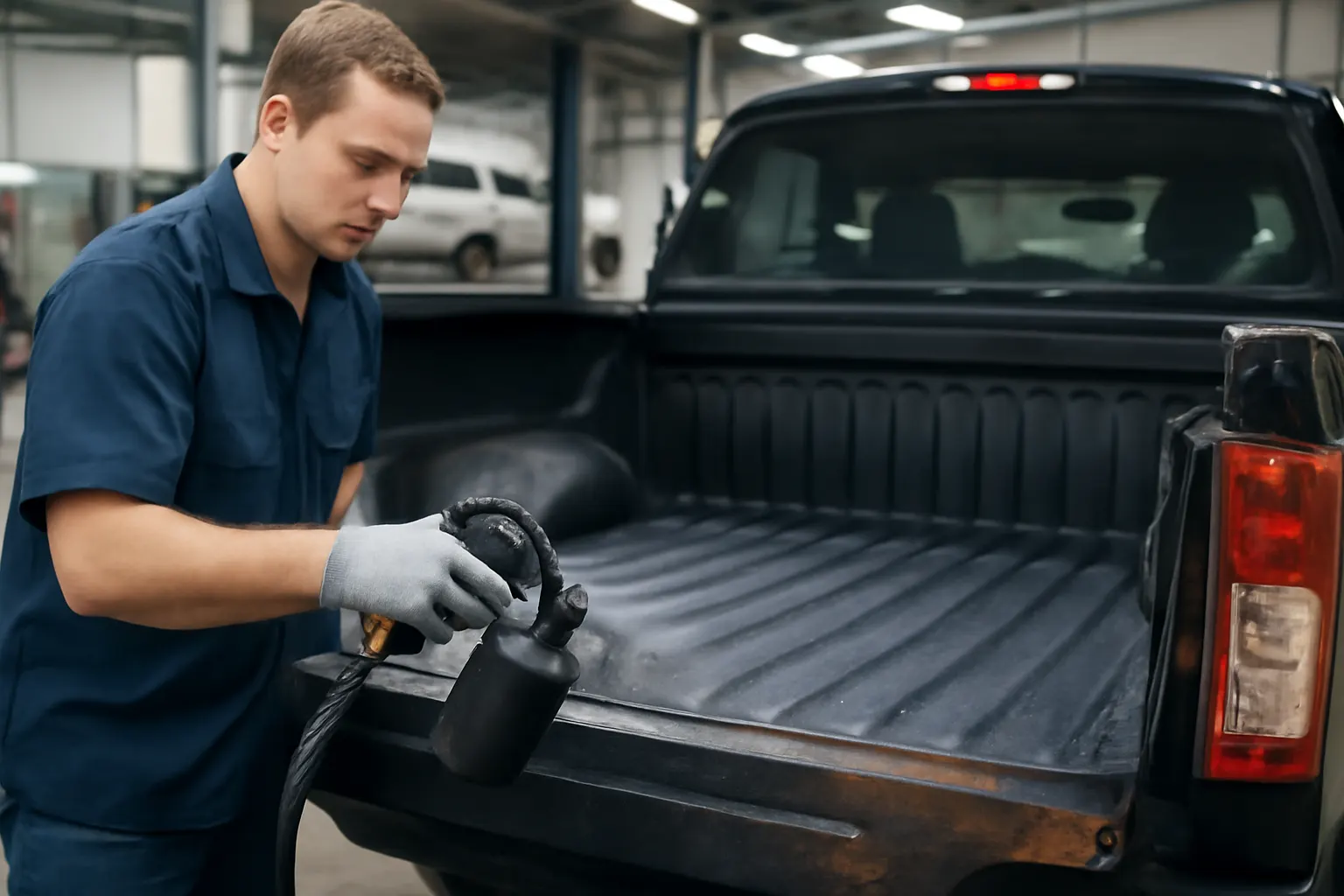
- Spray-On Liners: Provide a seamless, durable barrier against moisture and abrasion. Professional installation is recommended for optimal adhesion and coverage.
- Drop-In Liners: Offer quick installation and removal but may trap moisture underneath if not properly fitted and vented.
Paint and Coatings
- Touch-Up Paint: Seals minor chips and scratches before rust can start.
- Rust Inhibitor Sprays: Apply to vulnerable areas, especially the underside and seams.
- Bed Paint Kits: Specialized kits provide tough, textured coatings for DIY bed protection.
Covers and Shields
- Tonneau Covers: Shield the bed from rain, snow, and UV, reducing moisture exposure and keeping cargo dry.
- Tarps: A budget-friendly alternative for temporary protection.
A combination of liners and covers offers the best protection, especially for trucks exposed to harsh conditions or heavy use.
Dealing with Existing Rust: Step-by-Step Remediation
If rust is already present, prompt action is necessary to halt progression and restore integrity.
Step 1: Clean and Dry
- Remove all cargo and loose debris.
- Wash the area thoroughly and allow it to dry completely.
Step 2: Remove Rust
- Use a wire brush, abrasive pad, or drill-mounted wheel to remove surface rust.
- For pitted or perforated areas, sand down to bare metal.
Step 3: Treat and Seal
- Apply a rust converter to neutralize remaining corrosion.
- Prime the area with an automotive-grade primer.
- Apply touch-up paint or bed coating for a sealed finish.
Step 4: Prevent Recurrence
- Install or repair bed liners and covers.
- Maintain regular cleaning and inspection.
Severe rust or structural damage may require panel replacement or professional repair—refer to the Pickup Bed Replacement: Installation and Alignment Guide for detailed procedures.
Advanced Protection: Modern Materials and Technologies
Advancements in materials science have led to more corrosion-resistant pickup beds. Manufacturers now use:
- Galvanized Steel: Coated with zinc to resist oxidation.
- Aluminum Alloys: Naturally resistant but require attention to prevent galvanic corrosion.
- Factory-Applied Coatings: E-coat and powder coatings provide uniform protection.
Despite these improvements, no material is immune to environmental exposure and physical damage. The U.S. Department of Energy’s Materials Technologies initiative continues to research and develop new solutions, but owner vigilance remains essential.
If you’re considering a new bed, see the Choosing the Right Pickup Bed: Steel vs Aluminum Comparison for material-specific maintenance tips.
The Impact of Rust on Safety and Utility
Rust is not just a cosmetic concern—it directly affects vehicle safety and utility:
Advertisement
- Structural Integrity: Rust weakens the bed floor and mounting points, reducing load capacity and risking cargo loss.
- Frame and Tailgate Spread: Corrosion can spread to the truck frame and tailgate, compromising overall vehicle safety.
- Equipment Compatibility: Advanced rust may interfere with bed-mounted accessories, tie-downs, and tonneau covers.
- Regulatory Compliance: According to the National Highway Traffic Safety Administration, rusted or compromised beds can fail safety inspections and may be subject to recall or repair advisories.
Professional vs DIY: When to Seek Help
While most surface rust can be managed by the owner, certain situations call for professional intervention:
- Advanced Corrosion: Deep pitting, perforations, or rust affecting structural elements.
- Welding or Panel Replacement: Requires expertise, tools, and safety equipment.
- Bed Realignment: After severe rust or replacement, proper installation and alignment are critical for safety and function.
AutoPartEx recommends consulting certified technicians for major repairs and offers guidance on sourcing OEM and aftermarket replacement parts from our Bed, Pickup catalog.
Buying Guide: Selecting Rust-Resistant Pickup Beds and Accessories
If you’re upgrading or replacing your pickup bed, consider these factors to maximize rust resistance:
- Material: Choose galvanized steel or aluminum for improved corrosion resistance.
- Coatings: Opt for factory-applied e-coat or powder-coated beds.
- Accessory Compatibility: Ensure liners, covers, and tie-downs fit snugly and do not trap moisture.
- Drainage Design: Look for beds with well-designed drainage channels and accessible weep holes.
- Manufacturer Reputation: Select brands with proven corrosion protection records and strong warranties.
For more on maximizing your truck’s cargo area, see Maximizing Pickup Bed Utility: Accessories and Modifications.
Checklist: Pickup Bed Rust Prevention Essentials
Use this actionable checklist to keep your pickup bed rust-free year-round:
| Task | Frequency | Notes |
|---|---|---|
| Remove debris and wash bed | Weekly | Focus on corners and seams |
| Inspect for chips, scratches, and dents | Monthly | Touch up with paint or rust inhibitor |
| Clean and check bed liner/cover | Quarterly | Ensure no trapped moisture or wear |
| Wax or apply protectant to painted surfaces | Quarterly | Adds an extra barrier against moisture |
| Inspect underside and mounting points | Quarterly | Use a flashlight for thorough inspection |
| Clear drains and weep holes | Monthly | Prevent standing water accumulation |
| Deep clean and touch up paint/coatings | Annually | Address any new or recurring rust spots |
| Replace or repair damaged accessories | As needed | Prevents water ingress and further damage |
Fitment and Sourcing: Ensuring Proper Protection
When selecting protective accessories or replacement beds:
- Confirm Fitment: Use manufacturer specifications or VIN-based lookup to ensure compatibility.
- Quality Materials: Select liners and covers made from UV-stable, waterproof materials.
- Installation: Follow manufacturer instructions for bed liner and cover installation to avoid gaps where water can enter.
- Sourcing: Use trusted suppliers like AutoPartEx for certified, high-quality parts and accessories.
Proper fitment not only maximizes protection but also preserves the bed’s utility and appearance.
AutoPartEx: Your Partner in Pickup Bed Protection
At AutoPartEx, we understand the importance of keeping your pickup bed in peak condition. Our extensive selection of Bed, Pickup parts, liners, covers, and protective coatings is backed by technical expertise and industry-leading support. Whether you’re maintaining a workhorse or restoring a classic, our guides and inventory help you make informed, confident decisions.
Our resources cover everything from rust prevention to pickup bed replacement, ensuring your truck remains safe, reliable, and ready for any job.
Conclusion: Proactive Maintenance for Long-Term Value
Preventing pickup bed rust is a continuous process that pays dividends in safety, utility, and vehicle value. By combining regular cleaning, prompt repairs, and strategic use of liners and covers, you can keep rust at bay and extend the life of your pickup bed. Stay vigilant, use quality parts, and leverage expert resources like AutoPartEx to protect your investment for years to come.
References
Advertisement