Advertisement
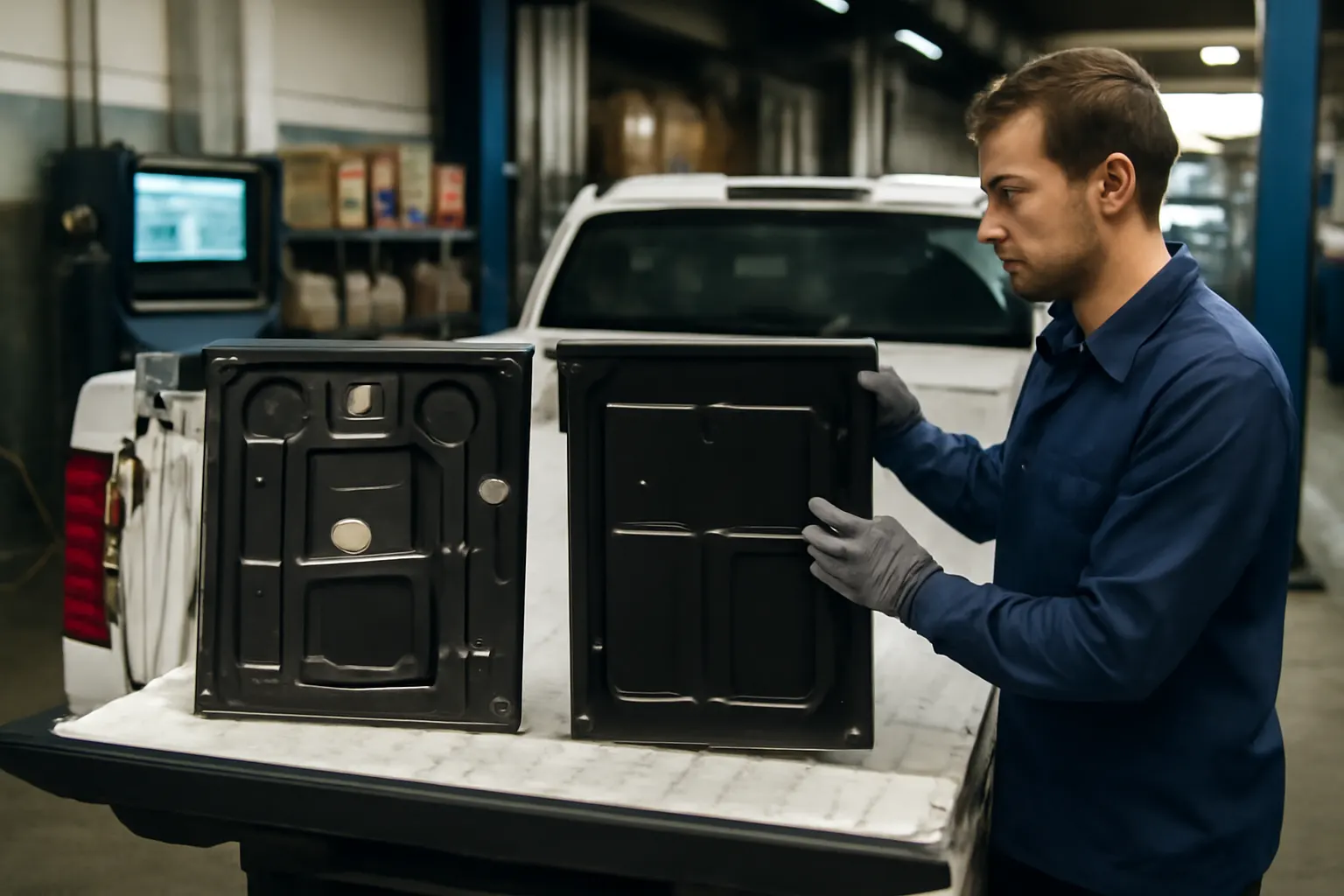
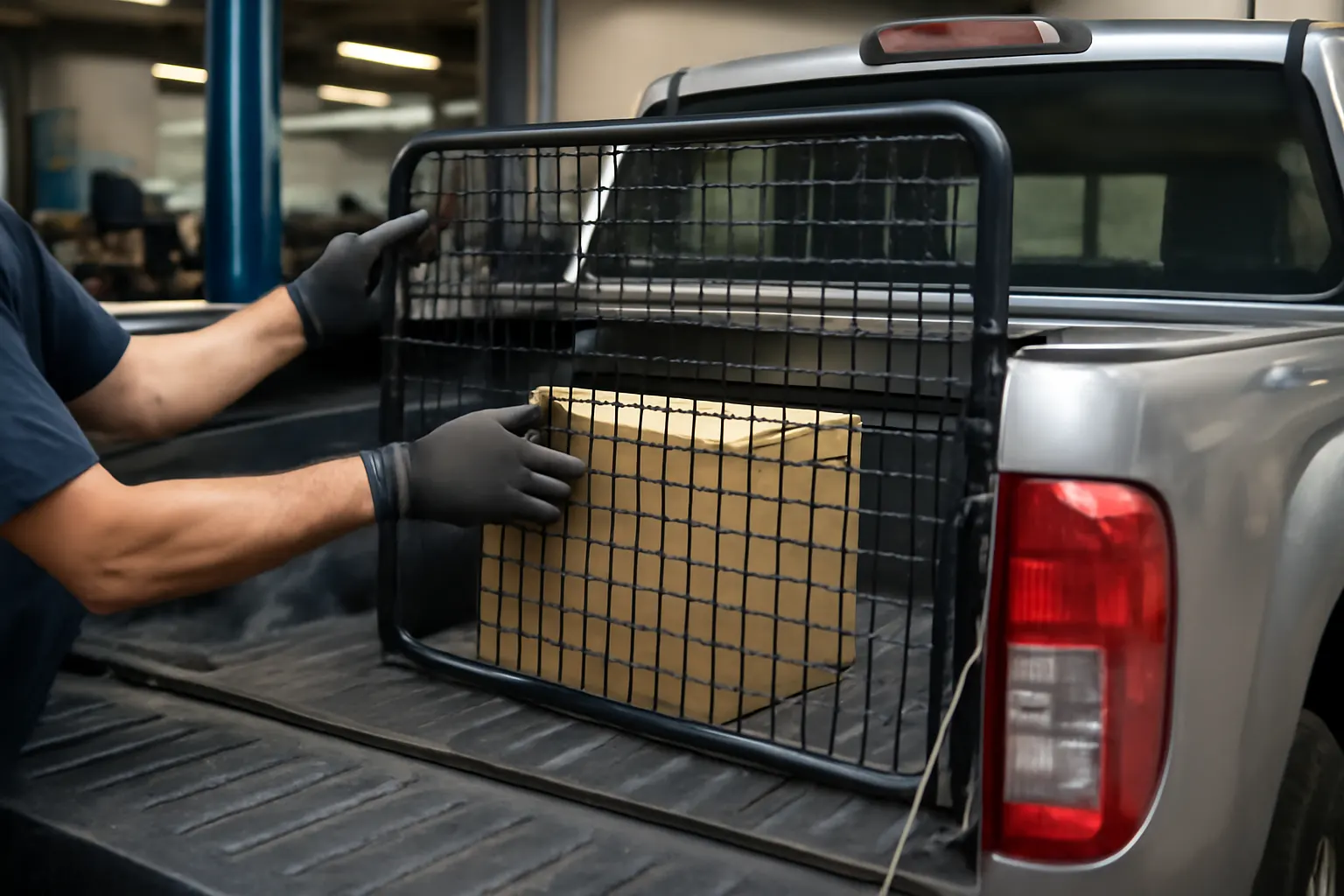
The bed front panel in a pickup truck is a critical but often overlooked safety component, serving as the first and last line of defense for both your cargo and the truck’s occupants. By acting as a physical barrier between the pickup bed and the cab, the bed front panel ensures that loose, shifting, or heavy cargo remains contained during sudden stops, collisions, or even routine driving. If you’re a pickup owner, understanding the safety implications of this panel is essential to protect your investment, your load, and—most importantly—yourself and your passengers.
The Immediate Answer: Why Bed Front Panel Safety Matters
The primary safety function of the pickup bed front panel is to keep cargo from crashing forward into the cab during abrupt stops or accidents. According to the National Highway Traffic Safety Administration (NHTSA), unsecured or shifting cargo poses a significant risk of injury in vehicle accidents, and the integrity of the bed front panel is a key factor in mitigating this risk[^1]. A structurally sound front panel absorbs and redirects energy, preventing cargo from penetrating the cab and causing harm to occupants.
For fleet operators, tradespeople, and everyday drivers alike, a robust bed front panel is non-negotiable for safe cargo transport. Whether you’re hauling tools, landscaping materials, or recreational equipment, the front panel’s condition directly impacts the safety of your pickup and its passengers.
The Hidden Problem: Underestimating the Bed Front Panel
Despite its crucial role, the bed front panel is often neglected in routine maintenance and safety inspections. Many pickup owners focus on more visible components like the tailgate or bed liner, overlooking the front panel until a problem arises.
This oversight can lead to several hidden dangers:
- Compromised Structural Integrity: Corrosion, cracks, or impact damage can weaken the panel, reducing its ability to contain cargo.
- Cargo Penetration Risk: In a collision, a weakened front panel may fail, allowing heavy or sharp objects to breach the cab wall.
- Increased Liability: If cargo escapes due to a faulty front panel, it can cause harm to others on the road, exposing you to legal and financial risks.
Understanding and addressing these hidden vulnerabilities is vital for maintaining a safe and reliable pickup truck.
Expanding the Problem: Technical and Real-World Risks
Cargo Containment Failures in Accidents
During a frontal collision or sudden deceleration, the kinetic energy of unsecured cargo can be immense. Without a strong front panel, even moderate-weight items can become projectiles, damaging the cab’s rear wall or entering the passenger compartment. The NHTSA has documented numerous incidents where cargo penetration led to severe injuries or fatalities[^1].
Everyday Risks: Braking, Turning, and Road Conditions
It’s not just high-speed crashes that test the front panel’s mettle. Hard braking, sharp turns, or bumpy roads can cause cargo to shift violently. Over time, repeated stress can fatigue the front panel’s metal, especially if it’s already compromised by rust or previous impacts.
The Overlooked Role in Occupant Protection
Modern truck cabs are designed to absorb and dissipate crash energy, but their effectiveness can be undermined if the rear wall is struck by cargo. The bed front panel acts as a buffer, preserving the structural integrity of the cab during accidents. Without it, even the best crash engineering can be rendered moot.
Anatomy of the Bed Front Panel: What Makes It Safe?
Understanding the construction and function of the bed front panel can help you assess its condition and performance.
Key Features
- Material: Typically made from high-strength steel or aluminum, designed to withstand significant impact forces.
- Reinforcement: Many front panels feature internal ribs or gussets for added rigidity.
- Attachment Points: Welded or bolted to the bed sides and floor, ensuring a secure connection.
- Integration with Other Components: Works in concert with the bed side, bed liner, and cab wall for comprehensive protection.
Engineering Standards
Automotive standards organizations, such as SAE International, specify minimum performance requirements for body panels, including impact resistance and corrosion protection[^2]. OEM front panels are engineered and tested to these standards, while aftermarket options may vary in quality and compliance.
Advertisement
Diagnosing Bed Front Panel Weakness: Inspection Checklist
Regular inspection of the bed front panel is essential for proactive safety management. Use the following checklist to evaluate your panel’s condition:
Bed Front Panel Safety Inspection Checklist
| Inspection Point | What to Look For | Action Required |
|---|---|---|
| Visible Cracks or Dents | Any deformation, especially near welds or corners | Repair or replace if significant |
| Rust or Corrosion | Surface rust, bubbling paint, or holes | Remove rust, treat, or replace panel |
| Loose or Missing Fasteners | Bolts, welds, or rivets not secure | Tighten or replace as needed |
| Separation from Bed Sides | Gaps at joints or seams | Re-weld, re-bolt, or replace panel |
| Previous Repair Evidence | Non-factory welds, patch panels | Inspect repair quality |
| Alignment with Bed Floor | Panel should be flush with bed floor and sides | Adjust or replace if misaligned |
| Signs of Impact | Scratches, gouges, or buckling | Assess for hidden structural damage |
Perform this inspection at least twice a year, or before any major hauling job. Early detection can prevent catastrophic failures.
How the Bed Front Panel Interacts with Other Safety Systems
The bed front panel is not an isolated component; its effectiveness depends on its relationship with adjacent parts:
- Bed Sides: Reinforce the front panel, distributing impact forces across the bed structure.
- Bed Liner: Provides a protective buffer, reducing abrasion and corrosion that can weaken the panel.
- Tailgate: Complements cargo containment by securing the rear, but is less critical for occupant protection.
- Cab Rear Wall: Receives secondary impact if the front panel fails; designed for occupant safety but not for direct cargo impact.
A compromised front panel can undermine the effectiveness of all these systems, emphasizing the need for holistic maintenance.
Regulatory and Safety Standards: What the Law and Industry Require
Safety agencies and industry groups set standards for the design and maintenance of pickup truck body components:
- NHTSA Equipment Standards: Mandate that vehicle components, including body panels, meet minimum safety and durability requirements[^1].
- SAE Testing Protocols: Specify laboratory and real-world tests for impact resistance, corrosion, and fitment[^2].
- Manufacturer Recalls: The NHTSA maintains a recall database for equipment failures, including structural issues with bed panels[^3].
Always verify that replacement panels—especially aftermarket ones—meet or exceed these standards to ensure ongoing safety.
Choosing the Right Bed Front Panel: OEM vs Aftermarket
When replacement becomes necessary, your choice between OEM and aftermarket panels has direct safety implications. OEM panels are designed, tested, and certified by the vehicle manufacturer to meet strict safety standards. Aftermarket options can vary widely in materials, fit, and compliance.
Key Considerations
- Material Thickness and Grade: OEM panels use specified alloys and thicknesses. Inferior aftermarket panels may use thinner, weaker metals.
- Corrosion Protection: Factory panels are often galvanized or coated to resist rust. Check aftermarket specs for similar protection.
- Fit and Attachment: Poorly fitting panels can leave gaps or weak points, reducing effectiveness in an accident.
- Certification: Look for panels tested to SAE or equivalent standards.
For a detailed safety and quality comparison, see our guide: OEM vs Aftermarket Front Panels: Safety and Quality Comparison.
Installation and Replacement: Getting It Right for Safety
Proper installation is as important as the panel’s construction. Even the best panel can fail if not correctly attached to the bed structure.
Best Practices for Installation
- Follow Manufacturer Instructions: Use specified fasteners, torque settings, and sealants.
- Inspect Bed Structure: Repair any damage to mounting points or adjacent panels before installation.
- Check Alignment: Ensure the panel is flush with the bed sides and floor to prevent stress concentrations.
- Corrosion Prevention: Apply rust inhibitors to welds and joints, especially in high-salt environments.
If you’re unsure about DIY installation, consult a professional or refer to our Bed Front Panel Replacement: Installation and Safety Guide.
Preventing Bed Front Panel Damage: Maintenance and Protection Tips
Routine maintenance extends the life of your bed front panel and preserves its safety function.
Maintenance Tips
- Regular Cleaning: Remove debris and moisture to prevent rust.
- Touch-Up Paint: Address scratches or chips promptly to block corrosion.
- Protective Coatings: Consider a spray-in bed liner or undercoating for additional protection.
- Avoid Overloading: Stay within the payload limits specified by your truck’s manufacturer.
- Inspect After Incidents: After any collision or cargo shift, inspect the front panel for hidden damage.
Advertisement
For more detailed maintenance strategies, see our guide: Preventing Front Panel Damage: Maintenance and Protection.
Diagnosing and Addressing Bed Front Panel Recalls
Manufacturers occasionally issue recalls for bed front panels due to design or manufacturing defects. These recalls may address issues such as inadequate welds, improper materials, or substandard corrosion protection.
How to Check for Recalls
- Locate Your VIN: Found on your dashboard or driver’s side door jamb.
- Visit the NHTSA Recall Database: Enter your VIN at NHTSA Recalls.
- Review Open Recalls: Follow manufacturer instructions if your vehicle is affected.
Addressing recalls promptly ensures your pickup remains compliant and as safe as possible.
The Role of Materials and Engineering in Bed Front Panel Safety
Modern bed front panels benefit from advances in materials science and automotive engineering. The U.S. Department of Energy highlights the importance of lightweight, high-strength materials in improving both safety and fuel efficiency[^4].
Material Innovations
- Advanced High-Strength Steel (AHSS): Balances impact resistance with weight savings.
- Aluminum Alloys: Offer corrosion resistance and lower weight, though may dent more easily.
- Composite Materials: Emerging in some aftermarket panels for unique performance characteristics.
Engineering advances have resulted in more robust welds, better corrosion protection, and improved crash performance—features you should look for when selecting a replacement panel.
Practical Guide: When and How to Replace Your Bed Front Panel
Knowing when to replace your bed front panel is as important as knowing how. Here are the key triggers and steps:
When to Replace
- Severe Rust or Corrosion: If the panel has holes or is structurally compromised.
- Major Dents or Cracks: Especially those affecting welds or mounting points.
- Failed Attachment: If the panel separates from the bed sides or floor.
- After a Significant Accident: Any impact that may have weakened the panel.
Replacement Steps (Summary)
- Remove Bed Liner: If present, to access panel edges.
- Detach Fasteners: Unbolt or drill out welds as required.
- Inspect Bed Structure: Repair any damage to mounting points.
- Install New Panel: Align carefully and secure with factory-recommended hardware.
- Seal and Protect: Apply rust inhibitor and touch-up paint.
- Reinstall Bed Liner: Ensure a snug fit.
Advertisement
For a step-by-step walkthrough, consult our Bed Front Panel Replacement: Installation and Safety Guide.
Integrating Bed Front Panel Safety into Overall Vehicle Safety
A safe pickup is more than the sum of its parts. The bed front panel’s safety role complements other systems, including seat belts, airbags, and reinforced cab structures. By ensuring your front panel is robust and well-maintained, you contribute to the overall crashworthiness of your vehicle.
Fleet and Commercial Considerations
For fleet operators, regular inspections and proactive replacement of bed front panels can prevent costly accidents, reduce liability, and protect workers. Incorporate front panel checks into your fleet maintenance schedule for maximum safety.
AutoPartEx: Your Partner in Pickup Safety and Reliability
At AutoPartEx, we understand that every component of your pickup—down to the bed front panel—plays a vital role in your safety and peace of mind. Our extensive catalog of OEM and high-quality aftermarket panels is curated to meet or exceed industry standards, ensuring you never have to compromise on protection.
Our technical resources, including guides on bed front panel replacement and preventive maintenance, are designed to empower you to make informed decisions and keep your truck in top condition. Explore our Bed Front Panel (Pickup) category to find the right part for your make and model.
Conclusion: Don’t Overlook the Bed Front Panel
The safety of your cargo, your vehicle, and your passengers hinges on the strength and integrity of the bed front panel. By understanding its role, inspecting it regularly, choosing the right replacement, and committing to ongoing maintenance, you safeguard your investment and the lives of those who travel with you.
Don’t let this critical component become the weak link in your pickup’s safety chain. Make bed front panel safety a routine part of your ownership experience—and trust AutoPartEx to support you every step of the way.
References
Advertisement