
Bed Front Panel (Pickup)
Bed Front Panel Replacement for Pickup Trucks: What to Know
The bed front panel of a pickup truck is often overlooked, yet it plays a vital role in protecting the cab and securing cargo. Damage or neglect can lead to safety risks and costly repairs. Understanding when and how to replace this component—and what evidence supports your decisions—can help you maintain your truck’s value and function. This guide covers key considerations, practical steps, and regulatory context for bed front panel replacement.
Showing 1–8 of 52 products


More Bed Front Panel (Pickup) options
Filtering for Bed Front Panel (Pickup)Browse nearby inventory for this category without leaving the page. Use search to filter by price, part number, or city.
No Data Available
Please check back soon when more inventory is available for this part.
Bed Front Panel Replacement for Pickup Trucks: What to Know
The Overlooked Role of the Bed Front Panel
Pickup truck owners often focus on the bed floor, tailgate, or exterior paint, overlooking the significance of the bed front panel. This component acts as the primary barrier between the cab and cargo area, shielding the cab from shifting loads and environmental exposure. Its condition directly impacts cargo security and the overall structural integrity of the truck bed. Despite this, many drivers only notice the panel when visible damage or leaks occur, missing early warning signs that could prevent more extensive problems.
A compromised bed front panel can lead to issues that extend beyond aesthetics. For example, a dented or rusted panel may allow water to seep into the cab or create gaps that let dust and debris enter. Over time, this can accelerate wear on interior components and even impact the safety of passengers if cargo breaches the cab barrier during sudden stops. Recognizing the panel’s function early can help prevent these hidden hazards and maintain your truck’s utility.
Many owners assume that as long as the tailgate and bed floor are intact, their cargo is secure. However, the front panel is just as critical for containing loads—especially during abrupt maneuvers or heavy braking. Ignoring its condition can result in shifting cargo that damages the cab, affects handling, or leads to costly repairs. By understanding the front panel’s importance, you can take proactive steps to protect your investment and ensure your pickup remains reliable for work or recreation.

Common Problems Affecting Pickup Truck Bed Front Panels
Bed front panels on pickup trucks are exposed to a unique set of stresses and hazards. Everyday use, environmental conditions, and the nature of cargo all contribute to wear and damage. Physical impacts from shifting loads or accidental collisions are frequent culprits, often resulting in dents, cracks, or even punctures. Such damage not only undermines the panel’s structural role but can also create entry points for water and debris, leading to further deterioration.
Corrosion is another prevalent issue, particularly for trucks operating in regions with heavy road salt use or high humidity. Rust can begin as minor surface spots but, if left unchecked, may spread and compromise the integrity of the metal. This is especially concerning for older vehicles or those used in construction, farming, or other demanding environments where exposure to moisture and chemicals is routine. Regular inspection for rust is essential to catch problems before they escalate.
Load stress is a less obvious but equally important factor. Repeatedly hauling heavy or irregularly shaped items can cause the front panel to warp, crack, or separate from its mounting points. Over time, these stress fractures weaken the panel’s ability to contain cargo securely. Owners who frequently transport oversized equipment or materials should be particularly vigilant for signs of fatigue or deformation in the front panel.
Improper repairs or the use of incompatible replacement parts can also lead to premature failure. Non-professional fixes—such as patching holes with sealant or welding without proper alignment—may provide a temporary solution but often reduce the panel’s durability and fit. In some cases, aftermarket parts that do not match OEM specifications can create gaps or misalignments, increasing the risk of leaks and structural weakness.
Diagnosing bed front panel issues requires more than a cursory glance. Symptoms such as rattling noises from the bed area, visible separation between the panel and cab, or unexplained water leaks inside the cab may indicate underlying problems. In some cases, damage is hidden behind bed liners or cargo racks, making thorough inspection crucial. Professional assessment can help identify issues that are not immediately apparent to the untrained eye.
Ignoring early warning signs often leads to more extensive—and expensive—repairs down the line. For example, water intrusion from a compromised panel can damage electrical systems, upholstery, and even cause mold growth in the cab. Addressing problems promptly not only preserves the truck’s appearance but also protects its functionality and resale value. Understanding the range of potential issues empowers owners to make informed maintenance and repair decisions.
Practical Steps for Selecting and Replacing a Bed Front Panel
When replacement becomes necessary, a systematic approach ensures both safety and value. The first step is to accurately identify the correct part for your vehicle. Bed front panels are not universal; they vary by make, model, year, and sometimes even by trim level. Using your vehicle identification number (VIN) and consulting a reputable parts catalog or dealership can help you avoid costly mistakes and ensure proper fitment. This step is foundational to a successful repair.
Once the correct part is identified, the next decision is whether to choose an OEM (Original Equipment Manufacturer) or aftermarket panel. OEM panels are designed to match the original specifications of your truck, offering guaranteed fit and finish. They are often more expensive but provide peace of mind regarding compatibility and quality. Aftermarket options, on the other hand, can offer cost savings and may include enhancements such as improved corrosion resistance or reinforced construction. However, quality varies widely among aftermarket suppliers, so careful comparison is essential.
Before installation, thoroughly inspect the replacement panel for any signs of damage, corrosion, or manufacturing defects. Check that all mounting points, dimensions, and surface finishes match your truck’s requirements. Even minor discrepancies can lead to installation challenges or long-term problems such as leaks or rattling. If possible, compare the new panel side-by-side with the original to confirm compatibility before proceeding with installation.
Proper installation is critical to ensuring the new panel performs as intended. Removing the old panel typically involves detaching fasteners, cutting away rusted sections, and preparing the mounting surfaces. This process can be straightforward for newer trucks but may require specialized tools or welding for older or heavily corroded vehicles. Professional installation is recommended if you lack experience with bodywork or if the repair involves structural components, as improper installation can compromise safety and durability.
After the new panel is installed, preventive maintenance becomes key to extending its service life. Regular cleaning, application of rust inhibitors, and periodic inspection for damage or corrosion help prevent future issues. Protective coatings or bed liners can provide an additional layer of defense against moisture and impact. Establishing a maintenance routine tailored to your truck’s usage and environment will pay dividends in longevity and reliability.
In addition to physical maintenance, staying informed about recalls or manufacturer advisories is important. Regulatory agencies such as the National Highway Traffic Safety Administration (NHTSA) provide databases where owners can check for open recalls affecting bed front panels or related components. Using your VIN to search these databases ensures you receive timely information and access to free repairs if a safety issue is identified. This proactive approach is part of responsible vehicle ownership.
Documentation is another critical aspect of the replacement process. Retain all receipts, repair orders, and warranty information related to the new panel. This paperwork not only supports potential warranty claims but also provides valuable records for future resale or insurance purposes. Detailed documentation can also help verify that the repair was performed according to industry standards, which is important for maintaining your truck’s value.
Finally, consider consulting resources and guides specific to bed front panel replacement. Step-by-step instructions, safety tips, and maintenance recommendations are available through trusted sources. For example, the Bed Front Panel Replacement: Installation and Safety Guide offers detailed procedures and best practices. Leveraging such resources ensures you approach the repair with confidence and a clear understanding of what’s involved.
Evidence and Regulatory Context for Bed Front Panel Replacement
The National Highway Traffic Safety Administration (NHTSA) provides a robust framework for identifying and addressing safety-related defects in vehicle components, including bed front panels. According to NHTSA: Vehicle Recalls, owners can use their VIN to check for open recalls that may affect structural parts. While the NHTSA database does not guarantee that a specific truck or panel is subject to a recall, it offers a reliable method for consumers to stay informed about potential safety issues. This process underscores the importance of using certified parts and professional repair services to maintain compliance with federal safety standards.
NHTSA’s recall process involves several steps: complaint collection, investigation, and recall management. If multiple owners report similar problems with a component—such as the bed front panel—NHTSA may open an investigation. Should a safety-related defect be confirmed, the manufacturer is required to offer a remedy, which may include repair or replacement at no cost to the owner. This regulatory oversight ensures that critical safety issues are addressed promptly and transparently, but it does not mean that every bed front panel problem is subject to recall. Owners should regularly check their VIN and follow any interim safety guidance provided by manufacturers.
The Federal Trade Commission (FTC) offers additional consumer protection guidance relevant to bed front panel replacement. As outlined in FTC: Auto Repair Basics, the FTC recommends obtaining a written repair estimate that details the condition to be repaired, the parts needed, and anticipated labor charges. This advice helps consumers make informed decisions and avoid unnecessary or overpriced repairs. The FTC also distinguishes between new, remanufactured, and salvage parts, emphasizing the importance of understanding what type of part is being installed and any associated warranty coverage.
The FTC further advises comparing shop recommendations with the manufacturer’s maintenance schedule and asking for clarification if additional services are proposed. This approach is particularly relevant when replacing a bed front panel, as some shops may suggest extra repairs or upgrades. By following the FTC’s guidance, owners can ensure that repairs are necessary, appropriately priced, and performed by technicians with experience on their specific make and model. This consumer-oriented approach reduces the risk of substandard repairs and supports long-term vehicle reliability.
Neither NHTSA nor the FTC provides vehicle-specific technical specifications or guarantees about part fitment. Instead, they offer frameworks for identifying safety issues, obtaining fair repair estimates, and understanding consumer rights. For example, NHTSA’s recall database can alert you to known safety defects, but it does not confirm compatibility for a replacement bed front panel. Similarly, the FTC’s advice helps you navigate the repair process but does not endorse specific brands or suppliers. Owners must supplement this guidance with detailed part verification and professional consultation.
Comparative resources, such as OEM vs Aftermarket Front Panels: Safety and Quality Comparison, provide additional context for choosing between different types of replacement panels. These resources discuss the trade-offs between cost, quality, and warranty coverage, helping buyers make informed selections. While such comparisons do not constitute direct technical evidence, they offer practical insights based on industry trends and user experiences. Consulting these guides can clarify the implications of choosing OEM versus aftermarket parts for your specific needs.
Step-by-step guides, like the Bed Front Panel Replacement: Installation and Safety Guide, offer procedural advice for safe and effective replacement. These guides typically cover preparation, removal, installation, and post-installation checks. While they do not replace professional expertise, they provide a valuable reference for owners seeking to understand the process or perform basic maintenance. By combining regulatory guidance, consumer advice, and practical how-to resources, owners can approach bed front panel replacement with confidence and clarity.
Take the Next Step: Secure Your Truck’s Bed Front Panel
If you’ve noticed damage, rust, or fitment issues with your pickup’s bed front panel, now is the time to act. Start by inspecting the panel thoroughly and checking for any safety recalls using your VIN. Compare OEM and aftermarket options carefully, and seek professional installation if needed to ensure safety and durability. Maintain detailed records of your repairs and follow preventive maintenance practices to extend the life of your new panel. Explore our Bed Front Panel (Pickup) category for quality parts and resources, and keep your truck ready for whatever the road—or the job—demands.
References
- NHTSA: Vehicle Recalls
- FTC: Auto Repair Basics
References
- NHTSA: Vehicle Recalls - NHTSA, accessed 2026-11-01
- FTC: Auto Repair Basics - FTC, accessed 2026-11-01
Related Guides & Articles

Bed Front Panel Replacement: Installation and Safety Guide
Replacing the bed front panel on your pickup truck is a crucial step in maintaining both structural integrity and cargo safety. This comprehensive guide delivers step-by-step instructions for successful removal and installation, alignment tips, and rigorous safety verification—ensuring your pickup’s bed front panel provides optimal protection for both your cargo and cab. Whether you’re addressing impact damage, corrosion, or upgrading for enhanced durability, this guide equips you with the practical expertise to complete the job confidently.
View Guide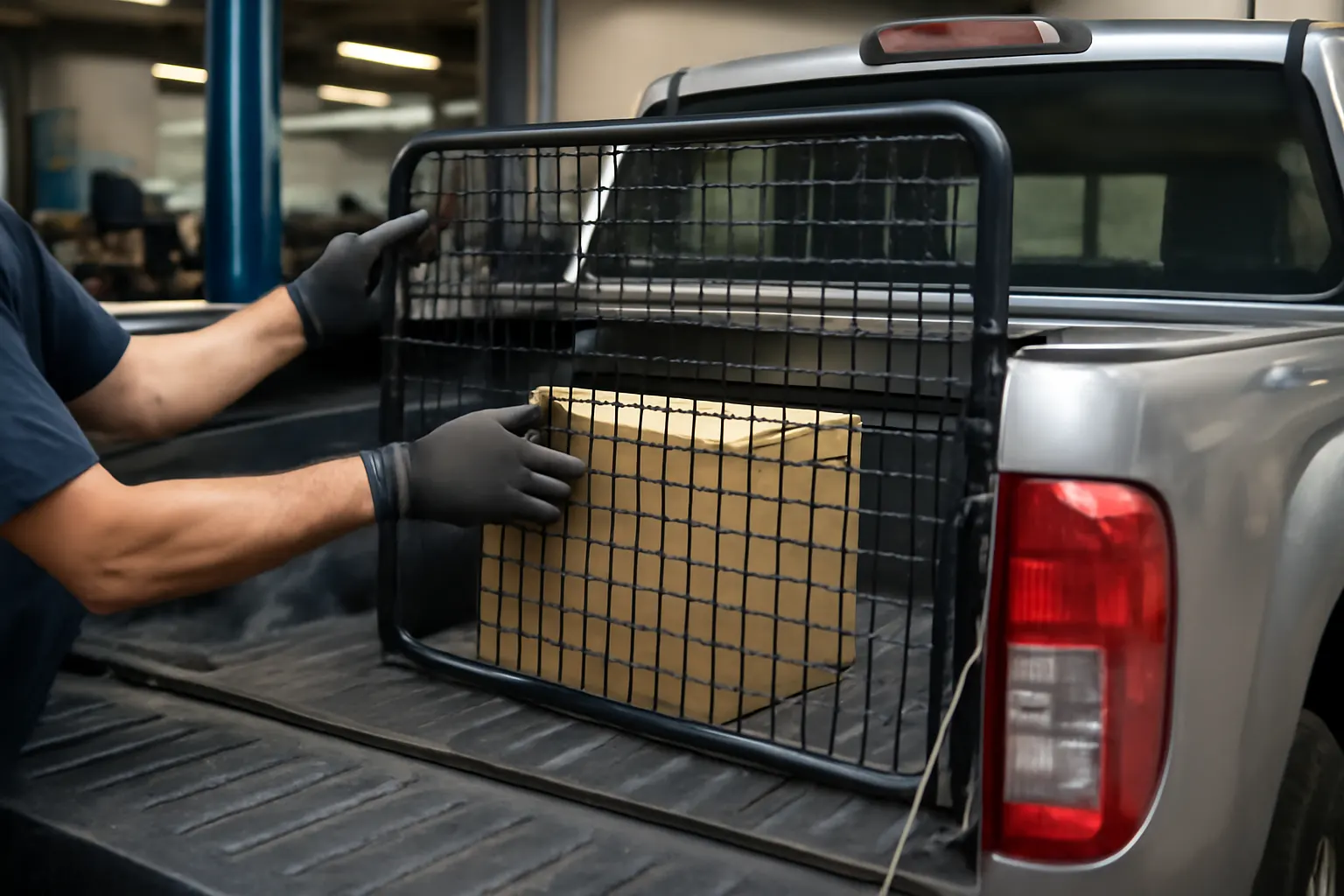
Bed Front Panel Safety: Cargo Containment and Protection
The primary safety function of the pickup bed front panel is to keep cargo from crashing forward into the cab during abrupt stops or accidents. According to the National Highway Traffic Safety Administration (NHTSA), unsecured or shifting cargo poses a significant risk of injury in vehicle accidents, and the integrity of the bed front panel is a key factor in mitigating this risk .
Read More
Preventing Front Panel Damage: Maintenance and Protection
Pickup truck owners depend on the structural integrity of the bed front panel to safely haul cargo, preserve the vehicle’s body, and maintain overall safety. Immediate, proactive maintenance and protection of your Bed Front Panel (Pickup) can prevent costly damage, extend panel life, and uphold the safety standards set by manufacturers and the National Highway Traffic Safety Administration (NHTSA).
View Guide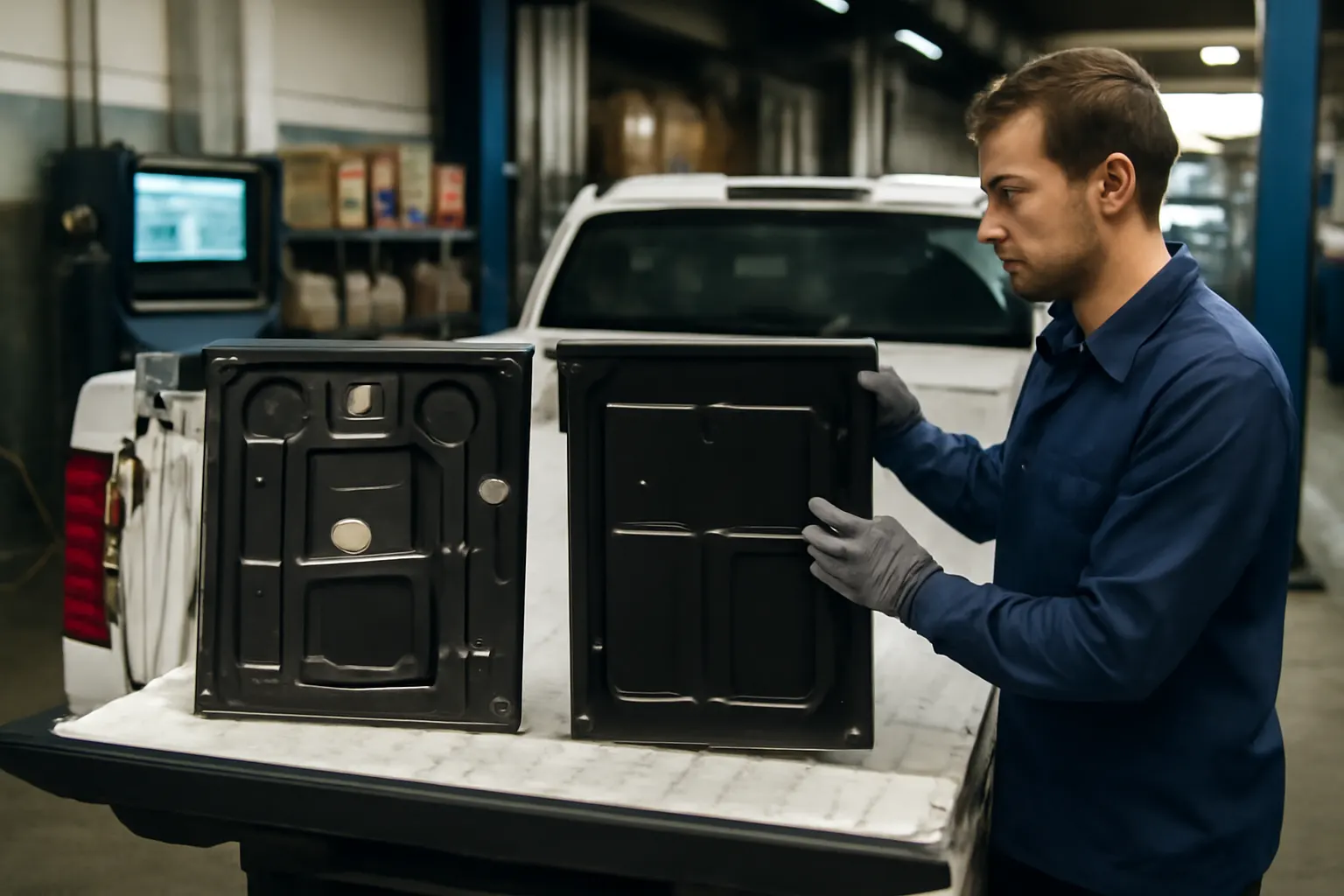
OEM vs Aftermarket Front Panels: Safety and Quality Comparison
OEM bed front panels are manufactured to the exact specifications set by the vehicle’s original maker, using approved materials and processes. They are designed to integrate seamlessly with your pickup bed, cab, and other structural components, ensuring optimal cargo containment and crash safety. Aftermarket panels, on the other hand, are produced by third-party manufacturers and may vary in material composition, thickness, and dimensional accuracy.
Read More