Advertisement
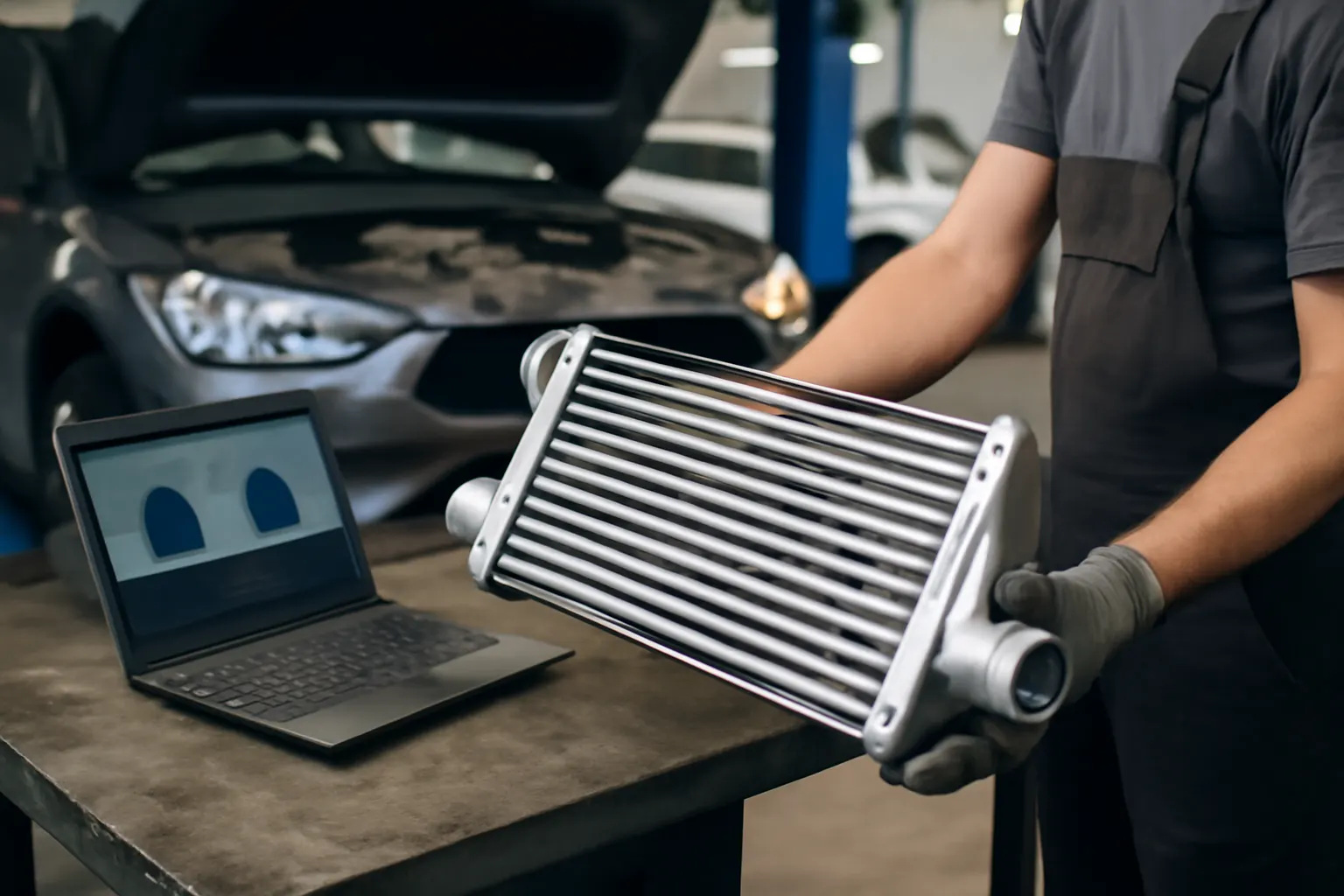
Intercoolers are critical to the performance, reliability, and efficiency of turbocharged and supercharged engines. Regular intercooler maintenance—specifically inspection and cleaning—prevents power loss, engine knock, overheating, and costly repairs by ensuring optimal air charge cooling. For drivers aiming to maximize their vehicle’s performance and longevity, especially those with forced induction setups, understanding and prioritizing intercooler maintenance is non-negotiable. In this guide, the AutoPartEx Technical Editorial Team provides a comprehensive, expert-backed approach to keeping your intercooler in peak condition.
For foundational knowledge on how intercoolers fit into the broader forced induction ecosystem, visit our Intercooler Systems: Maximizing Turbocharged Performance and Engine Longevity category page.
Why Intercooler Maintenance Matters Immediately
Neglecting your intercooler can directly undermine your vehicle’s performance and reliability. Even a partially blocked or oil-contaminated intercooler can cause:
- Noticeable power loss due to hotter, less dense intake air
- Increased risk of engine knock (pre-detonation)
- Higher engine operating temperatures
- Reduced fuel efficiency
- Accelerated wear on engine internals
Because the intercooler plays a pivotal role in cooling the compressed air from your turbo or supercharger, even minor obstructions or leaks can have cascading effects throughout your engine system. Consistent maintenance is the frontline defense against these issues.
The Hidden Problem: Performance Loss Is Often Silent
Most intercooler issues develop slowly and go unnoticed until they have already caused performance degradation or component damage. Drivers may acclimate to the loss of power, increased turbo lag, or higher fuel consumption, attributing it to age or other factors. In reality, these symptoms often point to a dirty, leaking, or heat-soaked intercooler.
What’s more concerning is that a compromised intercooler can mask more serious engine problems. For example, excessive oil in the intercooler may indicate turbo seal failure, while persistent heat soak can signal cooling system inadequacies. Intercooler neglect, therefore, doesn’t just rob you of horsepower—it can mask early warning signs of expensive engine failures.
How Intercoolers Impact Engine Health and Power
To appreciate the importance of intercooler maintenance, it’s essential to understand their function in modern engines:
- Thermal Efficiency: By cooling compressed intake air, intercoolers increase air density, allowing more oxygen into the combustion chamber for a more powerful, efficient burn.
- Knock Prevention: Cooler air reduces the risk of detonation, protecting pistons, valves, and cylinder heads from catastrophic failure.
- Fuel Efficiency: Lower intake temperatures help the engine run more efficiently, reducing fuel consumption and emissions (DOE: Fuel Efficiency).
- Turbo Longevity: By stabilizing intake temperatures, intercoolers reduce stress on turbochargers and related components.
When an intercooler is obstructed, leaking, or contaminated with oil or debris, all these benefits are compromised. Over time, this can lead to a domino effect of performance loss, overheating, and component failure.
Common Intercooler Failure Modes
Understanding the most frequent intercooler failure modes is the first step to proactive maintenance. Key issues include:
1. External Blockage
- Causes: Dirt, leaves, road debris, or insects clogging the intercooler fins.
- Symptoms: Reduced cooling efficiency, higher intake air temps, visible debris on the core.
2. Internal Contamination
- Causes: Oil blow-by from turbo seals, coolant leaks from water-to-air systems, or carbon buildup.
- Symptoms: Oily residue in pipes, reduced boost, increased exhaust smoke.
3. Physical Damage
- Causes: Impact from road debris, collision, or improper installation.
- Symptoms: Bent fins, punctured core, visible leaks, hissing under boost.
4. Heat Soak
- Causes: Prolonged hard driving, insufficient airflow, or undersized intercooler.
- Symptoms: Power loss after repeated acceleration, slow recovery of power, high intake air temps.
5. Leaks
- Causes: Cracked end tanks, loose hose clamps, degraded seals.
- Symptoms: Boost loss, hissing noises, check engine light (in modern vehicles).
Each of these failure modes can be prevented or mitigated with regular maintenance and inspection.
Advertisement
Intercooler Inspection: Step-by-Step Diagnostic Checklist
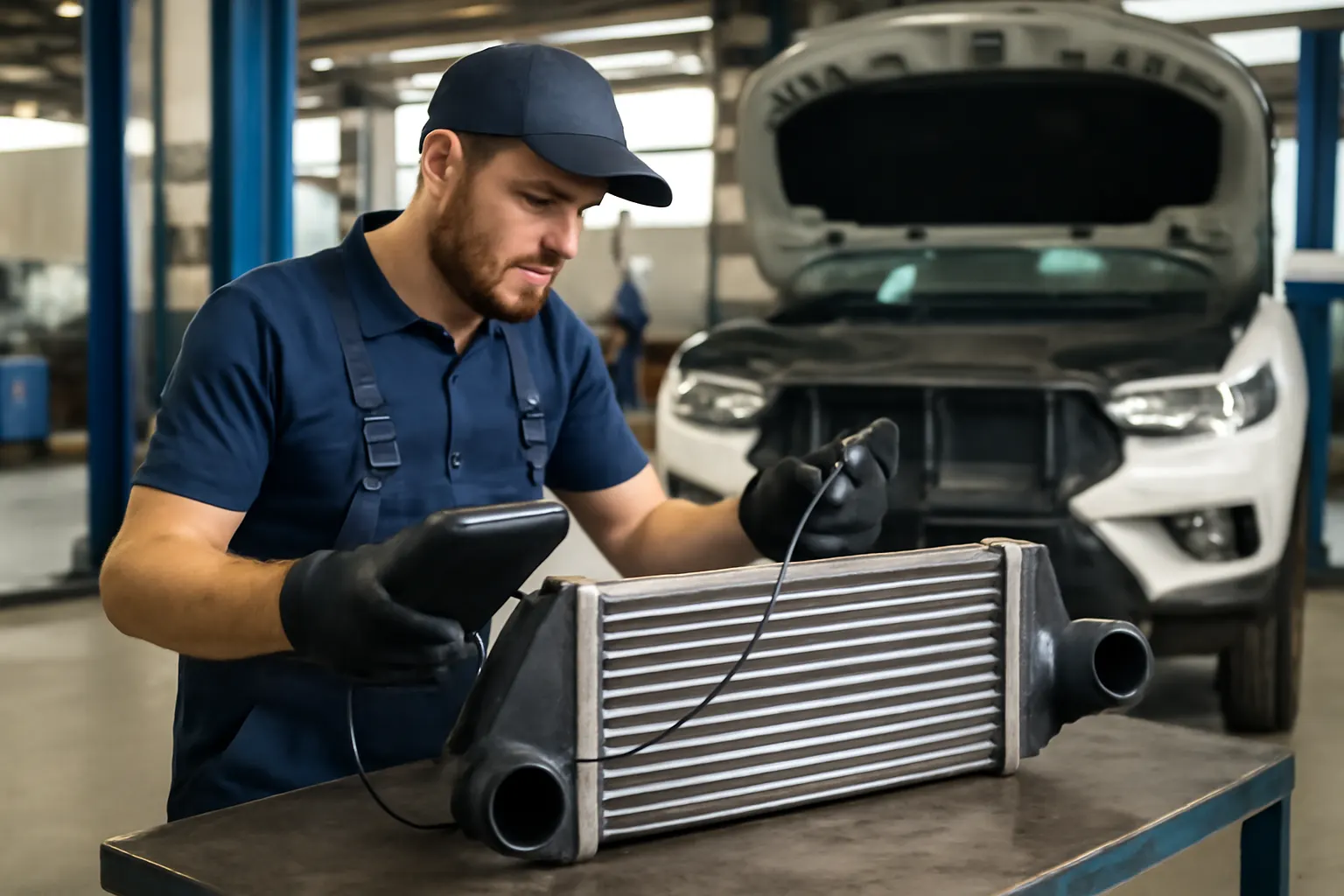
A thorough inspection should be performed at least every 12,000 miles, or more frequently for high-performance or off-road vehicles. Use this checklist to guide your process:
Visual and Physical Inspection
| Step | What to Check | Signs of Trouble |
|---|---|---|
| 1 | Core Fins | Bent, clogged, or damaged fins |
| 2 | End Tanks | Cracks, oil seepage, or coolant stains |
| 3 | Hoses/Clamps | Loose clamps, oil residue, or splits |
| 4 | Mounting | Loose or missing bolts/brackets |
| 5 | Surroundings | Blocked airflow (debris, aftermarket lights, etc.) |
Functional Inspection
- Pressure Test: Use a pressure tester to check for leaks. Even small leaks can cause significant boost loss.
- Temperature Differential: Use an infrared thermometer to compare inlet and outlet temps after a spirited drive.
- Listen for Leaks: With the engine running, listen for hissing or whistling near the intercooler under boost.
If any issues are found, address them immediately to prevent further engine or turbocharger damage.
Cleaning Your Intercooler: Methods and Best Practices
Proper cleaning is essential to restore cooling efficiency and prevent intake contamination. The cleaning method depends on the type and severity of contamination:
External Cleaning
- Tools Needed: Soft brush, compressed air, gentle degreaser, garden hose (no high-pressure washer).
- Steps:
- Remove large debris by hand or with a soft brush.
- Spray with degreaser and let soak for several minutes.
- Rinse gently with water, ensuring not to bend the fins.
- Use compressed air to blow out remaining water and debris.
Internal Cleaning (For Oil/Carbon Contamination)
- Tools Needed: Approved solvent (kerosene or specialized intercooler cleaner), soft bottle brush, clean water.
- Steps:
- Remove the intercooler from the vehicle.
- Seal one end, pour in solvent, and gently agitate.
- Use a bottle brush for stubborn deposits.
- Drain and rinse with clean water until solvent is gone.
- Dry thoroughly before reinstalling (use compressed air or allow 24 hours for air drying).
Caution: Never use aggressive chemicals or high-pressure water, as these can damage the delicate fins and internal seals.
Diagnosing and Addressing Leaks
Leaks are one of the most insidious intercooler issues, as even minor leaks can cause major performance drops. Here’s how to diagnose and address them:
- Pressure Testing: Cap the intercooler and apply low-pressure air (20-30 psi) while submerging in water. Look for bubbles.
- Soap Solution: Spray soapy water on joints and seams with the engine running; bubbles will indicate leaks.
- Repair or Replace: Small leaks in metal end tanks may be welded; plastic tanks usually require replacement. Always use new gaskets and clamps during reinstallation.
For a comprehensive guide to diagnosing and replacing a failing intercooler, refer to our How to Diagnose and Replace a Failing Intercooler editorial.
Proactive Maintenance Schedule
Establishing a regular maintenance schedule is the best way to ensure intercooler reliability. Here’s an expert-recommended interval guide:
- Visual Inspection: Every oil change (5,000–7,500 miles)
- Cleaning (External): Every 12,000 miles or annually
- Cleaning (Internal): Every 24,000–36,000 miles, or if oil contamination is suspected
- Pressure Testing: Annually, or after any boost-related performance issues
- Hose and Clamp Check: Every 6 months
High-performance, track, or off-road vehicles may require more frequent attention.
Tips for Maximizing Intercooler Longevity
Intercoolers are designed for durability, but several best practices can extend their service life:
- Install a Quality Air Filter: Prevents debris from entering the intake and contaminating the core. See our Air Box/Air Cleaner guide for filtration options.
- Monitor Turbo Health: Excess oil in the intercooler often indicates turbo seal wear—address root causes, not just symptoms.
- Avoid High-Pressure Washing: High-pressure water can flatten fins and force water into sensitive areas.
- Mind the Mounts: Secure mounting prevents vibration-induced cracks and leaks.
- Upgrade When Necessary: If you’ve increased boost or power, ensure your intercooler is sized appropriately (Upgrading Your Turbo System: Intercooler Sizing and Placement).
Advertisement
Recognizing When It’s Time to Replace
Even with diligent maintenance, intercoolers can eventually require replacement. Key signs it’s time for a new unit:
- Persistent Leaks: Especially in plastic end tanks or where repairs have failed.
- Severe Fin Damage: Large areas of bent, missing, or corroded fins.
- Internal Corrosion: Flaking, rust, or persistent contamination.
- Performance Plateau: If cleaning and repairs no longer restore lost power or reduce intake temps.
When replacing, always verify fitment, core size, and compatibility with your turbo or supercharger setup.
Sourcing Quality Replacement Intercoolers and Parts
Not all intercoolers are created equal. When sourcing replacements, consider:
- OEM vs. Aftermarket: OEM units ensure fitment and reliability, while aftermarket options may offer increased core size or improved materials.
- Material Quality: Aluminum cores offer superior heat dissipation and corrosion resistance (DOE: Materials Technologies).
- SAE Standards Compliance: Ensure components meet or exceed SAE Standards for automotive performance and safety.
- Supplier Reputation: Purchase from established, reputable sources with clear return policies and technical support.
AutoPartEx connects you with a wide inventory of trusted, quality-tested intercoolers and related components, making your sourcing process straightforward and reliable.
Intercooler Maintenance and Fuel Efficiency
A well-maintained intercooler is directly linked to better fuel economy. By optimizing intake air temperature and density, the engine operates closer to its designed efficiency curve, which means:
- More complete combustion
- Reduced fuel consumption, especially under boost
- Lower emissions
According to the United States Department of Energy, maintaining all engine systems—including cooling and forced induction—can yield tangible improvements in overall vehicle efficiency. For drivers seeking both performance and savings at the pump, intercooler upkeep is a smart investment.
Safety Considerations and Regulatory Compliance
Intercooler maintenance is not just about performance—it’s also a matter of safety. Leaking or damaged intercoolers can cause engine misfires, stalling, or even fires in extreme cases. Regular inspection and adherence to manufacturer and NHTSA equipment safety guidelines are essential.
When replacing or upgrading, ensure the new unit is compatible with your vehicle’s safety systems and does not interfere with crash structures, sensors, or airflow to other critical components like the AC Condenser.
Integrating Intercooler Maintenance Into Your DIY Routine
For the hands-on automotive enthusiast, intercooler maintenance is a rewarding, manageable task that can be integrated into your regular DIY schedule. Keep these points in mind:
- Documentation: Record inspection and cleaning dates, findings, and any repairs.
- Tool Readiness: Maintain a basic toolkit including screwdrivers, clamps, pressure tester, and cleaning supplies.
- Community Resources: Leverage forums, guides, and the AutoPartEx knowledge base for troubleshooting and peer advice.
For step-by-step technical detail and advanced diagnostics, see our The Science of Boost: How Intercoolers Unlock Hidden Power guide.
AutoPartEx: Your Partner in Intercooler System Reliability
At AutoPartEx, we understand the critical role intercoolers play in turbocharged and supercharged engine performance. Our curated selection of OEM and high-performance aftermarket intercoolers, hoses, clamps, and cleaning supplies ensures you have access to the right parts for your maintenance or upgrade project. Our technical resources, including buying guides and fitment support, empower you to maintain your vehicle with confidence.
Explore our full range of intercooler solutions and performance parts by visiting the Intercooler Systems: Maximizing Turbocharged Performance and Engine Longevity category page.
Summary: Make Intercooler Maintenance a Priority
Regular intercooler inspection and cleaning are essential to preserving power, efficiency, and engine longevity in any turbocharged or supercharged vehicle. By following a proactive maintenance schedule, using the right tools and techniques, and sourcing quality parts, you can prevent costly breakdowns and enjoy peak performance mile after mile.
Don’t let a neglected intercooler undermine your driving experience. Stay ahead of problems with AutoPartEx’s expert guidance and parts support—your engine (and wallet) will thank you.
References
- Fuel Efficiency — United States Department of Energy
- Materials Technologies — United States Department of Energy
- Vehicle Safety and Equipment — National Highway Traffic Safety Administration
Advertisement