
Intercooler
Understanding and Selecting the Right Intercooler for Your Vehicle
Many vehicle owners overlook the role of the intercooler until performance issues arise. Understanding this component’s function and potential problems can help prevent costly repairs and maintain optimal engine efficiency. This guide explores what an intercooler does, common symptoms of failure, and practical steps for diagnosis and replacement, using reliable consumer and regulatory guidance to support your decision-making process.
Showing 8 of 252 products


More Intercooler options
Filtering for IntercoolerBrowse nearby inventory for this category without leaving the page. Use search to filter by price, part number, or city.
No Data Available
Please check back soon when more inventory is available for this part.
Understanding and Selecting the Right Intercooler for Your Vehicle
Why Intercooler Health Deserves More Attention
When thinking about vehicle performance, most drivers focus on the engine, transmission, or even the turbocharger, rarely considering the intercooler. Yet, this component is vital for maintaining the efficiency and longevity of turbocharged engines. The intercooler’s main function is to cool the compressed air from the turbocharger before it enters the engine, ensuring optimal combustion and power delivery. Overlooking its condition can lead to subtle but significant issues that often go unnoticed until they escalate.
Many owners assume that as long as the engine runs, all components are functioning as intended. However, the intercooler can develop problems such as leaks, blockages, or internal damage that may not trigger immediate warning lights or clear symptoms. These issues can gradually reduce engine power, increase fuel consumption, and even contribute to long-term engine wear. Early recognition and attention to intercooler health can prevent these outcomes and support consistent vehicle performance.
It’s easy to underestimate the impact of a compromised intercooler, especially since its symptoms often mimic other engine or turbocharger issues. By learning to identify early warning signs and understanding the intercooler’s role, vehicle owners can make more informed decisions about maintenance and repairs. This not only protects the engine but also helps avoid unnecessary expenses and downtime. Let’s delve deeper into the specific problems that can arise and how to address them effectively.

Recognizing Intercooler Issues and Their Impact
Intercoolers are exposed to a range of stressors, including high temperatures, pressure fluctuations, and contaminants from the intake air. Over time, these factors can lead to physical damage such as cracks, leaks, or corrosion. Leaks are particularly problematic, as they allow compressed air to escape before reaching the engine, reducing boost pressure and overall performance. Blockages from oil residue or debris can also restrict airflow, leading to higher intake temperatures and less efficient combustion.
The symptoms of a failing intercooler are often subtle at first. Drivers may notice a gradual decline in engine power, increased turbo lag, or a rise in fuel consumption. In severe cases, the engine may run hotter than usual or exhibit signs of knocking due to elevated intake temperatures. These issues can be mistaken for problems with the turbocharger or other engine components, making accurate diagnosis essential for effective repair.
Ignoring intercooler problems can have cascading effects on engine health. Reduced cooling efficiency leads to higher intake air temperatures, which in turn can cause the engine to run lean or detonate prematurely. Over time, this increases the risk of internal engine damage, such as piston or valve failure. Addressing intercooler issues promptly helps maintain optimal combustion conditions and prevents more serious damage down the line.
Intercooler failures are not always the result of manufacturing defects; they can also stem from improper installation, lack of maintenance, or the use of incompatible aftermarket parts. For example, an incorrectly sized or poorly mounted intercooler may not provide adequate cooling, while a neglected unit can accumulate oil and debris that impede airflow. Understanding the root cause of failure is crucial for selecting the right replacement and ensuring long-term reliability.
Environmental factors also play a role in intercooler longevity. Vehicles operated in harsh conditions—such as dusty environments, areas with high humidity, or regions where road salt is used—are more prone to intercooler corrosion and contamination. Regular inspection and cleaning can mitigate these risks, but many owners are unaware of the need for such maintenance. Awareness of these factors can help tailor a maintenance schedule that addresses specific operating conditions.
Finally, it’s important to recognize that not all intercooler issues are immediately apparent. Some problems, like slow leaks or gradual clogging, develop over months or years. Routine checks and a proactive approach to maintenance can catch these issues early, preventing unexpected breakdowns and preserving engine performance. By understanding the potential problems and their consequences, owners can take steps to protect their investment and enjoy a more reliable driving experience.
Practical Steps for Diagnosing and Replacing an Intercooler
Diagnosing intercooler problems begins with a thorough visual inspection. Look for signs of oil residue, physical damage such as dents or cracks, and any evidence of leaks around the intercooler and its connections. A flashlight can help illuminate hard-to-see areas, while a clean rag can reveal oily deposits that indicate a breach. Pay special attention to the end tanks and hose connections, as these are common points of failure.
Next, perform a pressure test to check for leaks. This involves sealing the intercooler’s inlets and outlets and applying compressed air at a safe pressure. Listen for hissing sounds or use soapy water to detect escaping air bubbles. Even small leaks can significantly reduce boost pressure and engine performance. If a leak is found, the intercooler should be replaced or professionally repaired, as temporary fixes are rarely reliable in the long term.
Inspect the interior of the intercooler for blockages or contamination. Remove the unit if necessary and flush it with a suitable cleaning solution to remove oil, dirt, and debris. Allow the intercooler to dry completely before reinstalling it. Persistent contamination may indicate an underlying issue with the turbocharger’s oil seals or the engine’s crankcase ventilation system, both of which should be addressed to prevent recurrence.
When selecting a replacement intercooler, consider factors such as size, core design, and compatibility with your vehicle’s engine and turbo system. An intercooler that is too small may not provide adequate cooling, while an oversized unit can introduce excessive pressure drop and lag. Consult your vehicle’s service manual or a reputable parts catalog to identify suitable options, and verify fitment using your vehicle identification number (VIN) whenever possible.
Installation should be performed carefully to avoid damaging the new intercooler or its associated hardware. Follow the manufacturer’s instructions and torque specifications for all fasteners. Ensure that all hoses and clamps are secure and free from leaks. After installation, recheck the system for leaks and monitor engine performance during a test drive. Any persistent issues should be investigated further before returning the vehicle to regular use.
For those considering performance upgrades, intercooler sizing and placement are critical. Upgrading to a larger or more efficient unit can improve cooling and support higher boost levels, but only if the rest of the system is properly matched. Improper sizing or placement can lead to increased turbo lag or insufficient cooling, negating the benefits of the upgrade. Consult technical resources or experienced professionals before making significant modifications.
Regular maintenance is key to prolonging intercooler life and ensuring consistent performance. Inspect the unit periodically for signs of wear, leaks, or contamination, and clean it as needed. Replace worn hoses and clamps to prevent future leaks. Keeping the intercooler in good condition not only protects the engine but also supports fuel efficiency and emissions compliance.
If you’re uncertain about diagnosing or replacing an intercooler, seek assistance from a qualified technician. The Federal Trade Commission recommends obtaining a written repair estimate, asking about technician experience with your specific vehicle, and comparing shop recommendations with your manufacturer’s maintenance schedule. This approach helps ensure that you receive accurate, reliable service and avoid unnecessary repairs or expenses. For more guidance, see How to Diagnose and Replace a Failing Intercooler.
What the Evidence and Official Guidance Show
The National Highway Traffic Safety Administration (NHTSA) provides a comprehensive overview of how vehicle recalls and safety investigations are managed in the United States. According to their official guidance, owners can check for open recalls affecting their vehicle or specific components, such as the intercooler, by using the vehicle identification number (VIN). However, a recall lookup does not prove that a particular vehicle or part is defective—only that it may be subject to a manufacturer or NHTSA-initiated recall if an unreasonable safety risk or failure to meet standards is identified. This emphasizes the importance of proactive owner inspection and maintenance, as not all issues will be covered by official recalls. NHTSA: Vehicle Recalls
NHTSA’s recall process involves several steps, starting with owner complaints and progressing through investigation and, if warranted, a manufacturer recall. If a safety-related defect is found, manufacturers are required to notify owners and provide a remedy, which may include repair, replacement, or refund. However, many intercooler issues—such as gradual leaks or performance loss—may not meet the threshold for a formal recall and thus remain the owner’s responsibility to detect and address. This underscores the value of regular inspections and awareness of potential symptoms, rather than relying solely on recall notices. NHTSA: Vehicle Recalls
The Federal Trade Commission (FTC) offers general consumer advice on auto repairs, emphasizing the importance of obtaining a written repair estimate and understanding the type of parts being used—whether new, remanufactured, or salvage. The FTC distinguishes between these categories but does not provide technical specifications or failure rates for specific components like intercoolers. Instead, their guidance supports the practice of comparing shop recommendations with the manufacturer’s maintenance schedule and seeking a second opinion for complex repairs. This approach helps ensure that owners make informed decisions and avoid unnecessary or inappropriate repairs. FTC: Auto Repair Basics
The FTC also highlights the importance of technician experience, particularly with the same make and model as the vehicle being serviced. This is especially relevant for intercooler replacement, as improper installation or the use of incompatible parts can lead to further issues. By verifying technician qualifications and requesting a detailed repair order, owners can better ensure that the work is performed correctly and that all necessary parts and labor are accounted for. This is a critical step in maintaining vehicle reliability and performance. FTC: Auto Repair Basics
Neither NHTSA nor FTC sources provide specific technical data on intercooler failure rates, repair costs, or performance outcomes for particular makes or models. Instead, they offer frameworks for identifying potential issues, verifying part compatibility, and ensuring proper repair practices. This means that owners should rely on a combination of visual inspection, pressure testing, and professional advice to assess the condition of their intercooler and determine the best course of action. For performance upgrades, consulting technical guides such as Upgrading Your Turbo System: Intercooler Sizing and Placement can provide additional context and recommendations.
The absence of detailed failure statistics in official guidance does not diminish the importance of intercooler maintenance. Rather, it highlights the need for owner vigilance and proactive care. By following established inspection and diagnostic procedures, and by consulting reputable sources for replacement parts and service, owners can minimize the risk of unexpected failures and maximize the longevity of their turbocharged engines. For ongoing care tips, see Intercooler Maintenance: Preventing Power Loss and Engine Damage.
In summary, while regulatory and consumer protection agencies provide valuable frameworks for identifying and addressing vehicle issues, the responsibility for intercooler health ultimately rests with the owner. Regular inspection, informed part selection, and professional installation are the cornerstones of effective maintenance. By leveraging available resources and following best practices, owners can ensure that their intercooler—and by extension, their engine—continues to perform at its best.
Take Charge of Your Intercooler’s Performance
Don’t wait for performance problems to escalate before addressing your intercooler’s condition. Start with a thorough inspection and consult your vehicle’s service manual or a trusted technician for guidance. Use your VIN to check for any open recalls, and always request a written estimate before authorizing repairs. For more detailed diagnostic and replacement advice, explore How to Diagnose and Replace a Failing Intercooler and related resources. By staying proactive, you’ll protect your engine, maintain efficiency, and enjoy a smoother driving experience.
References
- NHTSA: Vehicle Recalls
- FTC: Auto Repair Basics
References
- NHTSA: Vehicle Recalls - NHTSA, accessed 2026-11-01
- FTC: Auto Repair Basics - FTC, accessed 2026-11-01
Related Guides & Articles

How to Diagnose and Replace a Failing Intercooler
A failing intercooler can quietly rob your turbocharged or supercharged engine of power, fuel efficiency, and reliability. If you notice a drop in performance, unexplained engine knock, or higher intake air temperatures, your intercooler may be to blame. This guide delivers a comprehensive, step-by-step approach to diagnosing intercooler leaks, pressure loss, and heat soak, and provides practical advice for selecting and installing the right replacement.
View Guide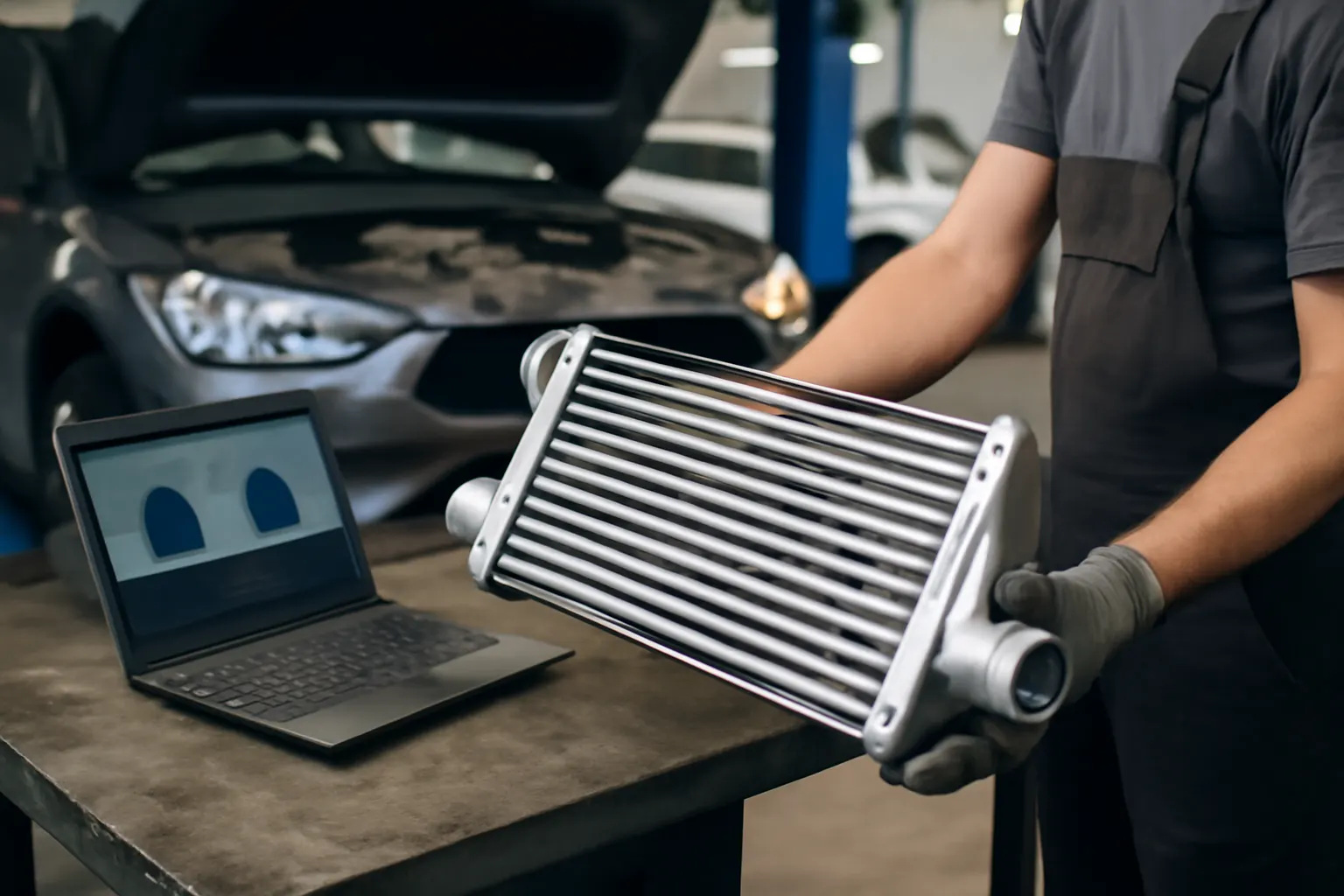
The Science of Boost: How Intercoolers Unlock Hidden Power
Turbocharging has revolutionized modern engine performance, but without intercoolers, much of the potential boost is lost to heat. Intercoolers are the unsung heroes that transform turbocharged air from a liability into a power-boosting asset—maximizing horsepower, improving fuel efficiency, and protecting your engine from damaging heat. Whether you drive a performance car, a diesel truck, or a daily commuter, understanding the science behind intercoolers reveals why charge air cooling is essential for both power and longevity.
Read More
Upgrading Your Turbo System: Intercooler Sizing and Placement
When upgrading a turbocharged system, selecting the right intercooler size and placement is critical for maximizing performance, reliability, and engine longevity. This guide delivers practical, technical steps for choosing and installing an intercooler that matches your build, complete with airflow calculations, sizing charts, and expert considerations. Whether you’re seeking more power, better fuel efficiency, or improved durability, mastering intercooler sizing and placement is essential to unleashing the true potential of your turbo system.
View Guide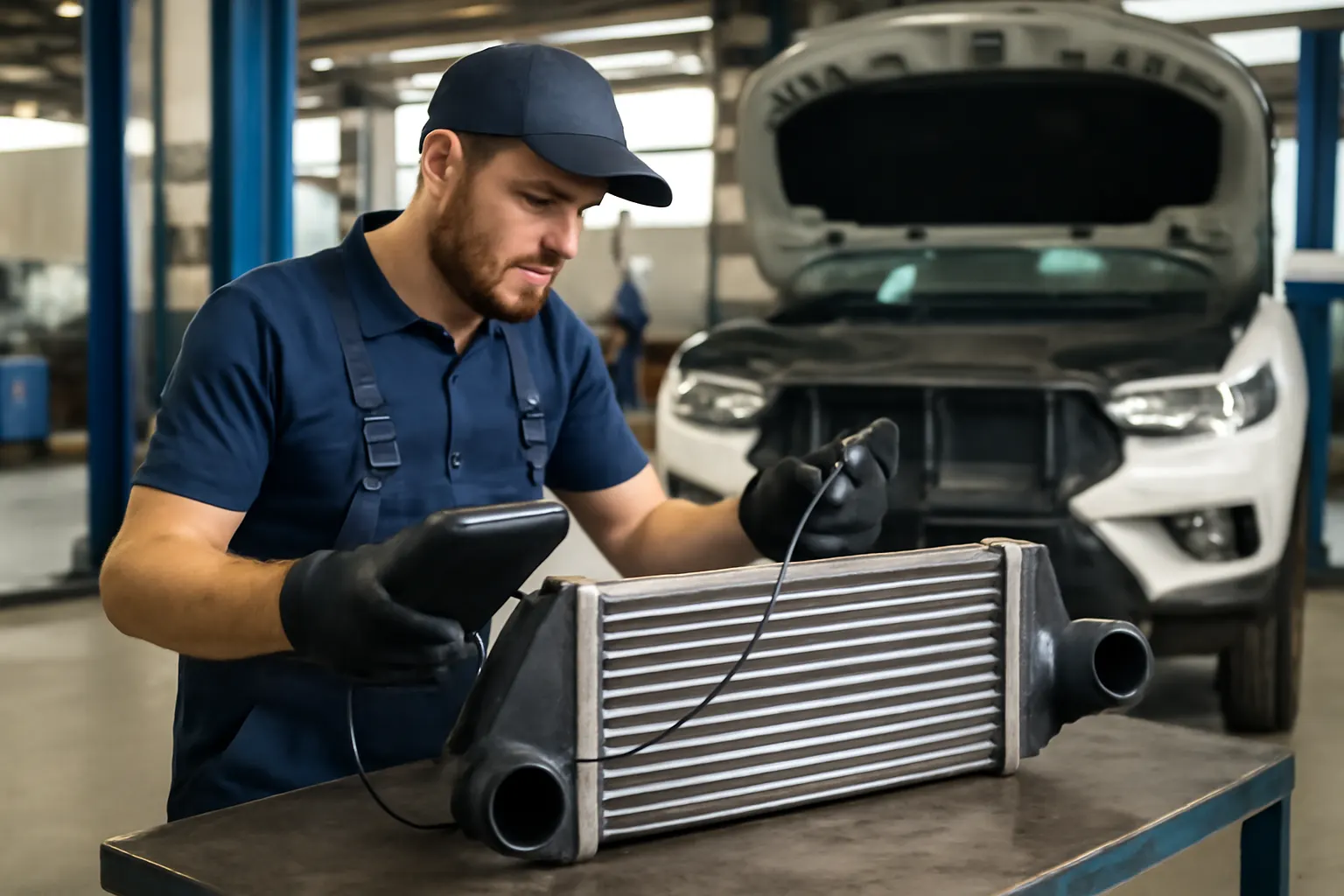
Intercooler Maintenance: Preventing Power Loss and Engine Damage
Intercoolers are critical to the performance, reliability, and efficiency of turbocharged and supercharged engines. Regular intercooler maintenance—specifically inspection and cleaning—prevents power loss, engine knock, overheating, and costly repairs by ensuring optimal air charge cooling. For drivers aiming to maximize their vehicle’s performance and longevity, especially those with forced induction setups, understanding and prioritizing intercooler maintenance is non-negotiable. In this guide, the AutoPartEx Technical Editorial Team provides a comprehensive, expert-backed approach to keeping your intercooler in peak condition.
Read More