Advertisement
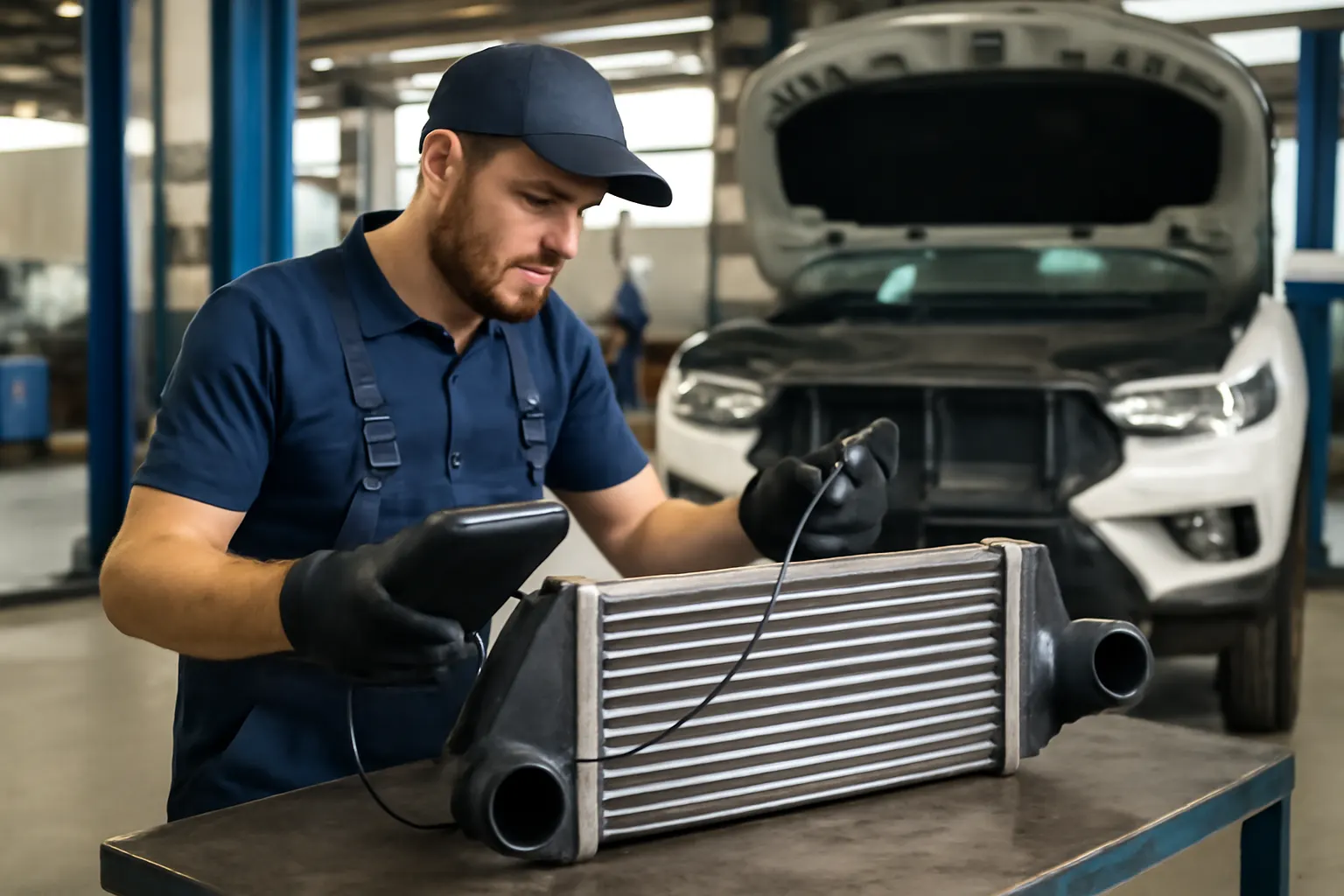
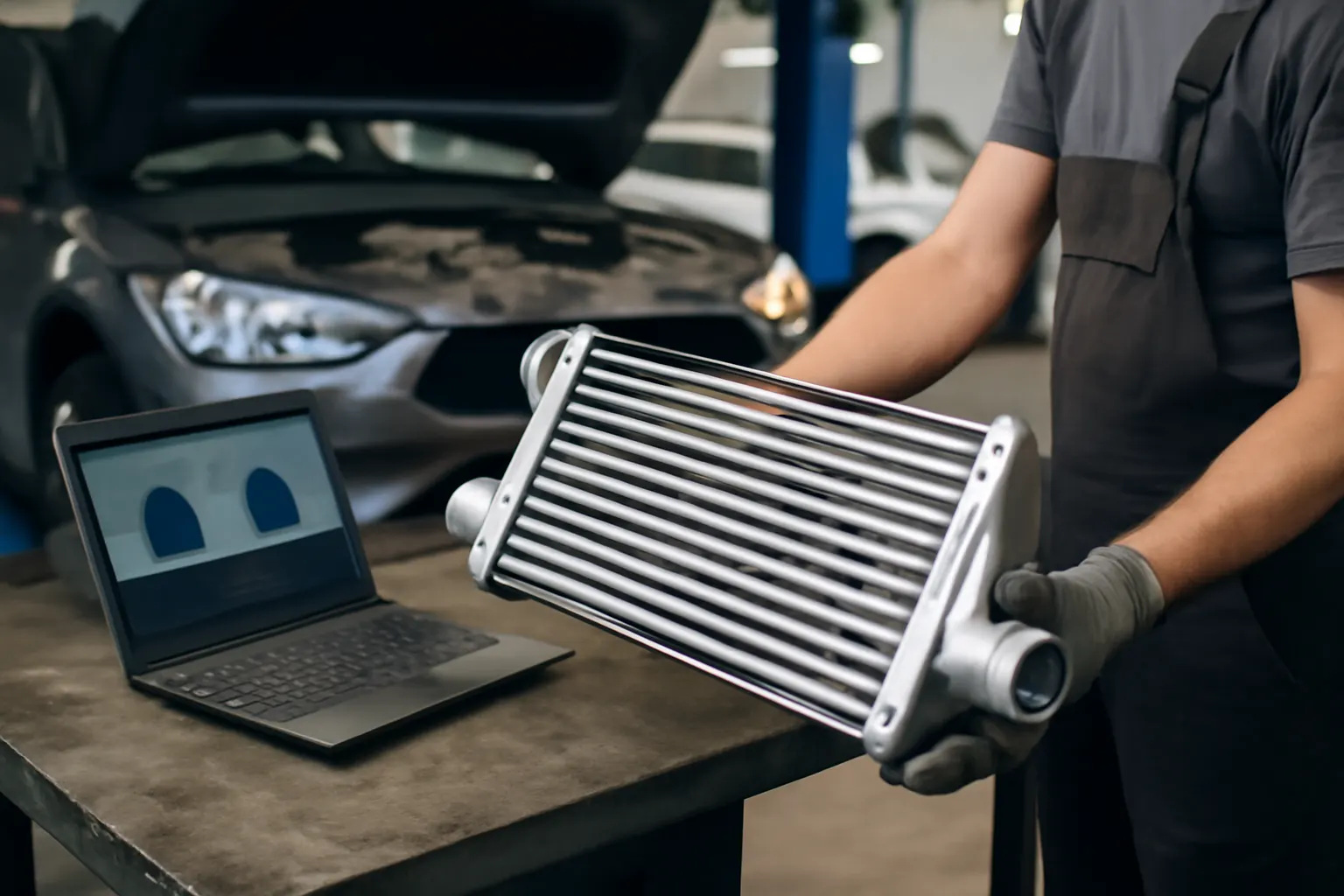
Intercoolers are a critical component in turbocharged and supercharged vehicles, directly impacting performance, efficiency, and engine longevity. Regular intercooler maintenance—specifically inspection, cleaning, and repair—can prevent power loss and catastrophic engine damage, saving you from costly repairs and keeping your engine running strong. In this guide, the AutoPartEx Technical Editorial Team explains how to keep your intercooler system in peak condition, why neglecting it can have hidden consequences, and how to spot and address problems before they escalate. For a broader look at intercooler technology, visit our Intercooler Systems: Maximizing Turbocharged Performance and Engine Longevity category page.
Why Intercooler Maintenance Matters—Immediate Answers for Peak Performance
If you drive a turbocharged or supercharged vehicle, your intercooler is working overtime to keep intake air temperatures low and oxygen density high. A well-maintained intercooler ensures:
- Maximum engine power: Cooler, denser air enables more efficient combustion and higher output.
- Fuel efficiency: Lower intake temperatures reduce the risk of knock and allow for optimal ignition timing, improving fuel economy (DOE Fuel Efficiency).
- Engine longevity: By preventing detonation and excessive heat, a clean intercooler protects vital engine components from thermal stress.
Neglecting regular intercooler inspection and cleaning can lead to reduced boost, increased intake temperatures, and, ultimately, engine damage. Maintaining your intercooler is not optional—it's essential for anyone serious about vehicle performance and reliability.
The Hidden Problem: How Intercooler Neglect Causes Power Loss and Engine Damage
Many drivers overlook intercooler maintenance, focusing instead on more visible components like air filters or turbochargers. However, even minor issues inside the intercooler can have outsized effects:
- Internal contamination: Oil vapors from crankcase ventilation, road debris, and carbon deposits can coat the internal fins, reducing heat transfer efficiency.
- External blockage: Dirt, leaves, and bugs clogging the intercooler’s external fins restrict airflow, raising intake temperatures.
- Leaks and cracks: Physical damage or degraded seals can allow boost pressure (and performance) to escape, or let in unfiltered air.
These issues often develop gradually, making it easy to miss the warning signs. By the time you notice sluggish acceleration or increased fuel consumption, the intercooler may already be severely compromised.
Understanding Intercooler Function: The Science Behind Cooling and Power
To appreciate why maintenance is crucial, it’s important to understand what an intercooler does. In forced induction systems, the turbo or supercharger compresses air before it enters the engine. This compression raises both air pressure and temperature. Hotter air is less dense, reducing the amount of oxygen available for combustion and increasing the risk of knock (pre-ignition).
The intercooler’s job is to cool this pressurized air before it enters the intake manifold. Most automotive intercoolers are air-to-air or air-to-liquid designs. The cooled, denser air allows for:
- More fuel to be burned per cycle (increasing power)
- Safer ignition timing (reducing knock)
- Lower exhaust gas temperatures (protecting the turbo and engine)
When the intercooler is compromised by dirt, oil, or leaks, all of these benefits are reduced or lost. For a deeper dive into the science, see The Science of Boost: How Intercoolers Unlock Hidden Power.
Early Warning Signs: Diagnosing Intercooler Problems Before They Escalate
Routine checks can catch intercooler issues early, preventing both power loss and engine damage. Watch for these telltale signs:
- Noticeable power drop: If your turbocharged engine feels sluggish or less responsive, heat-soaked intake air could be the culprit.
- Increased fuel consumption: An inefficient intercooler forces the ECU to compensate with richer fuel mixtures.
- Whistling or hissing noises: These may indicate leaks in intercooler pipes, couplers, or the core itself.
- Visible oil residue: Oil on or around the intercooler suggests internal contamination or a failing turbo seal.
- Elevated intake air temperatures (IAT): If you monitor IAT via OBD-II or a scan tool, consistently high readings mean the intercooler is not doing its job.
Addressing these symptoms promptly can prevent further damage to the turbo, engine internals, and catalytic converter.
The Intercooler Maintenance Checklist: Keeping Your System in Top Shape
Staying proactive is the key to reliable intercooler performance. Here’s a detailed maintenance checklist to follow at least every 15,000 miles (or more often in harsh environments):
Advertisement
Intercooler Maintenance Checklist
| Task | Frequency | Tools Needed | Notes |
|---|---|---|---|
| Visual inspection (external) | Every 5,000 miles | Flashlight, inspection mirror | Check for debris, bent fins, oil residue |
| Clean external fins | Every 10,000 miles | Soft brush, compressed air, water | Avoid high-pressure washers |
| Inspect hoses and clamps | Every 10,000 miles | Socket set, screwdriver | Look for cracks, leaks, loose connections |
| Check for boost leaks | Every 15,000 miles | Boost leak tester | Pressurize system, listen for hissing |
| Internal cleaning (if contaminated) | As needed | Solvent, compressed air | Remove intercooler, flush with solvent |
| Inspect for physical damage | Every 15,000 miles | Flashlight | Look for dents, cracks, corrosion |
| Monitor intake air temperature (IAT) | Ongoing | OBD-II scanner | High IAT = possible intercooler problem |
Following this schedule will prevent most common intercooler failures and maintain optimal engine performance.
Step-by-Step: How to Clean and Inspect Your Intercooler
Proper cleaning and inspection require careful attention to both the intercooler’s internal and external surfaces. Here’s how to do it safely:
External Cleaning
- Remove Debris: Use a soft brush or compressed air (at low pressure) to remove leaves, bugs, and dirt from the intercooler fins. Avoid bending the delicate aluminum fins.
- Gentle Washing: If necessary, rinse with water. Do not use a pressure washer, as this can damage the fins or force water into the core.
- Straighten Bent Fins: Use a fin comb or small flathead screwdriver to realign any bent fins, restoring airflow.
Internal Cleaning
- Remove the Intercooler: Disconnect the intake and charge pipes, being careful not to damage any sensors or couplers.
- Inspect Internally: Look for oil residue, sludge, or signs of corrosion inside the core.
- Flush with Solvent: Pour a suitable solvent (such as brake cleaner or a dedicated intercooler cleaner) into the core, plug the ends, and gently agitate. Let it sit for 10–15 minutes.
- Drain and Dry: Drain the solvent, then blow out any residue with compressed air. Allow the intercooler to dry completely before reinstalling.
Inspection Tips
- Check for Leaks: After cleaning, pressurize the intercooler with a boost leak tester to confirm there are no leaks.
- Inspect Hoses and Clamps: Replace any hoses that feel brittle or show cracks. Tighten all clamps to manufacturer spec.
Common Intercooler Failures: Causes and Consequences
Understanding the most frequent intercooler failures can help you prevent them:
- Oil contamination: Often a byproduct of worn turbo seals or excessive blow-by, oil inside the intercooler drastically reduces heat transfer efficiency and can cause detonation.
- Physical damage: Rocks, road debris, or improper installation can dent or puncture the intercooler, resulting in boost leaks and reduced power.
- Corrosion: Exposure to road salt or moisture can corrode the aluminum core, especially in older vehicles.
- Clogged fins: External blockages prevent airflow, causing heat soak and increased intake temps.
Each of these failures can lead to a cascade of problems, from sluggish acceleration to catastrophic engine failure if left unchecked.
Boost Leaks: The Silent Power Thief
Among all intercooler-related issues, boost leaks are perhaps the most insidious. They often develop slowly and are hard to detect without proper testing.
Identifying Boost Leaks
- Symptoms: Loss of power, poor throttle response, excessive turbo spool noise, and rich fuel mixtures.
- Testing: Use a dedicated boost leak tester to pressurize the intake system and listen for escaping air. Pay close attention to intercooler end tanks, seams, and hose connections.
Consequences of Ignoring Boost Leaks
- Reduced boost pressure: The turbo works harder to compensate, increasing wear.
- Higher intake temps: Leaks can allow unmetered, uncooled air into the engine.
- Risk of engine damage: Unfiltered air can carry debris into the combustion chamber, causing scoring or premature wear.
Addressing boost leaks promptly is essential for maintaining safe and reliable performance. For more on diagnosis and repair, see How to Diagnose and Replace a Failing Intercooler.
Choosing the Right Cleaning Products and Tools
Not all cleaning products are safe for intercoolers. Avoid harsh acids, caustic cleaners, or abrasive brushes, which can damage the aluminum core.
Advertisement
Recommended products and tools:
- Solvent-based cleaners: Brake cleaner or dedicated intercooler cleaning solutions.
- Soft brushes: Nylon or natural bristle brushes are ideal for removing debris without damaging fins.
- Fin combs: For straightening bent fins.
- Compressed air: For drying and clearing debris (use at low pressure).
Always follow the product manufacturer’s instructions and wear appropriate protective equipment.
When to Replace Instead of Repair: Recognizing Irreversible Damage
While many intercooler issues can be resolved with cleaning and minor repairs, some situations require replacement:
- Cracked or punctured cores: Structural damage cannot be safely repaired.
- Severe corrosion: Deep pitting or flaking reduces strength and heat transfer.
- Collapsed fins or end tanks: These affect airflow and boost retention.
- Persistent oil contamination: If oil returns after cleaning, the turbo or PCV system may require repair.
Replacement intercoolers should meet or exceed OEM specifications. Consider upgrading to a higher-capacity or performance unit if you drive in demanding conditions or have increased boost pressure. For advice on sizing and fitment, see Upgrading Your Turbo System: Intercooler Sizing and Placement.
Proactive Maintenance: Extending the Life of Your Intercooler and Engine
Intercooler maintenance is not just about cleaning—it’s about preserving the entire forced induction system. Here are additional tips for long-term reliability:
- Use high-quality air filters: Prevents dirt and debris from entering the intake and contaminating the intercooler. See Air Box/Air Cleaner for options.
- Monitor crankcase ventilation: Excessive blow-by increases oil contamination. Upgrade to an oil catch can if needed.
- Inspect related components: Check turbo seals, intake piping, and PCV system for wear or leaks.
- Schedule regular maintenance: Stick to a consistent inspection and cleaning interval, especially if you drive in dusty or wet environments.
These habits will not only protect your intercooler but also maximize the lifespan of your turbo, engine, and emission control systems.
Safety, Materials, and Standards: What the Experts Require
Proper intercooler maintenance isn’t just about performance; it’s also a matter of safety and compliance. According to the National Highway Traffic Safety Administration, maintaining all vehicle equipment—including intercoolers and charge-air systems—is essential for safe operation and emissions compliance.
Modern intercoolers utilize advanced materials, such as lightweight aluminum alloys, for optimal heat transfer and durability. The U.S. Department of Energy highlights the importance of materials technology in automotive systems, emphasizing the need for careful handling during maintenance to prevent damage.
Adhering to SAE International Standards for automotive system inspection and repair ensures that your maintenance practices meet industry best practices for reliability and safety.
Professional vs. DIY: When to Seek Expert Help
While many aspects of intercooler maintenance can be performed at home, certain situations call for professional intervention:
- Persistent boost leaks: If you cannot locate the source, a professional shop can perform smoke tests and pressure checks.
- Major contamination: Severe oil or coolant ingress may indicate deeper engine or turbo issues.
- Replacement and upgrades: Professional installation ensures correct fitment, proper torque specs, and leak-free connections.
Professional shops also have access to advanced diagnostic tools and can verify that your intercooler system meets manufacturer and regulatory standards.
The AutoPartEx Advantage: Trusted Parts, Expert Guidance
At AutoPartEx, we’re committed to helping enthusiasts and professionals maximize their vehicle’s performance and reliability. Our curated selection of intercooler systems, hoses, clamps, and cleaning products meets or exceeds OEM and industry standards. Whether you’re maintaining a daily driver or upgrading a high-performance build, our technical resources and expert support are here to guide you every step of the way.
Explore our Intercooler Systems: Maximizing Turbocharged Performance and Engine Longevity page for product recommendations, fitment guides, and advanced technical articles.
Conclusion: Make Intercooler Maintenance a Core Part of Your Routine
Intercooler maintenance is a critical—yet often overlooked—aspect of turbocharged and supercharged vehicle ownership. Regular inspection, cleaning, and prompt repair protect your engine from power loss, overheating, and costly mechanical failure. By following the maintenance strategies and technical best practices outlined in this guide, you’ll ensure that your forced induction system delivers maximum power, efficiency, and longevity for years to come.
Don’t wait for performance to drop or warning lights to appear—make intercooler maintenance part of your regular service routine. For more advanced diagnostics, upgrades, or technical support, the AutoPartEx team is always here to help.
References
Advertisement