Advertisement
Gas struts—sometimes called gas springs, lift supports, or shocks—are the unsung heroes that quietly support your vehicle’s back glass, liftgate, trunk, or hood. But when these components wear out, the consequences can be immediate and dangerous: a heavy glass panel or liftgate can slam shut unexpectedly, risking injury to you or your family. Immediate replacement isn’t just a matter of convenience—it’s a critical safety measure. This guide explains the risks, the technical reasons behind gas strut failure, and how to act before a minor annoyance turns into a major hazard.
If you’re searching for reliable Back Glass Shock | OEM Gas Struts & Lift Supports, understanding the importance of gas strut safety is the first step to protecting your vehicle—and everyone who rides in it.
Why Gas Strut Safety Matters Now
Gas struts are safety-critical parts. They hold open the back glass, hood, or liftgate so you can load cargo, check the engine, or access storage without worrying about a heavy panel crashing down. When these struts fail, the risk isn’t just inconvenience—it’s potential injury. The National Highway Traffic Safety Administration (NHTSA) includes gas struts in their vehicle equipment safety standards because failure can result in sudden, uncontrolled closure of panels, causing head injuries, pinched fingers, or even more severe accidents [^1].
Many drivers ignore the gradual weakening of their gas struts, chalking it up to “old car quirks.” But a worn gas strut can go from weak to dangerous in a single cold morning or hot afternoon. Immediate replacement is crucial for anyone who regularly accesses their vehicle’s cargo area, especially families with children or elderly passengers.
The Hidden Problem: Worn Gas Struts and Safety Risks
The real danger with gas struts is that their decline is subtle. Unlike a flat tire or dead battery, failing gas struts degrade slowly, losing pressure over months or years. This makes it easy to overlook the problem until it’s too late.
Common Hidden Risks:
- Sudden Closure: A weakened strut may support the panel for a few seconds, then give out, causing the glass or liftgate to slam shut unexpectedly.
- Unpredictable Performance: Temperature changes can cause marginal struts to lose pressure suddenly, especially in cold weather.
- False Sense of Security: Drivers may think the panel is secure—until a gust of wind or a nudge causes it to drop.
These risks are amplified in SUVs, minivans, and station wagons, where the liftgate or back glass is heavy and often used for loading groceries, sports gear, or strollers. Children and pets are especially vulnerable to injury from a falling panel.
How Gas Struts Work: The Engineering Behind the Safety
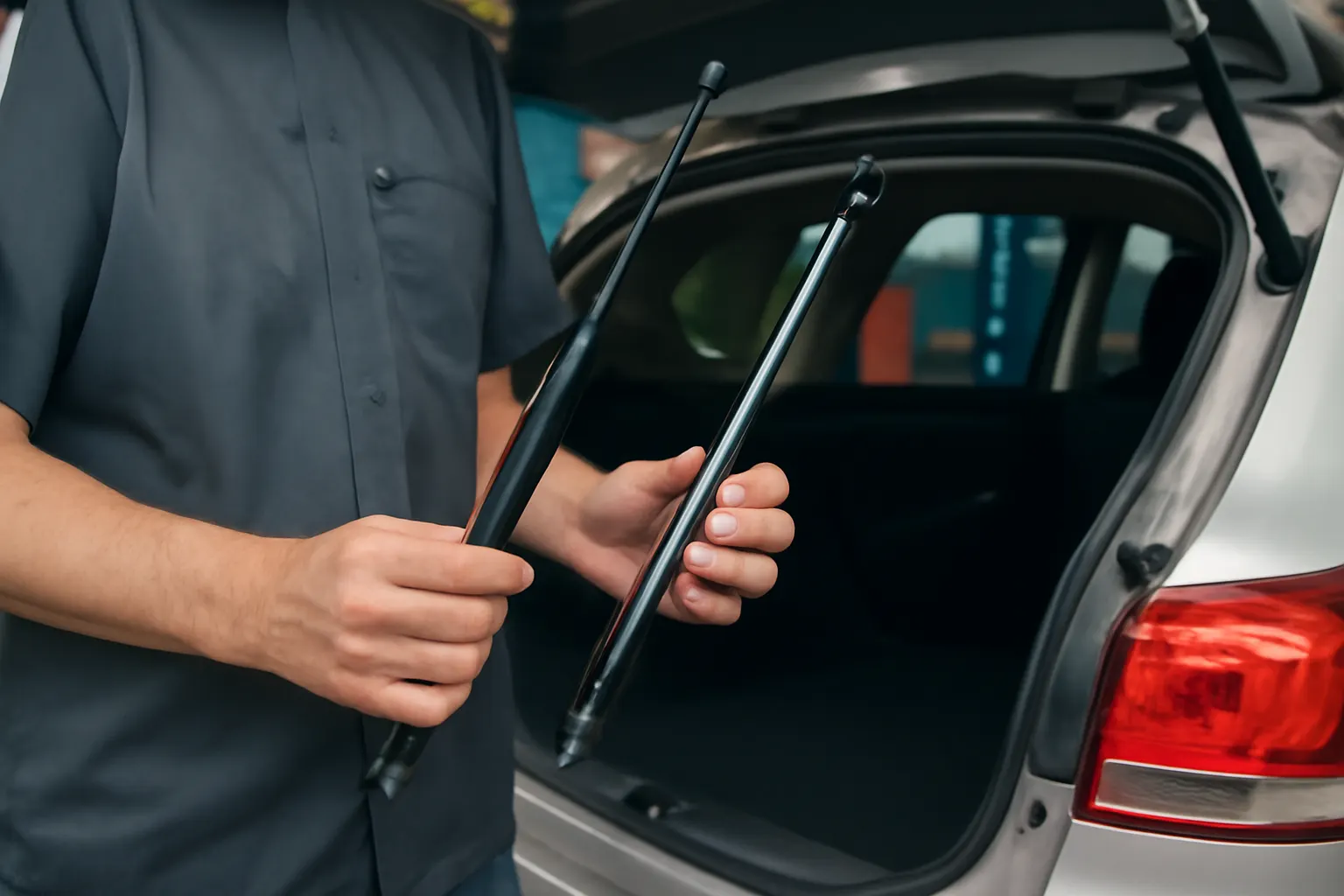
Understanding how gas struts function helps explain why their performance degrades and why safety is at stake. Gas struts are sealed cylinders filled with high-pressure nitrogen gas and a small amount of oil. When you open your vehicle’s back glass or liftgate, the strut’s piston compresses the gas, which pushes back to hold the panel open.
Key Technical Points:
- Pressure Loss: Over time, seals wear out, letting gas escape and reducing the strut’s ability to hold weight.
- Internal Corrosion: Moisture or contaminants can cause rust inside the cylinder, leading to binding or sudden failure.
- Temperature Sensitivity: Cold weather reduces gas pressure, while heat can temporarily increase it, making performance unpredictable.
According to SAE International standards, automotive gas struts must pass rigorous cycle and load tests to ensure reliability. However, even the best struts have a finite lifespan, typically 40,000 to 80,000 cycles or 5-7 years under normal use [^2].
Recognizing the Signs: When Are Your Gas Struts Unsafe?
Gas struts rarely fail all at once. Instead, they become less effective over time. Here’s how to tell if yours are due for replacement:
Advertisement
Gas Strut Safety Checklist
- Panel Drops or Won’t Stay Open: The most obvious warning. If the back glass, liftgate, or hood won’t remain fully open, the struts are failing.
- Slow or Jerky Movement: Panels rise sluggishly or in fits and starts, indicating internal wear or gas loss.
- Visible Oil Leaks: Oil on the strut rod or body means internal seals are compromised.
- Hissing Noises: Escaping gas may make a faint hissing or squeaking sound.
- Manual Support Needed: If you need to prop the panel open with a stick or your hand, the struts have failed.
- Movement Changes With Temperature: Struts that work in warm weather but fail in the cold are nearing the end of their service life.
If you notice any of these symptoms, consult our Signs Your Back Glass Shocks Need Replacement for a deeper dive into diagnostics.
Real-World Consequences: Injury and Liability
The risk of ignoring worn gas struts isn’t theoretical. NHTSA has documented injuries resulting from falling panels, including concussions, lacerations, and broken fingers [^1]. In some cases, automakers have issued recalls for defective or underperforming lift supports [^2]. If someone is injured by a falling panel, the liability may fall on the vehicle owner if there’s evidence of neglected maintenance.
Common Injury Scenarios:
- Children reaching into the cargo area and having the glass drop unexpectedly.
- Adults unloading groceries or tools with their heads beneath the open panel.
- Pets jumping into or out of the back, startled by a sudden closure.
Replacing worn gas struts is a simple, affordable way to prevent these incidents.
The Science of Gas Strut Failure: Why They Don’t Last Forever
Gas struts are precision-engineered, but their design makes them inherently perishable. The primary reason for failure is slow gas leakage through the piston seal. Over thousands of cycles, even the best seals degrade.
Factors Accelerating Strut Failure:
- Frequent Use: Delivery vehicles or family SUVs with daily cargo access wear out struts faster.
- Environmental Exposure: Road salt, moisture, and dust attack seals and rods.
- Improper Cleaning: Power washing or harsh chemicals can damage seals.
- Aftermarket Quality: Low-quality aftermarket struts may use inferior seals or thinner rods, accelerating wear.
Understanding these factors can help you select longer-lasting replacements and plan preventive maintenance.
How to Inspect Your Gas Struts: A Step-by-Step Guide
Routine inspection is the cornerstone of gas strut safety. Here’s a practical checklist for DIYers and professionals:
Gas Strut Inspection Checklist
-
Visual Inspection:
- Look for oil residue on the strut body or rod.
- Check for corrosion, pitting, or bent rods.
- Inspect mounting hardware for looseness or wear.
-
Functional Test:
- Open the panel fully and note if it stays open without manual support.
- Gently press down on the panel—if it closes easily or slowly drifts down, the struts are weak.
- Listen for unusual noises (hissing, squeaking, or clicking).
-
Environmental Test:
- Test strut performance in both warm and cold conditions.
- Note any difference in holding power or speed of operation.
-
Cycle Test:
- Open and close the panel several times. Jerky or uneven motion indicates internal wear.
If you detect any issues, plan for immediate replacement. For detailed safety tips on DIY replacement, see DIY Back Glass Shock Replacement: Safety First.
Choosing the Right Replacement: OEM vs Aftermarket
Selecting the correct gas strut is essential for safety. The wrong size, pressure, or mounting configuration can compromise performance—or even damage your vehicle.
OEM vs Aftermarket: What’s Best for Your Vehicle?
- OEM (Original Equipment Manufacturer): Guaranteed fit and performance. Meets or exceeds automaker safety and engineering standards.
- Aftermarket: Can be cost-effective, but quality varies. Look for brands that meet or exceed SAE and NHTSA standards.
For a detailed comparison, read OEM vs Aftermarket Gas Struts: Why Quality Matters.
Technical Tips for Sourcing:
- Match strut length, force rating (N or lbs), and mounting ends to your vehicle’s specs.
- Avoid “universal fit” struts unless they’re specifically rated for your application.
- Check for corrosion-resistant coatings and high-quality seals.
Advertisement
Installation Safety: How to Replace Gas Struts Without Injury
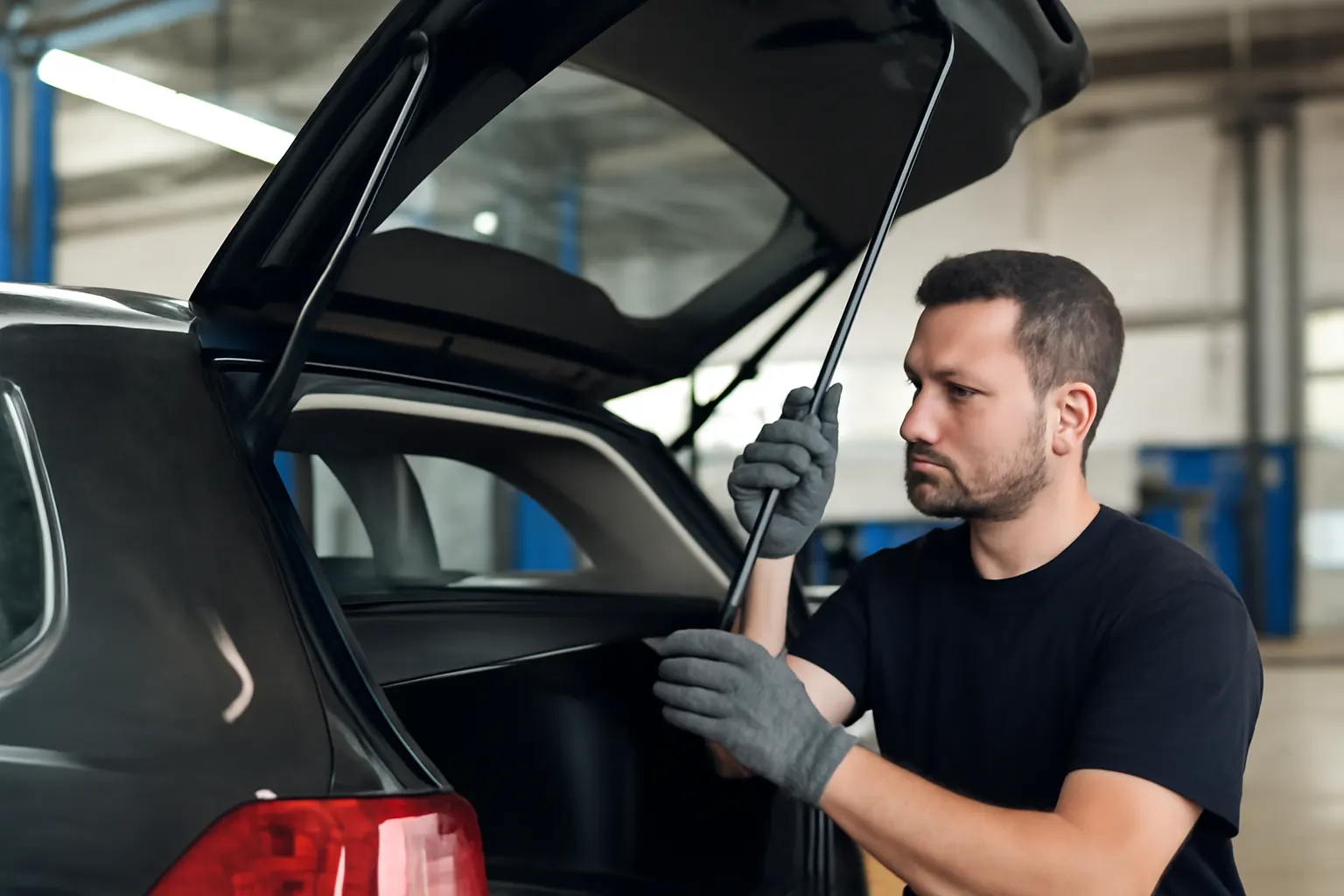
Replacing gas struts is a straightforward DIY task, but safety is paramount. Panels can be heavy and awkward, especially when old struts provide little or no support.
Installation Safety Checklist
- Work With a Partner: Always have someone hold the panel while you remove the old struts.
- Support the Panel: Use a sturdy prop or jack stand if working alone.
- Wear Safety Gear: Gloves and eye protection are recommended.
- Remove One Strut at a Time: This prevents the panel from dropping unexpectedly.
- Follow Manufacturer Instructions: Torque specs and mounting orientation matter.
- Test Operation: Ensure the panel opens smoothly and stays open after installation.
Improper installation can cause premature failure or even damage the mounting points, so take your time and double-check your work.
Maintenance and Longevity: How to Extend Gas Strut Life
With basic care, quality gas struts can last for years. Follow these maintenance tips to maximize safety and value:
- Clean Regularly: Wipe strut rods with a soft, damp cloth to remove dirt and road salt. Avoid harsh chemicals.
- Inspect Mounts: Tighten loose bolts and replace worn bushings or clips.
- Protect From Impact: Don’t slam the panel open or closed—gentle operation preserves seals.
- Store Properly: If the vehicle is stored for long periods, open and close the panel occasionally to keep seals lubricated.
- Monitor Performance: Replace struts at the first sign of weakness, not after complete failure.
Regular maintenance not only keeps your vehicle safe but also protects your investment.
When to Replace: Timing and Mileage Recommendations
There’s no universal mileage for gas strut replacement, but most experts recommend inspecting them annually after five years or 60,000 miles. Heavy use, extreme climates, or frequent loading may require more frequent checks.
Replacement Guidelines
| Usage Type | Inspection Interval | Typical Replacement Interval |
|---|---|---|
| Normal (family car) | Annually after 5 yrs | 5–7 years |
| Heavy (fleet/SUV) | Every 6 months | 3–5 years |
| Extreme (delivery) | Every 3 months | 2–3 years |
Don’t wait for total failure—preemptive replacement is the safest approach.
The Broader Safety Context: Struts, Recalls, and Vehicle Integrity
Gas struts are part of your vehicle’s overall safety system, just like seat belts or airbags. Defective or worn struts have led to recalls from major automakers, reinforcing the importance of regular inspection and replacement 1.
Why This Matters:
- System Integrity: Weak struts can damage hinges, latches, and even the glass itself.
- Recall Awareness: Check NHTSA’s recall database for your make and model. If your vehicle has a recall on lift supports, address it immediately 1.
- Resale Value: Documented maintenance, including strut replacement, improves resale and trade-in value.
For more on related systems, see our guides on back glass, back glass regulator, and liftgate assembly.
AutoPartEx: Your Partner in Gas Strut Safety
At AutoPartEx, we understand that quality parts and trusted advice are crucial to keeping your vehicle safe. Our curated selection of Back Glass Shock | OEM Gas Struts & Lift Supports meets or exceeds all relevant safety and engineering standards. We provide detailed fitment guides, expert support, and fast shipping—so you can replace worn gas struts before they become a hazard.
Whether you’re a DIYer, a fleet manager, or a professional technician, AutoPartEx is committed to supporting your vehicle’s safety and reliability. Explore our related resources for diagnostics, installation, and maintenance tips to keep your family protected on every drive.
Take Action: Don’t Wait for Failure
If your vehicle’s back glass, liftgate, or hood doesn’t stay open—or if you’ve noticed any of the warning signs discussed above—don’t delay. Inspect and replace your gas struts today. Protect your family, avoid injury, and maintain your vehicle’s value with proactive maintenance.
For the best fit, quality, and support, visit our Back Glass Shock | OEM Gas Struts & Lift Supports page or consult our buying and installation guides for step-by-step instructions.
References
- Vehicle Safety and Equipment – National Highway Traffic Safety Administration
- Vehicle, Car Seat, Tire, and Equipment Recalls – National Highway Traffic Safety Administration
- SAE Standards – SAE International
Footnotes
Advertisement