
Back Glass Regulator
Back Glass Regulator: What to Know Before You Replace
Many drivers overlook the back glass regulator until rear window trouble strikes. This component quietly manages rear window movement, yet its failure can disrupt comfort, safety, and even security. Understanding its role, common problems, and how to select the right replacement will help you keep your vehicle running smoothly and avoid unnecessary repair headaches. Here’s what every car owner should know about back glass regulators, from diagnosis to evidence-backed repair advice.
Showing 1–8 of 54 products


More Back Glass Regulator options
Filtering for Back Glass RegulatorBrowse nearby inventory for this category without leaving the page. Use search to filter by price, part number, or city.
No Data Available
Please check back soon when more inventory is available for this part.
Back Glass Regulator: What to Know Before You Replace
Why the Back Glass Regulator Deserves Your Attention
It’s easy to forget about the back glass regulator—until your rear window jams or refuses to budge. Most owners only think about this part when something goes wrong, but the regulator is crucial for daily convenience and safety. It allows you to open or close the rear window for ventilation, loading, or visibility. When it fails, you may be left with a stuck window, compromised security, or exposure to the elements. The subtle nature of early symptoms means problems often go unnoticed until they escalate.
Unlike more visible car components, the back glass regulator operates quietly behind the scenes. Its gradual wear can be masked by other window or door issues, leading many to misdiagnose the root cause. For example, a slow-moving window or odd noise may be blamed on the switch or motor, when the real culprit is the regulator mechanism itself. This oversight can result in repeated repairs or unnecessary part replacements, costing time and money.
Recognizing the importance of the back glass regulator is the first step to proactive vehicle care. By understanding how this part functions and the signs of trouble, you can address issues before they become major inconveniences. Early attention not only preserves comfort but also helps maintain your vehicle’s security and value. Let’s explore what can go wrong and why diagnosing regulator issues matters for every car owner.

What Goes Wrong With Back Glass Regulators?
The back glass regulator is a mechanical assembly responsible for moving the rear window up and down. It typically consists of cables, gears, or scissor-like arms, depending on the vehicle design. Over time, these components are subject to significant stress from repeated use, temperature changes, and moisture exposure. This gradual wear can lead to a range of issues, from sluggish operation to total failure. Understanding how and why these failures occur is essential for accurate troubleshooting.
Common symptoms of regulator problems include windows that move unevenly, get stuck, or make grinding or clicking noises during operation. Sometimes, the window may drop suddenly into the door or refuse to move at all. These issues are often mistaken for electrical faults, such as a bad switch or failed motor, but the underlying cause is mechanical wear or breakage within the regulator itself. Knowing the difference is key to effective repairs.
Cable-type regulators are particularly prone to fraying or snapping, especially in older vehicles or those exposed to harsh weather. When a cable breaks or slips off its pulley, the window loses support and may become inoperable. Scissor-type regulators, on the other hand, rely on pivot points and gears that can seize or wear down over time. Both types can develop excessive play or misalignment, further complicating window movement and increasing the risk of glass breakage.
Electrical issues can also mimic regulator failure. A faulty window switch, blown fuse, or failing motor may prevent the window from moving, even if the regulator is in good condition. Diagnosing the true source of the problem requires a systematic approach, including checking for power at the motor and inspecting the regulator’s mechanical components for visible damage or wear. Skipping these steps can lead to unnecessary part replacements and unresolved issues.
Environmental factors play a significant role in regulator longevity. Moisture intrusion, for example, can cause corrosion on metal parts and weaken cables or gears. Vehicles frequently parked outdoors or driven in wet climates are at higher risk for regulator problems. Regular inspection and prompt attention to minor symptoms can help prevent major failures and costly repairs down the line.
Ignoring early warning signs can lead to more than just inconvenience. A malfunctioning back glass regulator can compromise vehicle security, allow water intrusion, or even create safety hazards if the window unexpectedly drops while driving. Addressing these issues promptly ensures your vehicle remains comfortable, secure, and compliant with safety standards. Next, let’s look at how to diagnose and address these problems effectively.
How to Diagnose and Replace a Back Glass Regulator
The first step in addressing back glass regulator issues is accurate diagnosis. Begin by observing the window’s behavior: does it move slowly, get stuck, or make unusual noises? Compare these symptoms with those outlined in our Diagnosing Window Regulator Problems guide. If the window doesn’t respond at all, check the fuse and switch to rule out electrical faults. Listen for the sound of the motor—if it runs but the window doesn’t move, the regulator is likely at fault.
Next, determine which type of regulator your vehicle uses. Cable-type regulators are common in modern vehicles and are identified by their thin, flexible cables and pulleys. Scissor-type regulators, more common in older models, use a set of metal arms and gears. Knowing your regulator type will help you select the correct replacement and follow the right repair procedure. For a detailed comparison, see Cable vs Scissor Regulators: Which is Better?.
Once you’ve confirmed the regulator is the issue, source a replacement that matches your vehicle’s make, model, and year. Compatibility is crucial, as regulators are often designed for specific window sizes and mounting points. Review part numbers and consult with reputable sellers to avoid costly mistakes. Salvage parts may be available, but new or remanufactured regulators typically offer better reliability. Always verify the part’s condition and return policy before purchase.
Prepare for the replacement by gathering necessary tools: screwdrivers, trim removal tools, and a socket set are commonly required. Disconnect the vehicle’s battery to prevent electrical hazards. Carefully remove the interior door or hatch panel, taking note of how clips and fasteners are arranged. Keep all hardware organized to ensure a smooth reassembly process.
With the panel removed, locate the back glass regulator assembly. Disconnect any electrical connectors and remove mounting bolts or screws securing the regulator to the door or hatch frame. Carefully support the window glass to prevent it from falling. Remove the old regulator, noting its orientation and attachment points. Install the new regulator in the reverse order, ensuring all connections are secure and aligned.
After installation, reconnect the battery and test the window’s operation. The glass should move smoothly without hesitation or noise. If problems persist, double-check all connections and mounting points. Minor adjustments may be needed to achieve proper alignment. Once satisfied, reinstall the interior panel and ensure all trim pieces are securely in place.
If you’re unsure about any step, consult a professional technician or refer to our DIY Back Glass Regulator Replacement Guide. Some vehicles have unique procedures or require special tools. Attempting repairs without adequate knowledge can lead to further damage or safety risks. Don’t hesitate to seek expert help when needed.
Finally, consider preventive measures to extend the life of your new regulator. Regularly inspect window operation, keep tracks clean, and avoid forcing the window if it sticks. For more tips, see Preventing Window Regulator Failure: Maintenance Tips. Proactive care can help you avoid repeat failures and ensure reliable rear window performance for years to come.
What the Experts and Authorities Recommend
The National Highway Traffic Safety Administration (NHTSA) provides a comprehensive overview of vehicle recall processes and safety defect investigations. Their guidance emphasizes the importance of verifying whether your vehicle has any unrepaired recalls related to window mechanisms, including back glass regulators. By using the VIN lookup tool on the NHTSA website, owners can determine if their specific vehicle is subject to a recall that may affect rear window operation. This process does not guarantee that every vehicle or regulator is recalled, but it is a critical step for safety compliance and peace of mind NHTSA: Vehicle Recalls.
NHTSA’s recall process is driven by consumer complaints and manufacturer reports of safety-related defects. If a pattern of failures emerges—such as widespread regulator malfunctions—NHTSA may open an investigation and, if warranted, require a recall. Owners are notified by mail and offered a free remedy, which may include repair or replacement of the faulty component. This underscores the importance of reporting window regulator problems and checking for open recalls before purchasing or installing a replacement part. However, the NHTSA database does not confirm that a specific back glass regulator or vehicle model is currently under recall; it only provides general safety guidance and recall status by VIN.
The Federal Trade Commission (FTC) offers practical advice for consumers facing auto repairs. Their guidance, published in "Auto Repair Basics," recommends obtaining a written repair estimate that details the condition to be repaired, the parts needed, and anticipated labor charges. For complex repairs like back glass regulator replacement, the FTC suggests seeking a second opinion and confirming that the technician has experience with your specific make and model. This helps ensure the repair is necessary and performed correctly FTC: Auto Repair Basics.
The FTC also highlights the importance of understanding the type of replacement part used—new, remanufactured, or salvage. Salvage parts, sourced from other vehicles, may offer cost savings but can vary in condition and longevity. New or remanufactured regulators generally provide more consistent performance. The FTC does not endorse specific brands or guarantee fitment, so it’s up to the consumer to verify compatibility and quality. Always request a completed repair order listing all work performed, parts installed, and associated costs.
Neither NHTSA nor the FTC provides technical specifications or repair instructions for back glass regulators. Instead, they offer frameworks for safe, informed decision-making. NHTSA’s focus is on safety compliance and defect reporting, while the FTC emphasizes consumer protection, transparency, and the value of second opinions. When selecting a replacement regulator, use these frameworks to guide your research and interactions with sellers or repair shops.
In the absence of vehicle- or model-specific technical evidence, consumers should prioritize gathering detailed part information and confirming fitment through reputable channels. Ask sellers for part numbers, compatibility lists, and return policies. Compare these details with your vehicle’s documentation or consult a trusted technician. This approach minimizes the risk of purchasing an incompatible or substandard regulator and aligns with the best practices outlined by both NHTSA and the FTC.
Finally, while statistics on back glass regulator failure rates are not provided in these sources, the emphasis on proactive inspection, accurate diagnosis, and evidence-based repair decisions is clear. By following the steps and recommendations from these authoritative bodies, you can confidently address rear window regulator issues and maintain your vehicle’s safety and functionality.
Take the Next Step Toward Reliable Rear Window Operation
If your rear window is slow, stuck, or making odd noises, don’t ignore the warning signs. Use trusted resources to diagnose the issue, check for recalls, and select the right back glass regulator for your vehicle. Whether you opt for a DIY repair or professional service, informed decisions will help you avoid unnecessary expenses and keep your car secure and comfortable. Explore our Back Glass Regulator catalog for compatible parts, and review our maintenance and diagnostic guides to stay ahead of future problems.
References
- NHTSA: Vehicle Recalls
- FTC: Auto Repair Basics
References
- NHTSA: Vehicle Recalls - NHTSA, accessed 2026-11-01
- FTC: Auto Repair Basics - FTC, accessed 2026-11-01
Related Guides & Articles

Diagnosing Window Regulator Problems
Window regulators are the unsung heroes behind every smooth-gliding automotive window. When your window fails to move up or down, grinds, or gets stuck, the culprit is often a malfunctioning regulator. Diagnosing window regulator problems quickly and accurately is crucial for safety, comfort, and even fuel efficiency. This comprehensive AutoPartEx guide gives you the immediate answers you need, unpacks the often-hidden root causes, and walks you step-by-step through the diagnostic and decision process—so you can determine whether repair or replacement is the best solution for your vehicle.
View Guide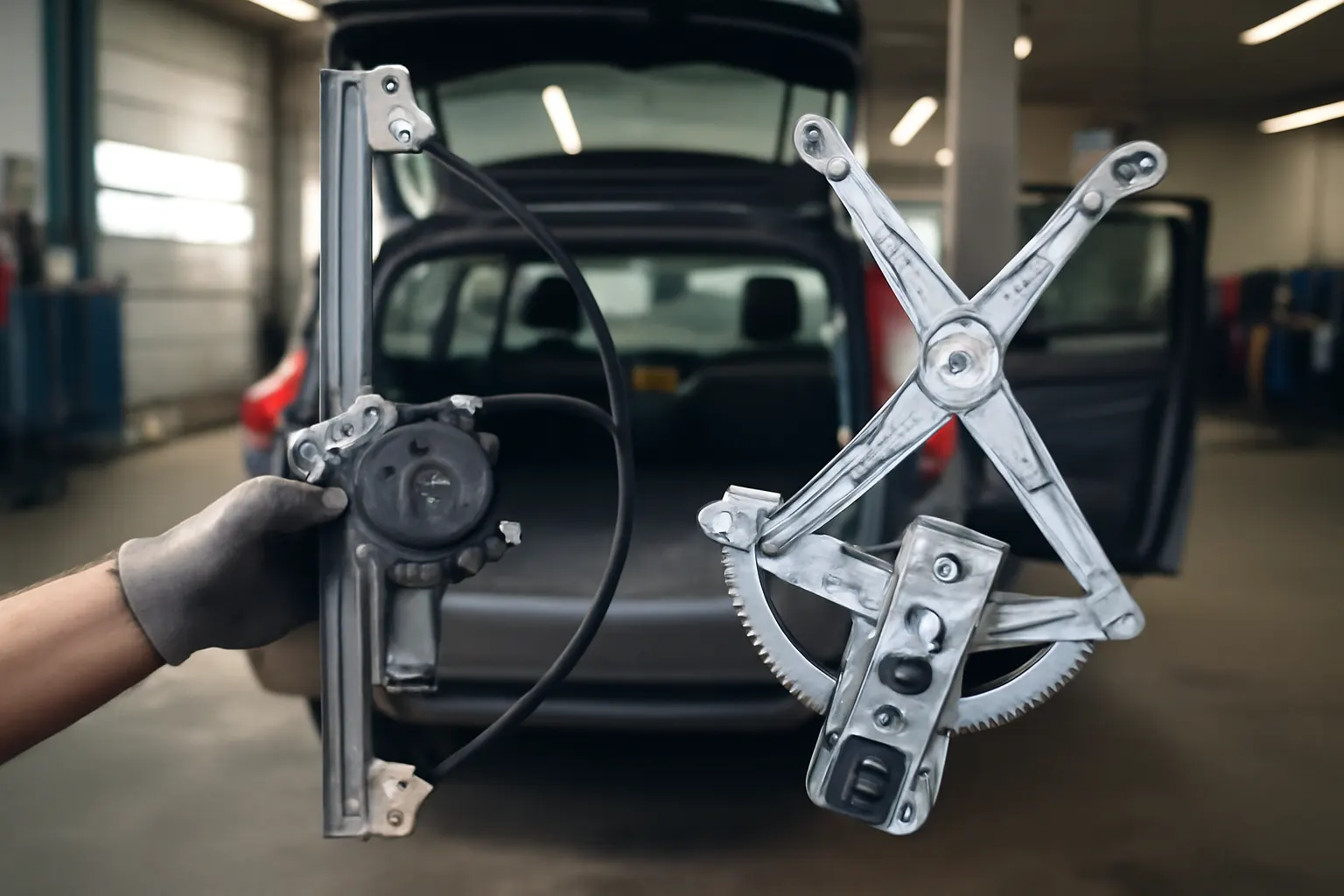
Cable vs Scissor Regulators: Which is Better?
When it comes to the smooth operation of your vehicle’s back glass regulator, the choice between cable and scissor regulators is more than just a technicality—it directly impacts durability, ease of repair, performance, and long-term reliability. If you’re considering a replacement or an upgrade, understanding the fundamental differences and real-world implications of each system is crucial for making a well-informed decision.
Read More
DIY Back Glass Regulator Replacement Guide
A malfunctioning back glass regulator can cause your rear window to become stuck, move unevenly, or fail completely—posing safety and security risks. The regulator is the mechanical or electronic device inside your vehicle’s rear door or tailgate that raises and lowers the glass. When it fails, you may lose the ability to open or close the window, which affects ventilation, rear visibility, and the overall integrity of your vehicle’s weather seal.
View Guide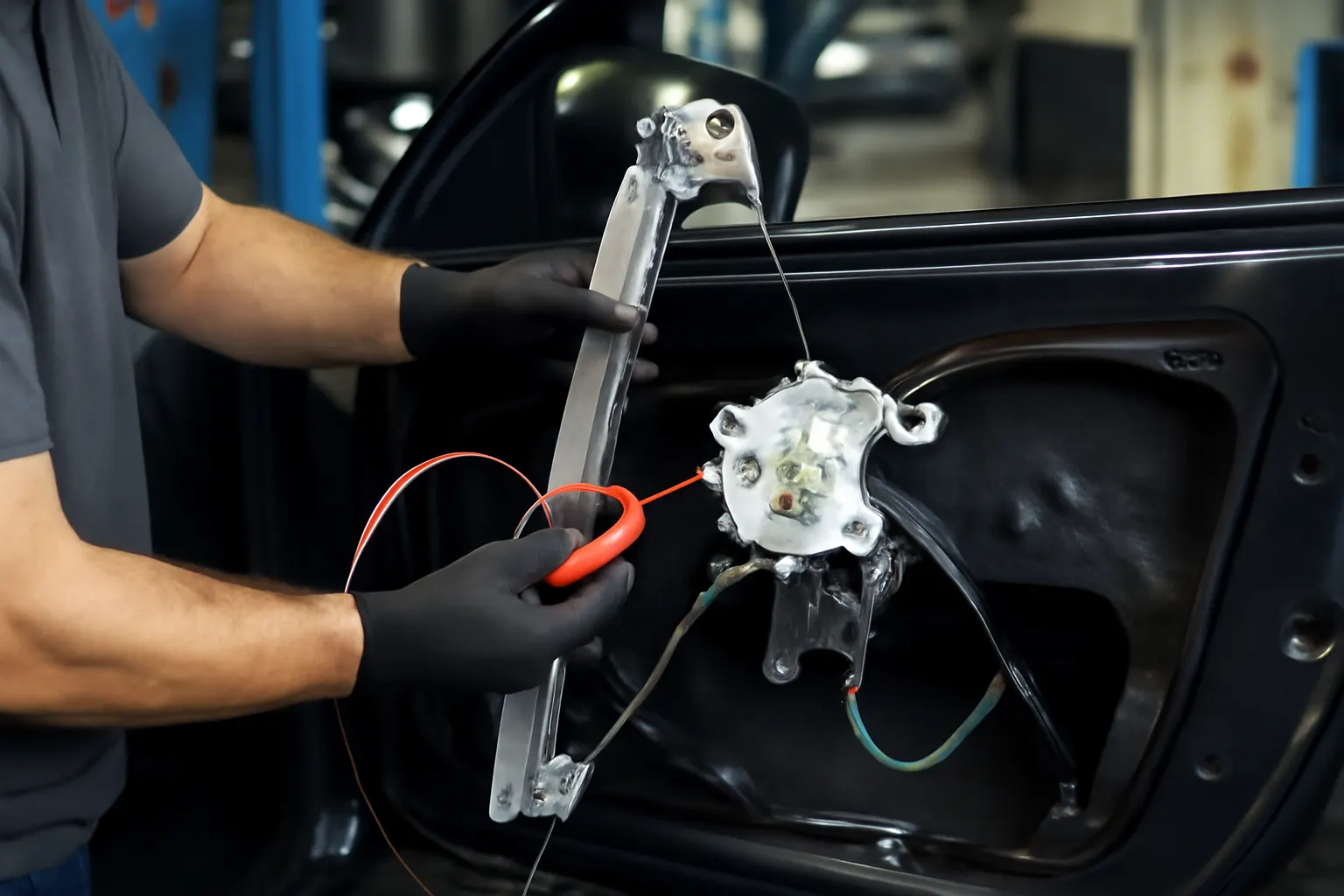
Preventing Window Regulator Failure: Maintenance Tips
A window regulator is the mechanical assembly that raises and lowers your vehicle’s windows, often powered by an electric motor. When a regulator fails—whether due to wear, corrosion, or electrical issues—you may be left with a window stuck open or closed. This not only exposes your vehicle’s interior to theft and weather but can also be a direct safety concern, especially if the failure occurs unexpectedly.
Read More