
Back Glass
Back Glass Replacement: Safety, Selection, and Evidence
Back glass is more than a rear window—it's a safety feature, a technology hub, and a crucial part of your vehicle’s structure. Many drivers don’t consider its importance until damage occurs, but understanding the unique role back glass plays can help you make informed decisions about maintenance and replacement. This guide explores technical, practical, and evidence-based considerations for back glass care.
Showing 1–8 of 684 products


More Back Glass options
Filtering for Back GlassBrowse nearby inventory for this category without leaving the page. Use search to filter by price, part number, or city.
No Data Available
Please check back soon when more inventory is available for this part.
Back Glass Replacement: Safety, Selection, and Evidence
Why Back Glass Deserves More Attention Than You Think
Most drivers rarely think about the back glass of their vehicle until a problem arises. Unlike the windshield, which is always in the driver’s line of sight, the back glass quietly performs its duties—contributing to visibility, structural support, and even housing advanced technology like defrosting elements or antennas. This subtle presence can lead to important aspects being overlooked, especially when it comes to maintenance or replacement. Recognizing the back glass’s multifaceted role is the first step toward smarter vehicle care.
It’s easy to dismiss small chips or cracks in the back glass as minor cosmetic issues. However, these seemingly insignificant imperfections can quickly escalate, compromising not only your rear view but also the overall safety and comfort of your vehicle. Back glass damage can allow water intrusion, increase cabin noise, and even impact the vehicle’s aerodynamics. These are not just inconveniences—they can have real consequences for your driving experience and your car’s longevity.
What’s often missed is that back glass is engineered with specific safety standards in mind, distinct from other automotive glass. Its design must account for shattering patterns, integration with vehicle electronics, and precise fitment. Overlooking these details can result in improper repairs or replacements that fail to meet safety requirements. Understanding these overlooked technical and safety considerations is essential before making any decisions about back glass repair or replacement.

Understanding the Real Issues Behind Back Glass Damage
Back glass damage is not just an aesthetic concern; it can have far-reaching implications for your vehicle’s safety and functionality. A cracked or shattered rear window can obstruct your view, interfere with built-in defrosting systems, and even weaken the structural integrity of your car. Unlike side windows, back glass often incorporates complex curves and embedded technology, making its replacement a more specialized process.
The technical challenges of back glass replacement stem from its unique construction. Most back glass panels are made from either laminated or tempered safety glass, each designed to behave differently upon impact. Laminated glass holds together when shattered, while tempered glass breaks into small, less harmful pieces. These safety features are not optional—they are regulated by automotive safety standards to minimize injury risks in the event of an accident.
Another important factor is the integration of technology within the back glass. Many modern vehicles have rear windows with embedded defrosters, antennas, or even advanced sensors. Damage to the glass can disrupt these systems, leading to further complications such as loss of radio signal, impaired defrosting, or malfunctioning safety features. This makes the selection and installation of replacement glass a process that goes beyond simply matching dimensions.
Improper installation or the use of incompatible replacement glass can introduce new problems. Water leaks, persistent wind noise, and even mold growth inside the cabin are common consequences of poor back glass replacement. These issues can be subtle at first but may lead to costly repairs down the line. Ensuring a proper fit and seal is not just about aesthetics—it’s crucial for maintaining the vehicle’s protective envelope.
Vehicle safety standards for glass are not uniform across all regions, but they generally require manufacturers to use materials and designs that protect occupants in a crash. Replacing back glass with a part that does not meet these standards can compromise the vehicle’s compliance with safety regulations. This is especially important for owners of newer vehicles with advanced driver assistance systems that may rely on sensors integrated into the rear glass.
Finally, the process of diagnosing back glass issues is not always straightforward. Small chips or cracks can be difficult to spot, especially if they are hidden by tinting or embedded heating wires. Water leaks may only become apparent during heavy rain or car washes. Recognizing the signs of back glass damage early can prevent more serious problems and ensure that any replacement is carried out to the highest safety and quality standards.
Practical Guidance for Back Glass Assessment and Replacement
The first step in addressing back glass concerns is a thorough inspection. Look for visible cracks, chips, or areas where the defrosting function seems impaired. Even small imperfections can grow quickly, especially when exposed to temperature changes or road vibrations. If you notice water inside the vehicle or increased wind noise, these may be signs of a compromised seal around the back glass. For a detailed list of warning signs, refer to Signs Your Back Glass Needs Professional Attention.
Once damage is identified, determine whether repair or replacement is necessary. Small chips or cracks that do not obstruct visibility and are not near the edges may sometimes be repaired. However, larger fractures, shattered glass, or any damage affecting embedded technology usually require full replacement. Consulting a professional is advisable, as they can assess the extent of the damage and recommend the safest course of action.
Selecting the right replacement glass involves more than just matching the make and model of your vehicle. Compatibility is key—ensure that the replacement glass matches the curvature, size, and technological features of your original back glass. This is especially important for vehicles with integrated antennas, defrosters, or sensors. OEM (Original Equipment Manufacturer) glass offers the closest match, but high-quality aftermarket or salvage glass may also be suitable if verified for compatibility.
When considering where to source your replacement glass, weigh the pros and cons of new, aftermarket, and salvage options. Salvage glass, for example, can be cost-effective but may show signs of wear or have compatibility issues. The Federal Trade Commission (FTC) recommends asking for a written estimate detailing the parts and labor involved, and clarifying whether the part is new, remanufactured, or salvage. This transparency helps you make an informed decision and avoid unexpected costs FTC: Auto Repair Basics.
Professional installation is generally recommended for back glass replacement due to the specialized tools and adhesives required. DIY replacement may seem appealing for those with experience, but improper sealing or mishandling of embedded electronics can lead to further damage. For a comparison of professional versus DIY approaches, see Professional vs DIY Glass Replacement: What You Need to Know.
The installation process typically involves careful removal of the damaged glass, preparation of the mounting surface, and application of manufacturer-approved adhesives. Precision is crucial to ensure proper alignment and a watertight seal. After placement, the glass must be allowed to cure for the recommended period before the vehicle is driven or exposed to moisture. Skipping any of these steps can compromise the integrity of the installation.
Post-replacement care is just as important as the installation itself. Avoid washing the vehicle or exposing it to extreme temperatures for at least 24 hours to allow adhesives to set fully. Regularly inspect the seal for signs of wear, leaks, or detachment. Early detection of issues can prevent more extensive damage and help maintain the safety and comfort of your vehicle.
Finally, stay proactive by checking for any recalls or safety notices related to your vehicle’s back glass. The National Highway Traffic Safety Administration (NHTSA) provides resources for monitoring recalls and safety investigations. Regularly checking your vehicle’s VIN for open recalls ensures that any manufacturer-identified defects are addressed promptly, maintaining both safety and compliance NHTSA: Vehicle Recalls.
Evidence and Published Guidance for Back Glass Replacement
The National Highway Traffic Safety Administration (NHTSA) plays a pivotal role in monitoring vehicle safety recalls, including those related to glass components. According to NHTSA, owners can check their vehicle’s recall status by searching their VIN on the agency’s website. This process reveals whether a specific vehicle has any unrepaired recalls, including those affecting back glass. However, a recall lookup does not confirm that a particular vehicle is subject to a recall; it only provides general information or identifies open recalls for that VIN. This underscores the importance of regular recall checks as part of responsible vehicle maintenance NHTSA: Vehicle Recalls.
NHTSA’s recall process is thorough and involves several stages. It begins with consumer complaints, which, if numerous and consistent, may prompt an investigation. If a safety-related defect is identified, manufacturers must notify owners and provide a remedy—such as repair, replacement, or refund—at no cost. This process ensures that safety issues, including those involving back glass, are addressed systematically. However, not all glass issues result in recalls, and routine damage or wear is typically outside the scope of these investigations. Owners should still rely on professional assessments and published safety standards for most back glass concerns NHTSA: Vehicle Recalls.
The Federal Trade Commission (FTC) offers consumer-focused guidance on auto repairs, emphasizing transparency and informed decision-making. The FTC advises obtaining a written repair estimate that details the condition to be repaired, the parts required, and anticipated labor charges. This recommendation is especially relevant for back glass replacement, where the choice between new, remanufactured, or salvage parts can significantly impact cost and quality. The FTC’s guidance is general and does not specify technical standards for particular vehicles, but it provides a framework for consumers to protect themselves during the repair process FTC: Auto Repair Basics.
The FTC also highlights the importance of understanding the type of replacement part being used. Salvage parts, for instance, are sourced from other vehicles and may offer cost savings, but their condition and compatibility should be carefully evaluated. The FTC does not guarantee fitment or quality for any specific part, so consumers should ask questions and request documentation before proceeding with a salvage back glass replacement. This approach helps avoid surprises and ensures that the part meets your expectations and safety requirements FTC: Auto Repair Basics.
While the NHTSA and FTC provide valuable general guidance, neither establishes specific technical specifications or service intervals for back glass replacement. Instead, they encourage consumers to follow manufacturer maintenance schedules and to compare shop recommendations with official guidelines. This means that, in the absence of a recall or manufacturer bulletin, owners should rely on professional assessments and published standards when deciding how and when to replace back glass. This evidence-based approach helps ensure that repairs are both safe and effective FTC: Auto Repair Basics.
Technological integration in modern back glass is another area where evidence-based guidance is crucial. As explained in Modern Vehicle Glass Technology Integration, many vehicles now feature rear windows with embedded antennas, defrosters, or sensors. These features require specialized replacement glass and installation techniques. Using incompatible glass can impair these functions, leading to additional repair costs and safety concerns. While the guide does not provide quantitative failure rates, it establishes the importance of verifying technology compatibility during selection and installation.
Finally, it’s important to recognize the limits of published evidence. Neither NHTSA nor FTC documents provide statistics on back glass failure rates, repair outcomes, or owner beliefs. Instead, they offer frameworks for identifying, reporting, and addressing safety issues. For individual cases, the most reliable approach is to gather documentation, request written estimates, and consult professionals with experience in your vehicle’s make and model. This evidence-based process helps ensure that back glass replacement is performed safely, effectively, and in compliance with relevant standards.
Take Action: Protect Your Vehicle with Informed Back Glass Care
Your vehicle’s back glass is a vital component for safety, comfort, and technology integration. Don’t wait for small issues to become major problems—inspect your back glass regularly, consult trusted professionals for assessments, and use available resources to check for recalls or safety notices. When replacement is necessary, prioritize compatibility and quality, and always request clear documentation of the work performed. For more information and to explore available parts, visit our Back Glass category today.
References
- NHTSA: Vehicle Recalls
- FTC: Auto Repair Basics
References
- NHTSA: Vehicle Recalls - NHTSA, accessed 2026-11-01
- FTC: Auto Repair Basics - FTC, accessed 2026-11-01
Related Guides & Articles

Understanding Automotive Glass Safety Standards
Federal and industry standards for automotive glass are designed to protect vehicle occupants during collisions, rollovers, and everyday driving. These standards, enforced by the National Highway Traffic Safety Administration (NHTSA) and developed in conjunction with organizations like SAE International, specify how glass must behave in impact scenarios, resist penetration, and maintain visibility. For back glass and other vehicle windows, compliance ensures: Shatter resistance: Minimizing dangerous shards in the event of breakage.
View Guide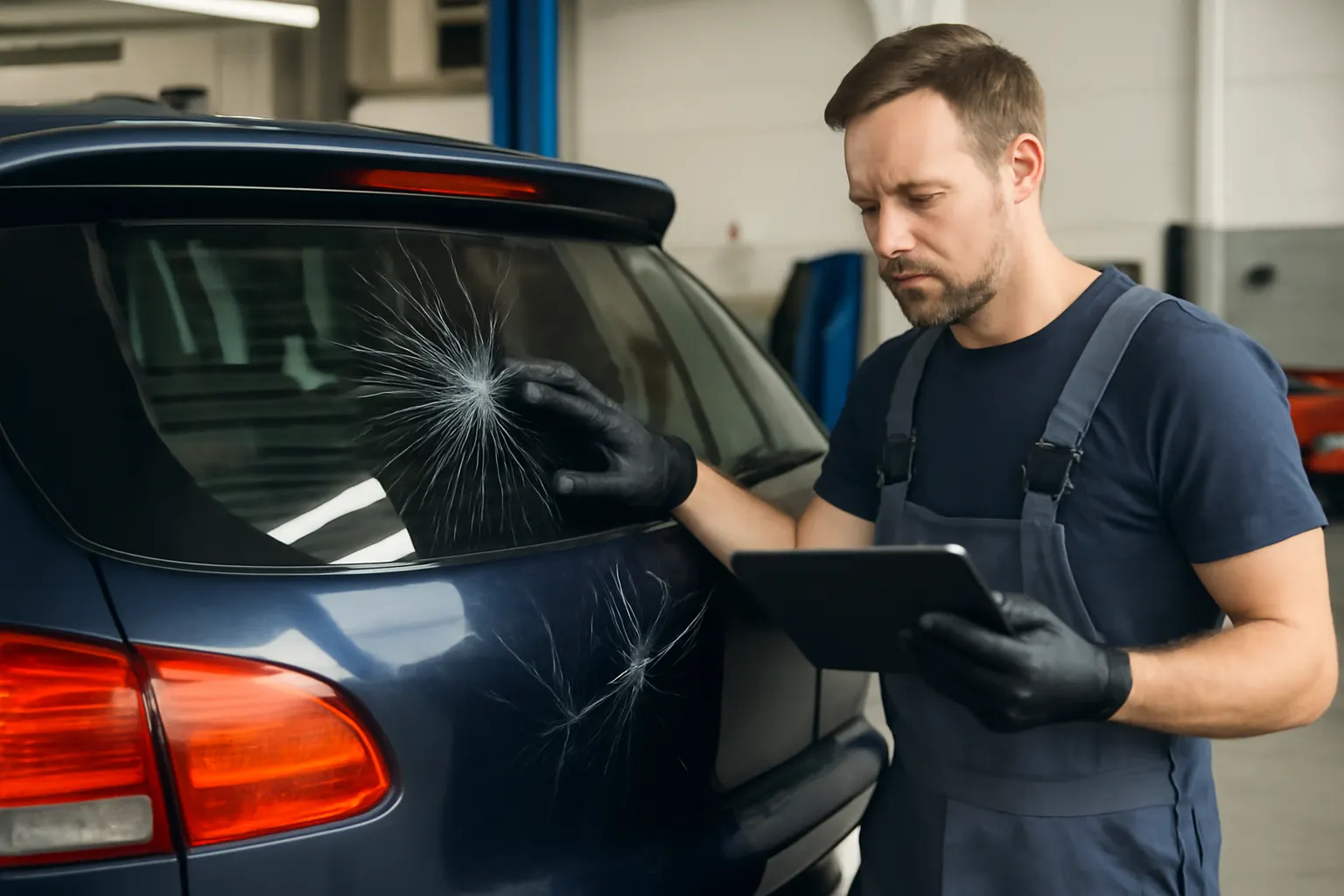
Signs Your Back Glass Needs Professional Attention
Your vehicle’s back glass (rear windshield) is far more than a simple window—it’s a critical safety component, a shield from the elements, and often a platform for advanced technology like defrost grids and backup cameras. Recognizing the early warning signs that your back glass needs professional attention is essential to prevent safety hazards, avoid costly repairs, and maintain the structural integrity of your car.
Read More
Modern Vehicle Glass Technology Integration
Today’s automotive back glass is engineered for far more than visibility and safety. It commonly incorporates: Electrically heated defrost grids to ensure clear rear visibility in all weather. Embedded antennas for radio, GPS, and telematics. Integration points for backup cameras, proximity sensors, and even heads-up displays. Compatibility with advanced driver assistance systems (ADAS), such as rear cross-traffic alert and automatic emergency braking. While these advancements deliver significant benefits in comfort, safety, and connectivity, they also introduce hidden complexities.
View Guide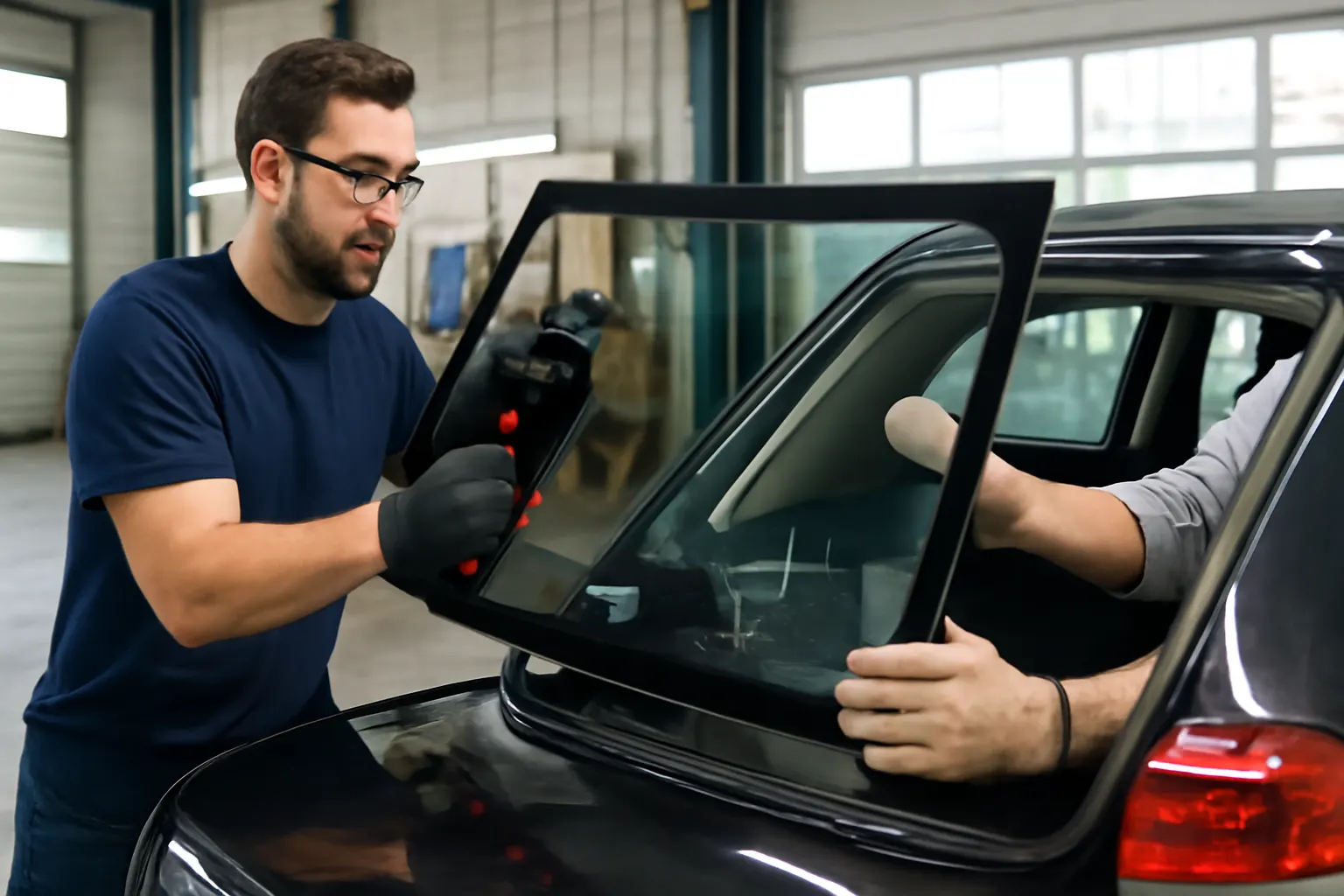
Professional vs DIY Glass Replacement: What You Need to Know
Replacing the back glass on your vehicle is a task that demands careful consideration. The immediate answer: professional installation is almost always the safest, most reliable, and cost-effective choice for back glass replacement. While DIY attempts may seem appealing due to perceived savings, the risks—ranging from compromised safety to higher long-term costs—can far outweigh the initial benefits.
Read More